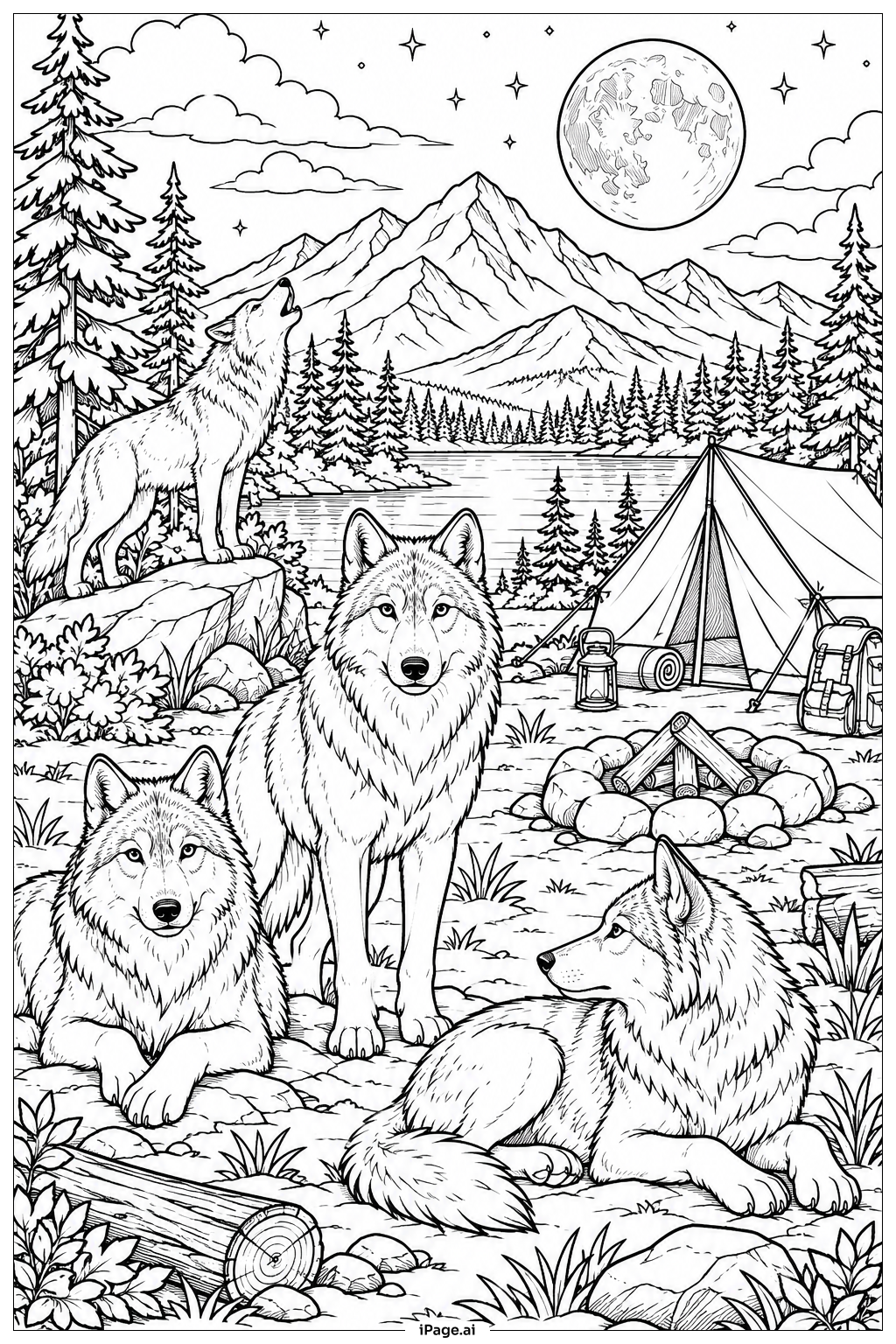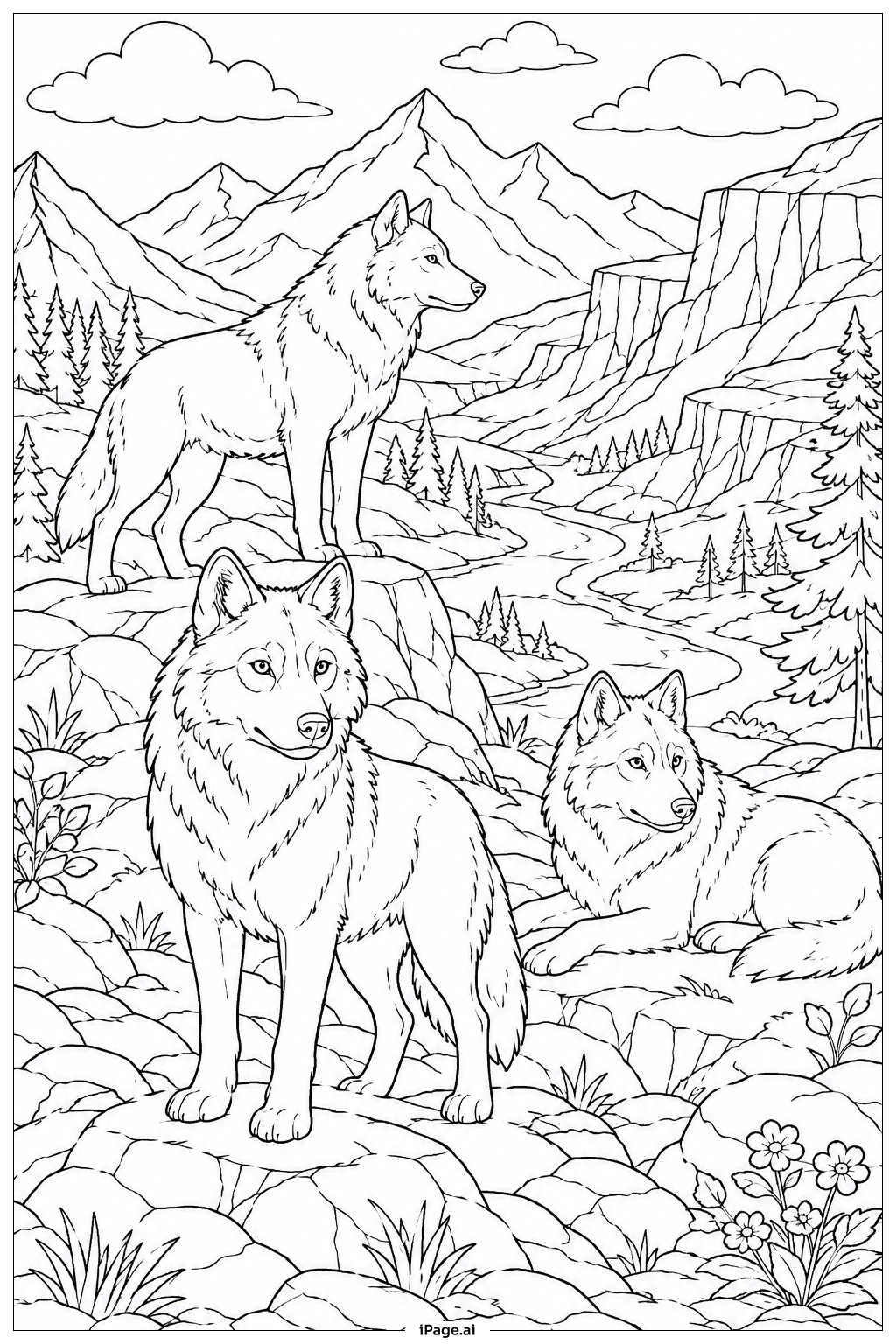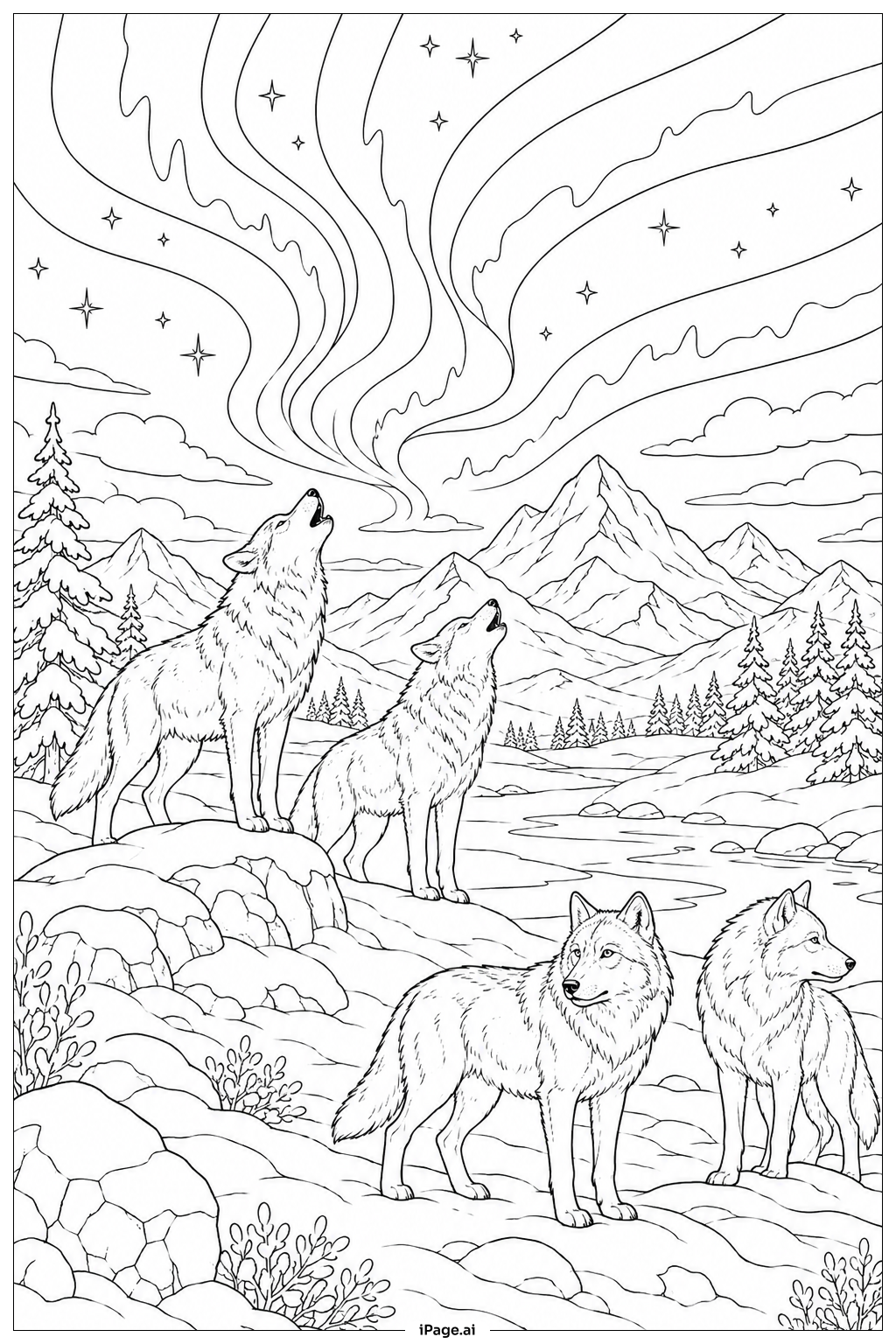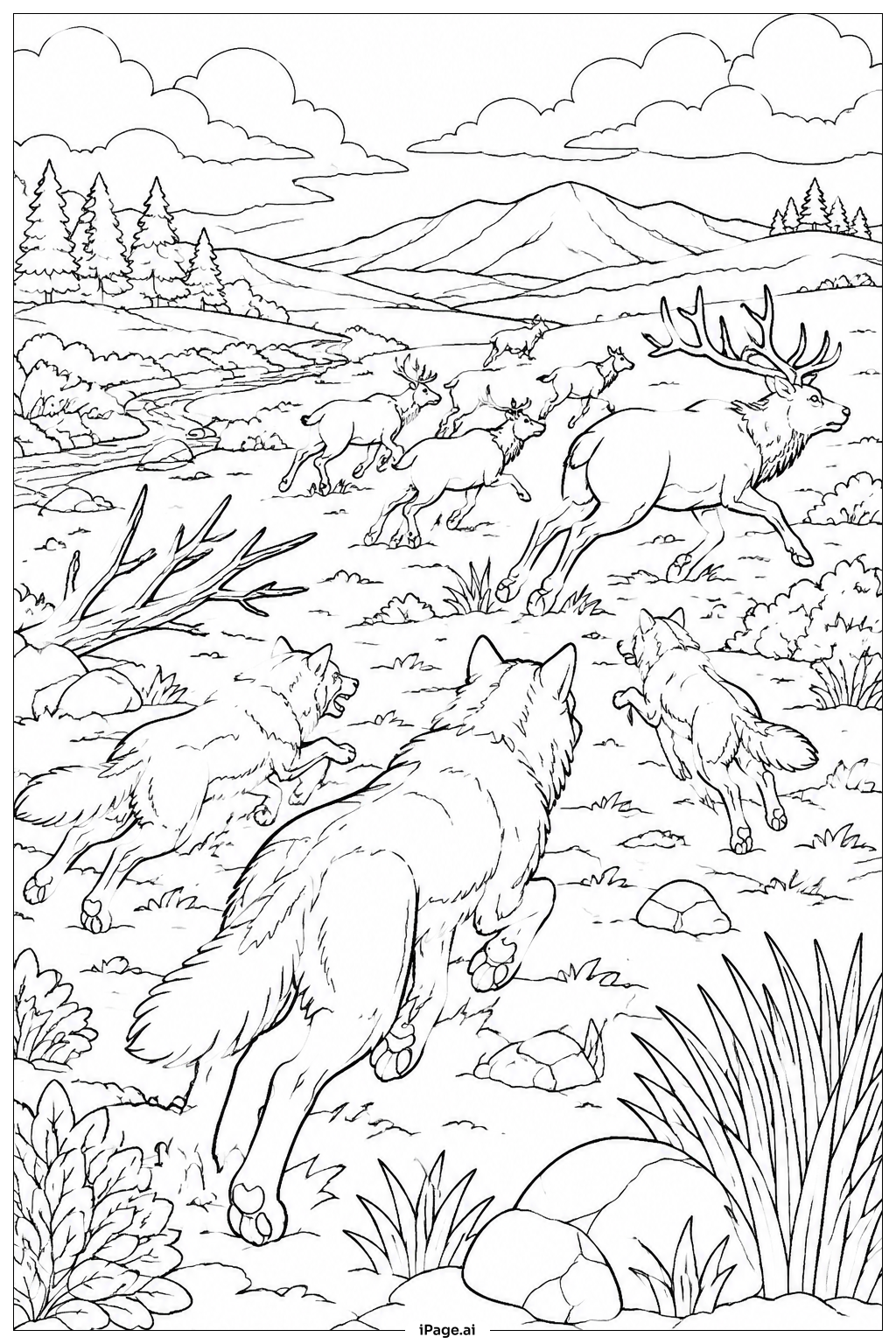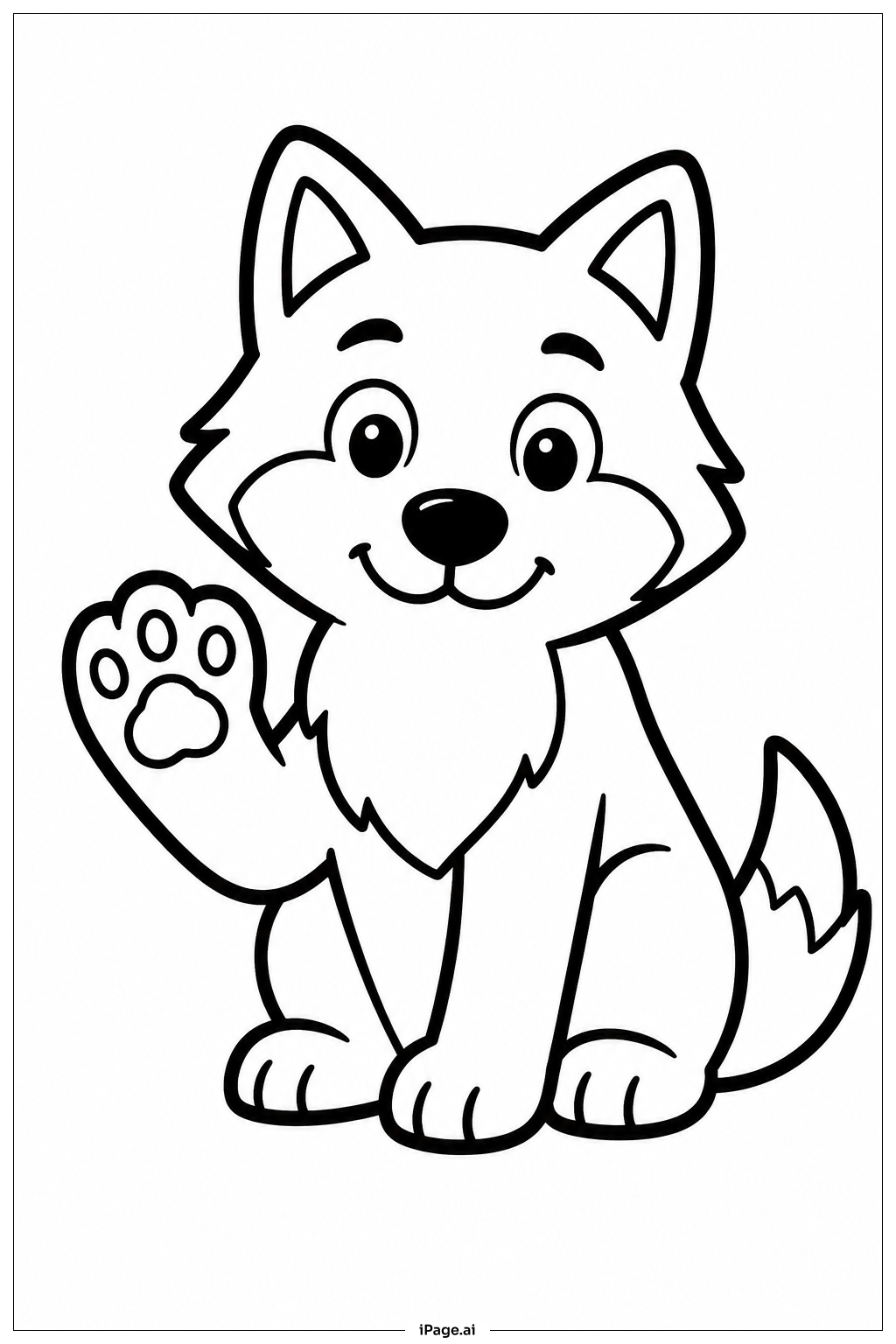
Coloring tips: How to color Wolf With Paw Raised coloring page well?
Start with the wolf's fur using shades of gray, brown, and white. Use a light gray or cream color for the chest and belly, and darker gray or brown tones for the back, shoulders, and tail. Add depth by layering a medium gray over lighter areas and a dark charcoal near the edges to create shadow. For the face, use a warm tan or golden brown around the snout and eyes. Color the eyes amber, yellow, or golden to give the wolf a fierce, wild look. The raised paw can be a slightly lighter shade than the body to show it catching the light. Use short, directional strokes to mimic the look of real fur. A soft blending of colors makes the coat look natural and full. Keep the nose dark gray or black. For young colorists, a simple two-tone approach using just light and dark gray works beautifully and is easy to manage.
Coloring challenges: Which parts are difficult to color and need attention for Wolf With Paw Raised coloring page?
• Fur Texture Consistency: The wolf's coat covers most of the body and has many layers of detail. Keeping the fur-like strokes consistent in direction and length across such a large area is a real challenge. Colorists need to follow the natural flow of the fur, moving from the neck downward toward the chest and back, and from the spine outward to the sides. Rushing through this area can result in a flat or patchy appearance.
• Shading and Depth on the Body: Creating a three-dimensional look on the wolf's thick body requires careful layering of light, mid-tone, and dark shades. The belly and chest are typically lighter, while the back and legs carry deeper tones. Blending these zones smoothly without creating harsh lines takes patience and practice, especially for younger colorists.
• The Raised Paw Detail: The lifted paw has small toes, claws, and subtle muscle shapes that are tricky to color neatly. Staying within the fine lines of each toe pad and claw without smudging takes a steady hand. The claws should be a slightly different shade, such as off-white or pale gray, to stand out from the surrounding fur.
• Facial Expression and Features: The wolf's face includes narrow eyes, a defined nose, and fine fur markings around the muzzle. These small features require careful color choices and precision. Using too dark a color around the eyes too early can make the face look muddy, so it is best to build up tone gradually.
• Color Harmony Across the Whole Image: Choosing colors that work well together across the entire wolf, from head to raised paw to tail tip, requires planning. Without a consistent color palette decided at the start, the finished result can look uneven or disconnected.
Benefits of coloring books: Advantages of drawing Wolf With Paw Raised coloring page
Coloring this wolf image offers a wide range of benefits for kids and young artists. Working through the detailed fur patterns helps develop fine motor skills and hand-eye coordination, as children practice keeping their strokes neat and controlled within the lines. The complexity of the image encourages focus and patience, qualities that are useful in school and everyday life.
Choosing colors for the wolf's coat sparks creative thinking. Kids get to decide whether their wolf looks realistic in natural grays and browns, or imaginative in blues, purples, or even rainbow fur. This kind of open-ended choice builds confidence and self-expression.
Learning about wolves while coloring also adds an educational layer. Children can explore facts about wolf habitats, behavior, and their role in nature, making the activity both fun and informative.
The calming, repetitive motion of coloring is known to reduce stress and anxiety, even in young children. Completing the full image gives a strong sense of accomplishment and pride. For Boys and Girls alike, this wolf coloring page is an engaging and rewarding activity that supports creativity, concentration, and a love of wildlife.