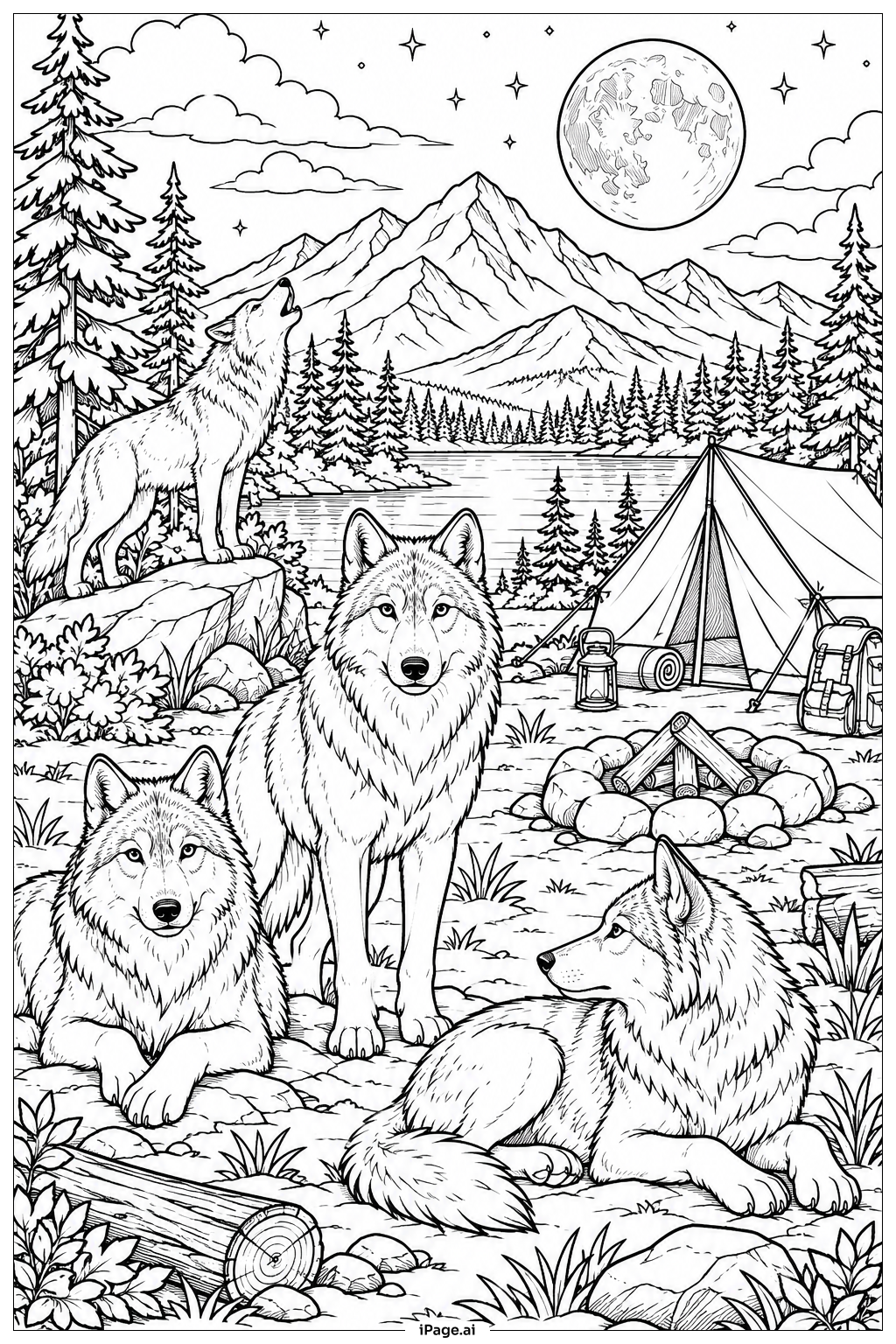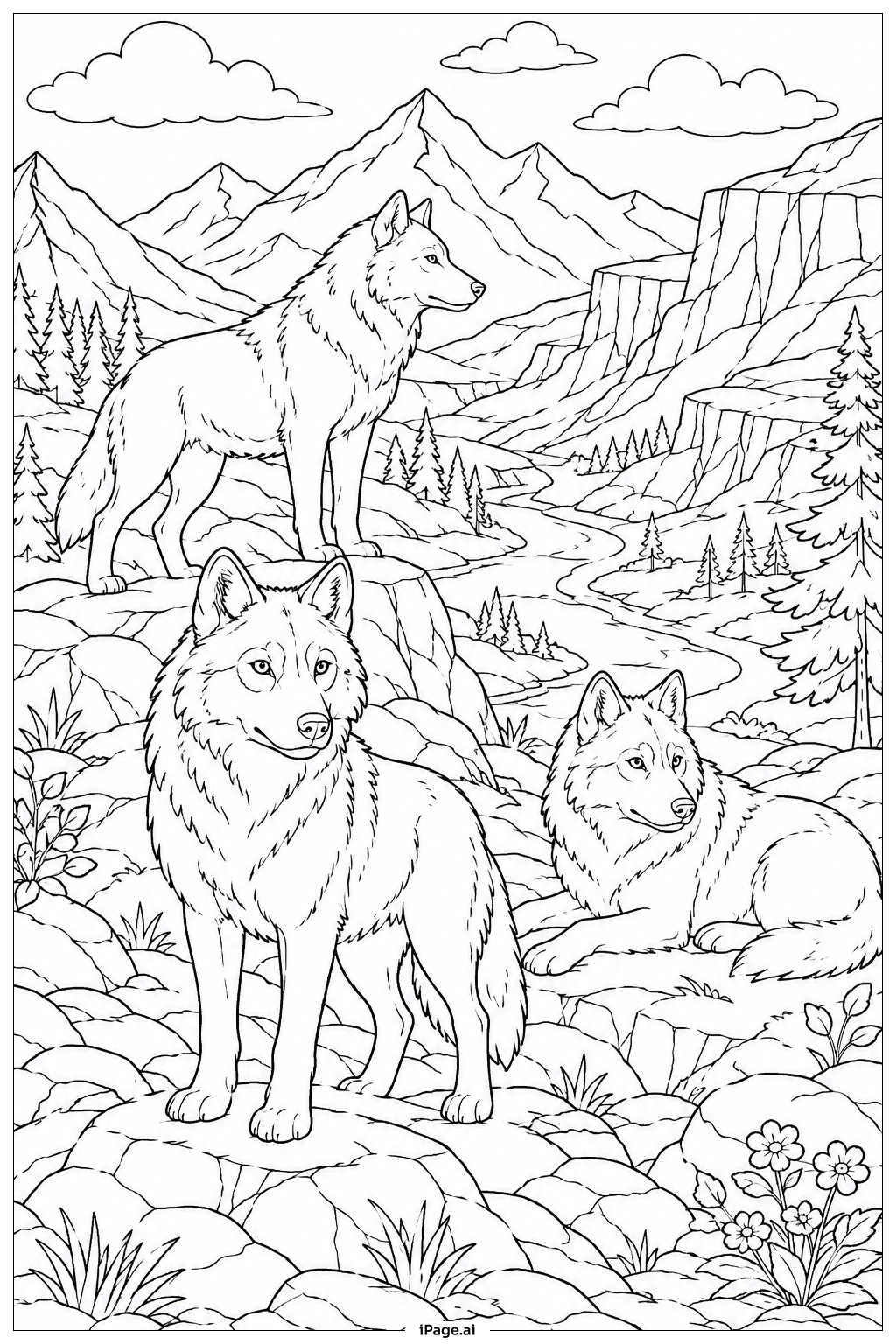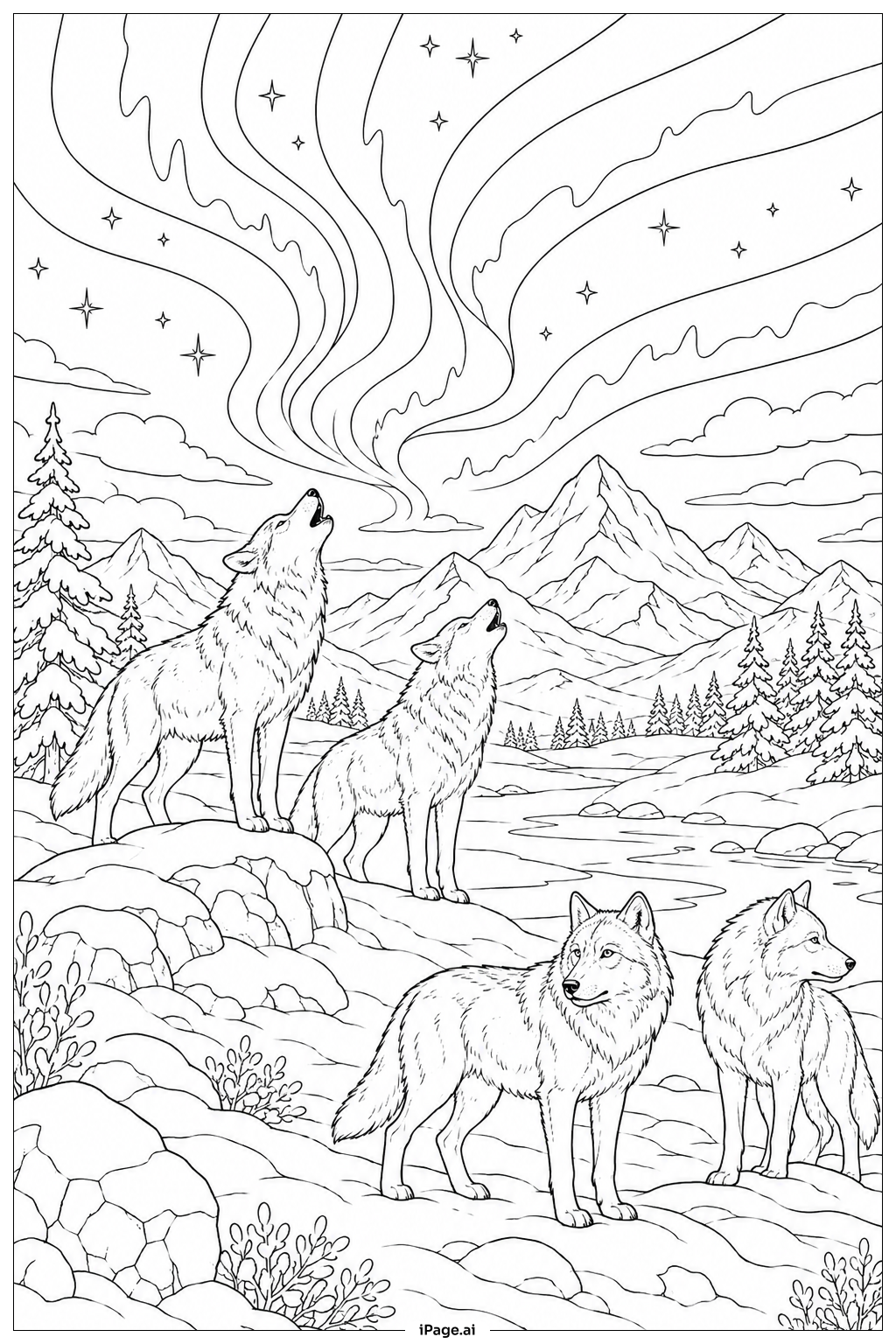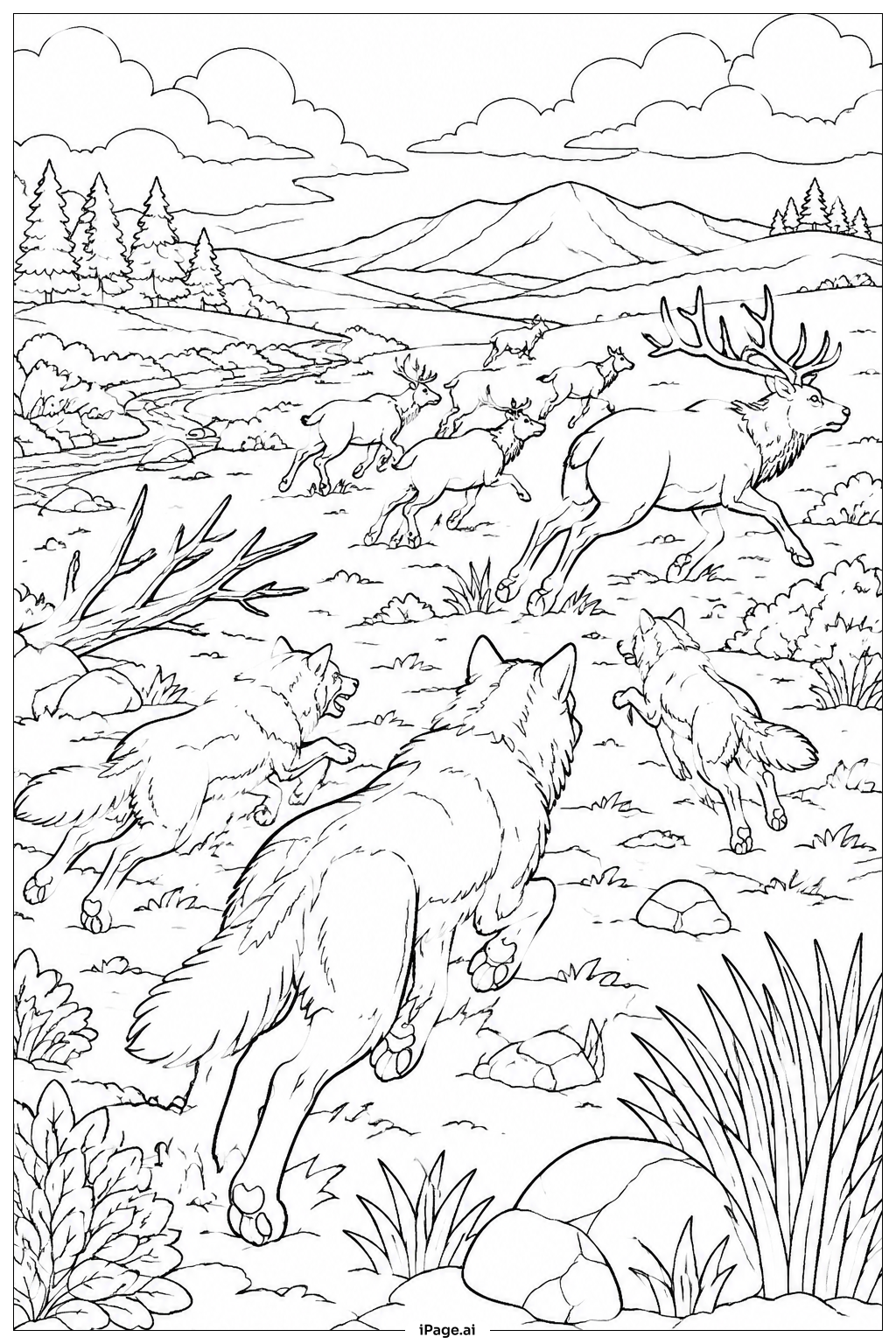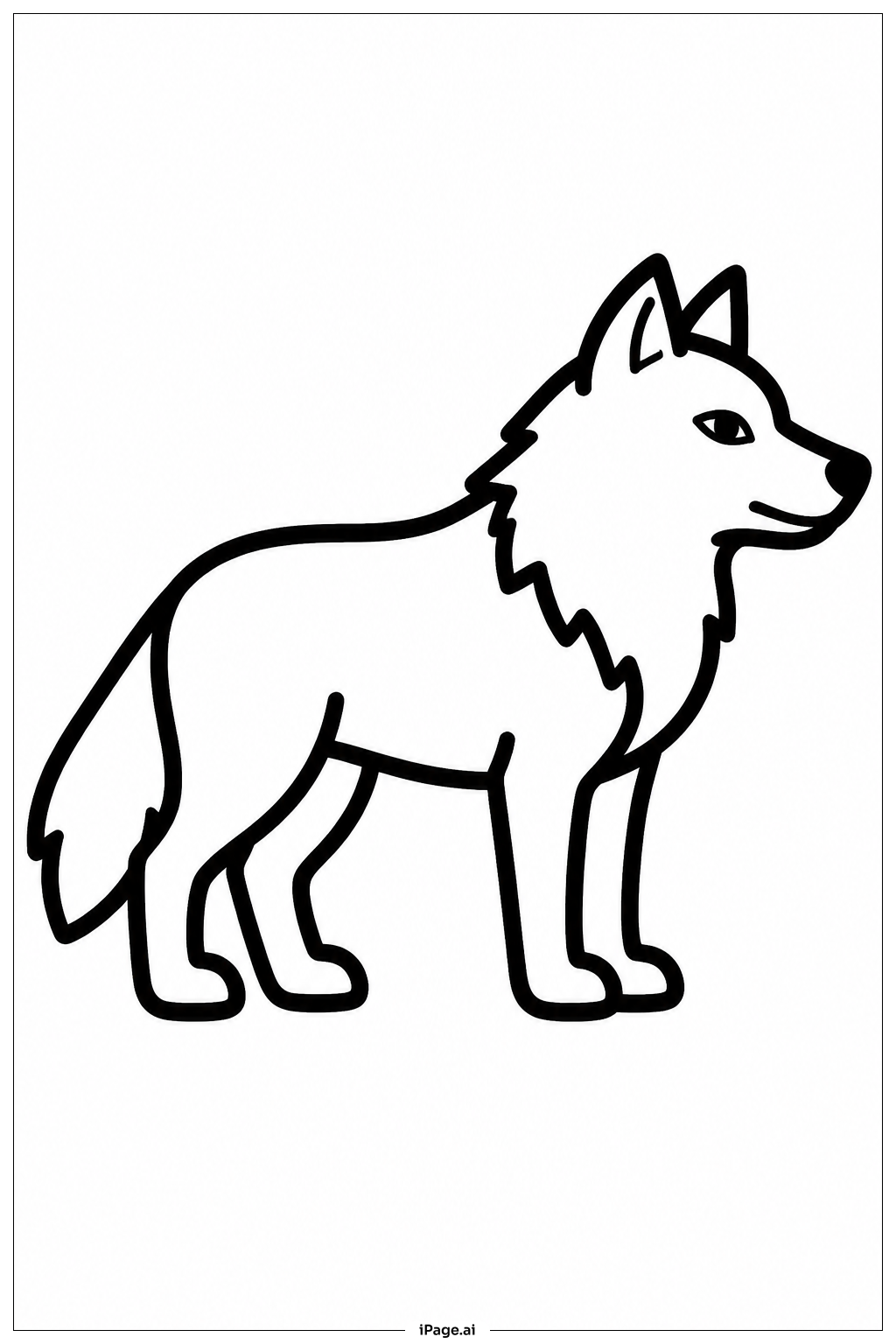
Coloring tips: How to color Wolf In Profile coloring page well?
Start with the wolf's base fur color. Gray wolves often have fur that blends silver, light gray, and dark gray. You can also try a brown or tan look for a timber wolf. Use a light yellow or cream color for the belly and inner legs where the fur is softer. Add darker shades along the back, shoulders, and tail tip to create depth. For the eye, use amber, gold, or pale yellow to make it look bright and sharp. The nose can be dark gray or black. The inside of the ear can have a soft pink or light fur tone. Try blending colors gently to give the fur a natural, layered feel. White pencil or a light touch can add highlights to the fur and eye.
Coloring challenges: Which parts are difficult to color and need attention for Wolf In Profile coloring page?
Coloring this wolf profile image comes with several interesting challenges that make it a rewarding experience for older children and beginners alike.
• Fur Texture and Layering: The wolf's thick coat has many overlapping strands that flow in different directions. Coloring each layer to look natural takes patience. You need to follow the direction of the fur lines and build up light strokes gradually. Using the same color with varying pressure helps create a realistic, fluffy look rather than a flat appearance.
• Blending Multiple Gray Tones: A wolf's fur is rarely one single color. It shifts between white, silver, mid-gray, and dark charcoal across different body parts. Smoothly transitioning between these tones without creating harsh lines is one of the trickiest parts of this page. Light, overlapping strokes work best here.
• The Eye Detail: The wolf's eye is small but very expressive. Getting the right balance of color, reflection, and shadow in such a small space requires a careful hand. Using a sharp pencil tip and adding a tiny white dot as a highlight can make the eye look alive and intense.
• The Profile Snout and Nose: The long snout has subtle curves and shadows that define its three-dimensional shape. Shading under the jawline and around the nose tip adds realism. Without this shading, the snout can look too flat and lose its wolf-like strength.
• Consistent Shading Direction: Because the wolf is shown in profile, light should appear to come from one side. Keeping all shading consistent with a single light source throughout the whole image is a challenge that ties all the details together into a cohesive, polished result.
Benefits of coloring books: Advantages of drawing Wolf In Profile coloring page
Coloring this wolf profile page offers a wonderful mix of fun and learning for kids and young artists. Here are some of the great benefits it brings.
Creativity and color exploration: Children get to choose their own colors and experiment freely. There is no single right answer, which encourages personal expression and imaginative thinking.
Fine motor skill development: Carefully coloring the wolf's detailed fur, sharp features, and small eye helps strengthen hand control and pencil grip. These skills support writing and drawing in everyday school life.
Focus and patience: This image has many small details that ask the artist to slow down and pay attention. Spending time on a single image builds the ability to concentrate and stay on task.
Learning about nature: Coloring a realistic wolf inspires curiosity about wildlife. Children may become interested in where wolves live, what they eat, and how they behave in the wild.
Relaxation and calm: The steady, rhythmic motion of coloring is naturally soothing. It can help kids unwind after a busy school day and reduce feelings of stress or restlessness.
Sense of accomplishment: Finishing a detailed coloring page gives children a real feeling of pride. Seeing their finished artwork builds confidence and motivates them to keep creating.