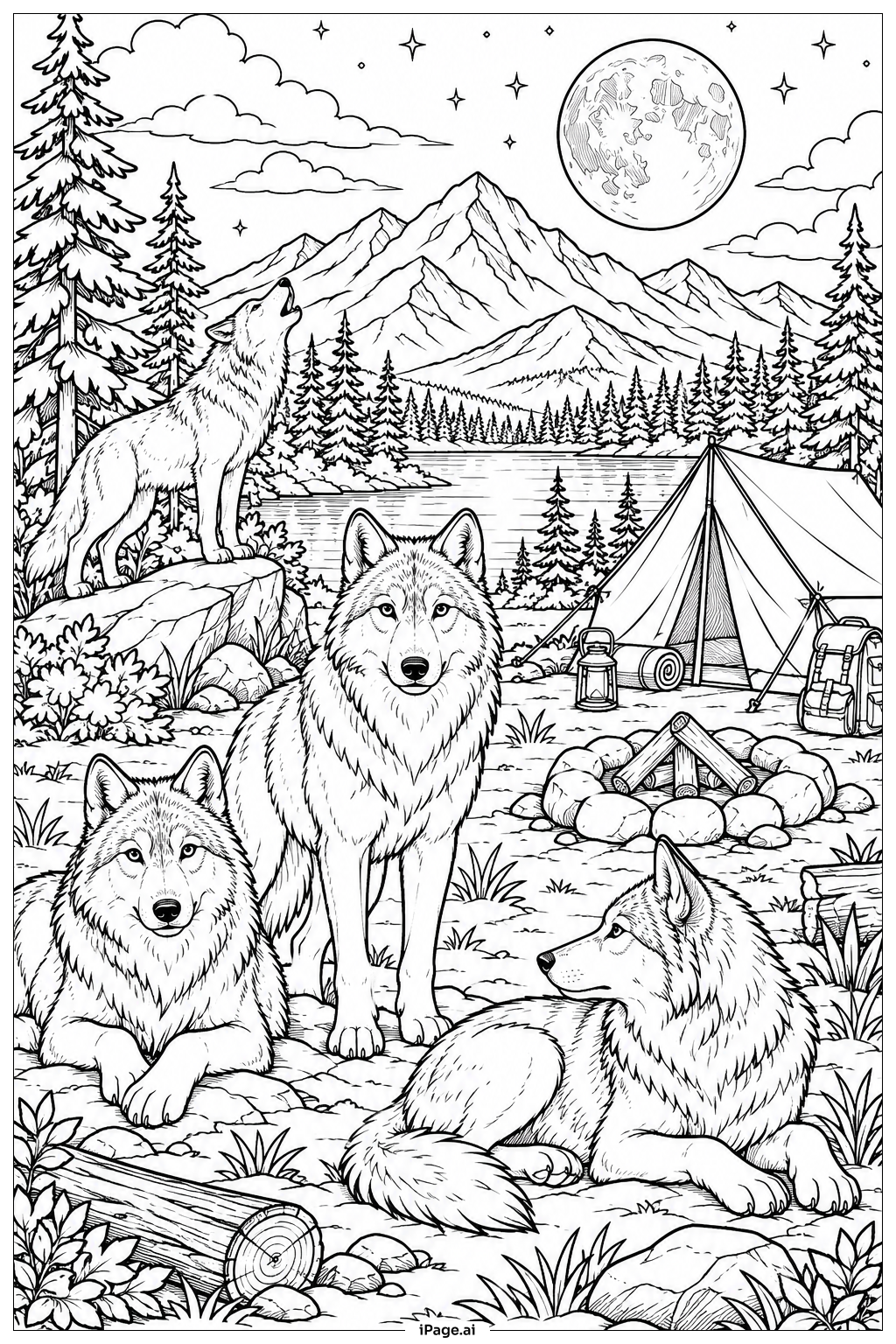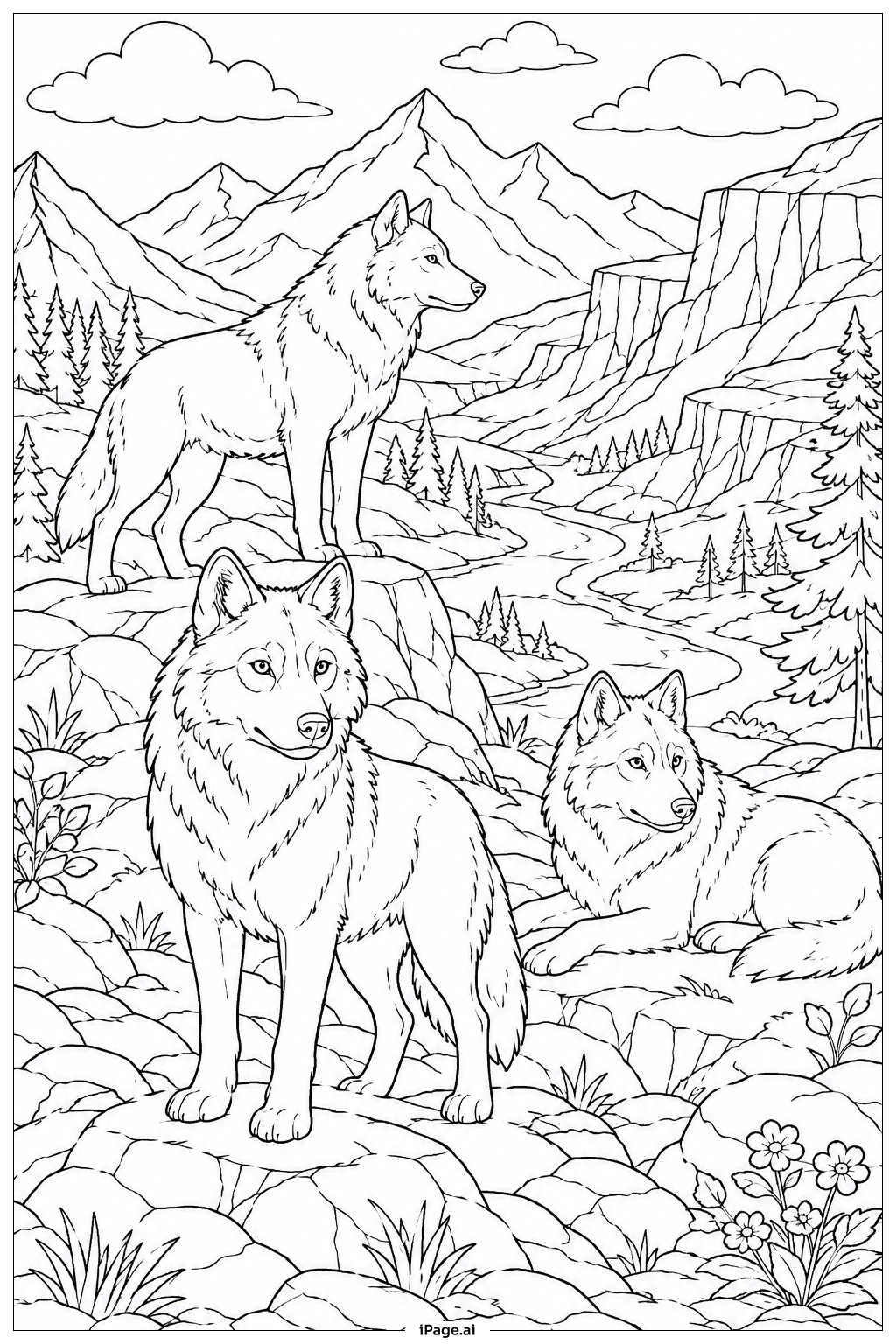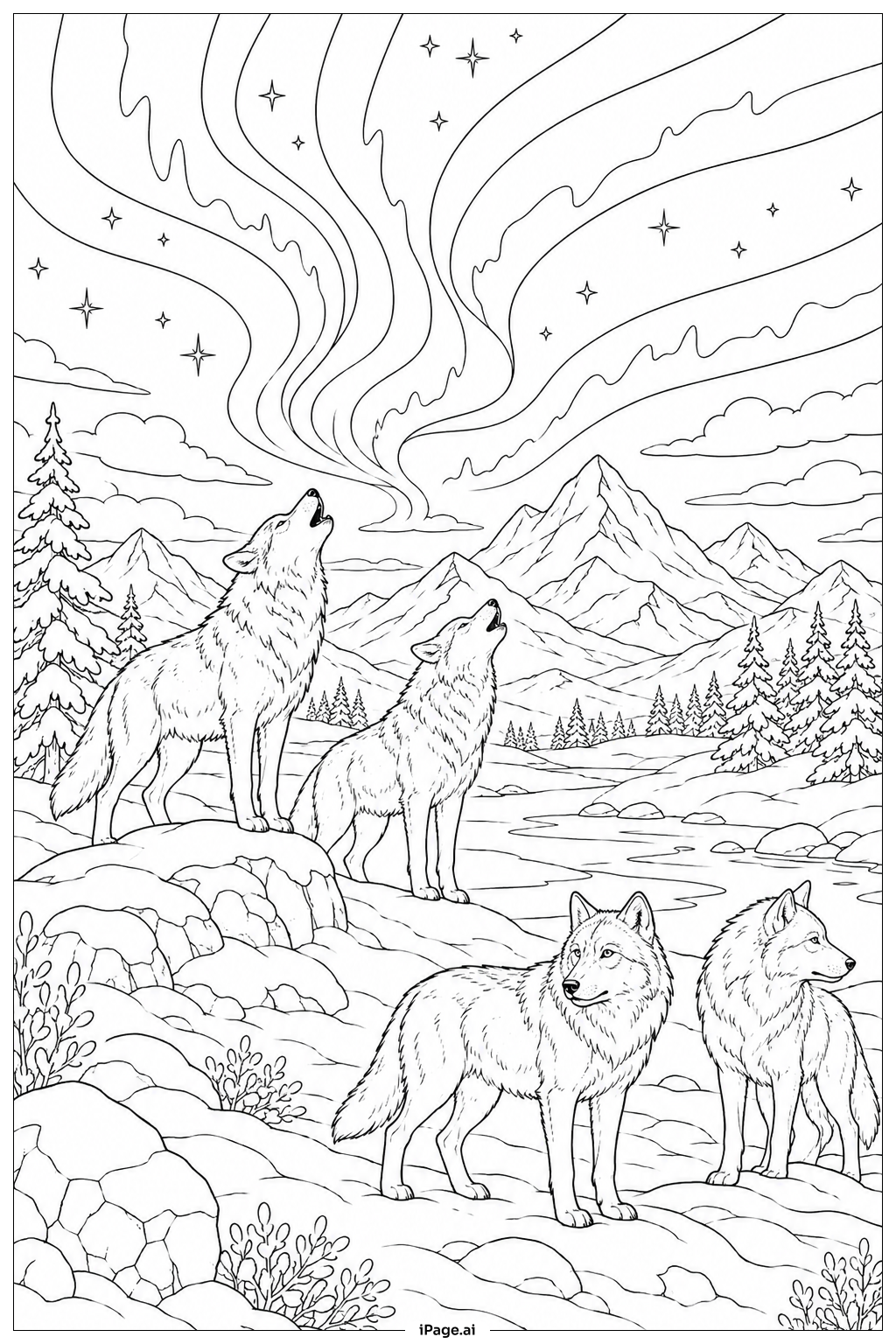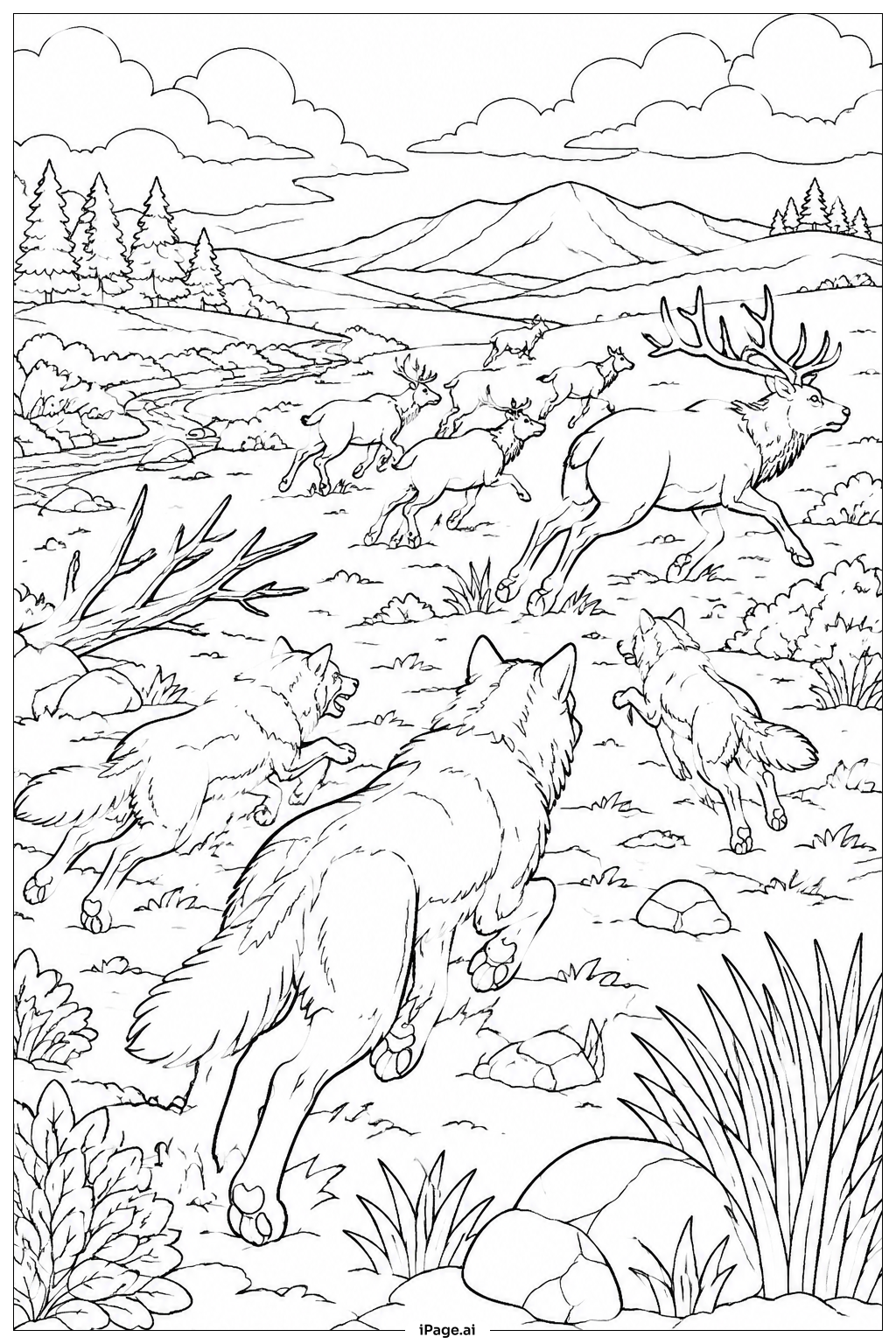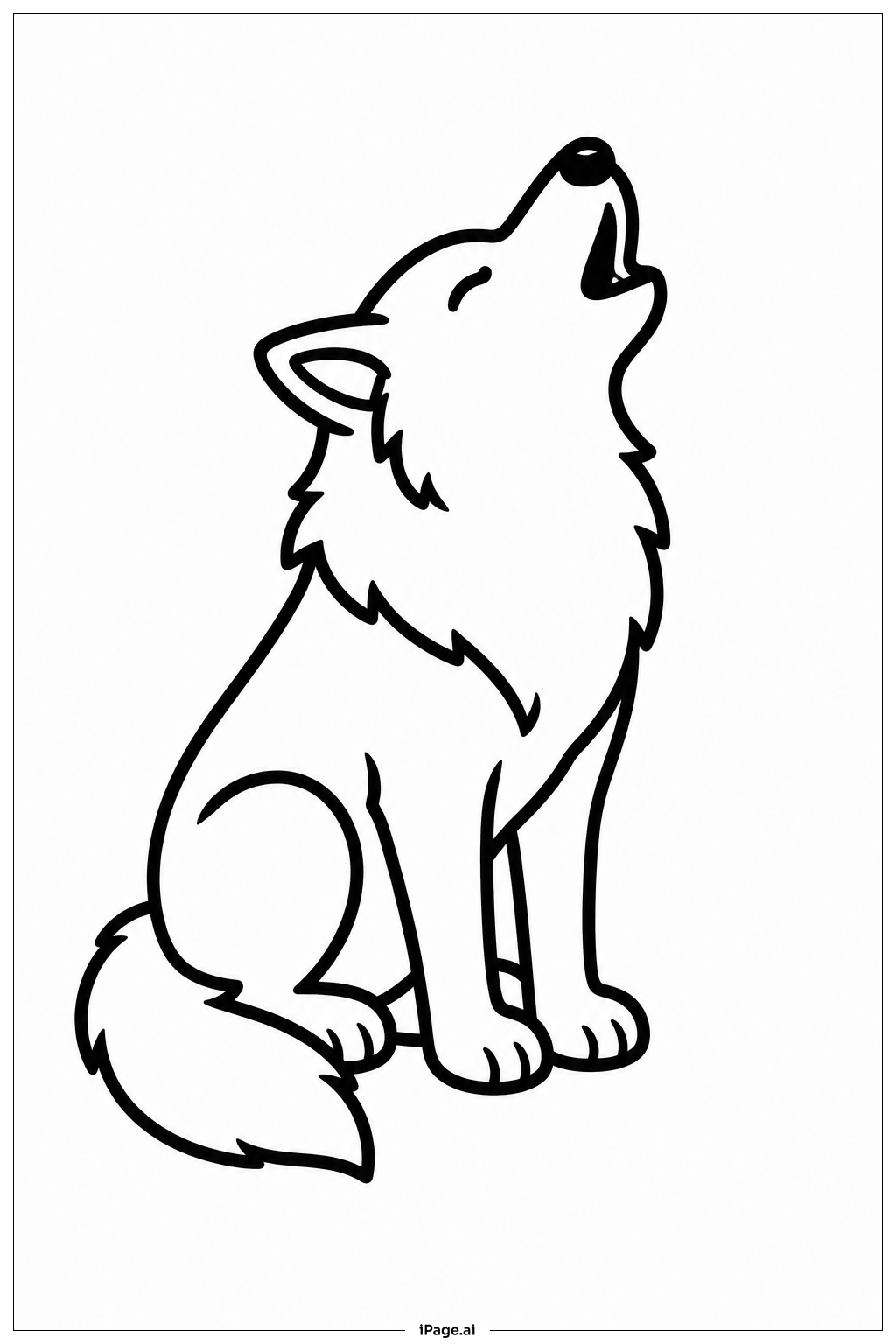
Coloring tips: How to color Wolf Howling Pose coloring page well?
Start with the wolf's fur by choosing natural, earthy tones. Gray shades work well for the main body — try mixing light gray, medium gray, and dark gray to show depth. You can also use warm browns or tan tones for a more golden wolf look. Use white or very light gray for the chest, belly, and inner ear areas to create contrast. For the wolf's eyes, yellow, amber, or bright green make them look alive and intense. The nose can be dark gray or black. Add darker shading along the back, legs, and around the face to give the fur a layered, realistic feel. Use short, light strokes to mimic the look of real fur. If you want a dramatic night scene, try coloring the background deep blue or purple to suggest a moonlit sky. Keep the overall color palette natural to make the wolf look truly wild and majestic.
Coloring challenges: Which parts are difficult to color and need attention for Wolf Howling Pose coloring page?
• Fur Texture Complexity: The wolf's thick, layered fur is one of the hardest parts to color well. Real wolf fur has many layers with light and dark areas blending together. To make it look realistic, you need to use multiple shades of the same color and apply strokes in the direction the fur naturally flows. Rushing this part can make the fur look flat and dull.
• Facial Expression Details: The wolf's face has many small but important details — the open mouth, sharp teeth, defined nose, and expressive eyes all require careful attention. Using the wrong shade or going outside the lines in this area can change the whole mood of the image. Take your time with the eyes especially, as they carry the most emotion.
• Body Shading and Depth: The wolf's muscular body needs light and shadow to look three-dimensional. Areas like the legs, chest, and back should not all be the same shade. Without proper shading, the wolf may look flat. This is a challenge for younger colorists who are still learning how to blend colors.
• Contrast Between Light and Dark Areas: The wolf has naturally lighter areas around the chest, belly, and muzzle, and darker areas along the back and sides. Keeping this contrast clear while still making the colors look smooth and connected is tricky and requires planning before you start coloring.
• Small Line Details: The image contains many fine lines showing individual fur strands, ear details, and facial features. Staying within these small spaces without smudging takes a steady hand and patience, especially for younger children.
Benefits of coloring books: Advantages of drawing Wolf Howling Pose coloring page
Coloring this wolf howling pose image offers many wonderful benefits for kids and beginners alike. First, it helps develop fine motor skills. Carefully filling in the wolf's fur, face, and body trains the hands and fingers to move with more control and precision. This is especially helpful for young children who are still building coordination.
Second, it encourages creativity. Choosing colors for the wolf's fur, eyes, and background lets kids express their own imagination. There is no single right answer — every child can create a unique version of this wolf.
Third, it teaches patience and focus. The detailed fur and facial features require time and attention. Sitting down and working through the image from start to finish helps build concentration skills that are useful in school and everyday life.
Fourth, coloring can reduce stress and anxiety. The calm, repetitive motion of coloring is soothing for children and even adults. Focusing on a fun task like bringing this wolf to life can help quiet a busy or worried mind.
Finally, completing the image gives a strong sense of achievement. Finishing a detailed coloring page builds confidence and pride. Kids learn that putting in effort leads to a beautiful result, which motivates them to keep trying new things.