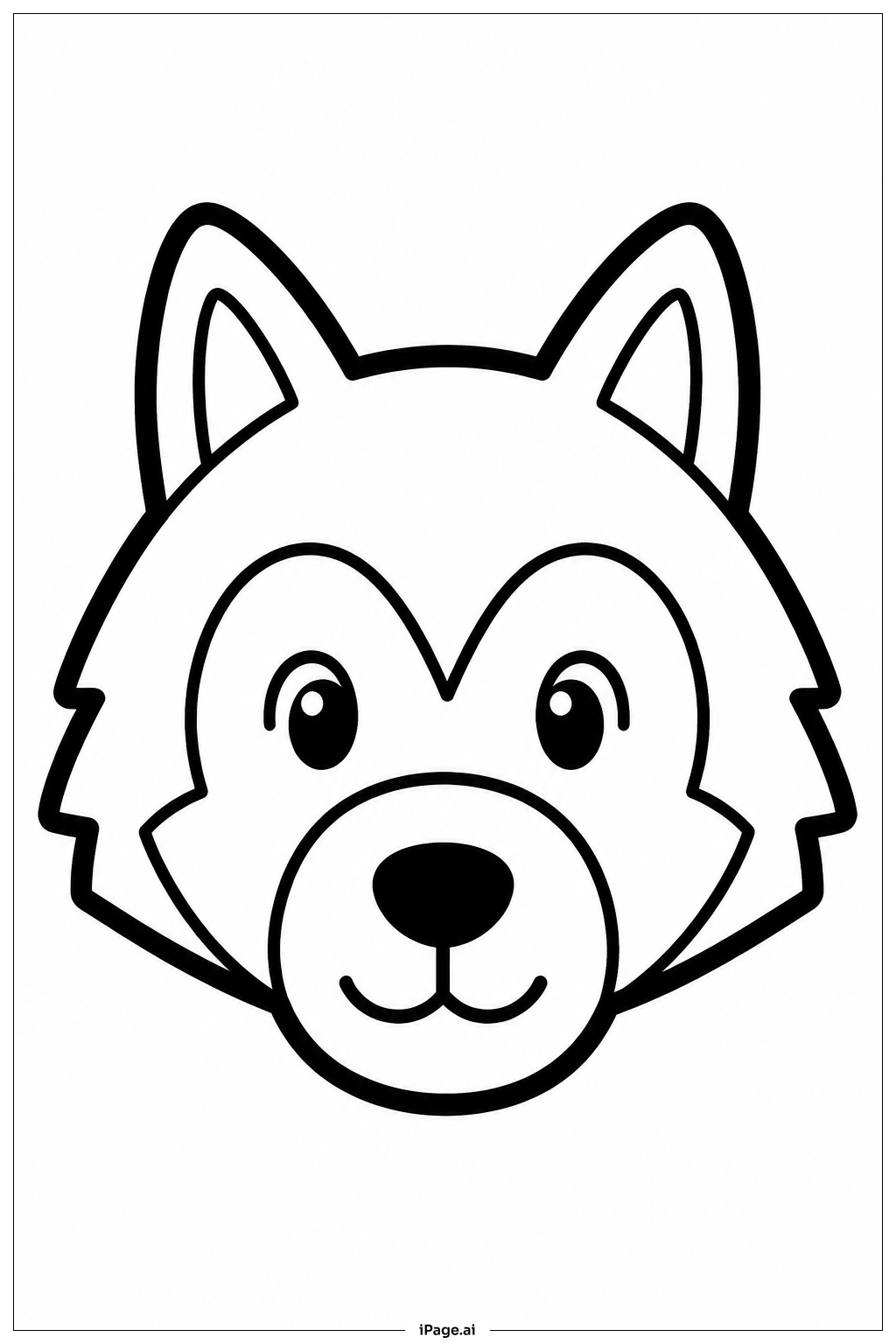
Coloring tips: How to color Wolf Face Closeup coloring page well?
Start with the eyes. Use bright amber, golden yellow, or pale green to make them stand out. Add a dark ring around the iris and a small white highlight to bring them to life. For the fur, wolves usually have a mix of colors. Try layering light gray, warm brown, and cream together. Use darker shades like charcoal or deep brown along the edges and around the muzzle to add depth. The nose can be colored dark gray or black with a tiny white shine spot. The inner ears often have a pinkish tone, so light pink or rose works well there. Use short, directional strokes to follow the flow of the fur. This helps the coat look natural and realistic. For a wilder or more dramatic look, try adding hints of rust or tan in the fur. Kids can also try a fantasy wolf with blue or purple tones for a fun twist. Take your time with this one. The more layers you add, the more the wolf will come alive on the page.
Coloring challenges: Which parts are difficult to color and need attention for Wolf Face Closeup coloring page?
• Fur Texture and Layering: One of the biggest challenges in this image is capturing the look of real wolf fur. The fur flows in many directions and has multiple layers. To make it look natural, you need to use short, overlapping strokes that follow the direction of growth. Blending two or three shades together takes patience and practice, especially for younger colorists.\n\n• Eye Detail and Realism: The wolf's eyes are a focal point of this image. Getting them right requires careful work with small areas. You need to layer colors from light to dark, leave a small highlight uncolored, and blend smoothly around the iris. This level of detail can be tricky without fine-tipped markers or sharp colored pencils.\n\n• Depth and Shadow in the Face: A closeup portrait like this relies heavily on shading to look three-dimensional. Areas under the chin, around the muzzle, and near the ears need darker tones to create shadow. Without proper shading, the face can look flat. Understanding where light hits and where shadows fall is a skill that takes time to develop.\n\n• The Muzzle and Nose Area: The area around the snout has many fine lines and subtle value changes. The nose itself needs careful attention to show its rounded shape, and the fur around the mouth has short, dense strands that can be hard to fill in cleanly without going outside the lines.\n\n• Blending Light and Dark Tones: Achieving smooth transitions between the lighter fur on the chest and face and the darker fur on the outer edges requires confident blending. Harsh color jumps can make the image look patchy. Gradual transitions take extra effort but make a big difference in the final result.
Benefits of coloring books: Advantages of drawing Wolf Face Closeup coloring page
Coloring this wolf face closeup is a wonderful activity for both kids and Adults. It offers a wide range of benefits that go beyond just having fun. First, working through all the fine details of the fur and eyes builds strong focus and concentration. Kids learn to slow down and pay attention to small areas, which is a great mental exercise. Second, choosing colors for the fur, eyes, and nose encourages creativity and decision-making. There is no single right answer, so colorists feel free to express themselves. Third, the detailed nature of this image helps improve fine motor skills and hand control. Carefully filling in small sections and staying within the lines strengthens the muscles used for writing and drawing. Fourth, completing a complex image like this gives a real sense of achievement. Finishing it brings pride and boosts self-confidence. Fifth, the calming, repetitive motion of coloring helps reduce stress and anxiety. It works like a gentle mindfulness exercise, allowing the mind to relax and reset. This makes the wolf coloring page a great choice for winding down after a busy day. Whether you are a beginner or an experienced colorist, this image offers a rewarding and enriching creative experience.