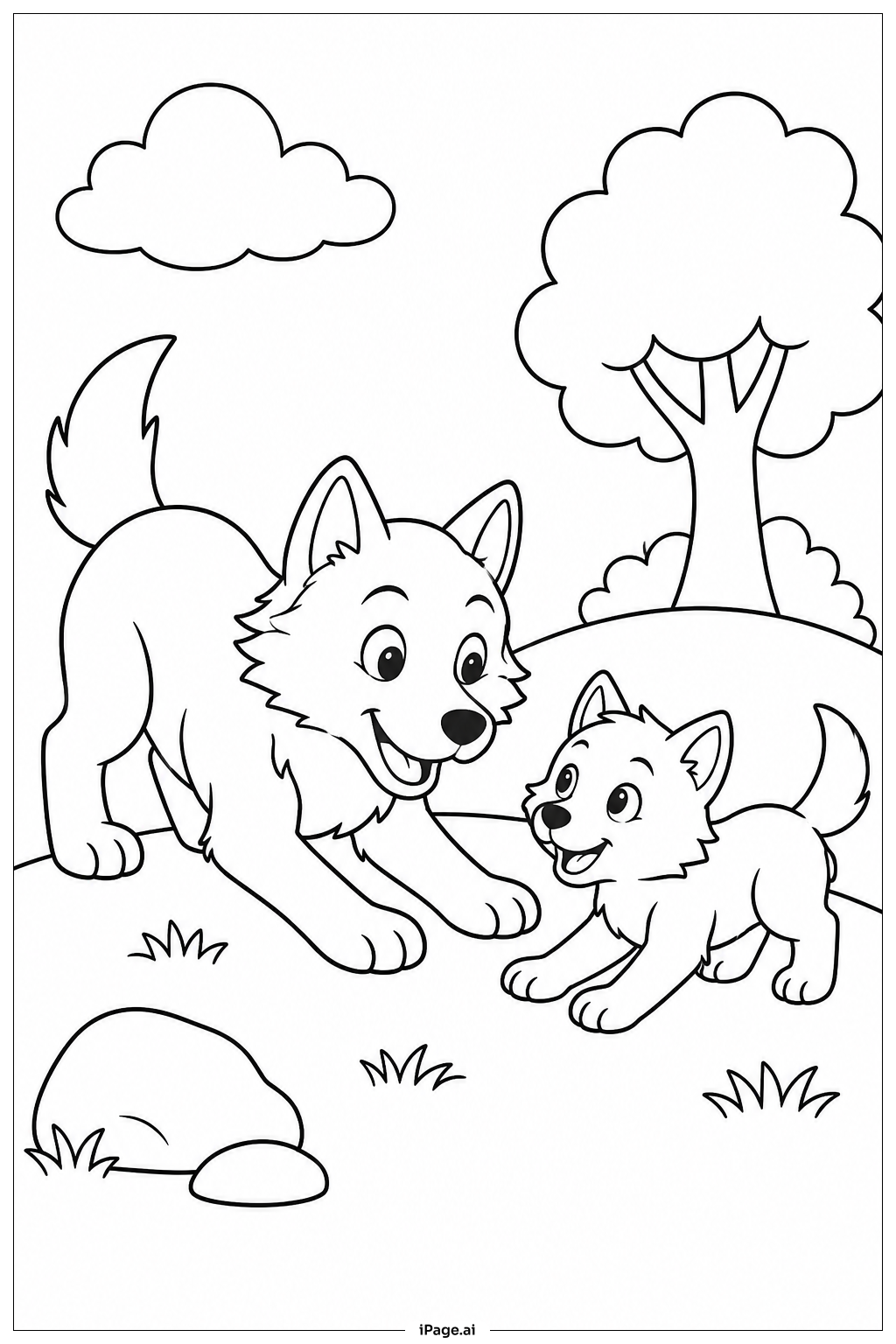
Coloring tips: How to color Wolf And Cub Playing coloring page well?
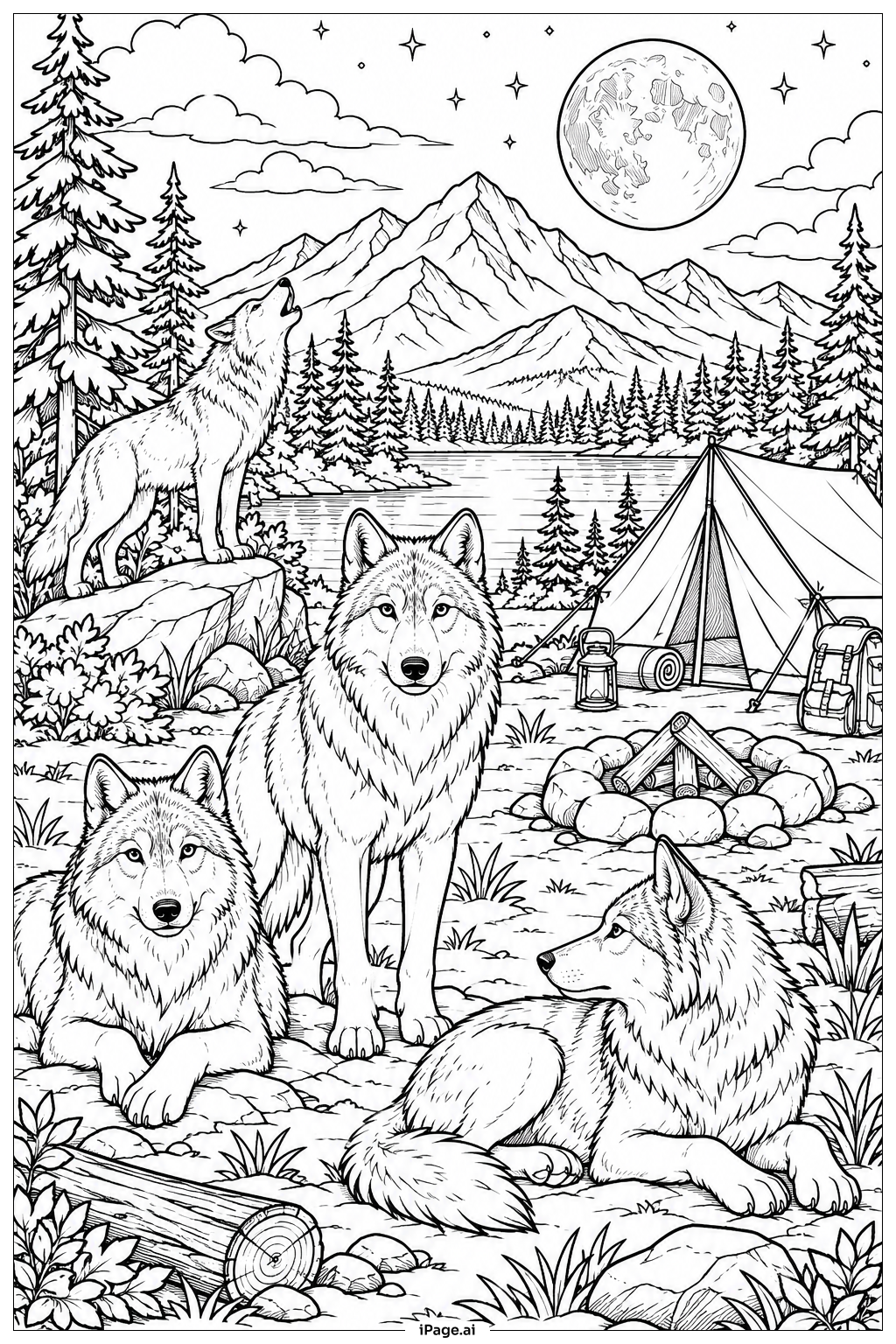
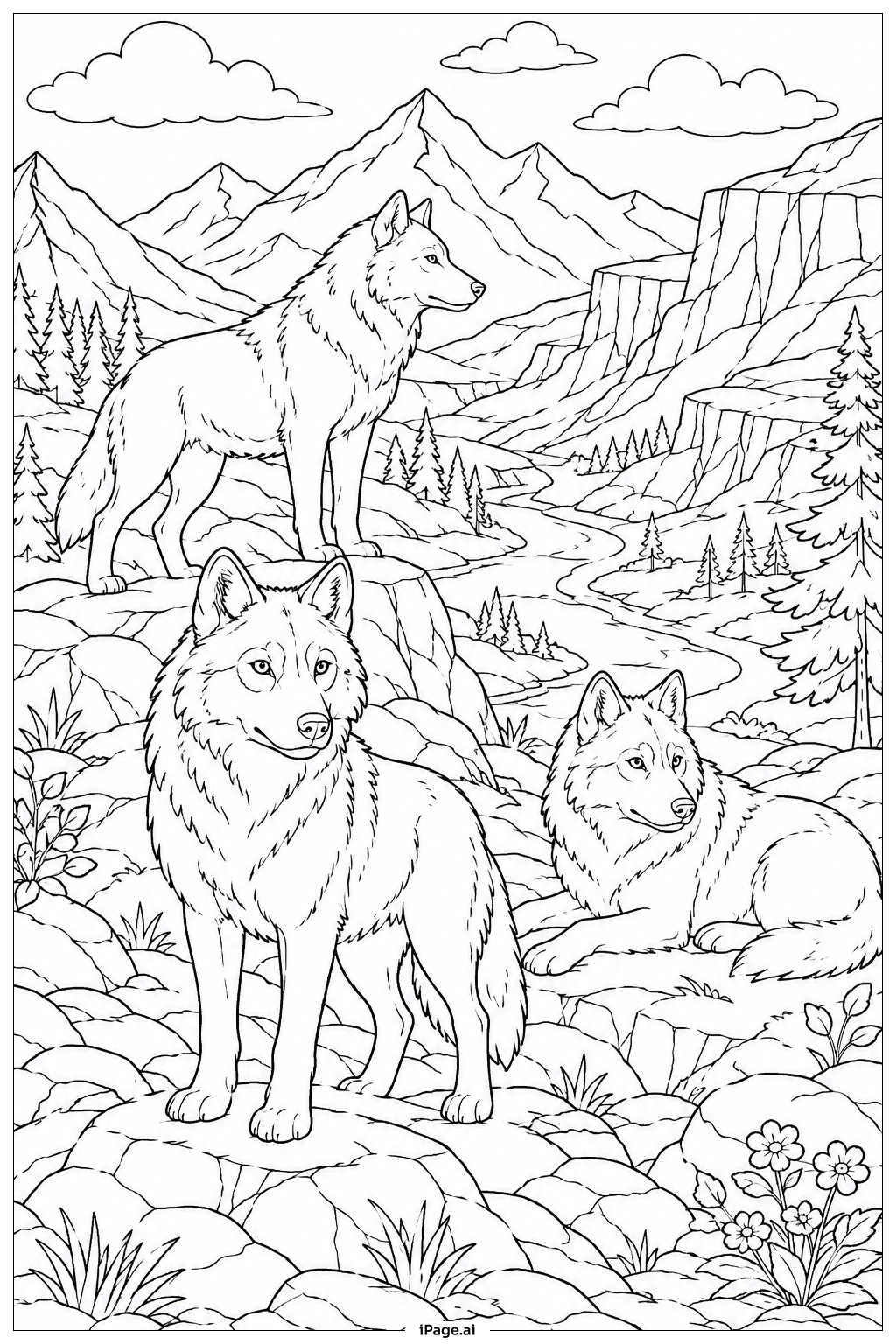
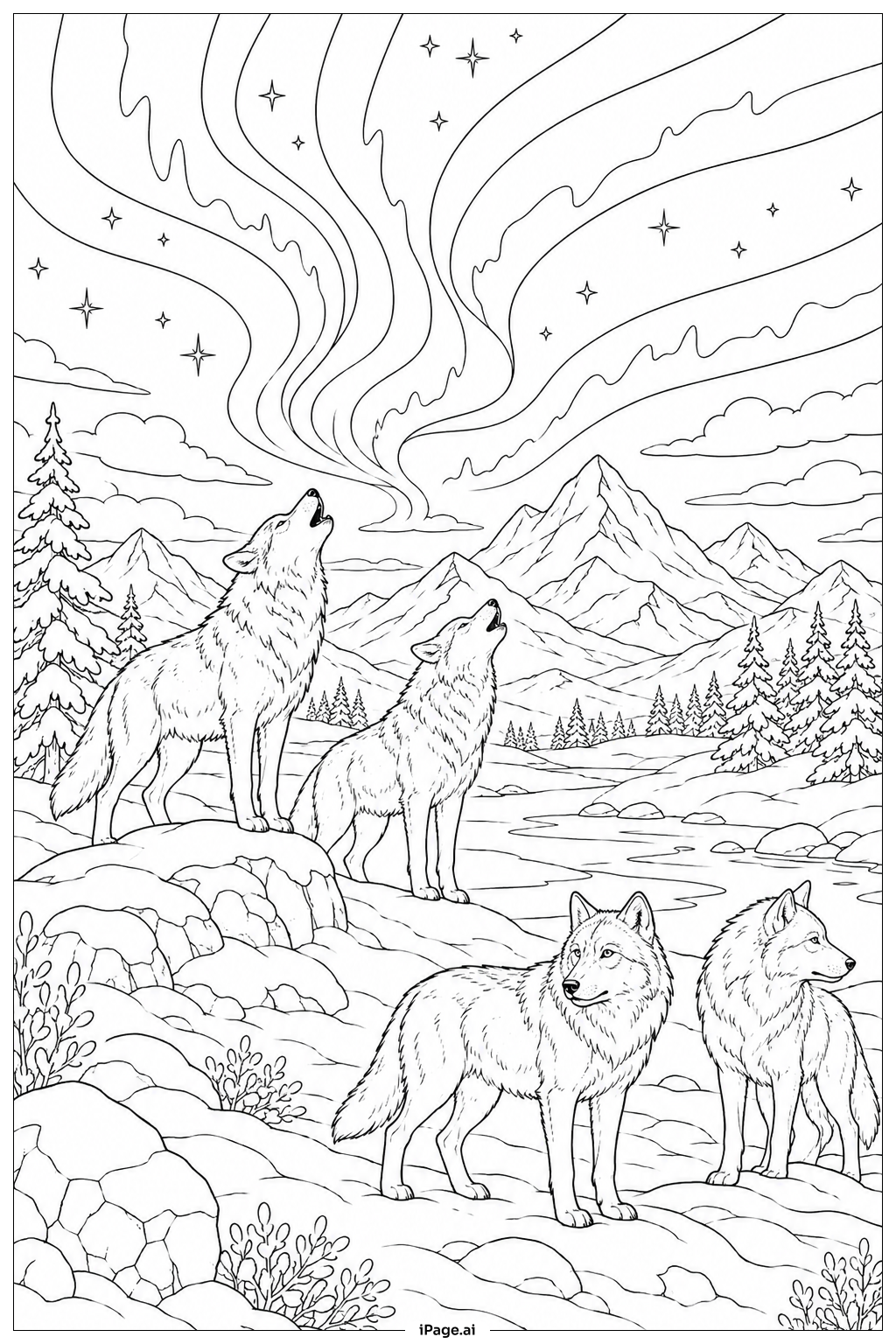
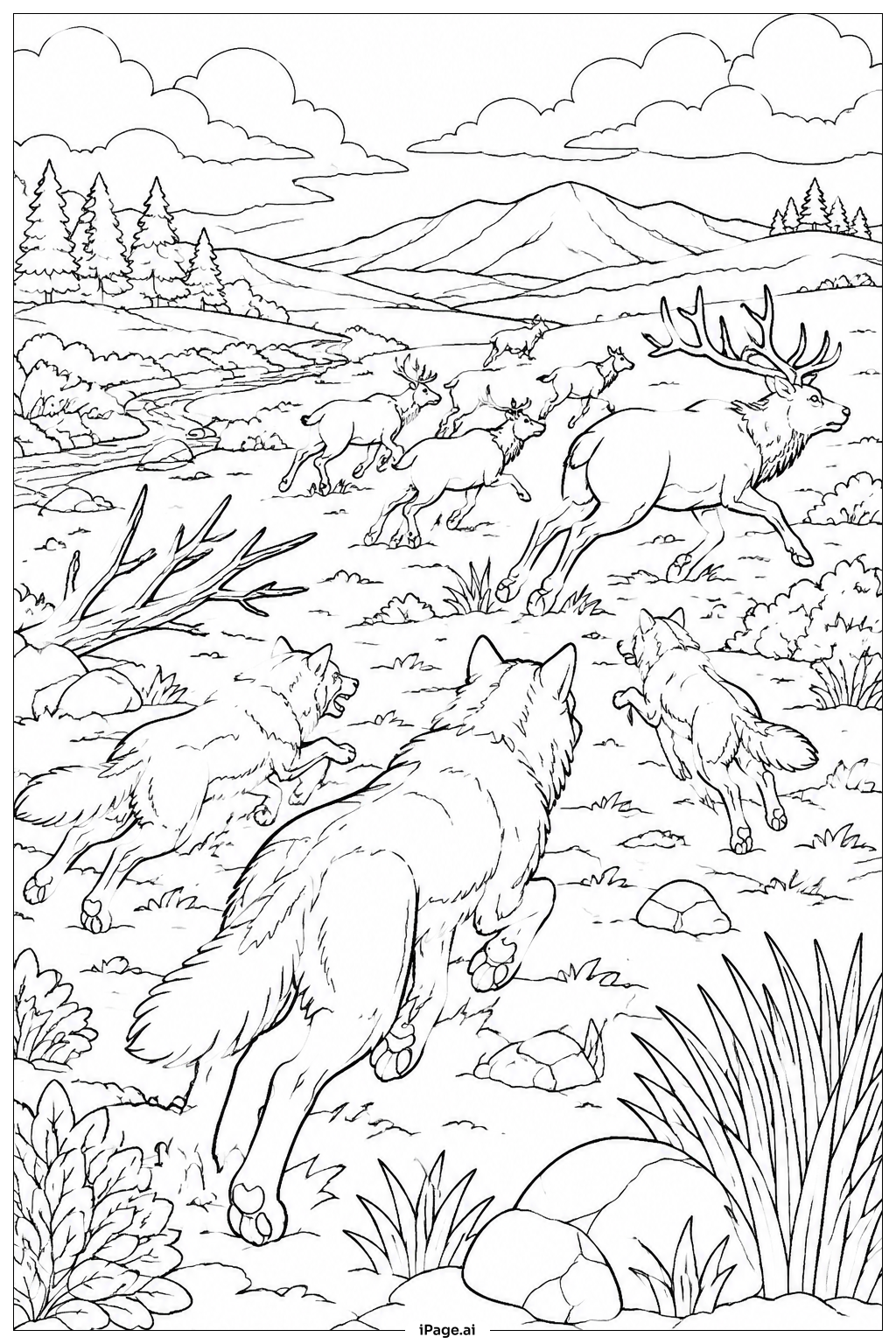
Start with the adult wolf's fur using shades of gray, silver, and white. Add darker tones like charcoal or deep brown along the back and sides to show depth. Use lighter shades on the chest and belly. For the wolf cub, try a warmer mix of tan, light brown, and cream to make it look soft and fluffy. Color the eyes amber or golden yellow to give both wolves a lively, wild look. Use green and brown tones for the grass and ground. Add dark brown or gray for any rocks or logs nearby. Keep your strokes following the direction of the fur to make it look natural and realistic.
Coloring challenges: Which parts are difficult to color and need attention for Wolf And Cub Playing coloring page?
• Fur Texture and Layering: The wolves' thick, multi-layered fur is one of the hardest parts to color. You need to use several shades of the same color and blend them smoothly. Short, overlapping strokes in the direction the fur grows will help create a natural, fluffy look. Without careful blending, the fur can look flat or stiff.
• Size and Shading Contrast: The adult wolf is much larger than the cub. Keeping the right size difference while also adding shading to both figures takes patience. The adult wolf needs deeper, bolder shadows to show its bulk, while the cub needs softer, lighter tones to look small and gentle. Mixing these two styles on the same page can be tricky.
• Facial Details and Expressions: Both wolves have detailed faces with expressive eyes, snouts, and ears. The eyes especially need careful coloring — using a bright amber or yellow center with a dark outline brings them to life. Tiny details like the nose tip and inner ear require a fine tool and a steady hand.
• Background Elements: The ground cover of grass, rocks, and leaves adds depth to the scene but can distract from the main figures if colored too boldly. Using muted, earthy tones for the background while keeping the wolves as the focus requires good color judgment and restraint.
• Playful Motion Effect: The cub's active, bouncy pose suggests movement. Choosing colors that highlight energy — slightly brighter tones on the cub's raised paws or tilted body — can help bring that playful feeling to life without overcrowding the image.
Benefits of coloring books: Advantages of drawing Wolf And Cub Playing coloring page
Coloring this image of a wolf and cub playing together offers a wonderful mix of creative and personal benefits for kids and adults alike. Working through the wolf's detailed fur builds patience and fine motor skills, as careful strokes and blending take focus and steady hands. This kind of focused activity is a great way to practice concentration and attention to detail. The warm, playful scene between parent and child also encourages emotional connection — it reminds colorists of care, family bonds, and the joy of play. For younger children, identifying different shades of gray, brown, and green builds color recognition and artistic confidence. Older kids and adults can explore shading and texture techniques, turning the page into a mini art project. Spending time on a nature-themed image like this also sparks curiosity about wildlife and the natural world. Overall, this coloring page is a calming, rewarding activity that blends creativity, learning, and a touch of wild beauty.