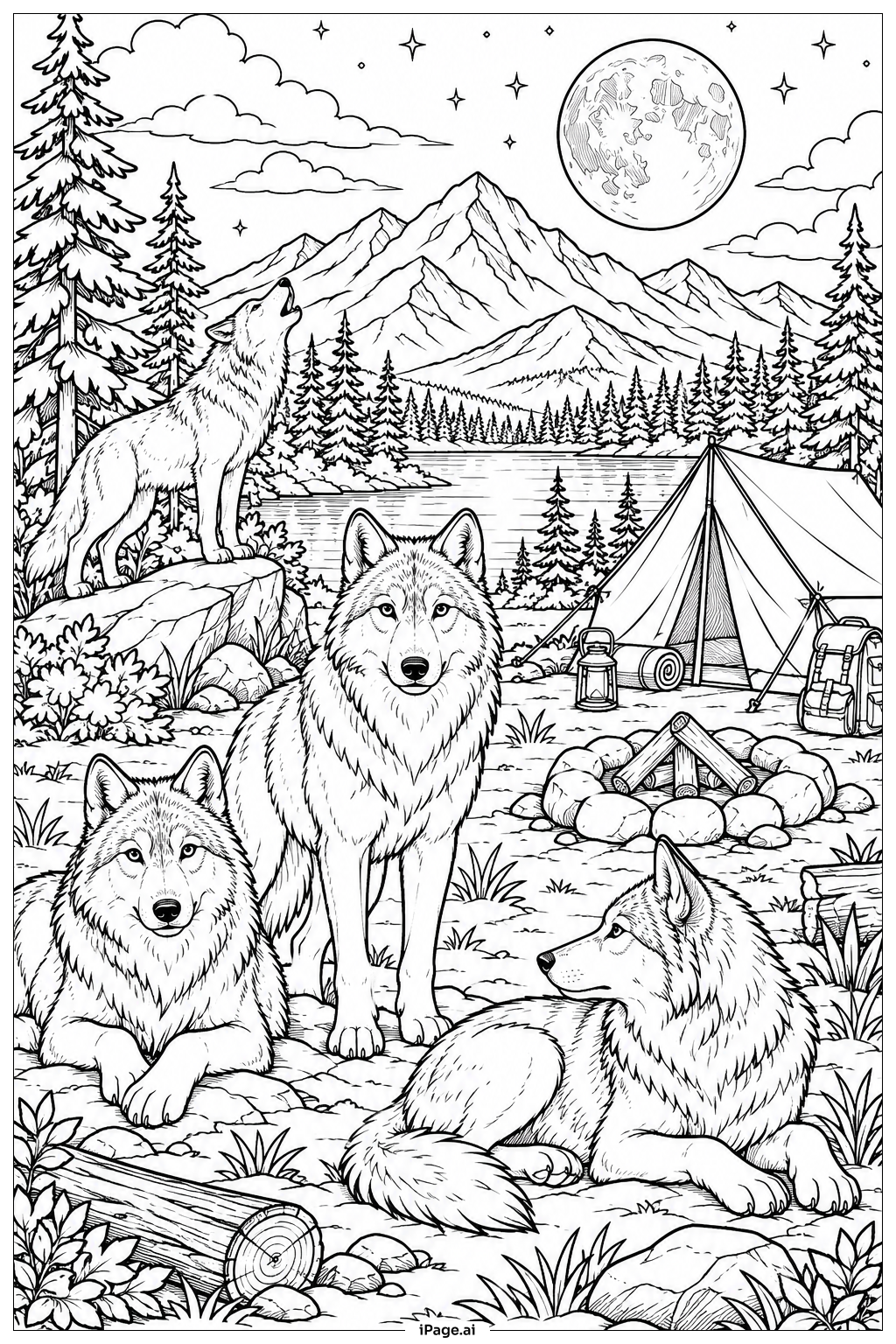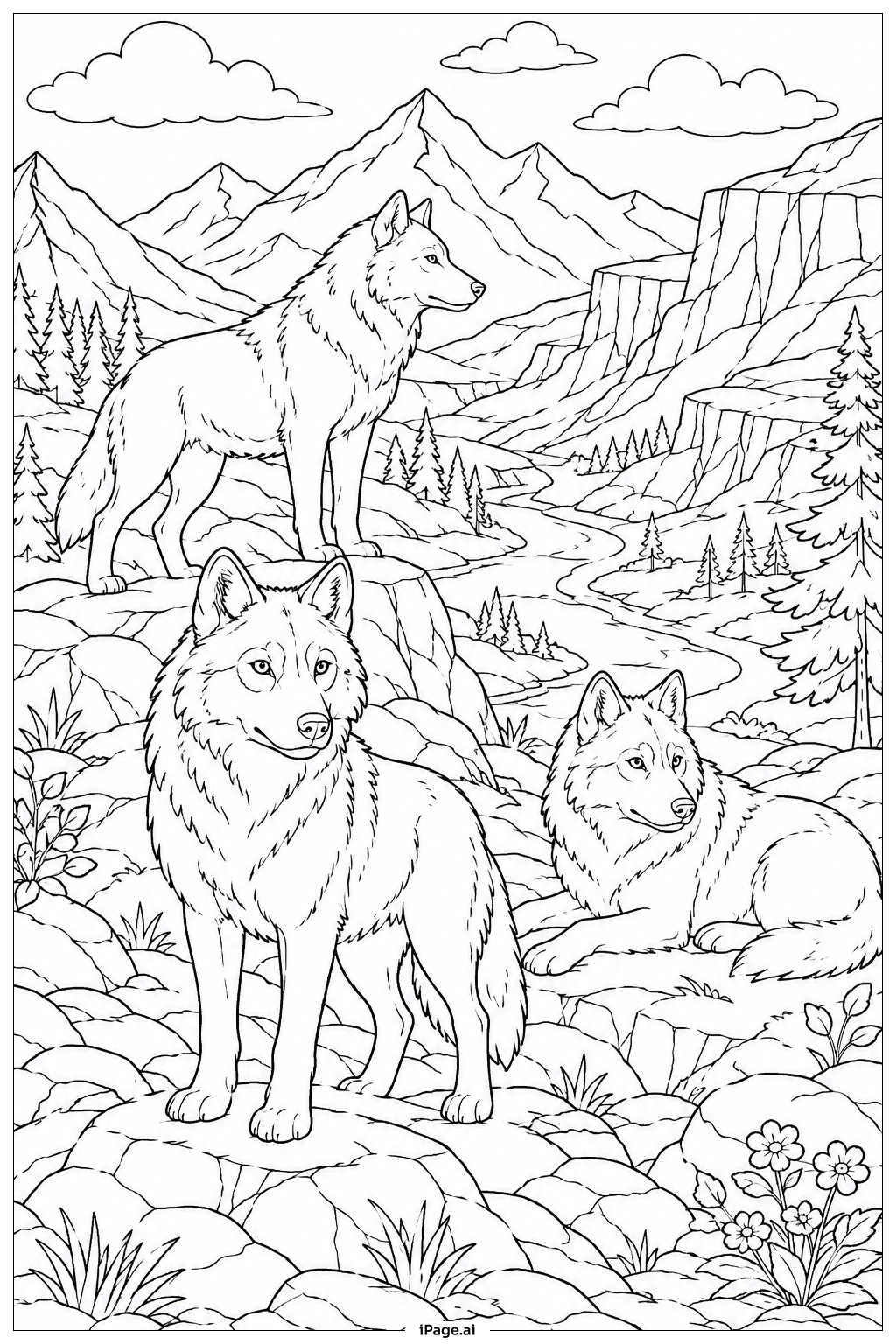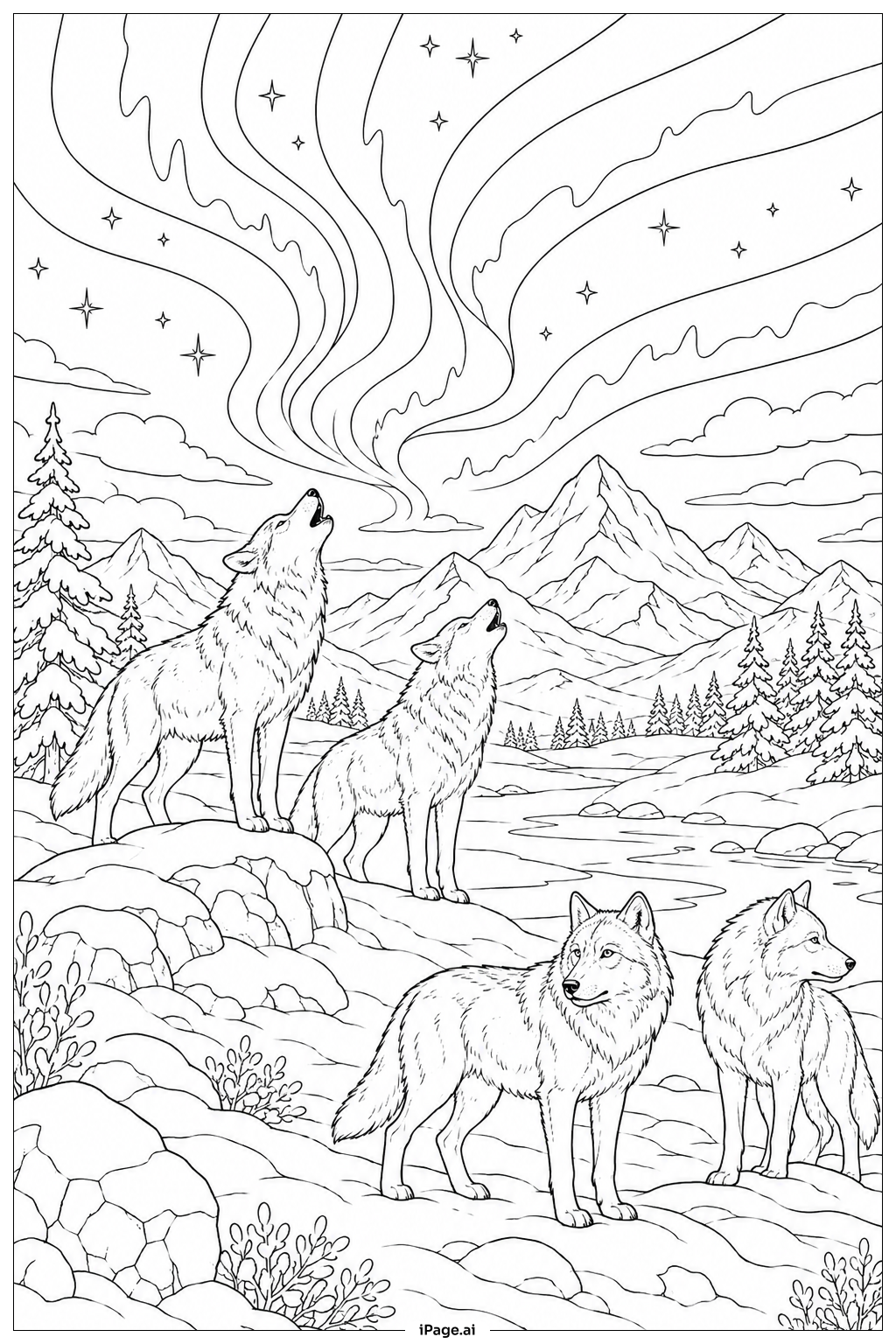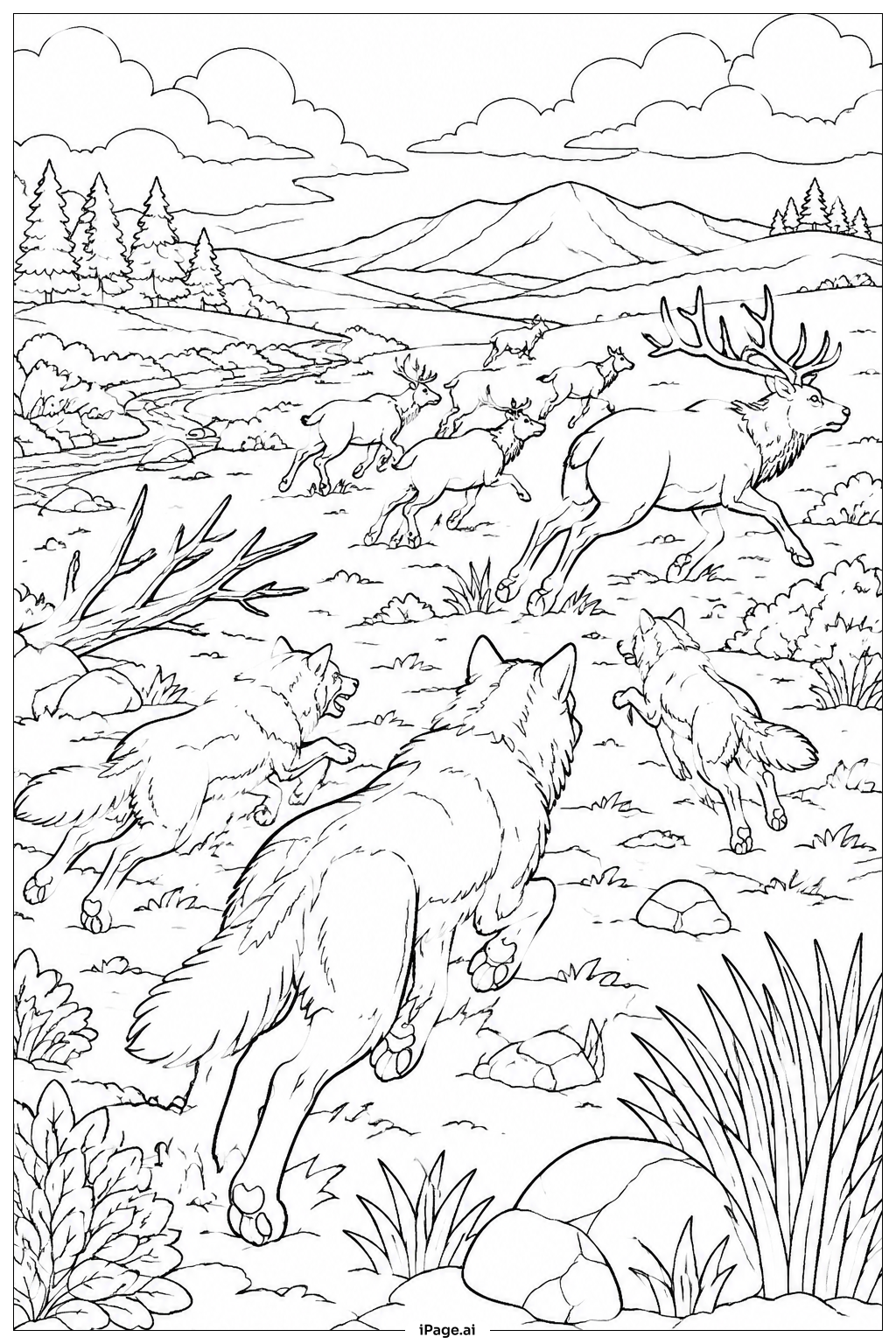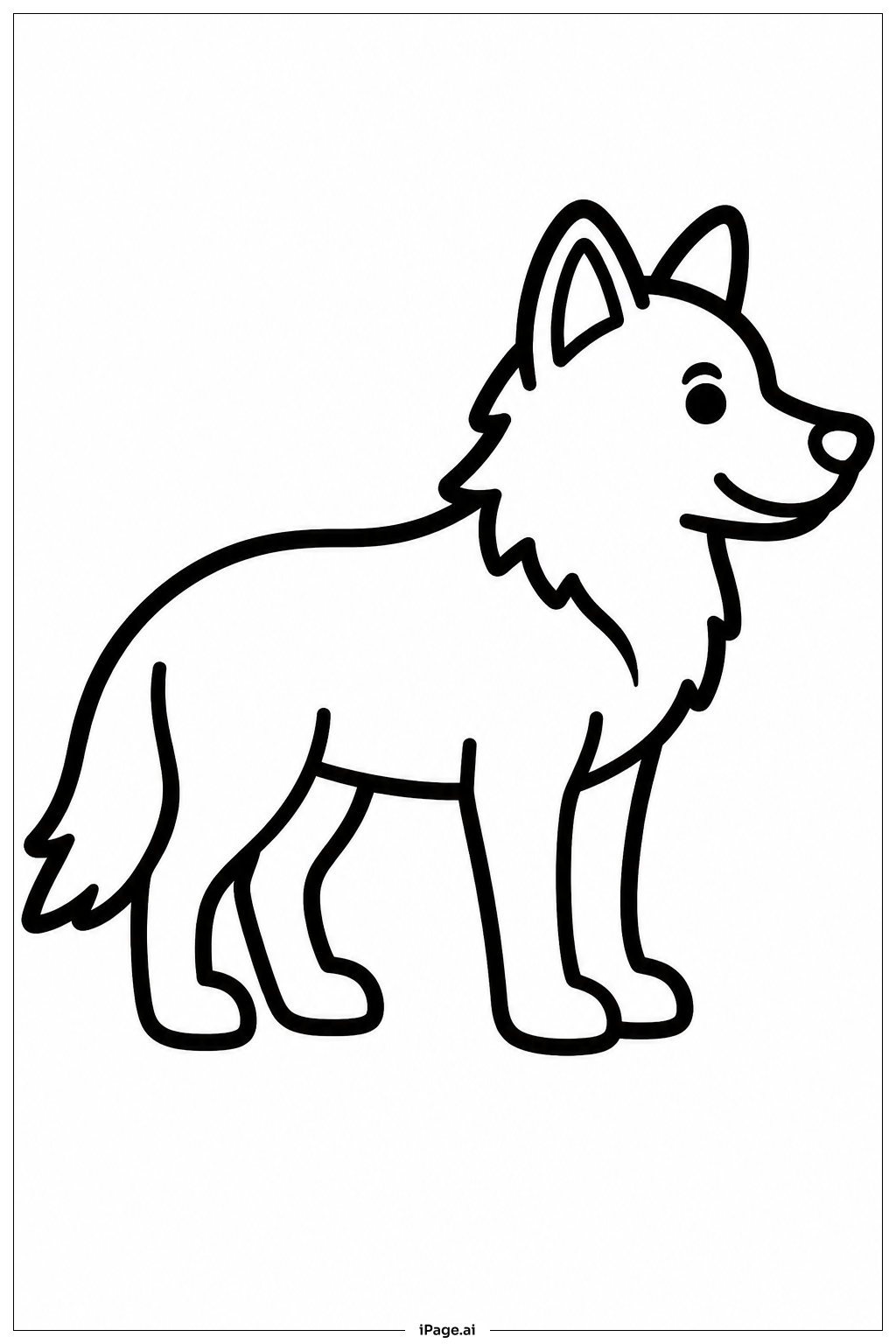
Coloring tips: How to color Standing Wolf Sideview coloring page well?
Start by choosing a base color for the wolf's fur. Real wolves come in many shades — gray, brown, tan, black, or even white. Pick your favorite! Use a light gray or tan as your main base color, then layer a darker shade on the back, top of the head, and tail to create depth. Leave the belly, chest, and muzzle area lighter to show the wolf's softer underside. Add a touch of warm brown or rust to the legs and face for a natural look. Use a very light color or white for the throat and inner ears. Color the eyes in amber, golden yellow, or bright green to make them pop. For a fun twist, try a fantasy color scheme — purple fur with blue highlights, or a silver wolf glowing under moonlight. Color the background with a forest, snowy hills, or a night sky to bring the scene to life. Take your time with the fur details and enjoy every stroke!
Coloring challenges: Which parts are difficult to color and need attention for Standing Wolf Sideview coloring page?
• Fur Texture and Layering: The wolf's coat is covered in fine, overlapping lines that represent individual fur strands. Coloring these evenly without making the surface look flat is tricky. You need to apply colors in the direction the fur flows, using light strokes and gradually building up darker tones on top of lighter base layers. Blending two or more shades together helps create a realistic, three-dimensional fur effect.
• Shading on the Body Contours: Because the wolf is shown in a full sideview, the body has curved surfaces that require careful shading. The back and spine area should be darkest, while the sides and belly fade to lighter tones. Getting this gradual transition right takes patience and a steady hand, especially for younger colorists who may not be used to working with gradients.
• Small Facial Details: The face includes fine features like the eyes, nose tip, and the inner ear. These small areas need precision. Using a sharp colored pencil or a fine-tipped marker is recommended to stay within the lines and add detail without muddying the surrounding areas.
• Tail Shape and Volume: The long, bushy tail has many layered fur lines that radiate outward. Coloring each section consistently while maintaining the tail's rounded, full shape can be challenging. Varying the pressure of your strokes helps suggest volume and softness.
• Maintaining Color Consistency: Keeping the same tones consistent across the entire body — from head to tail — without the colors looking patchy or mismatched is one of the biggest overall challenges of this image, especially for beginners.
Benefits of coloring books: Advantages of drawing Standing Wolf Sideview coloring page
Coloring this Standing Wolf Sideview page offers a wonderful mix of fun and learning for kids and young artists. Here are some great reasons to pick up your colors and get started!
First, it helps build focus and concentration. The wolf's detailed fur and body lines encourage you to slow down, pay attention, and work carefully — skills that are useful in school and everyday life.
Second, it sparks creativity. Choosing colors, deciding where to add shadows, and even imagining a background scene all push your imagination to grow. There is no single right answer — your wolf can look however you dream it up!
Third, it improves fine motor skills. Staying within the lines, blending colors, and handling pencils or markers with control all strengthen the small muscles in your hands and fingers. This helps with handwriting and other detailed tasks.
Fourth, coloring is a great way to relax. It is calm, quiet, and satisfying. Focusing on filling in a beautiful image can ease stress and help you feel more settled and happy.
Finally, learning about wolf anatomy through art builds a natural curiosity about wildlife and nature. This page is not just fun — it is a small step toward appreciating the amazing animals that share our world.