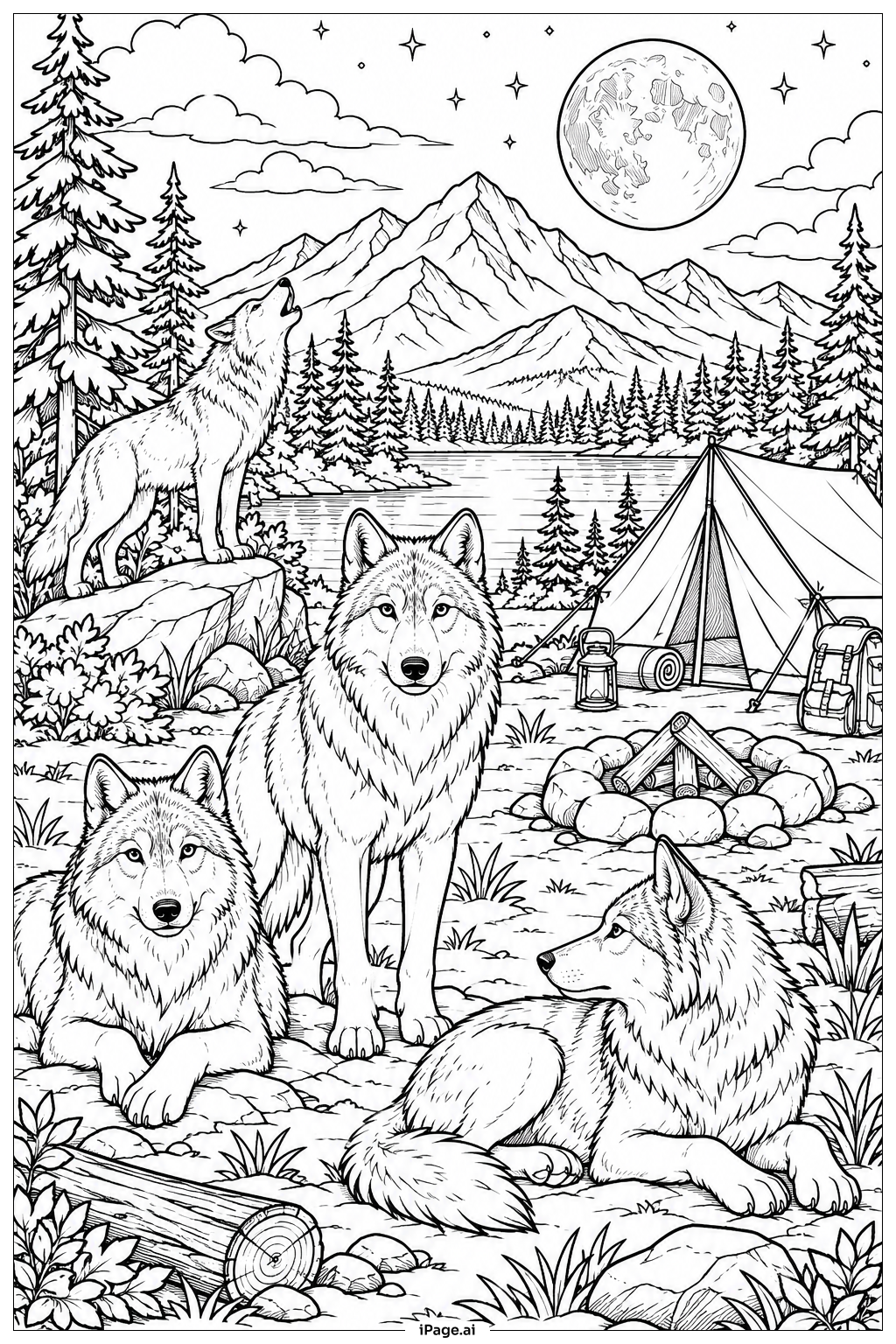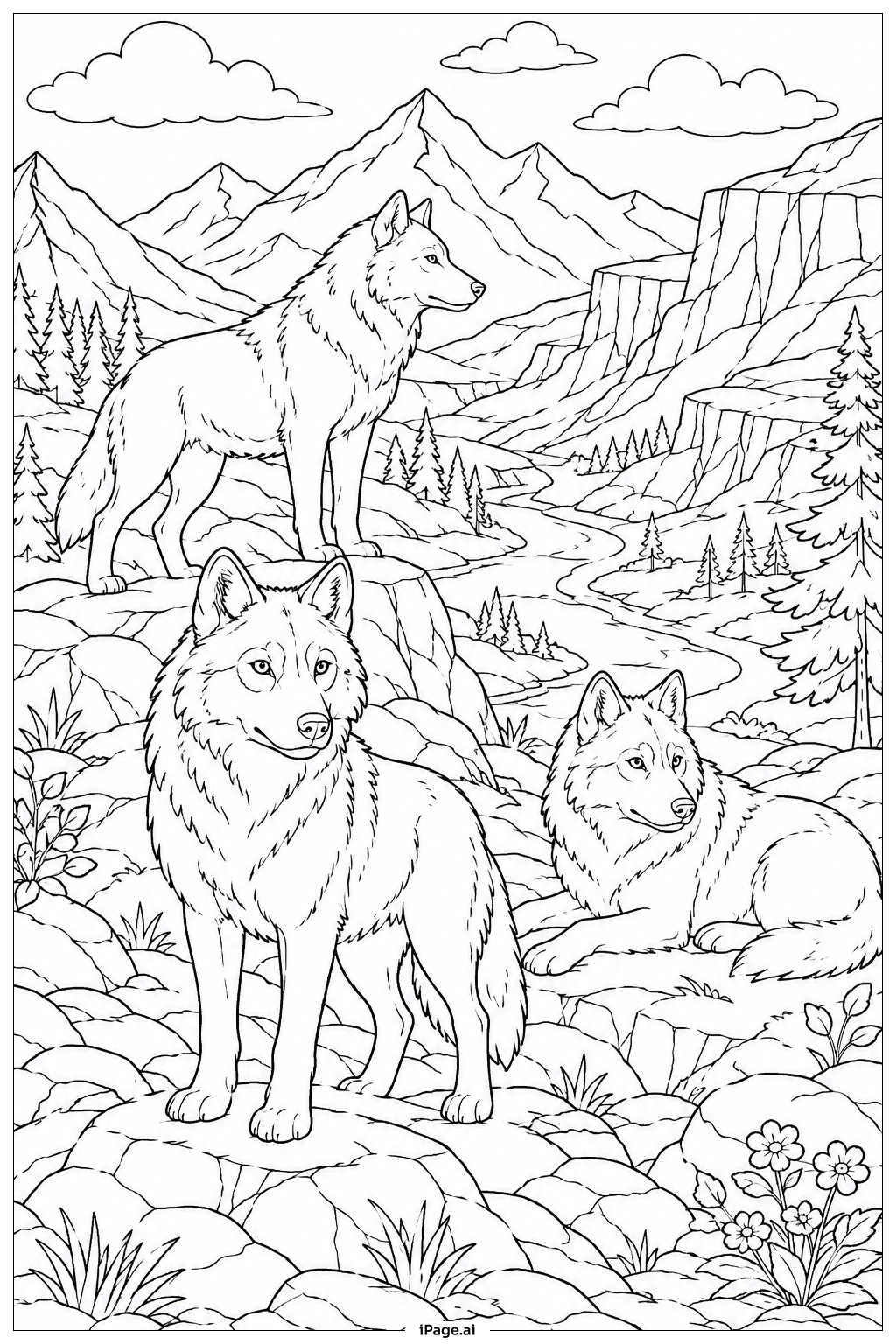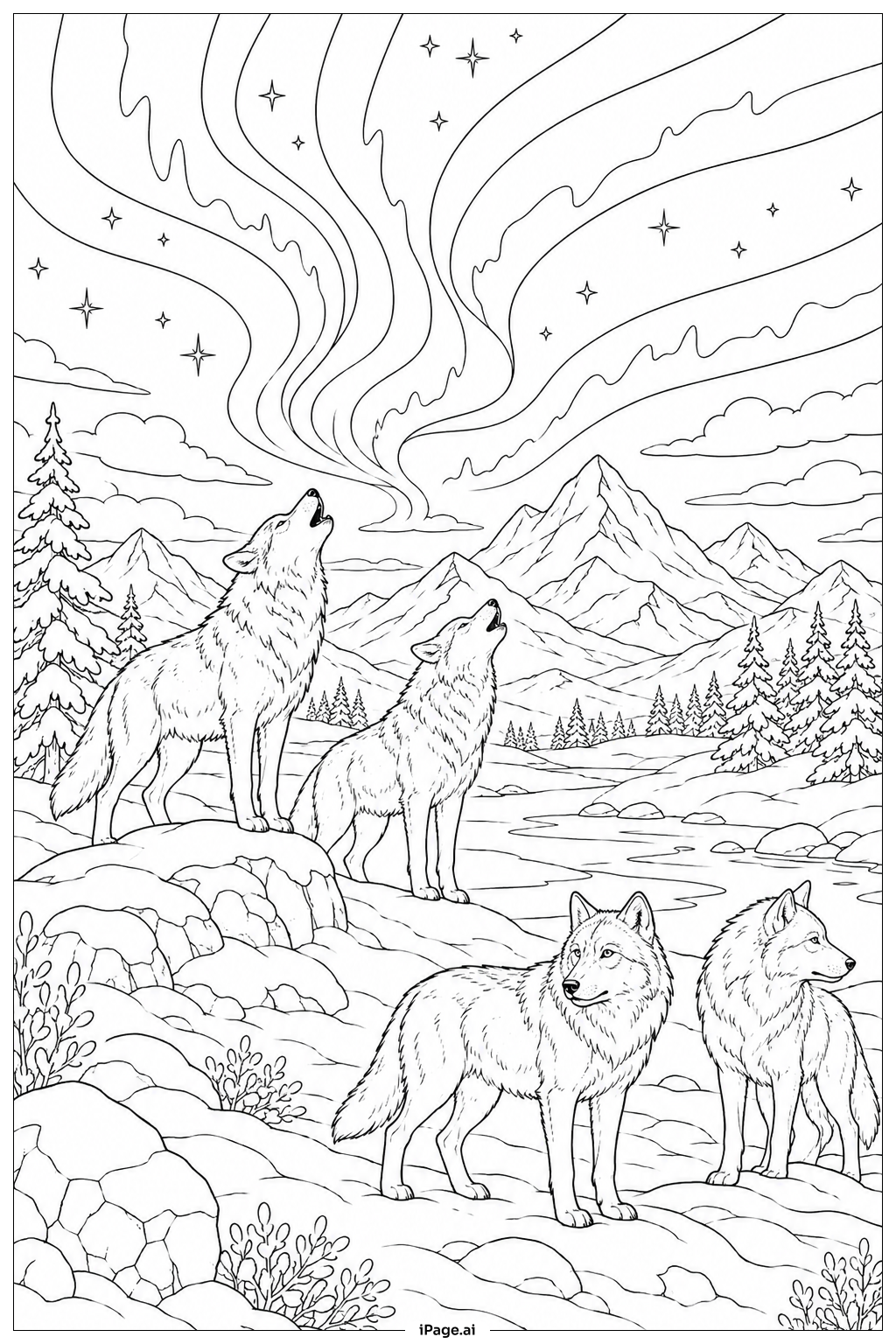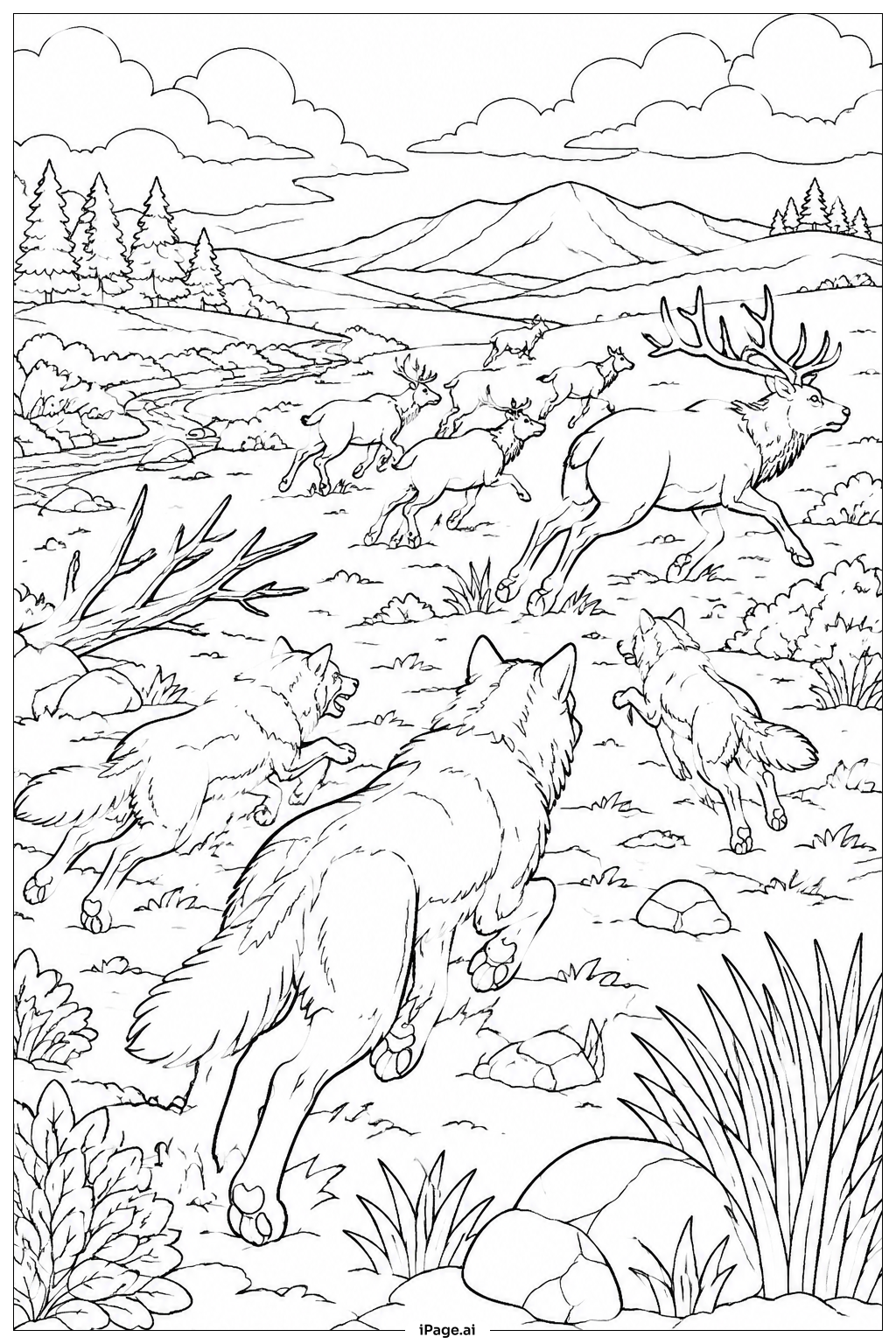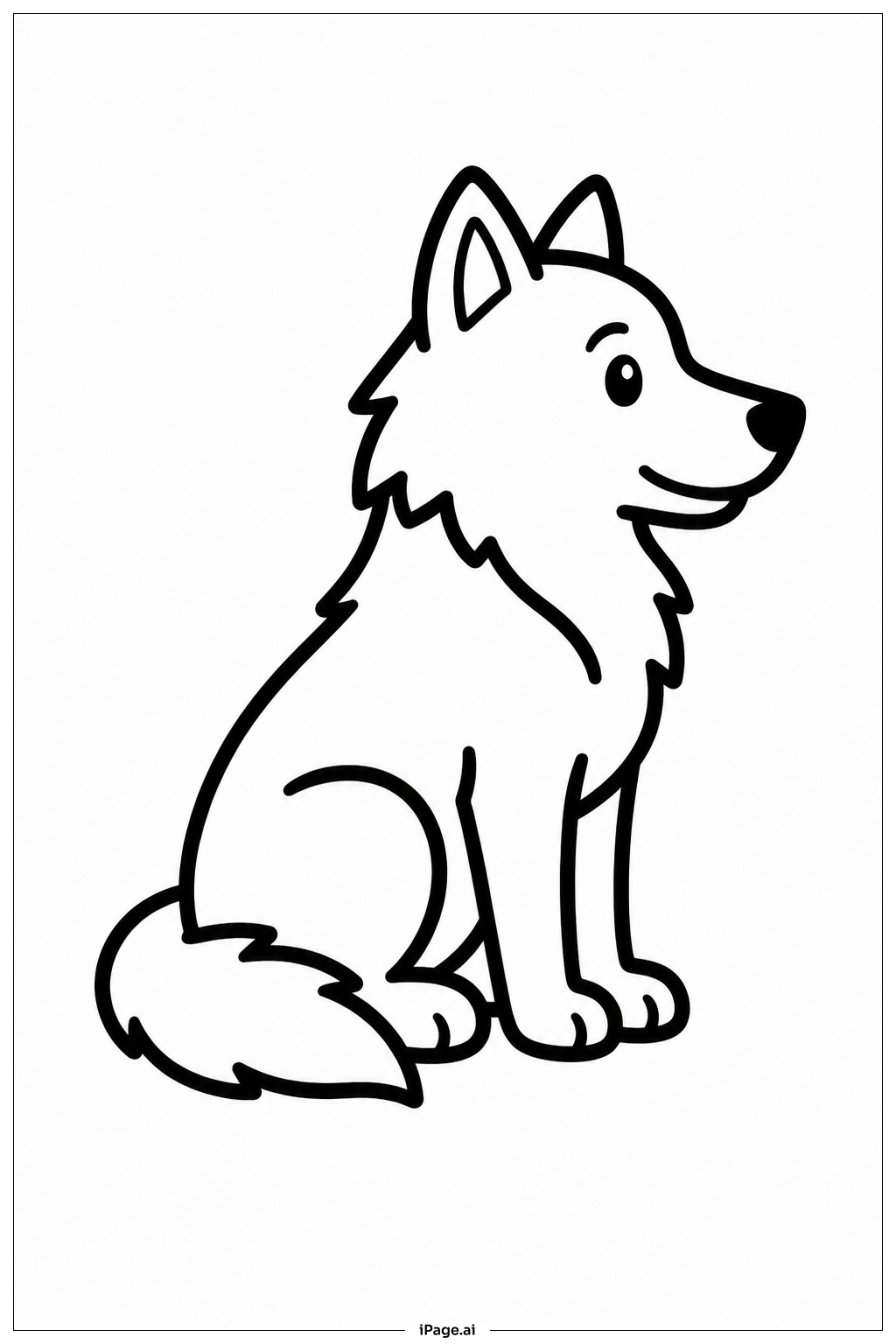
Coloring tips: How to color Sitting Wolf Profile coloring page well?
Start with the lightest areas of the wolf's fur, such as the chest and underbelly. Use light gray or cream for these soft zones. Then move to the mid-tones on the body, using medium gray or warm brown to build depth. Darken the outer edges of the back, shoulders, and top of the head with deep gray or dark brown to create a natural shading effect. Use black sparingly for the darkest fur tips and outline areas. For the eyes, try amber, golden yellow, or light green to give them a wild, glowing look. Add a pale blue or soft white background to make the wolf stand out. Blend your colors smoothly to capture the soft yet layered texture of wolf fur. This image is great for practicing gradients and layering techniques.
Coloring challenges: Which parts are difficult to color and need attention for Sitting Wolf Profile coloring page?
• Fur Texture and Layering: The wolf's coat is made up of many overlapping strands of fur. Coloring each layer to look natural takes patience. You need to follow the direction of the fur strokes and use multiple shades of the same color family to build realistic depth. Rushing this step can make the fur look flat or unnatural.
• Smooth Color Transitions: The wolf's body shifts gradually from dark tones on the back to lighter tones on the chest and belly. Creating smooth gradients without harsh lines is a challenge, especially with colored pencils or markers. Blending tools or layering light strokes can help achieve a seamless transition.
• The Eyes: The eyes are small but carry a lot of expression. Filling them with the right color while leaving a small white highlight to create a lifelike glow requires a steady hand and careful control. Using the wrong shade can make the wolf look dull or lifeless.
• Fine Details in the Face and Ears: The muzzle, nose, and inner ear areas have fine lines and small shapes that need precise coloring. These tight spaces are difficult to fill neatly, especially for younger colorists. Thin-tipped colored pencils or fine-liner markers work best here.
• Consistent Shading Across the Body: Keeping the light source consistent throughout the entire image is tricky. If one part of the body looks lit from the left and another from the right, the finished piece will look inconsistent. Planning your light direction before starting helps keep everything looking unified.
Benefits of coloring books: Advantages of drawing Sitting Wolf Profile coloring page
Coloring this sitting wolf image offers a wide range of benefits for kids and adults alike. For younger colorists, it helps develop fine motor skills as they carefully fill in the detailed fur lines and small facial features. Staying inside the lines builds hand-eye coordination and concentration. For older kids and teens, this image is a wonderful way to practice shading, blending, and understanding how light and shadow work together to create a three-dimensional look. It encourages creative thinking as colorists choose their own color palettes. Working on a complex image like this also builds patience and a sense of accomplishment when the piece is complete. Adults can enjoy this page as a mindful, relaxing activity that reduces stress and quiets a busy mind. Focusing on colors and small details encourages a meditative state that supports mental well-being. The wolf itself is a powerful symbol of strength, loyalty, and freedom, making this a meaningful and inspiring image to bring to life with color. Whether you are just starting out or have years of experience, this coloring page offers something rewarding for every skill level.