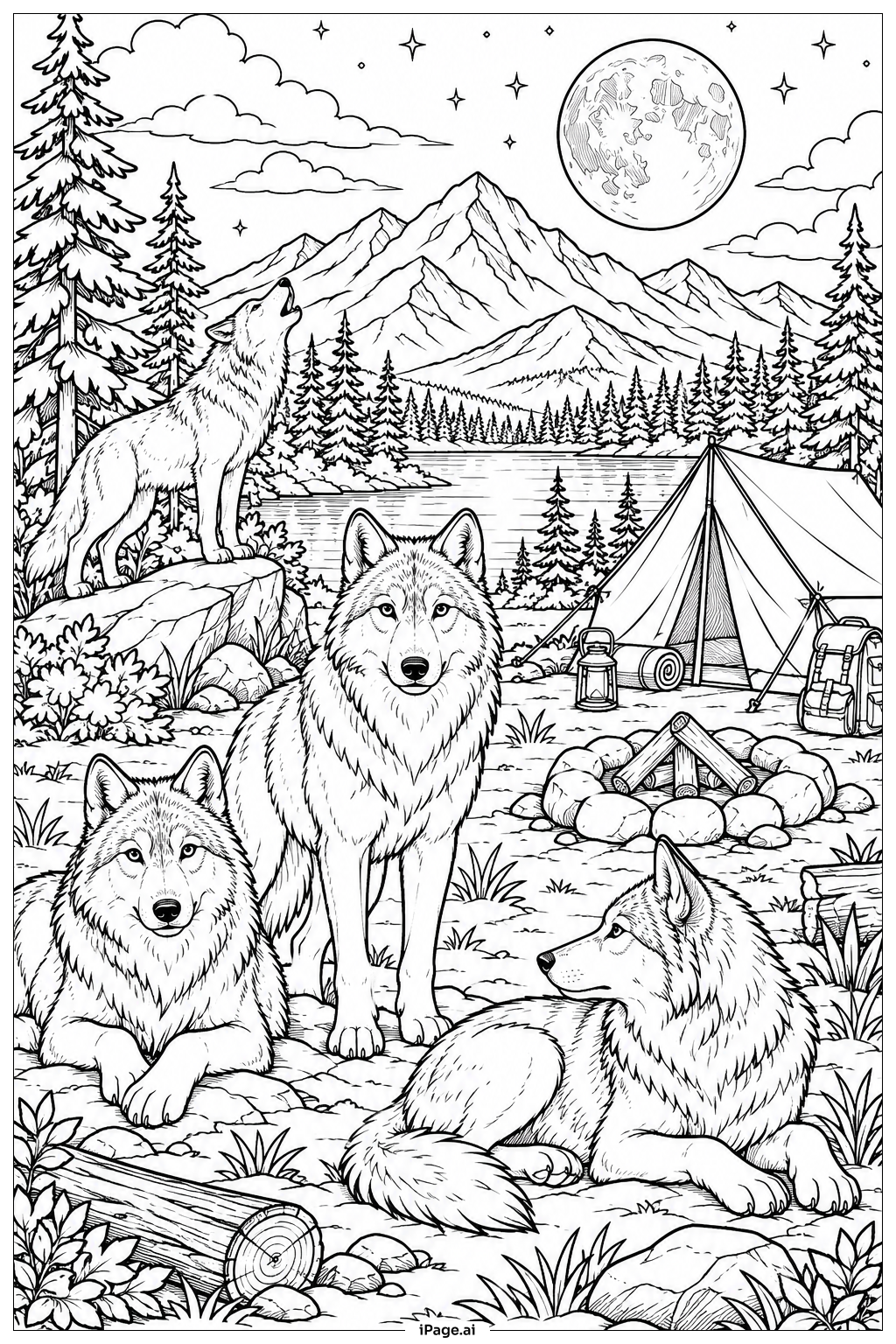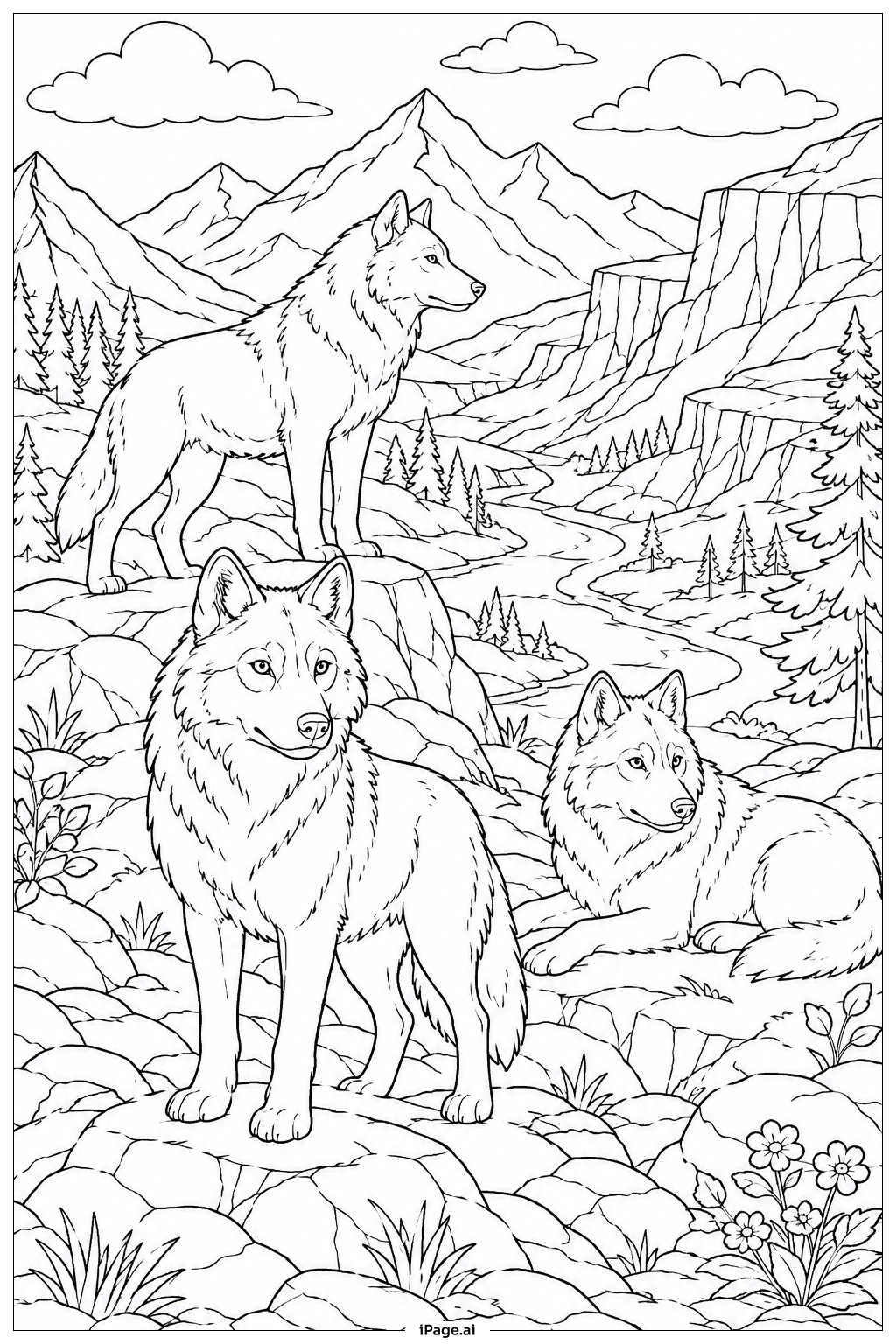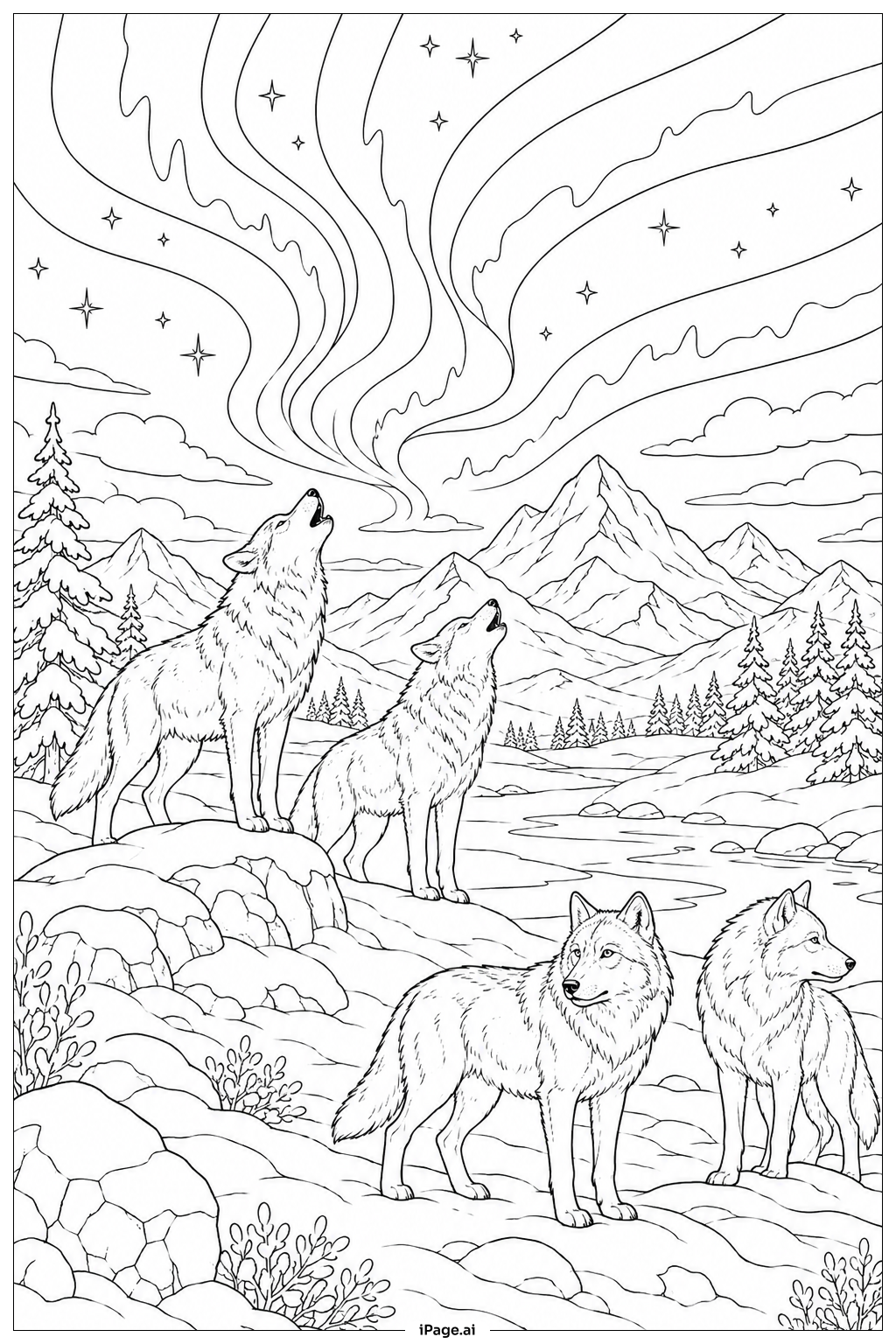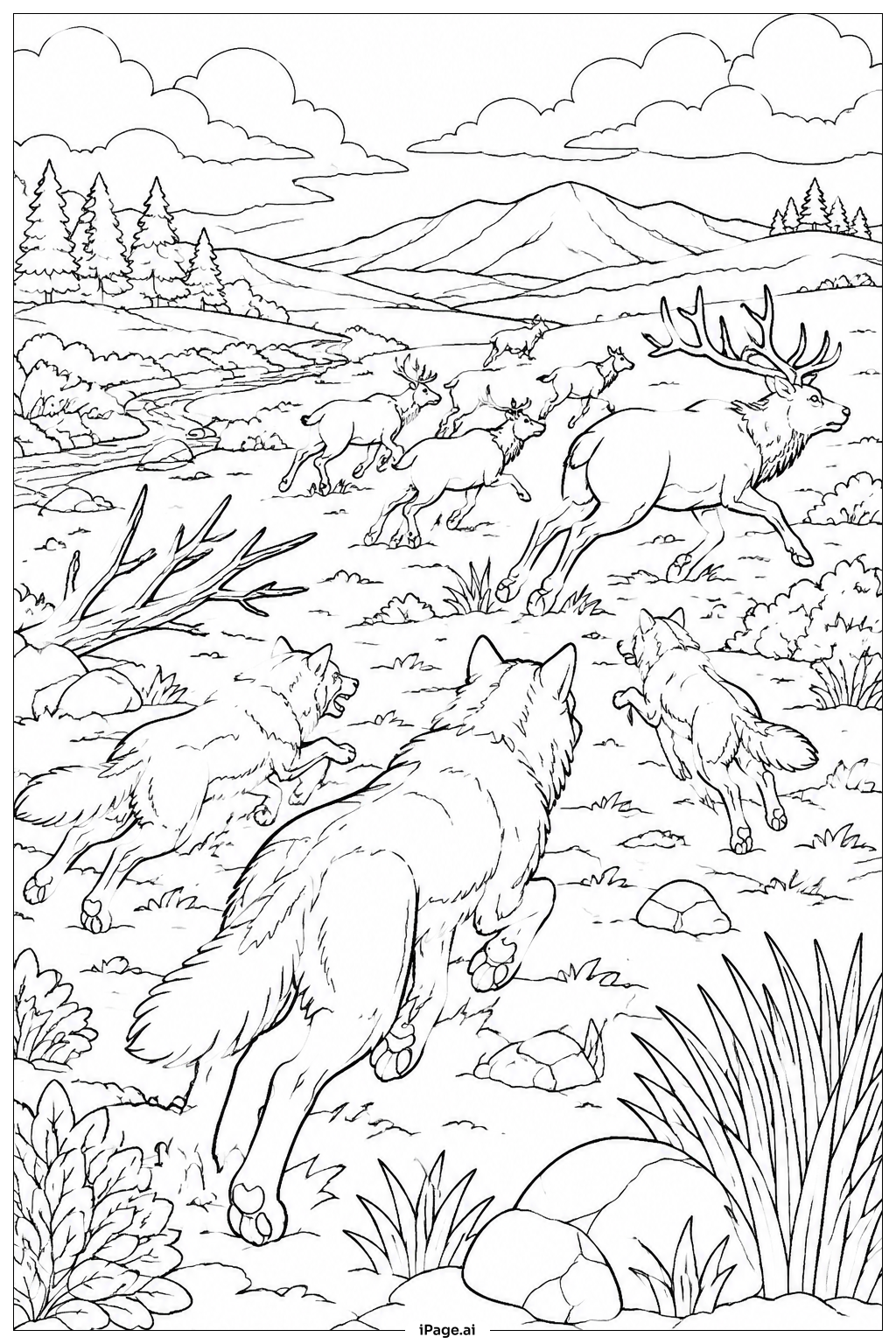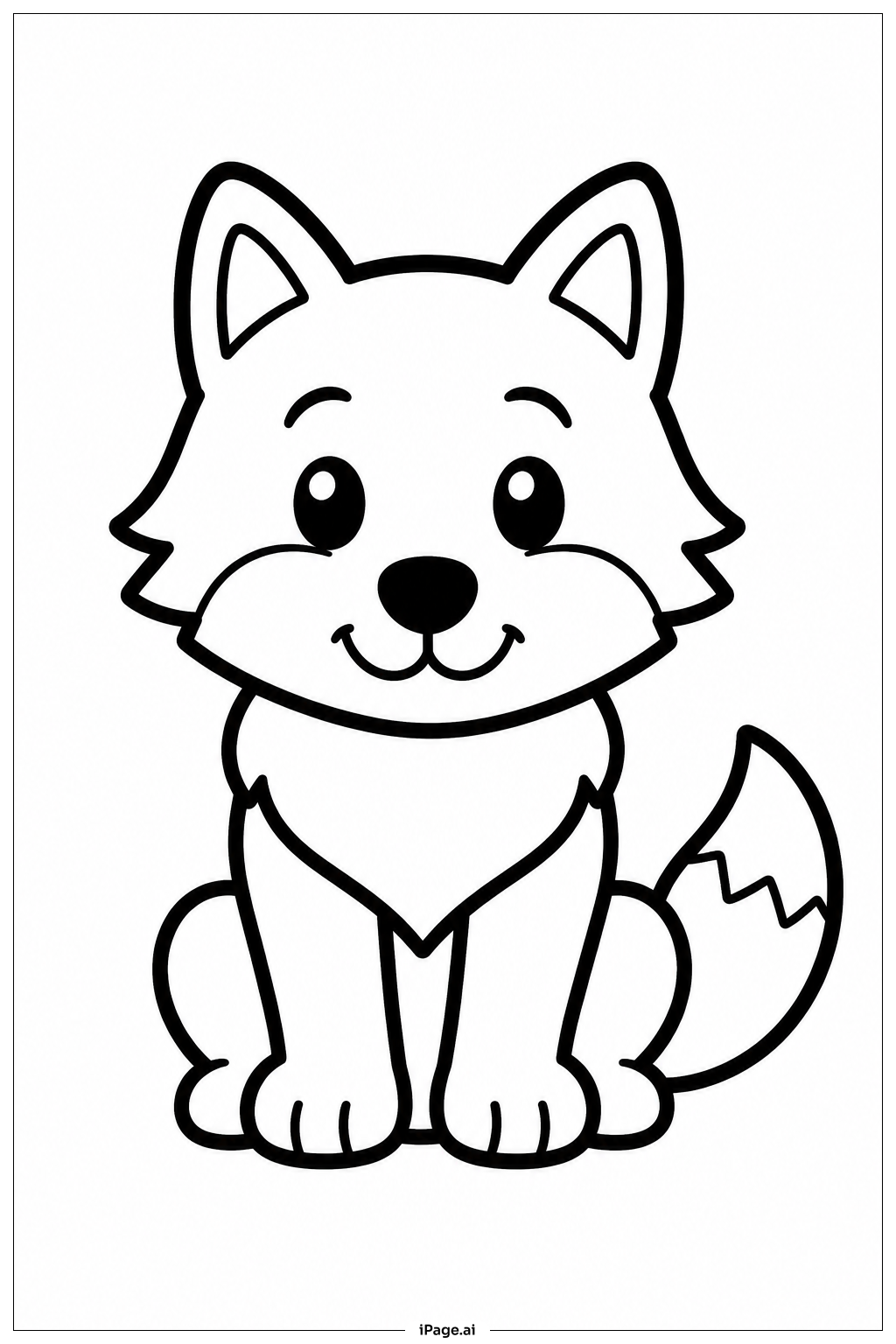
Coloring tips: How to color Gentle Wolf Smile coloring page well?
Start with the lightest colors first and work toward the darker shades. For the wolf's fur, try shades of gray, silver, or light brown to give it a natural look. You can also use white or cream for the chest and inner ear areas to show softer, fluffier fur. Use a warm light pink for the inside of the ears. For the eyes, try amber, golden yellow, or light green to make them look bright and kind. A soft peach or light pink works well for the nose and tongue if visible. To make the fur look fluffy and real, use short, feathery strokes with your colored pencils. If you want a more magical feel, try cool blues or purples for the fur. Blending two close shades together adds depth and makes the wolf look more lifelike. Leave small white spots in the eyes to show a shiny, lively look. Have fun and make your wolf as gentle and colorful as you imagine!
Coloring challenges: Which parts are difficult to color and need attention for Gentle Wolf Smile coloring page?
Coloring this gentle wolf image looks simple at first, but there are a few tricky areas that need extra care and patience. Here are the main challenges to watch out for:
• Fur Texture Details: The wolf's fur is made up of many thin, layered lines. Staying within these lines while trying to follow the direction of each fur stroke takes time and a steady hand. Using a sharp pencil tip will help you stay precise and keep the fur looking neat and natural.
• Blending Multiple Gray Tones: A wolf's coat usually has several shades of gray, white, and brown all mixed together. Getting these tones to blend smoothly without looking patchy can be difficult, especially for younger colorists. Try using light pressure first and slowly build up the color in layers.
• The Face and Expression Area: The area around the eyes, nose, and smiling mouth is the most detailed part of the image. These features are close together and small, which makes it easy to accidentally color outside the lines. Take your time here and use a finer tool if available.
• Eye Highlights and Depth: Making the eyes look bright and lifelike requires leaving tiny white spots uncolored or using a white gel pen. Without this small detail, the eyes can look flat. Adding a darker ring around the iris also helps create a more expressive, glowing look.
• Ear Inner Coloring: The inside of the ears is a small, enclosed space that often gets overlooked. Using a lighter or warmer tone here, like soft pink or pale peach, adds realism and contrast against the outer fur color.
Benefits of coloring books: Advantages of drawing Gentle Wolf Smile coloring page
Coloring this gentle wolf image offers many wonderful benefits for children and creative individuals of all ages. Here is why picking up your colors and getting started is a great idea:
It helps improve focus and concentration. Staying within the lines and choosing the right colors trains the brain to pay close attention to details. This kind of mindful activity can help kids build better attention spans over time.
It supports creativity and self-expression. There is no single right way to color a wolf. Children can experiment with different color combinations, which encourages imagination and builds confidence in their own creative choices.
It develops fine motor skills. Handling crayons, colored pencils, or markers carefully helps strengthen the small muscles in the hands and fingers. This is especially helpful for younger children who are still developing their grip and hand control.
It promotes emotional calm. The act of coloring is relaxing and soothing. Focusing on a fun, non-stressful task like this can help reduce anxiety and bring a sense of peace and satisfaction.
It builds a connection with nature and animals. Coloring a kind, smiling wolf can spark curiosity about wolves and wildlife. It encourages children to appreciate animals and develop empathy toward living creatures. Overall, this coloring page is a simple yet powerful tool for learning and joy.