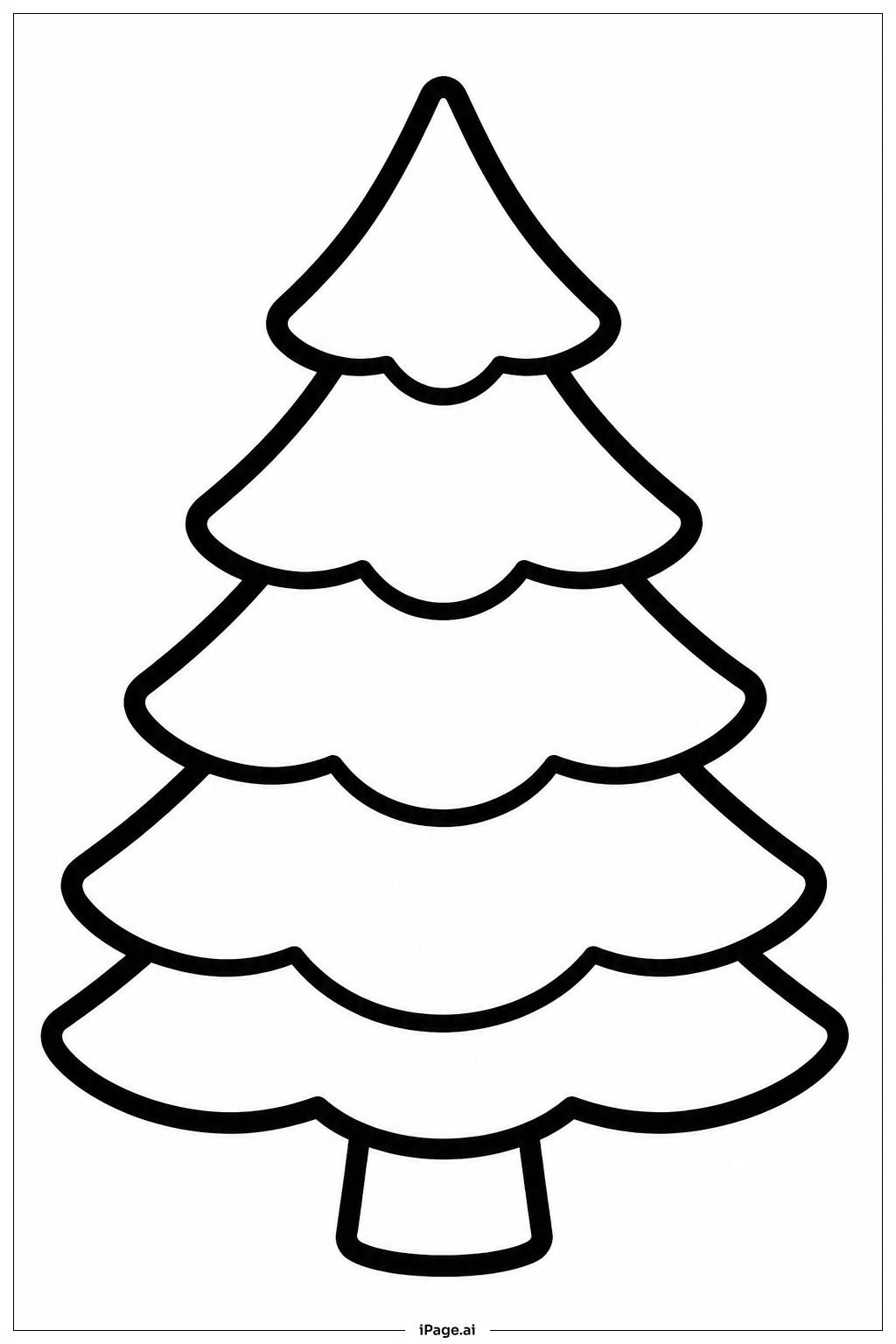
Coloring tips: How to color Winter Pine Tree coloring page well?
Start with the tree itself. Use different shades of green — dark forest green for the inner branches and lighter, brighter green toward the tips. This creates a natural, layered look. For the snow sitting on the branches, use light blue or pale lavender instead of plain white. It adds a cool, wintry glow. The trunk and bark look great in warm browns and grays. Try mixing tan and dark brown to show texture. For the sky, blend soft blues and purples to suggest a cold winter afternoon. The background trees can be shaded in muted blue-greens to create distance. Add hints of yellow or gold to pine cones to make them pop. Feel free to add sparkle effects by leaving small dots uncolored — they look like glinting snow. Most importantly, have fun and make the winter scene your own!
Coloring challenges: Which parts are difficult to color and need attention for Winter Pine Tree coloring page?
• Branch Layering: The pine tree has many overlapping branches arranged in tiers. Keeping each layer visually distinct requires using slightly different shades of green. If all the branches are colored the same, the tree can look flat and lose its three-dimensional feel. Take your time moving from one branch layer to the next.
• Snow Texture on Branches: The snow resting on top of the branches has a soft, rounded shape. Coloring it without making it look like a plain white blob is tricky. Using light blue or pale gray in the shadowed areas, and leaving the brightest spots light or uncolored, helps give the snow a realistic, fluffy appearance.
• Pine Needle Detail: Clusters of pine needles radiate outward in small, tight groups all across the tree. These tiny details require a sharp pencil or fine-tipped marker to color neatly. Rushing through this section can cause colors to bleed into neighboring areas and blur the fine linework.
• Bark Texture: The tree trunk features rough, ridged bark with irregular lines and grooves. Shading these grooves in a darker tone while keeping the raised ridges lighter creates a convincing textured effect. This kind of shading takes patience and a steady hand, especially for younger colorists.
• Background Depth: The background includes distant trees and snowdrifts. Making these elements appear far away means using cooler, lighter tones compared to the bold foreground colors. Balancing the foreground and background without letting them blend together is a challenge that requires careful color planning before starting.
Benefits of coloring books: Advantages of drawing Winter Pine Tree coloring page
Coloring this Winter Pine Tree page offers a wonderful mix of fun and learning for kids and adults alike. Working through the many details of the tree — its layered branches, textured bark, and snow-covered tips — helps build focus and patience. These are skills that carry over into school and everyday life.
Choosing colors for a winter scene encourages creative thinking. Kids learn how different shades of the same color can make a flat drawing look full and real. Experimenting with blues and purples for snow instead of just white opens up the imagination and builds color confidence.
The fine details, like pine needles and bark grooves, are great for developing hand-eye coordination and fine motor skills. Carefully staying within the lines strengthens the same muscles used for writing.
For older colorists and adults, this image offers a calming, meditative experience. Focusing on a peaceful winter landscape can lower stress and quiet a busy mind. It is a simple way to slow down and enjoy a creative moment.
Completing the page also brings a real sense of accomplishment. Seeing a finished, colorful winter scene that you created yourself builds confidence and pride — a feeling that encourages kids to keep exploring art and creativity.