Coloring tips: How to color Valentine's Day Happy Heart Face coloring page well?
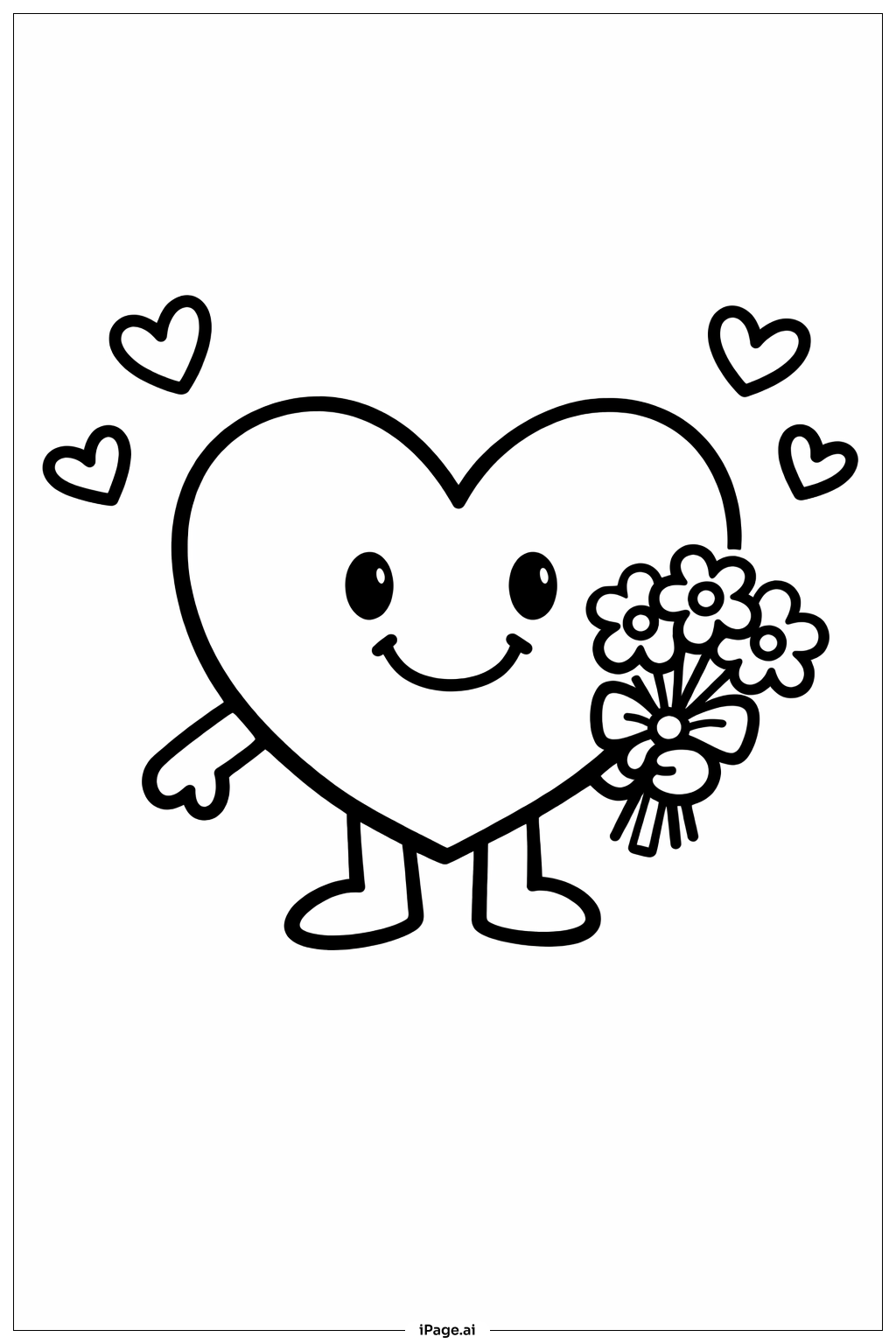
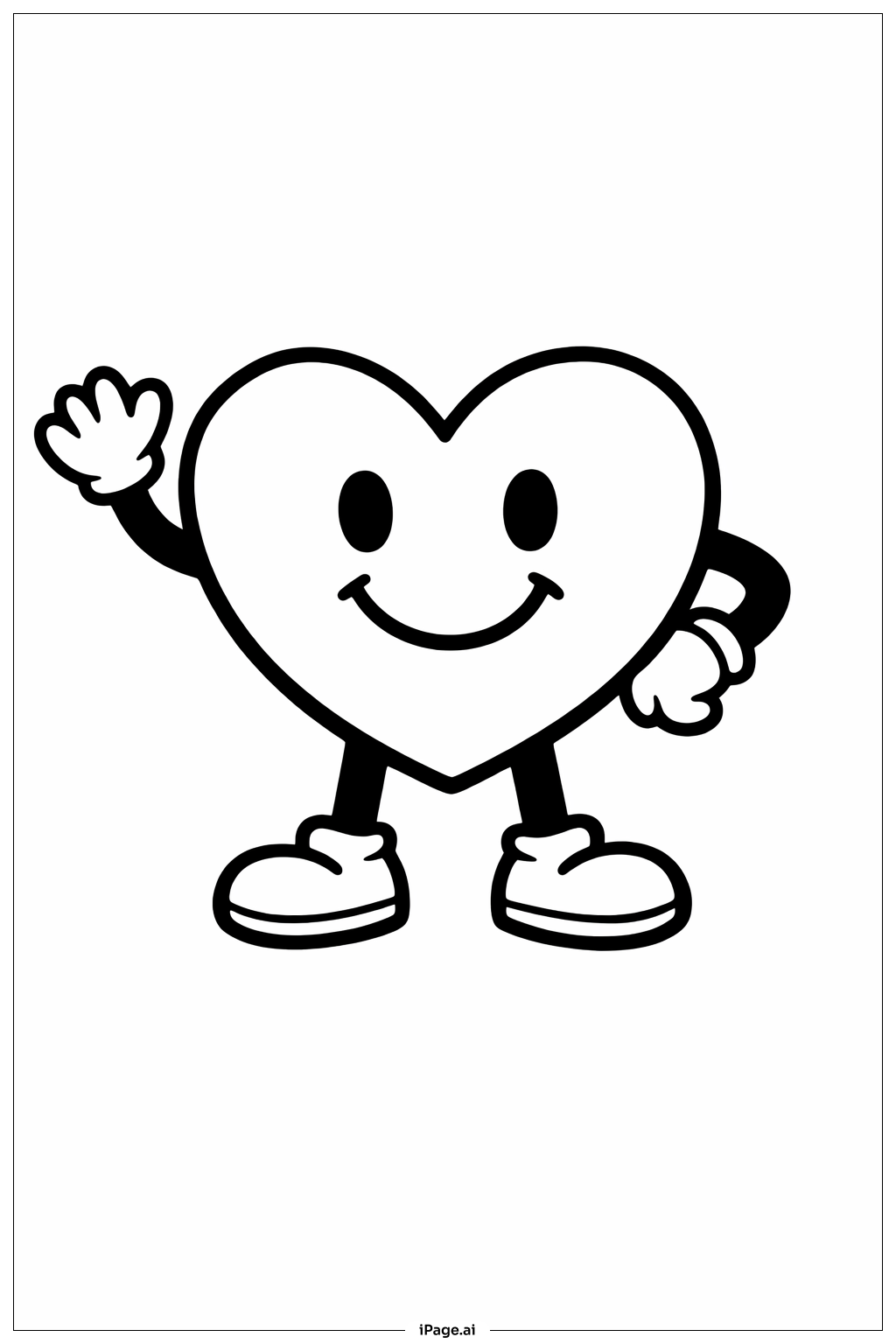
Start with the main heart shape using classic Valentine's Day colors like bright red, deep pink, or magenta. For the face, use peach or light tan for the skin tone. Color the cheeks with a soft pink or rosy blush to give the character a warm, lively look. Use black or dark brown for the eyes and outline details to make them pop. The small surrounding hearts can be colored in a mix of red, pink, and purple for variety. Stars and swirls look great in gold, yellow, or light orange. For the background, try a soft lavender, light yellow, or pale pink to keep the mood gentle and festive. Feel free to experiment with glitter pens or metallic markers on the stars and accents to add extra sparkle. Keep the overall palette warm and cheerful to match the happy Valentine's Day theme.
Coloring challenges: Which parts are difficult to color and need attention for Valentine's Day Happy Heart Face coloring page?
• Staying Inside the Curved Heart Outline: The large curved edges of the heart shape can be tricky to color neatly, especially near the top dip and the bottom point. Young colorists may find it hard to stay within the lines in these tight curves. Using a fine-tipped marker or a sharpened colored pencil helps maintain control along the edges.
• Coloring the Small Facial Features: The eyes, smile, and cheek details are relatively small compared to the rest of the image. Filling these areas neatly without going outside their outlines requires patience and a precise, thin coloring tool. Younger children may need guidance or a thicker crayon to approximate these small areas.
• Balancing Multiple Pink and Red Tones: Since much of this image uses shades of red and pink, it can be challenging to distinguish different elements clearly. Choosing slightly different shades, such as using bright red for the heart body and softer pink for the cheeks and background hearts, helps keep the design from looking flat or blended together.
• Decorative Accents and Tiny Hearts: The small hearts, stars, and swirling decorative elements scattered around the design are small and closely spaced. Coloring each one individually without smudging nearby areas demands a steady hand and careful attention. It is best to let each section dry before moving to the next.
• Creating a Cohesive Color Story: With so many different elements in one image, keeping the overall color palette balanced and harmonious can be a challenge. Planning your colors before starting helps ensure the final result feels unified and visually pleasing.
Benefits of coloring books: Advantages of drawing Valentine's Day Happy Heart Face coloring page
Coloring this Valentine's Day Happy Heart Face page offers a wide range of benefits for children and young learners. The act of choosing colors and filling in the design helps build fine motor skills and improves hand-eye coordination. Working carefully within the outlines strengthens focus and attention to detail, skills that carry over into reading and writing.
The cheerful, love-themed subject matter encourages children to explore feelings of joy, kindness, and affection in a creative and expressive way. Deciding which colors to use sparks imaginative thinking and boosts confidence in personal decision-making.
Coloring is also a calming activity. It helps children slow down, breathe, and enter a focused, relaxed state. This makes it a wonderful quiet-time exercise that reduces stress and supports emotional well-being.
Completing the page gives children a satisfying sense of accomplishment. They can share their finished artwork as a heartfelt Valentine's Day gift for a parent, friend, or classmate, reinforcing social bonds and thoughtful giving. Overall, this page turns a simple coloring activity into a meaningful, enriching experience full of creativity, care, and holiday joy.