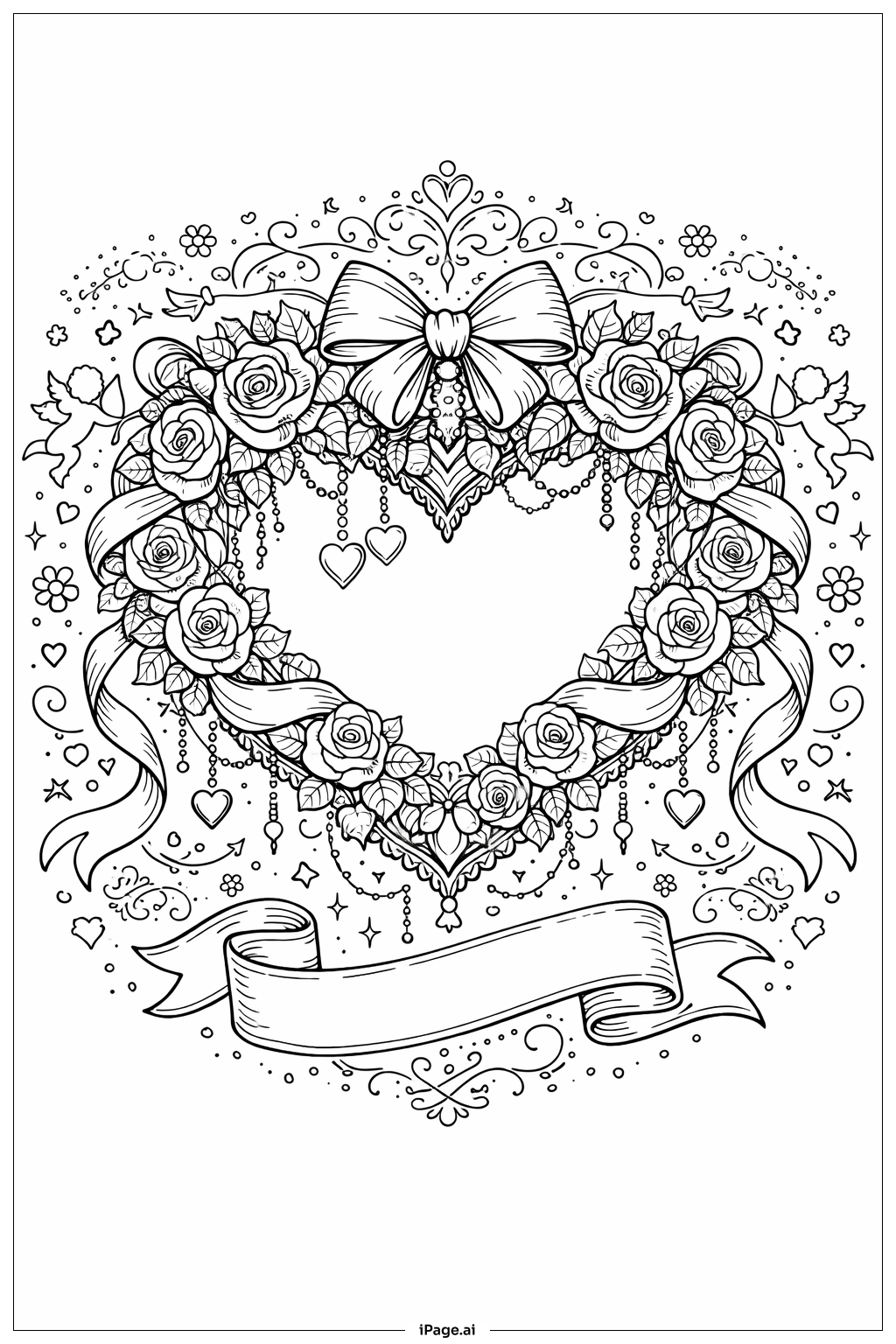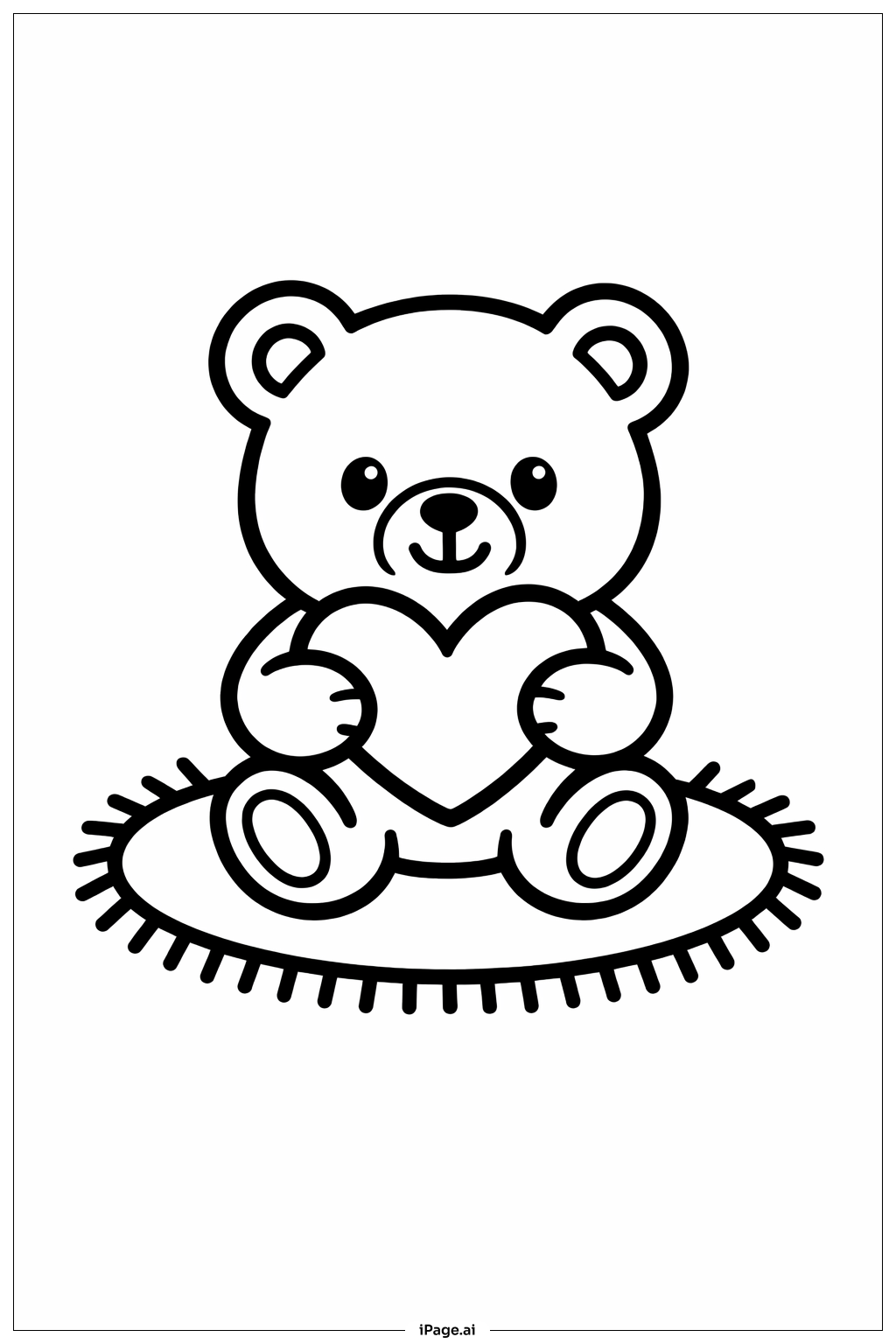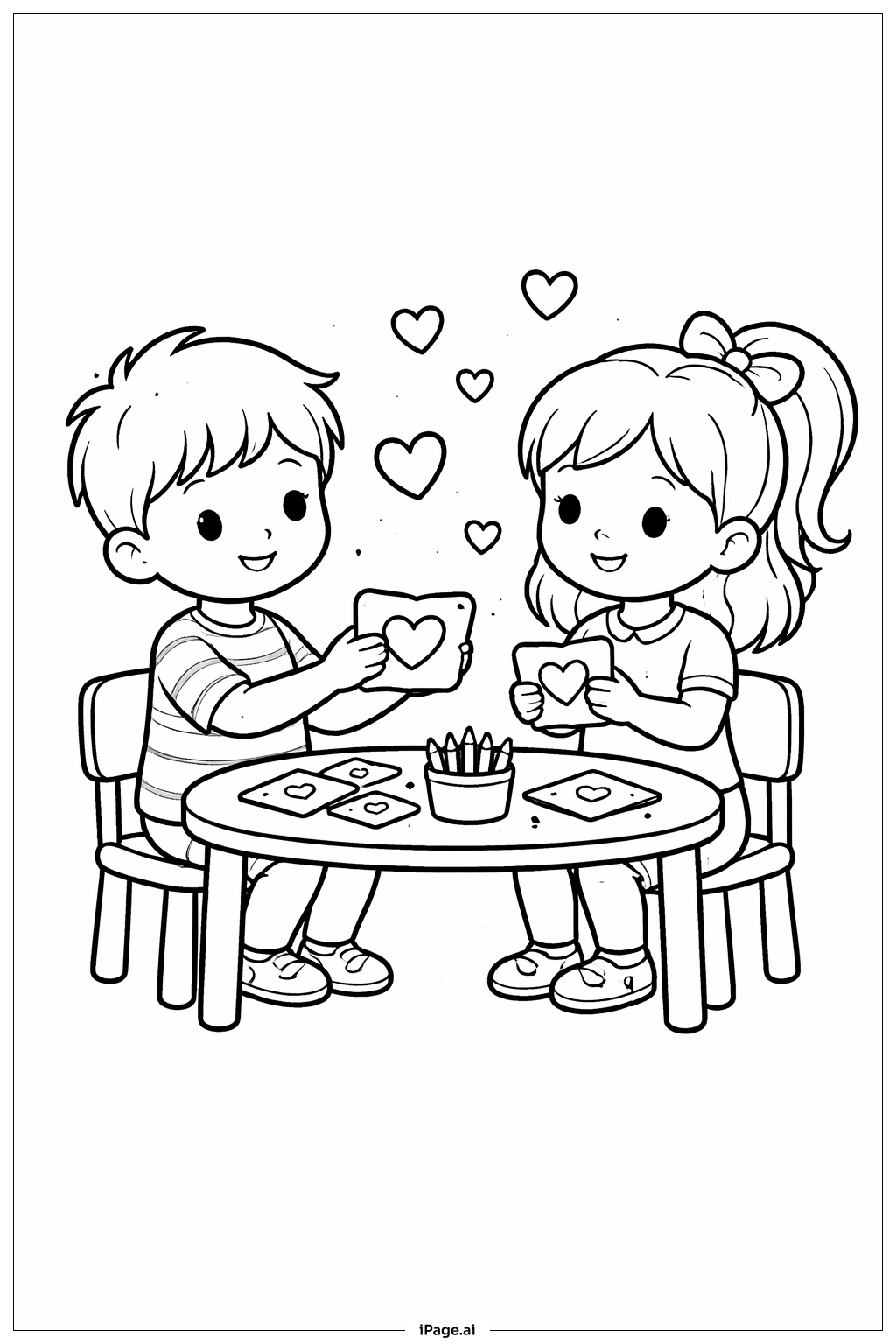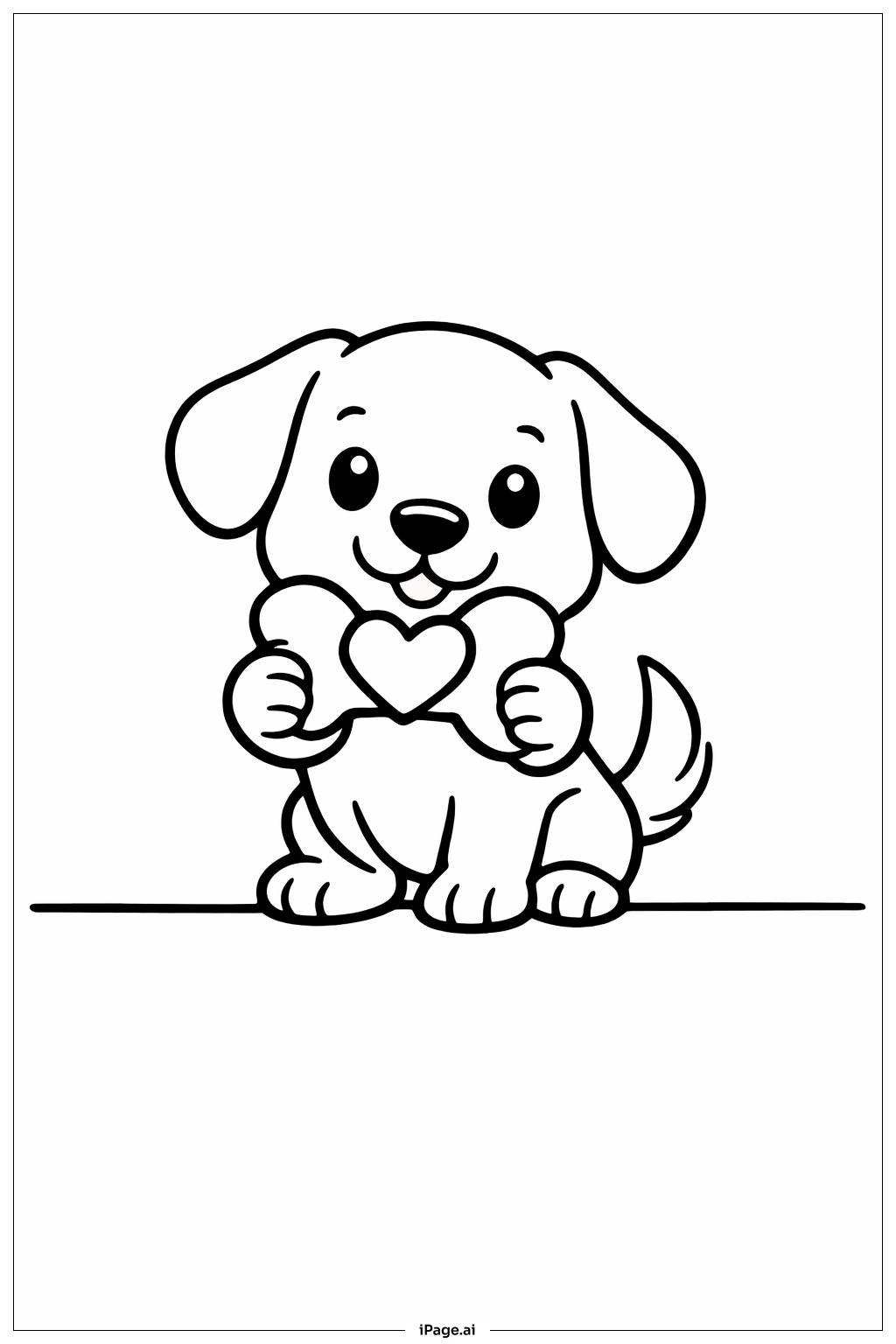
Coloring tips: How to color Valentine's Day Smiling Heart Character coloring page well?
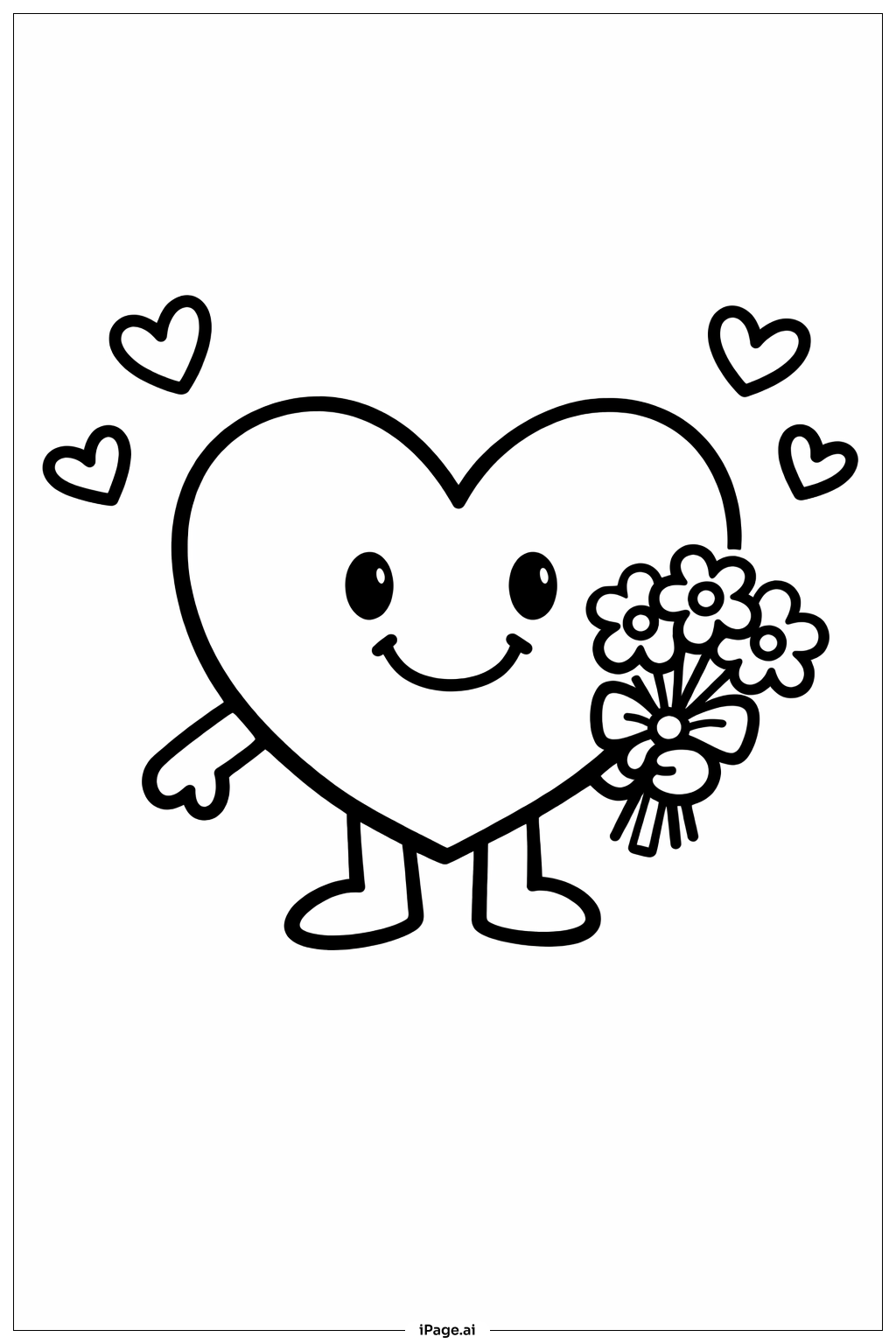
Start with the heart body using a classic Valentine's red or a soft pink. You can also try a fun gradient, going from deep red at the edges to a lighter pink in the center for a glowing effect. Color the cheeks with a rosy blush pink to bring out that warm smile. For the eyes, use black or dark brown with a tiny white dot to make them sparkle. The arms and legs can match the body or use a slightly darker shade to help them stand out. If there are decorative details or patterns, try contrasting colors like white, gold, or purple to make them pop. Use a light yellow or peach for any background space to keep the image feeling warm and cheerful. Don't be afraid to mix colors and experiment. This is your artwork, so make it as bright and bold or as soft and pastel as you like. Have fun with it!
Coloring challenges: Which parts are difficult to color and need attention for Valentine's Day Smiling Heart Character coloring page?
• Smooth Heart Body Shading: The large, rounded heart body is the main focal point of the image. Achieving a smooth, even color across this curved surface can be tricky. Pressing too hard in one spot or using heavy strokes can leave streaks or uneven patches. Try using light, circular motions and build up color gradually in thin layers for the best result.
• Small Facial Features: The eyes, smile, and rosy cheeks are tiny compared to the rest of the body. Coloring these details precisely without going outside the lines requires a sharp pencil tip or a fine-tipped marker. Take your time and use slow, controlled strokes. If you have coloring pencils, sharpen them before tackling the face.
• Arm and Leg Outlines: The small arms and legs have narrow, curved outlines that can be difficult to fill neatly. These areas leave little room for error. Use the tip of your coloring tool carefully and follow the lines closely to stay within the boundaries.
• Decorative Details and Patterns: Any swirls, dots, or surface patterns on the heart body need careful attention. These small elements often sit close together, making it easy to accidentally blend colors or go outside a line. Use contrasting colors to keep each detail visible and distinct from its neighbors.
• Color Consistency Across the Whole Image: Keeping a consistent color tone across the entire character, especially on the heart body, takes patience. If you switch between tools or take breaks, the pressure and color intensity may vary. Try to complete each large section in one sitting for the most uniform finish.
Benefits of coloring books: Advantages of drawing Valentine's Day Smiling Heart Character coloring page
Coloring this Valentine's Day Smiling Heart Character is a wonderful activity for kids and beginners alike. It offers a range of fun and meaningful benefits.
It builds focus and patience. Staying inside the lines and carefully filling in small details helps children practice concentration and fine motor control. These are skills that support handwriting and everyday tasks.
It sparks creativity. Choosing colors, mixing shades, and deciding how to bring the character to life encourages imaginative thinking. There are no wrong choices, which gives kids the freedom to express themselves.
It promotes emotional well-being. The cheerful, loving theme of this image connects naturally to feelings of happiness and kindness. Coloring a heart character can be a calming, feel-good experience, especially around Valentine's Day.
It makes a great gift. Once finished, this colored page can be shared with a parent, friend, or classmate as a heartfelt Valentine's Day card or decoration. That sense of giving adds extra meaning to the activity.
It is suitable for all skill levels. Whether you are just starting out or already enjoy detailed coloring, this image offers enough variety to keep things interesting without feeling overwhelming. It is a relaxing, rewarding project from start to finish.