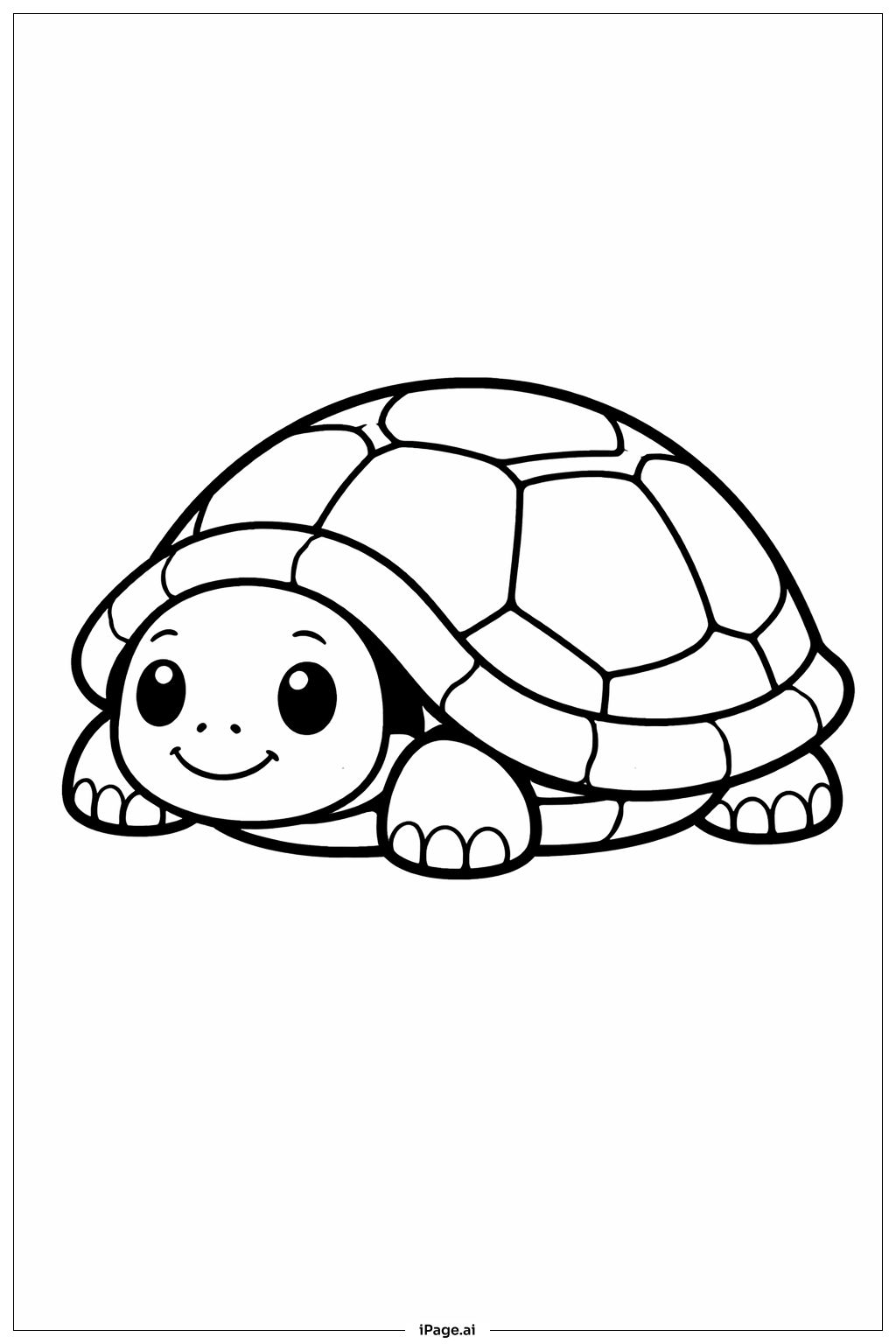
Coloring tips: How to color Turtle In Shell coloring page well?
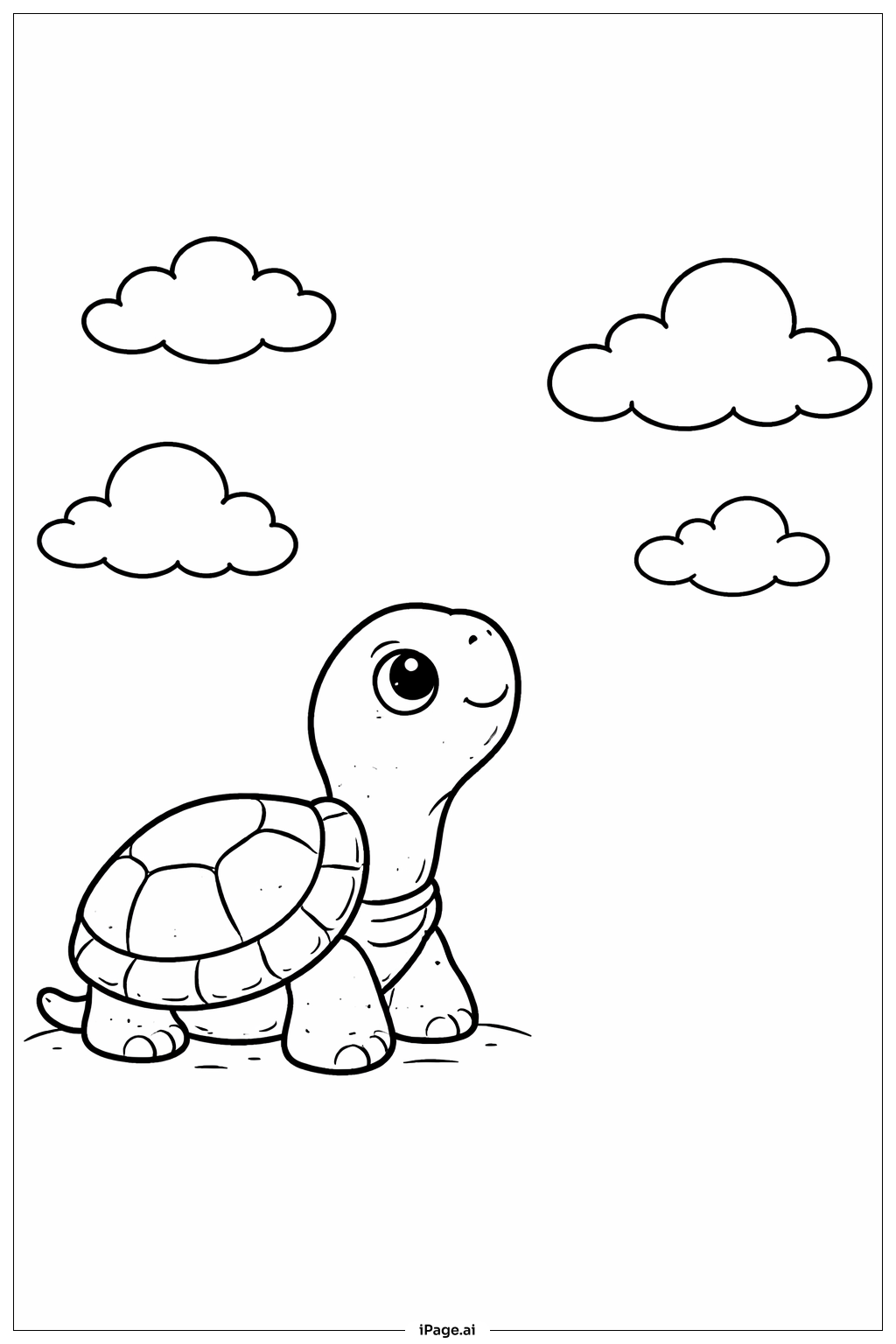
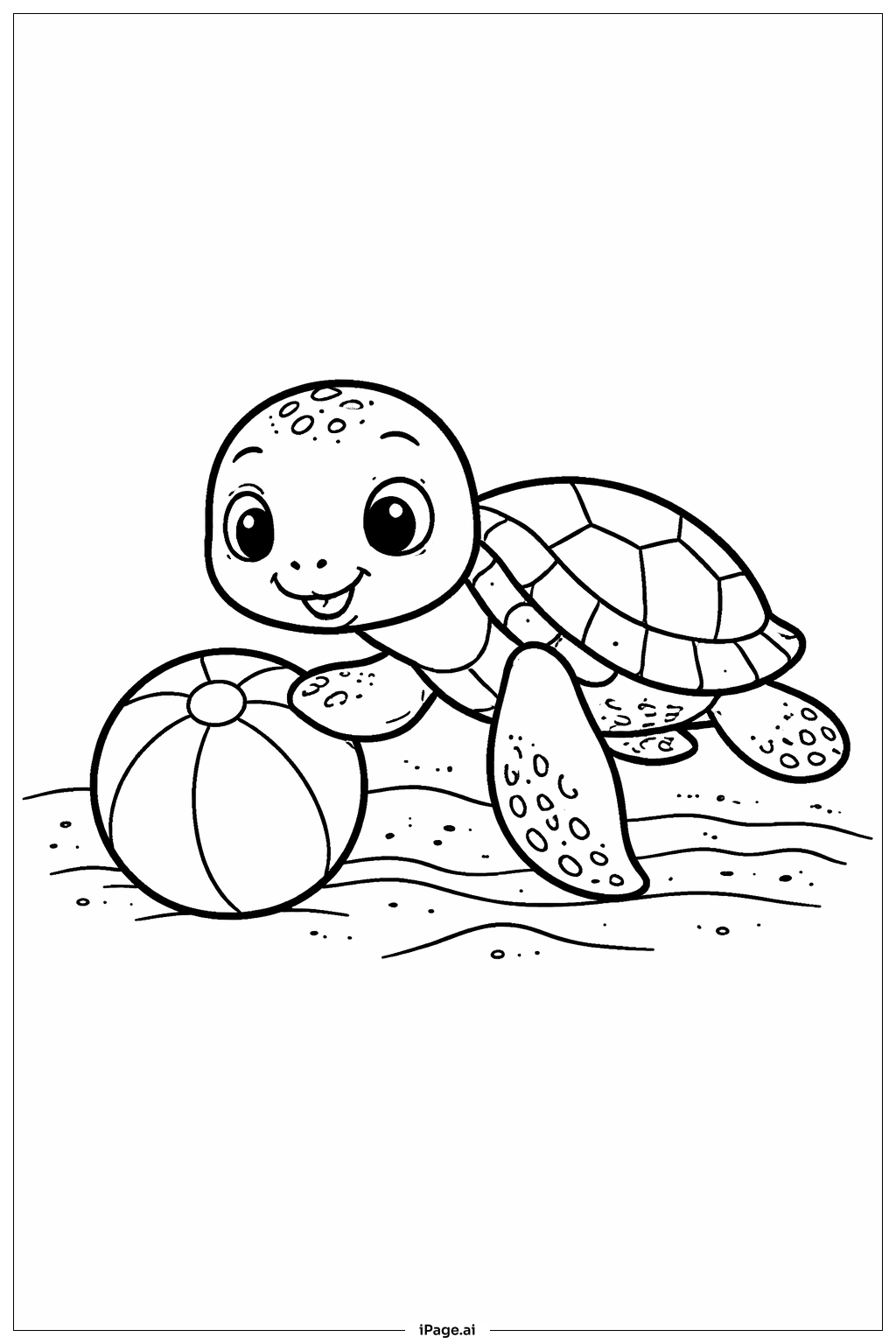
Start with the shell, as it is the most eye-catching part of the image. Use earthy tones like olive green, brown, or tan for the shell segments. You can make each hexagonal panel a slightly different shade to give the shell depth and a natural look. For the borders between panels, try a darker brown or black to make the pattern pop. Color the turtle's head and legs with a medium green or grayish-green. Add a lighter tone on the belly area and the underside of the legs to show texture. The eyes can be a warm brown or bright black with a tiny white highlight to bring them to life. If you want a more creative look, feel free to use bright colors like teal, yellow, or even purple for the shell panels. Background details, if any, can be colored in soft blues or greens to suggest a natural habitat. Take your time with each small section and enjoy the process!
Coloring challenges: Which parts are difficult to color and need attention for Turtle In Shell coloring page?
• Shell Pattern Complexity: The turtle's shell is covered with many small hexagonal and pentagonal segments. Staying neatly within each individual panel can be tricky, especially for younger colorists. Using a fine-tipped marker or a sharpened colored pencil will help keep lines clean and precise inside the small shapes.
• Consistent Color Shading: To make the dome-shaped shell look three-dimensional, you need to gradually shift from lighter shades at the top to darker shades along the edges. Blending colors smoothly without creating harsh lines takes patience and a light hand, particularly when using colored pencils or watercolors.
• Textured Skin Details: The turtle's head, neck, and legs feature small scale-like textures. Coloring these tiny details without muddying the overall look requires careful control. Using short, light strokes that follow the direction of the scales will give a more realistic and natural appearance.
• Border Definition: The ridged edges of the shell and the outlines separating the body from the shell need clear, dark borders to stand out. Applying a consistent dark outline after filling in colors helps define each area and prevents the image from looking flat or blended together unintentionally.
• Color Harmony: Choosing colors that work well together across the entire image is a challenge. The shell, skin, and any background elements all need to complement each other. Planning your color palette before you start can save time and help the finished piece look balanced and visually appealing.
Benefits of coloring books: Advantages of drawing Turtle In Shell coloring page
Coloring this Turtle In Shell image offers many wonderful benefits for kids and beginners alike. The detailed shell pattern is great for building fine motor skills. Carefully staying within each small hexagonal panel trains the hand muscles and improves pencil control, which also helps with handwriting. The image encourages focus and concentration. Spending time on a detailed picture like this helps children practice sitting still and working through a task step by step. It also nurtures patience, since completing all those small sections takes time and effort. Choosing colors for the shell, skin, and background sparks creativity and color awareness. Kids learn how different shades can create a sense of depth and realism. This is an early introduction to basic art concepts in a fun and pressure-free way. The turtle is also a calm, friendly subject that can feel relaxing to color. Many kids find the repetitive motion of filling in shapes soothing, making this a great quiet-time activity. Finishing the page gives a real sense of accomplishment and boosts confidence. Overall, this coloring page is a fun, educational, and calming experience for colorists of all skill levels.