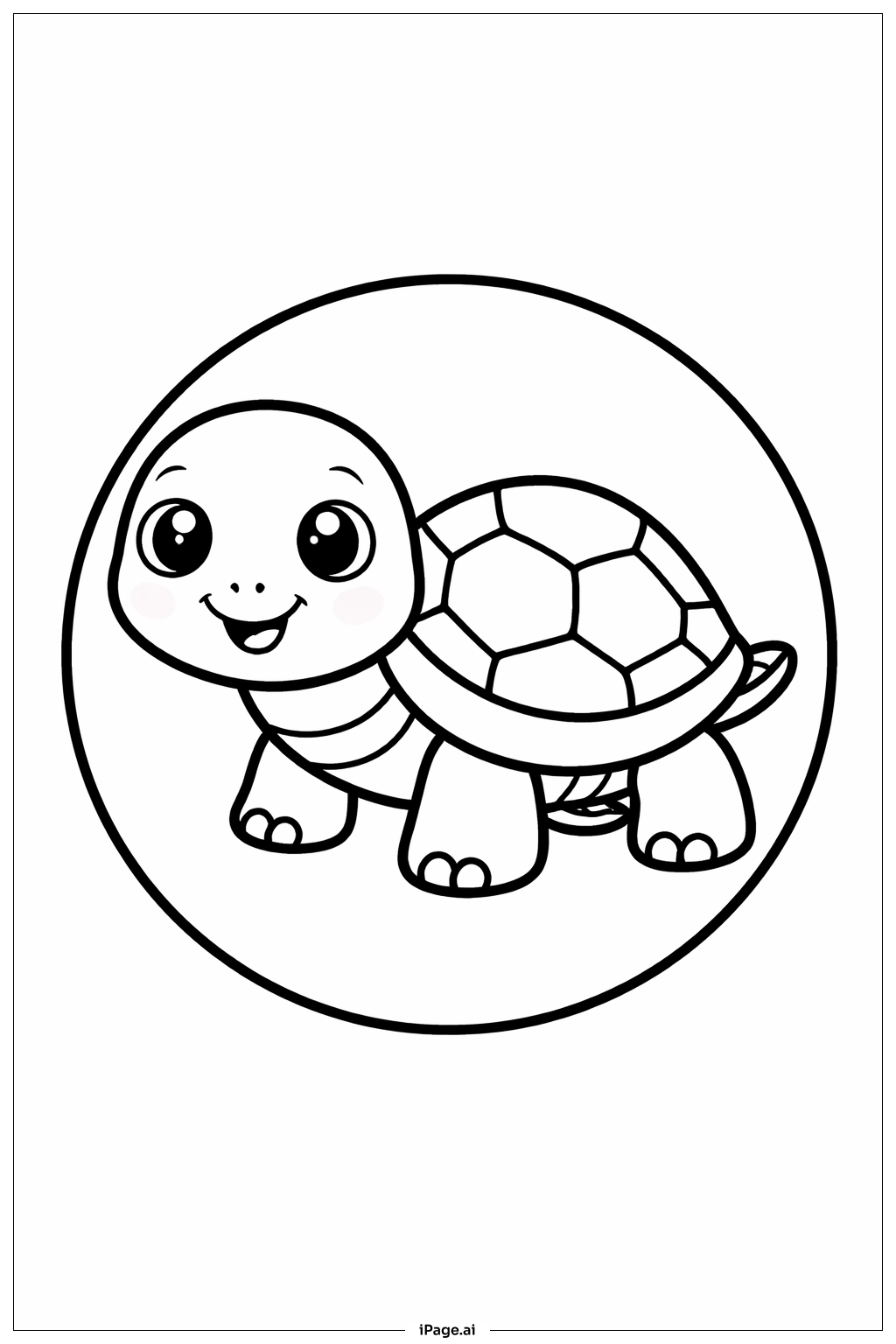
Coloring tips: How to color Turtle In Circle coloring page well?
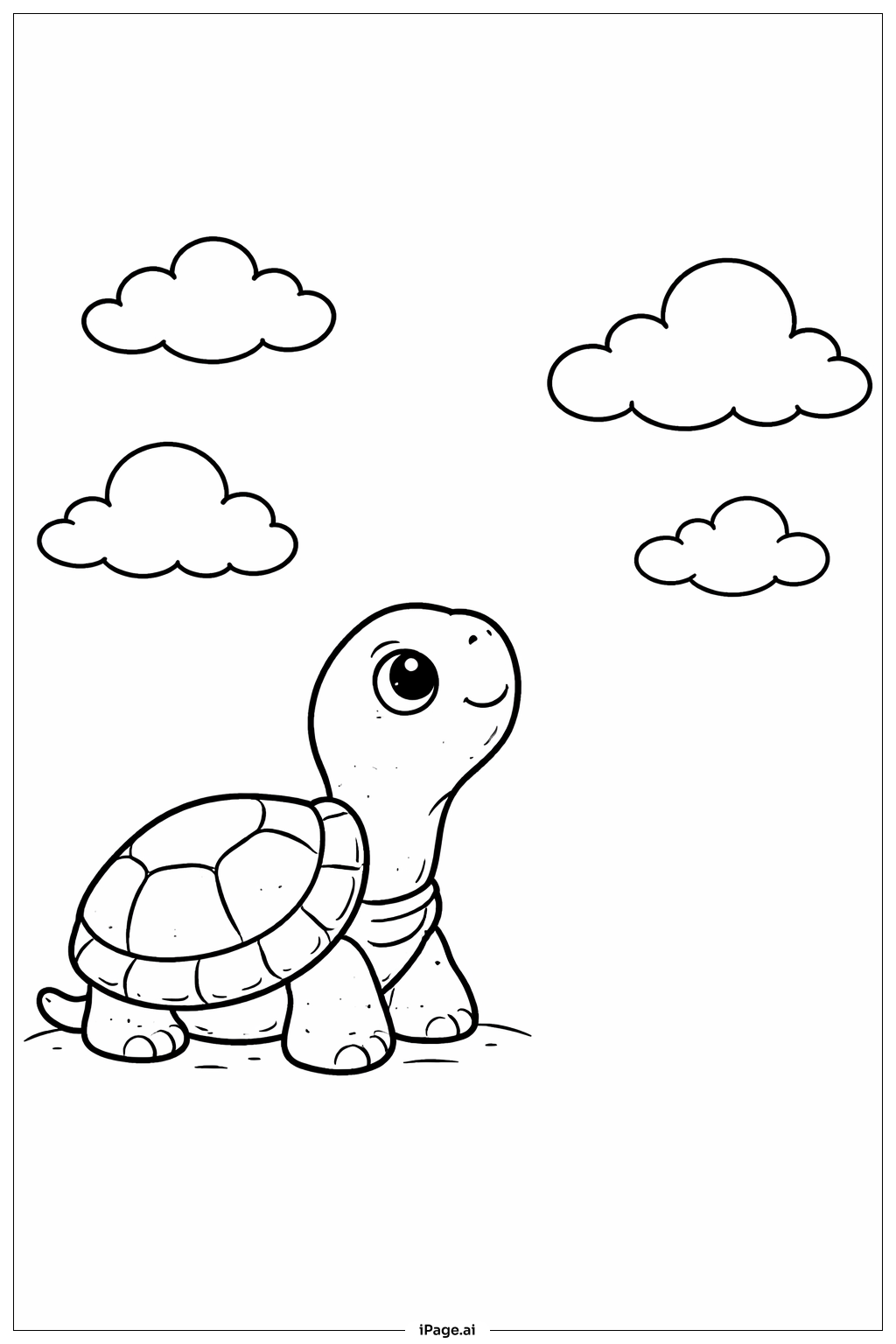
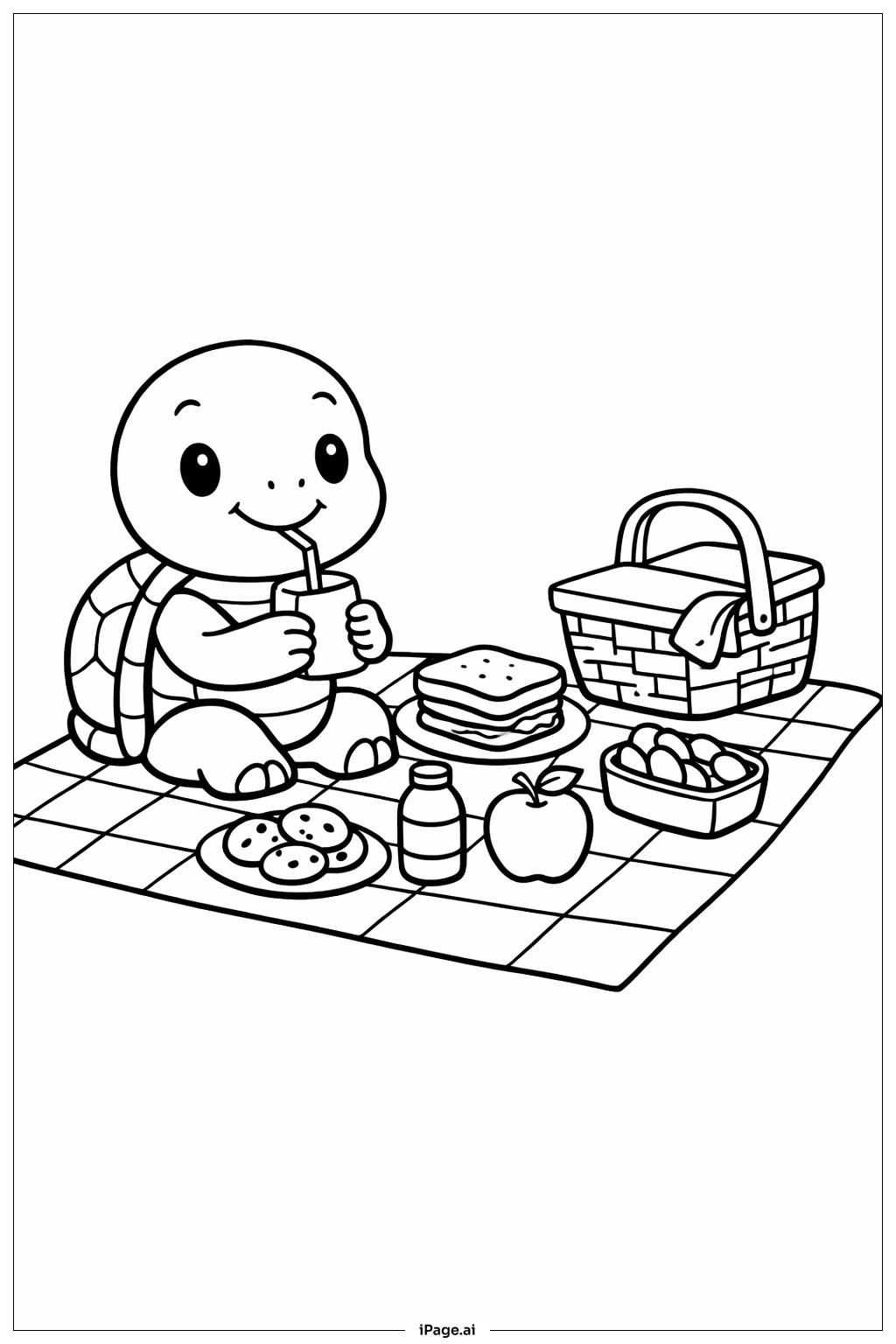
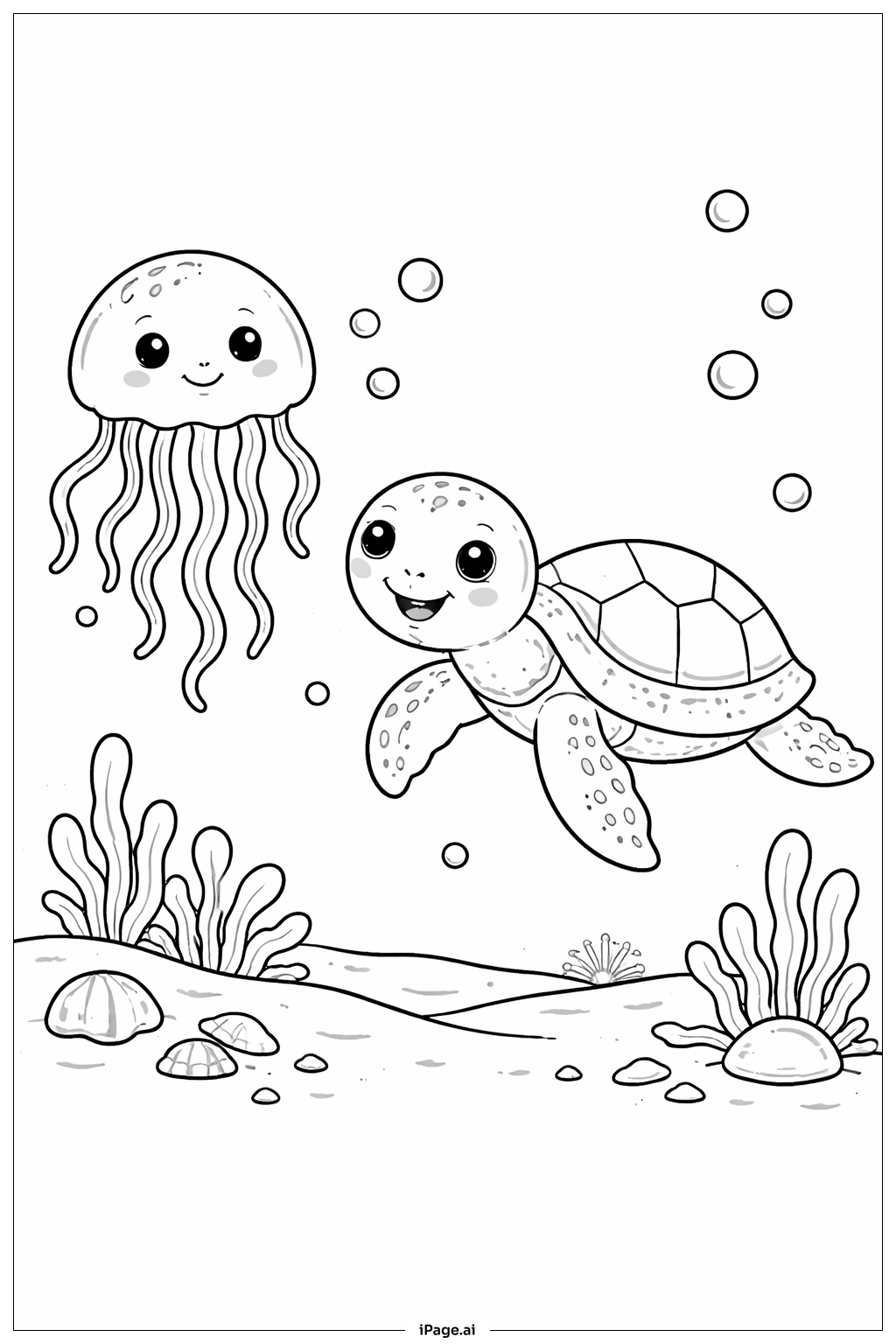
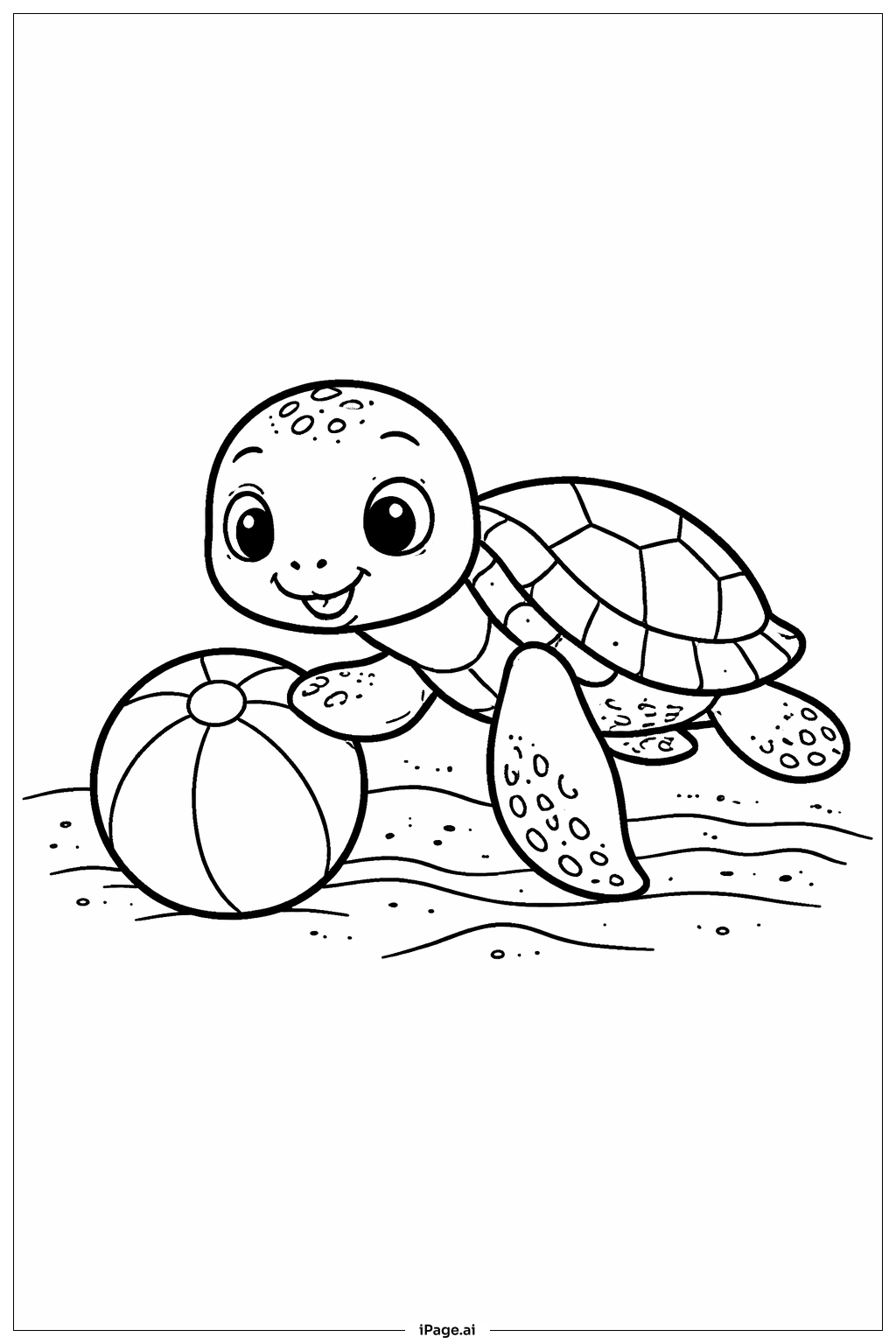
Start with the turtle's shell using various shades of green, from olive to emerald, or try brown tones for a more realistic look. The shell segments offer a perfect chance to experiment with different colors - you could make each hexagon a different shade or create a gradient pattern. For the turtle's skin, light green or yellowish-green works beautifully for the head and flippers. Add depth by using darker green along the edges. The eyes can be colored with black pupils and bright highlights to bring them to life. Consider using yellow or cream for the underbelly portions. The circular border can remain simple or be decorated with ocean blues, sandy yellows, or even rainbow colors. Try using colored pencils for smooth blending or markers for bold, vibrant results.
Coloring challenges: Which parts are difficult to color and need attention for Turtle In Circle coloring page?
• Shell Pattern Complexity: The hexagonal segments on the turtle's shell require careful attention to keep colors within the lines. Each small section needs individual coloring, which helps develop fine motor control but demands patience. Younger children may find it challenging to switch colors frequently or maintain consistent pressure across all segments.
• Circular Border Precision: Staying within the circular frame while coloring near the edges requires steady hand control. The curved boundary is more challenging than straight edges, especially where the turtle's flippers and head approach the circle's edge. This teaches spatial awareness and boundary recognition.
• Flipper Details: The flippers contain subtle texture lines and contour details that can be tricky to color around. Deciding whether to color over these lines or preserve them requires planning. The overlapping areas where flippers meet the body need careful color transitions to create depth.
• Color Planning and Harmony: With so many distinct sections in the shell, choosing a cohesive color scheme requires forethought. Children must decide whether to use realistic colors or creative patterns, and how to make the turtle stand out from the background while maintaining visual balance throughout the entire composition.
Benefits of coloring books: Advantages of drawing Turtle In Circle coloring page
Coloring this turtle design offers excellent developmental benefits for children. The detailed shell pattern strengthens fine motor skills and hand-eye coordination through precise coloring within small geometric spaces. This activity builds concentration and patience as children work through each individual segment. The symmetrical design helps children understand balance and pattern recognition while encouraging creative decision-making about color choices. Working on the intricate details promotes focus and mindfulness, creating a calming activity that reduces stress. The friendly turtle character sparks interest in marine life and nature, potentially inspiring learning about ocean ecosystems. Completing this detailed page provides a strong sense of accomplishment, boosting confidence and self-esteem. The circular format teaches spatial awareness and boundary respect, valuable skills that transfer to writing and other academic tasks.