Coloring tips: How to color Turtle Eating Leaf coloring page well?
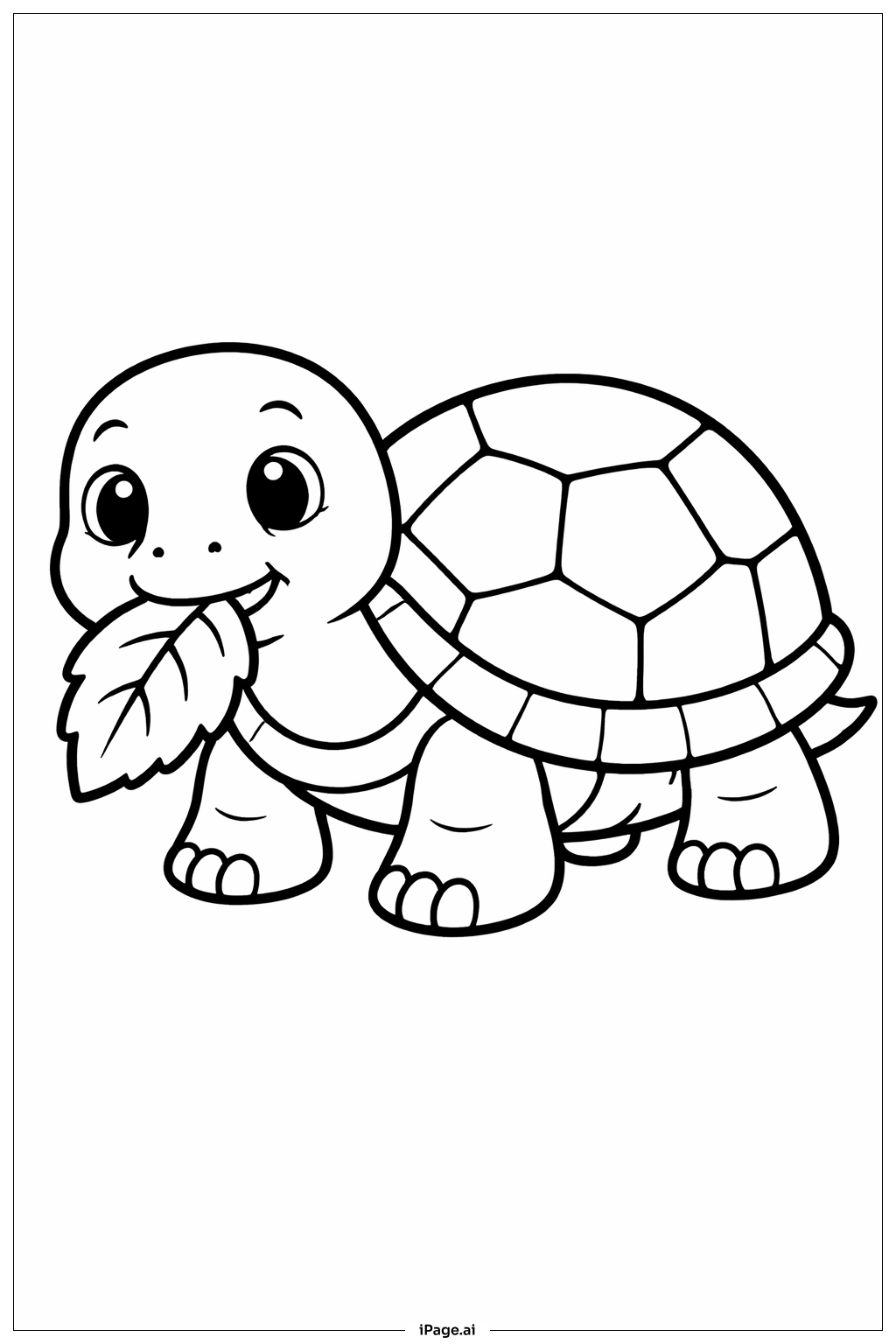
Use different shades of green for the turtle's shell and leaf to show natural colors. You can mix light and dark greens to give the shell more depth and texture. Color the turtle's skin with brown, yellow, or olive tones to make it realistic. For the eyes, use black with a little white spot to add shine. The mouth can be soft pink or red. Try using crayons or colored pencils for smooth and controlled coloring. Don't forget to color inside the lines to get a neat picture.
Coloring challenges: Which parts are difficult to color and need attention for Turtle Eating Leaf coloring page?
1. The shell has many small sections, which may be difficult to color evenly and neatly.
2. The leaf in the mouth has detailed veins that require careful coloring to keep the lines visible.
3. The turtle's legs have curves and small toes that need attention to avoid coloring outside the lines.
4. Balancing the colors between the turtle's skin, shell, and leaf to make the picture look natural can be challenging.
5. Adding depth and shading while keeping the picture simple and clear might require extra skill.
Benefits of coloring books: Advantages of drawing Turtle Eating Leaf coloring page
Coloring this turtle helps children practice fine motor skills by coloring inside small spaces and details like the shell sections and leaf veins. It encourages creativity in choosing colors and mixing shades to make the turtle look lively. This activity also teaches kids about animals and nature, promoting learning through fun. Focusing on the turtle's happy face and natural elements can improve concentration and patience. Overall, it’s a relaxing and educational coloring experience.