Coloring tips: How to color Turtle And Little Duck coloring page well?
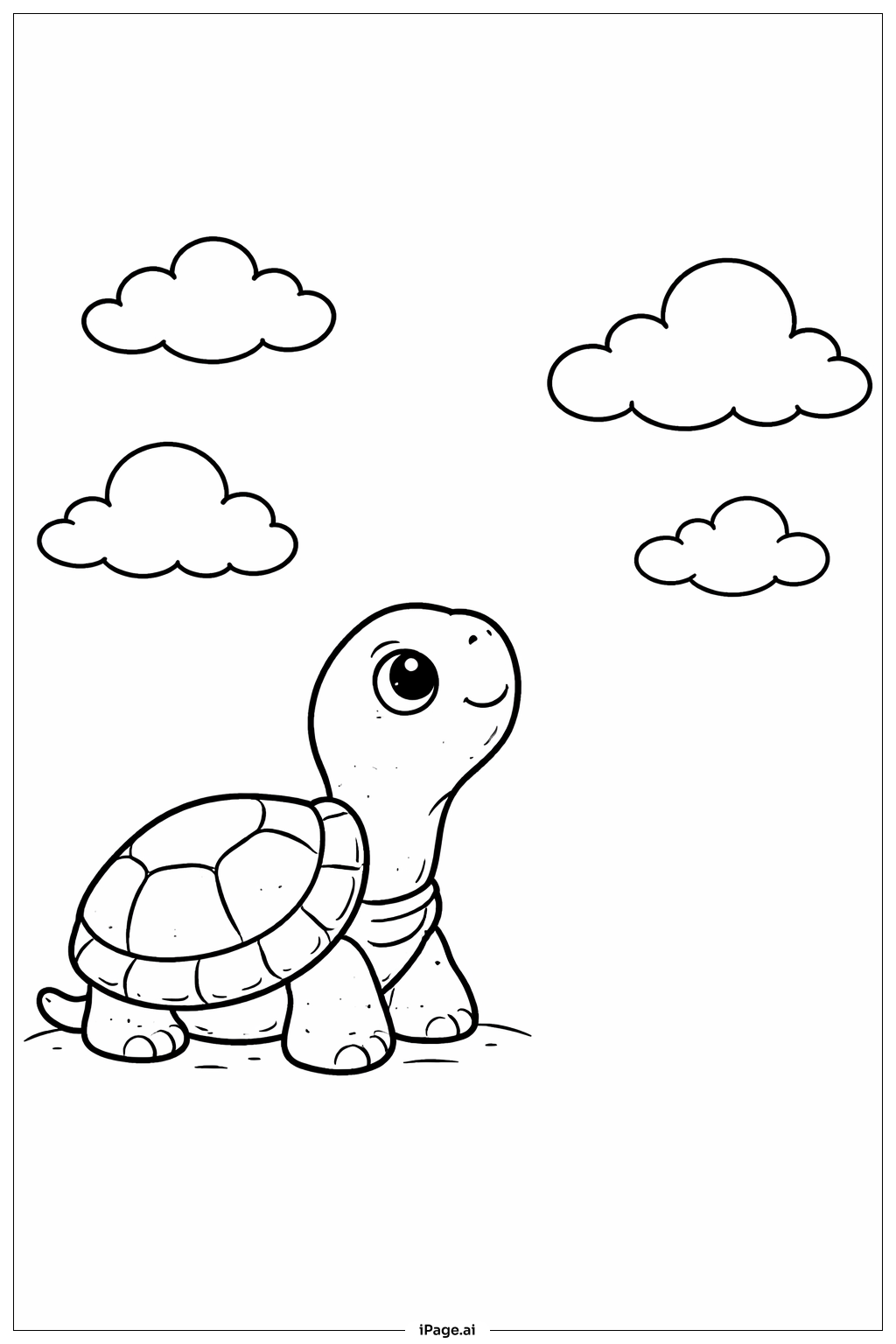
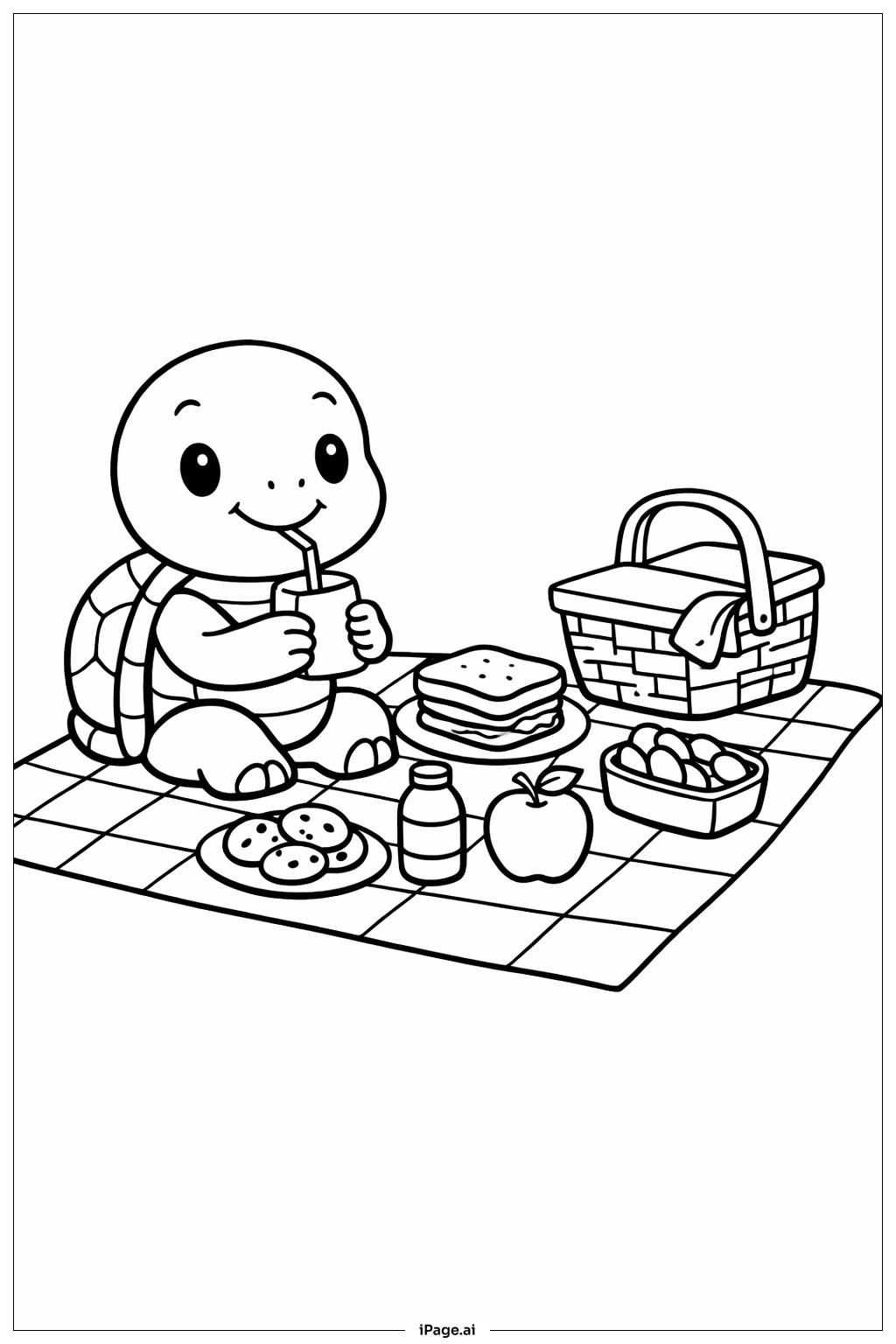
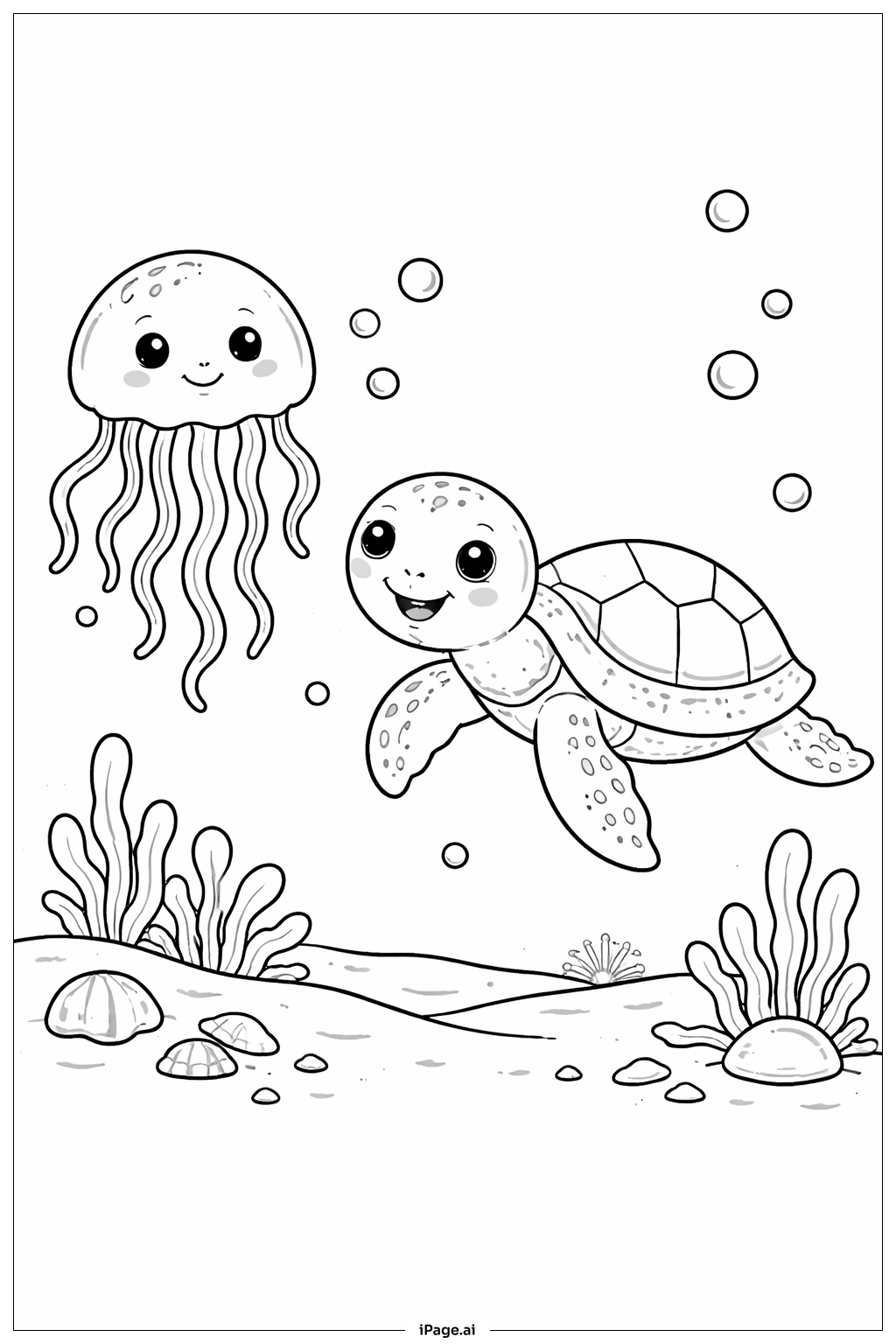
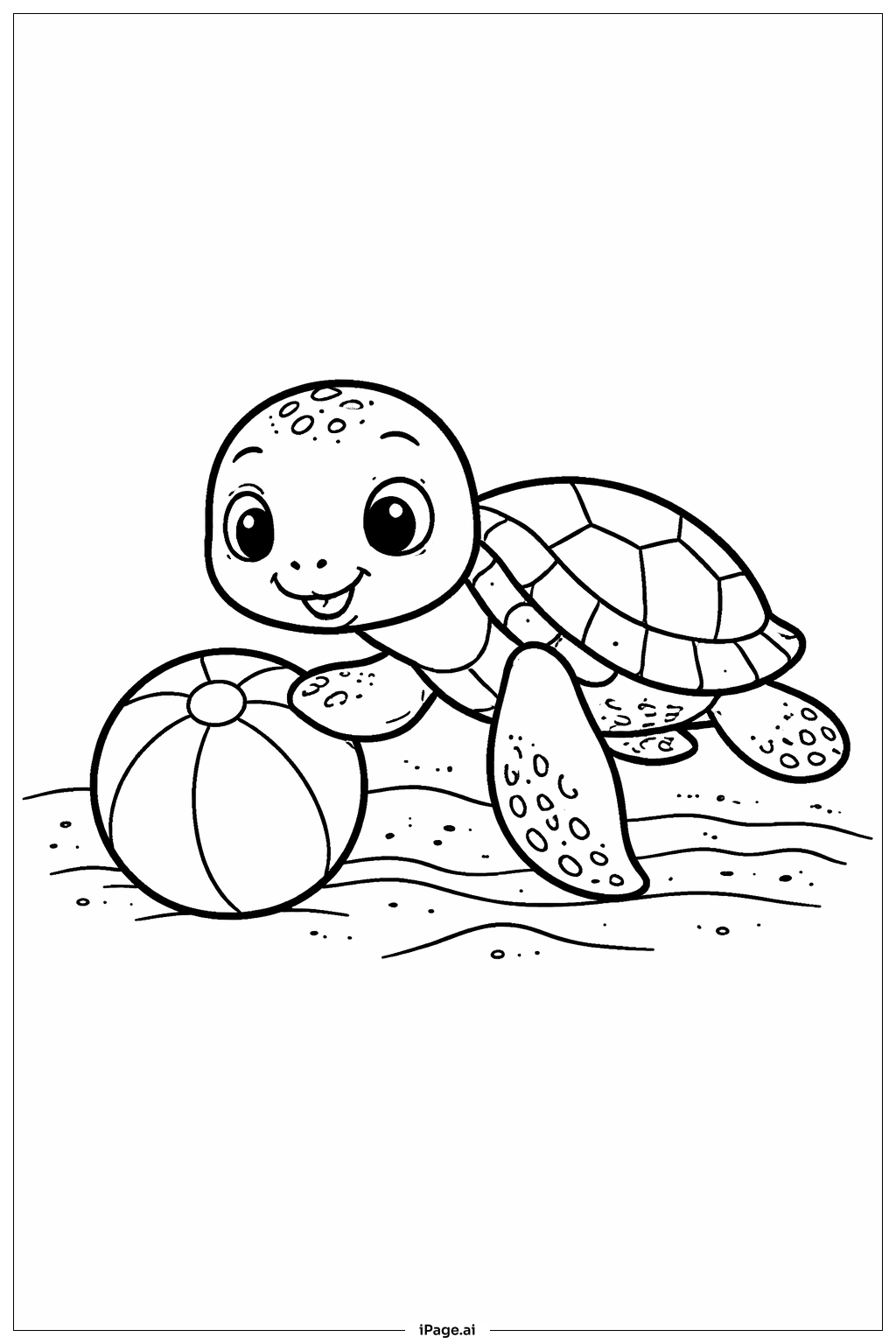
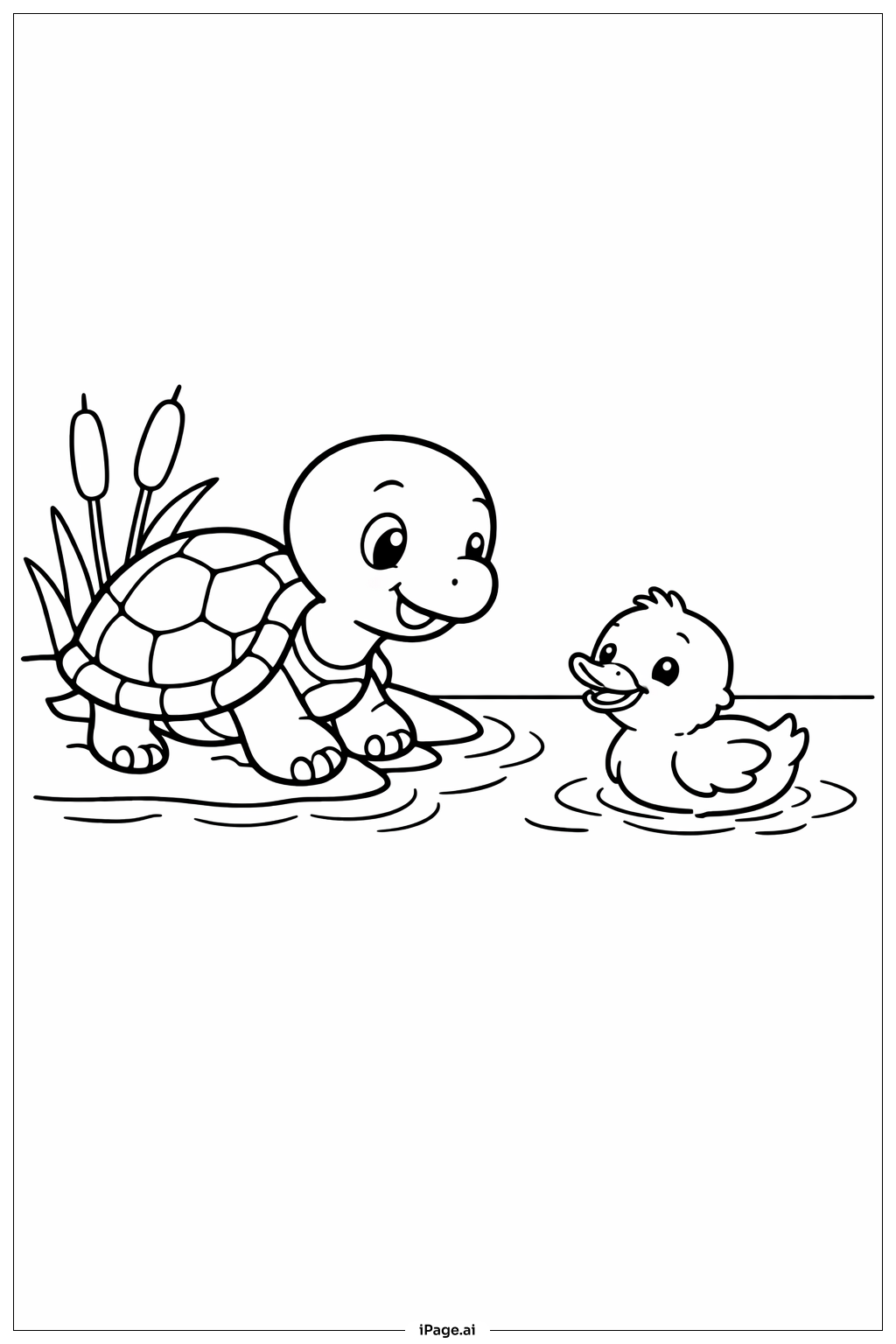
Use different shades of green and brown to color the turtle's shell and body, giving it a natural look. The duck can be colored yellow with an orange beak and feet to make it lively. Color the water in blue or light blue, and use green for the plants and cattails. Add lighter shades or white highlights to show reflections in the water for extra effect.
Coloring challenges: Which parts are difficult to color and need attention for Turtle And Little Duck coloring page?
1. Coloring the turtle's shell can be tricky because it has many small sections, making it important to stay within the lines. 2. The water ripples around the duck and turtle need gentle shading to show the effect of movement. 3. The small details, like the eyes and beaks of both animals, require careful coloring to keep them neat and expressive. 4. Coloring the plants with different shades of green might be challenging to make them look natural and varied. 5. Balancing colors so the turtle and duck stand out from the background while keeping the scene harmonious can be hard.
Benefits of coloring books: Advantages of drawing Turtle And Little Duck coloring page
Coloring this picture helps children improve their fine motor skills by practicing careful coloring inside the small lines. It also encourages creativity by choosing colors for different parts like the turtle’s shell and the duck’s feathers. The scene can teach kids about animals and their habitats. Coloring the water and plants adds a fun challenge to learn about different shades of blue and green. Overall, it promotes focus, patience, and artistic expression.