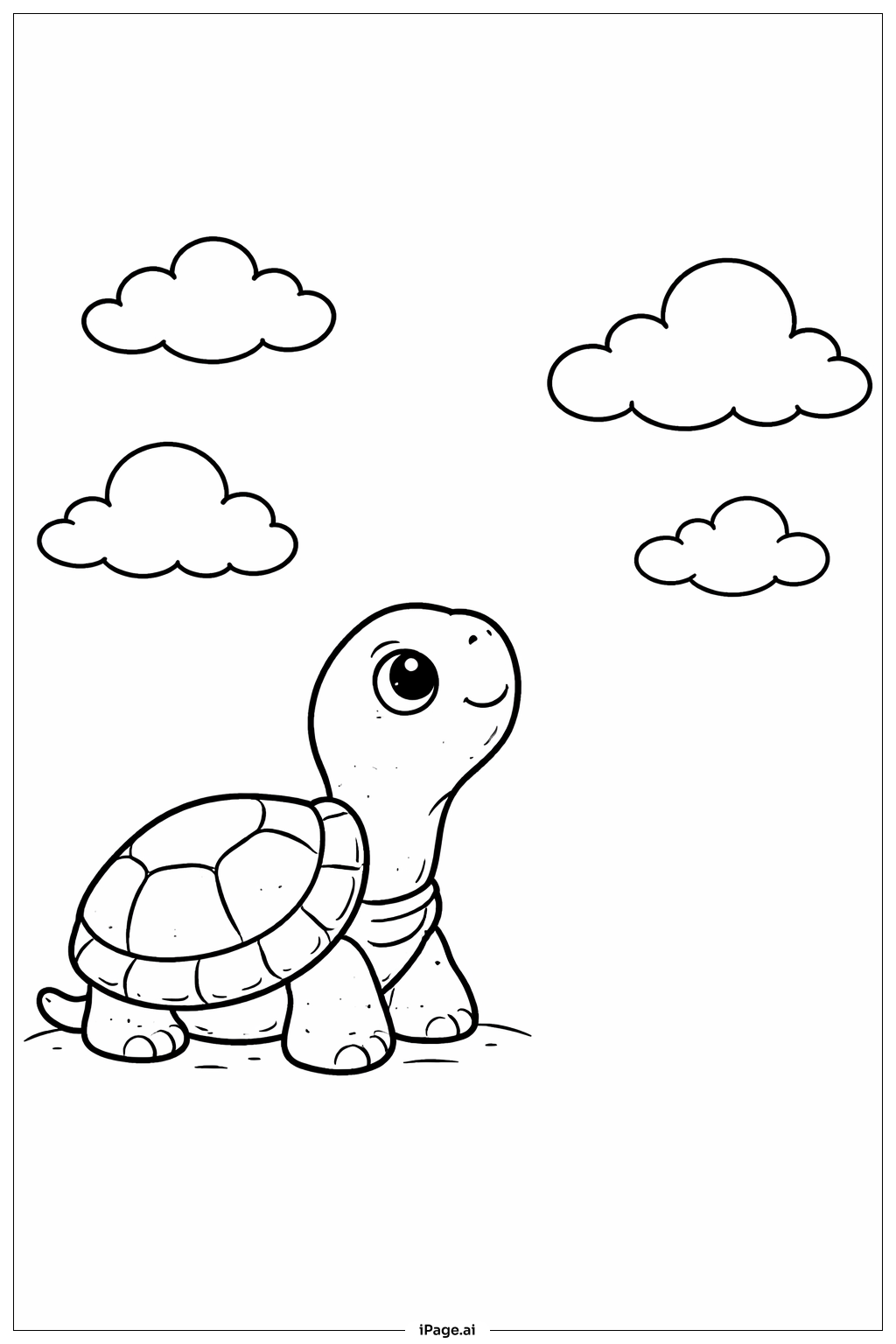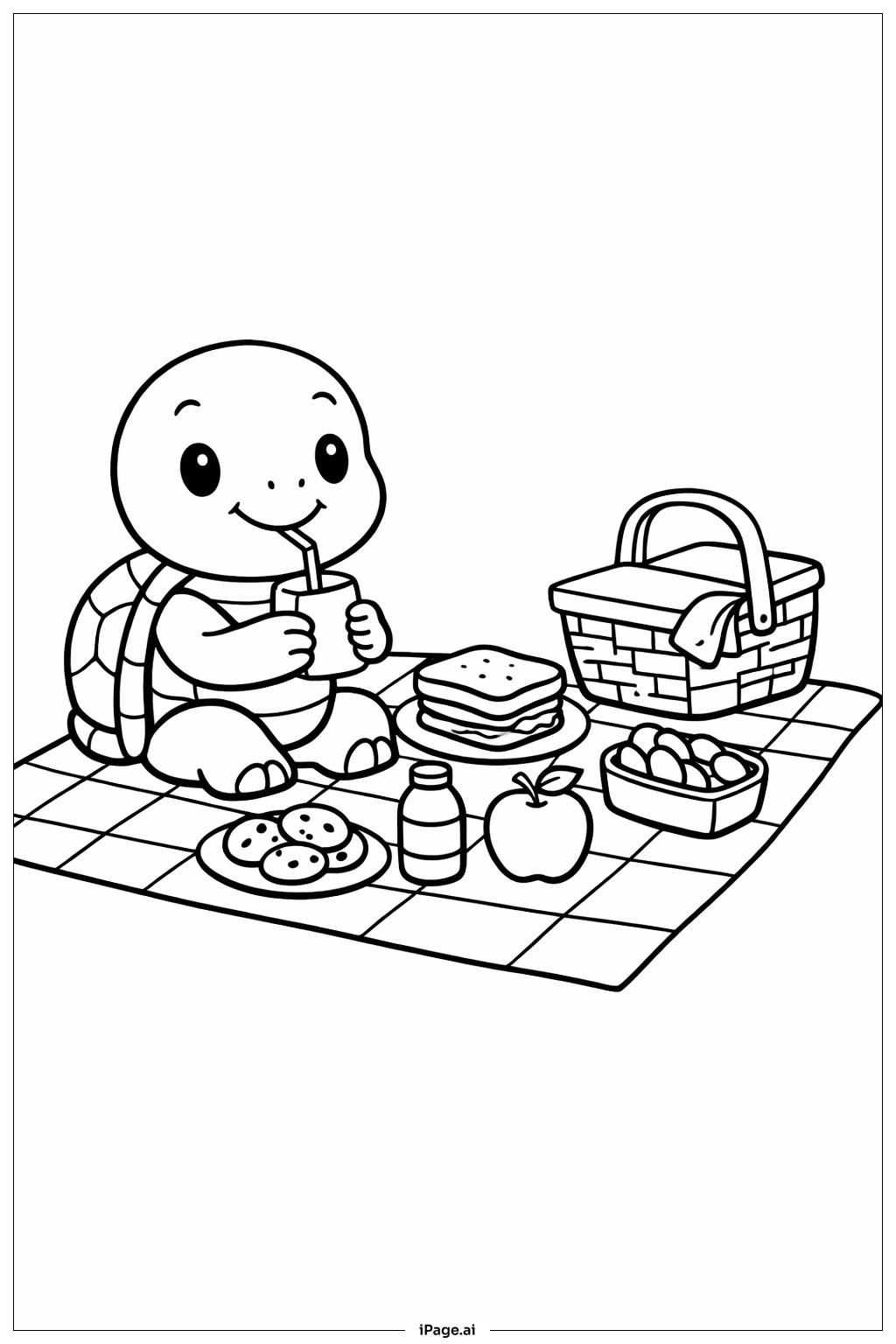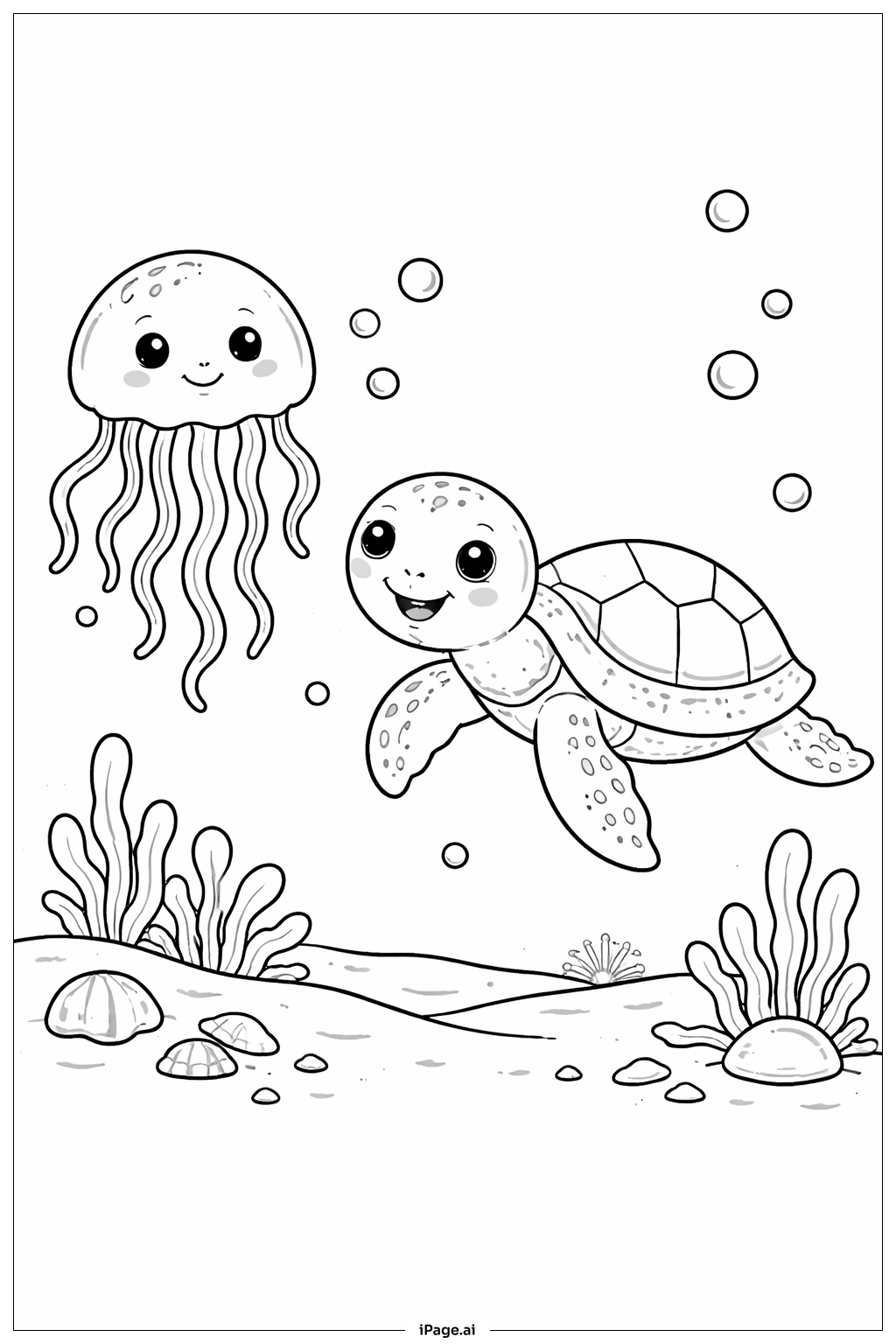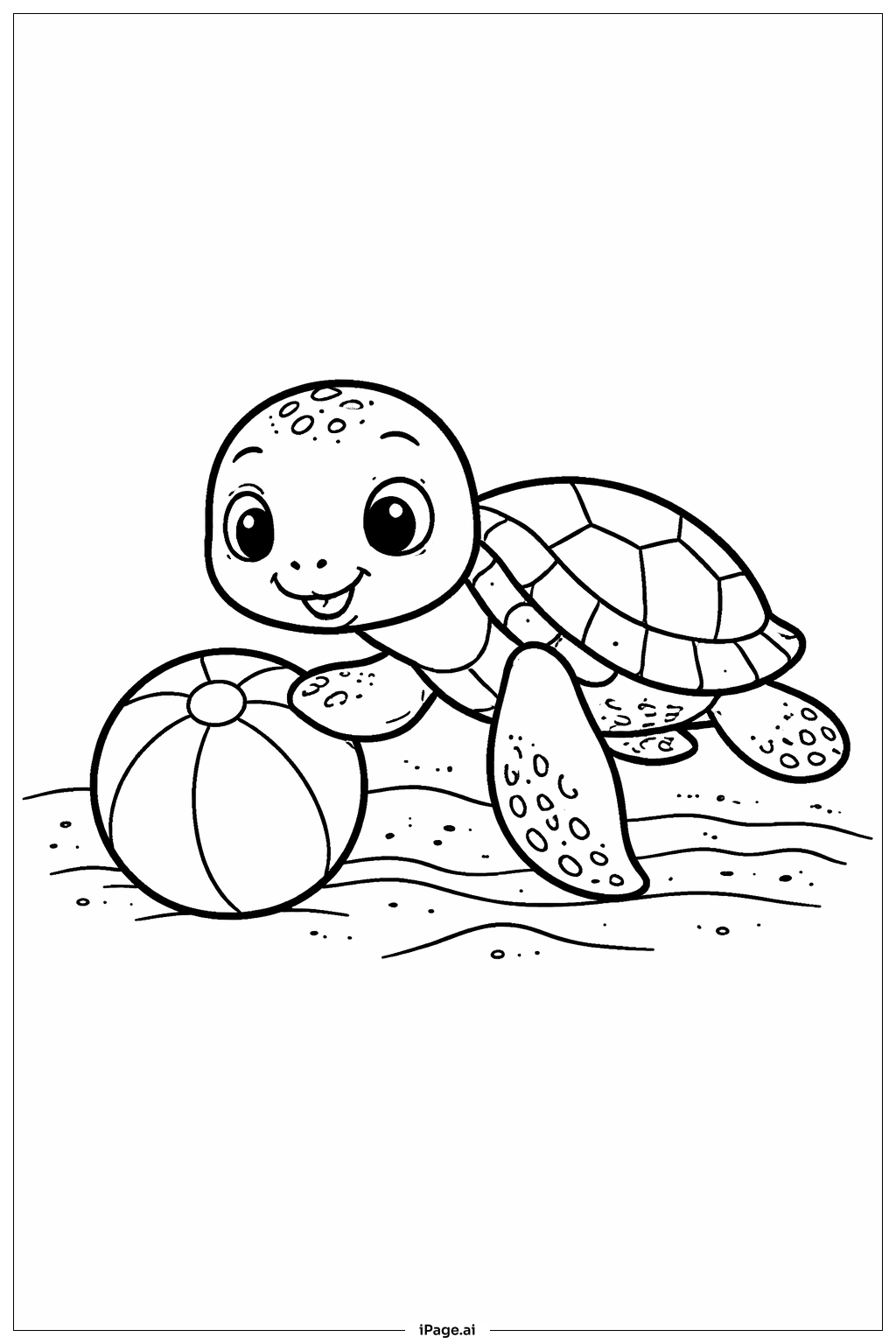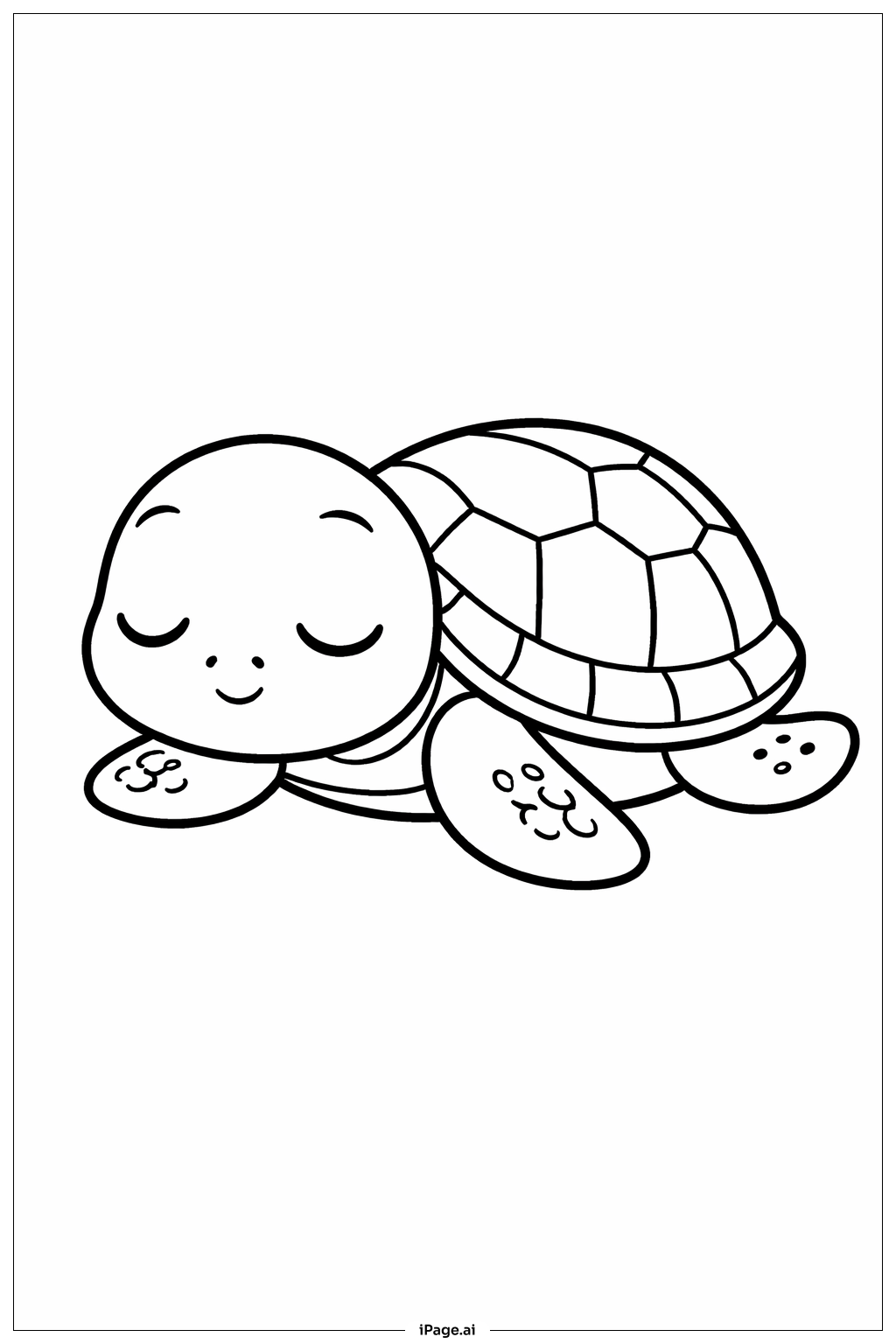
Coloring tips: How to color Sleepy Turtle coloring page well?
Start with the turtle's shell. Use different shades of green — light green for the raised segments and darker green for the borders between them. This gives the shell a three-dimensional look. For the turtle's body, head, and legs, use a soft medium green or olive tone. Color the face with warm, light skin-like tones if you like, and use a pale pink or rosy color for the cheeks to make the turtle look extra cute and sleepy. The stars around the turtle can be colored yellow or gold. Use soft blues, purples, or navy tones for the background to create a calm nighttime feel. The clouds can be light gray, lavender, or pale blue. Keep your colors soft and blended to match the peaceful, dreamy mood of the image. Do not be afraid to mix colors for the shell panels — adding slight variations of green, teal, or even brown can make the shell look more natural and interesting.
Coloring challenges: Which parts are difficult to color and need attention for Sleepy Turtle coloring page?
• Shell Pattern Complexity: The turtle's shell is divided into many geometric segments — hexagons and pentagons — each separated by thin border lines. Staying neatly inside each small panel requires careful, controlled coloring strokes. Younger children may find it tricky to color every segment without crossing the lines. Using a sharp colored pencil or a fine-tipped marker can help keep the work clean and precise.
• Shading the Domed Shell: The shell has a rounded, three-dimensional shape. To make it look realistic and full, you need to use lighter colors at the top of the dome and gradually shade darker toward the edges. This kind of gradient shading can be challenging for beginners, but practicing gentle circular strokes with your pencil will help blend the colors smoothly.
• Tiny Facial Details: The turtle's face is small and includes closed eyes, a tiny smile, and rosy cheeks. These details are very close together and require a delicate touch. Using a fine-point tool for the face and switching to broader strokes for the body will help you manage the size differences without smudging.
• Background Atmosphere: The stars, ZZZ letters, and cloud shapes floating around the turtle need to be colored in a way that feels soft and dreamy without overpowering the turtle itself. Balancing the background colors so they complement rather than distract from the main subject takes some planning before you start.
• Consistent Color Theme: Keeping a harmonious color palette across the whole image — body, shell, face, and background — can be difficult. Choosing your colors in advance and doing small test strokes on a separate piece of paper will help you stay consistent throughout.
Benefits of coloring books: Advantages of drawing Sleepy Turtle coloring page
Coloring this Sleepy Turtle image brings many wonderful benefits for both kids and adults. The calming theme of a sleeping turtle naturally encourages a relaxed, focused state of mind, making it a great activity to wind down after a busy day. For children, working on the detailed shell pattern helps develop fine motor skills and improves hand-eye coordination as they carefully color within the small geometric segments. It also builds patience and concentration, skills that are valuable in school and everyday life. Choosing colors for the shell, body, and dreamy background sparks creativity and encourages children to experiment with color combinations and shading. For older kids and adults, the challenge of shading the dome and balancing the background offers a satisfying, meditative experience similar to mindfulness practice. Completing the image gives a real sense of accomplishment and boosts self-confidence. The peaceful subject matter — a little turtle sleeping under the stars — can also inspire conversations about nature, sleep habits, and the importance of rest. Overall, this coloring page is a joyful, calming, and enriching activity for anyone who picks up a crayon or colored pencil.