Coloring tips: How to color Baby Turtle coloring page well?
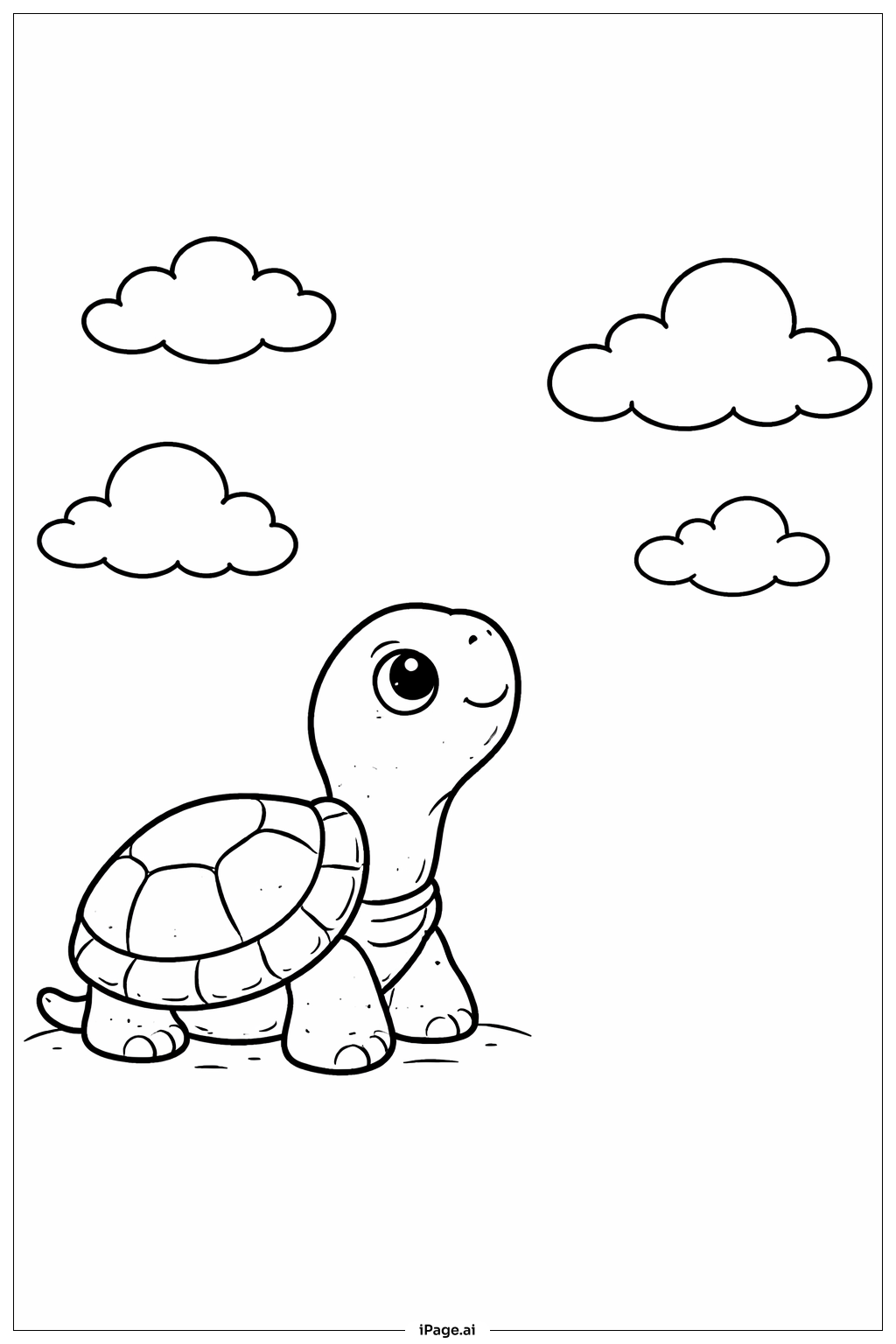
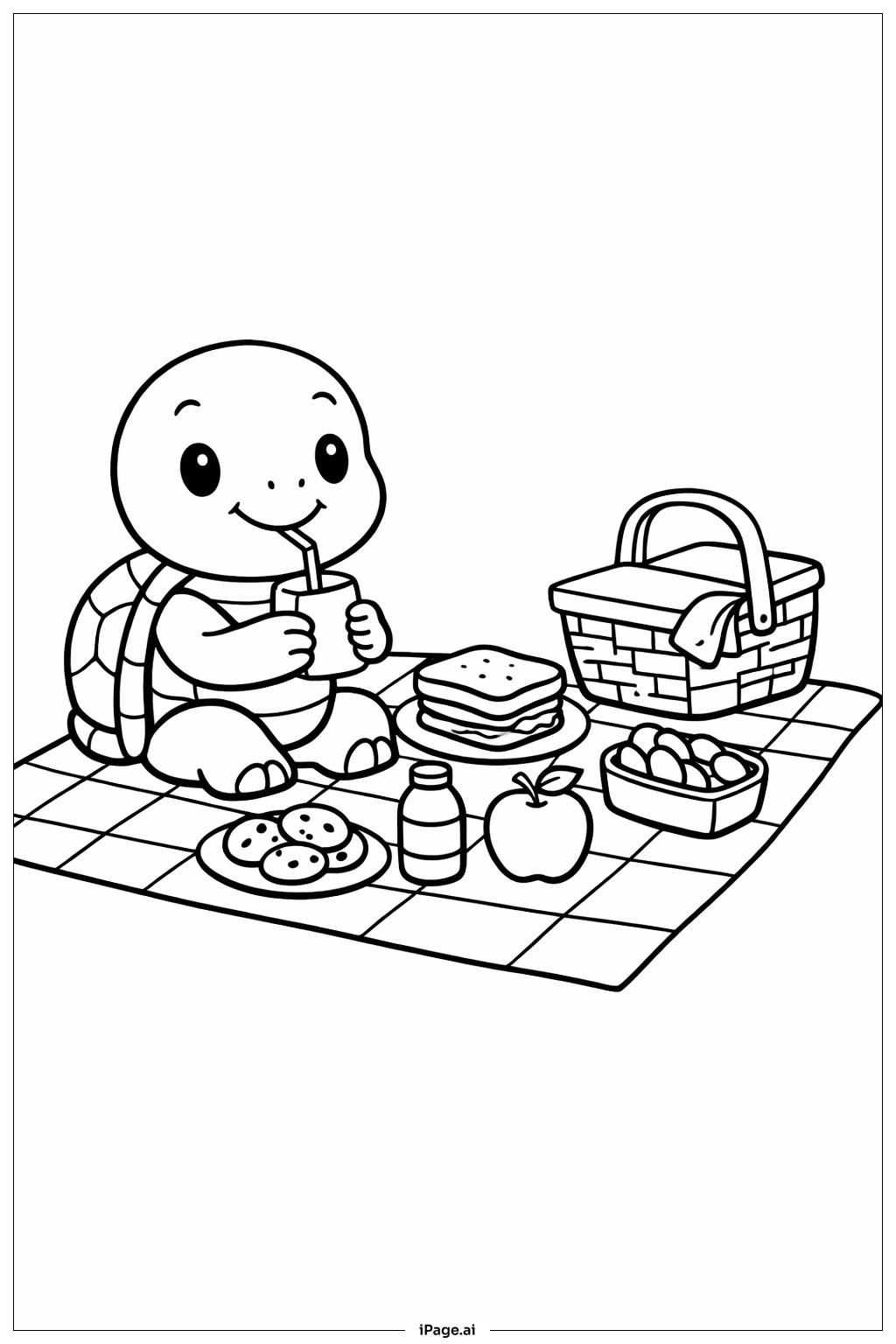
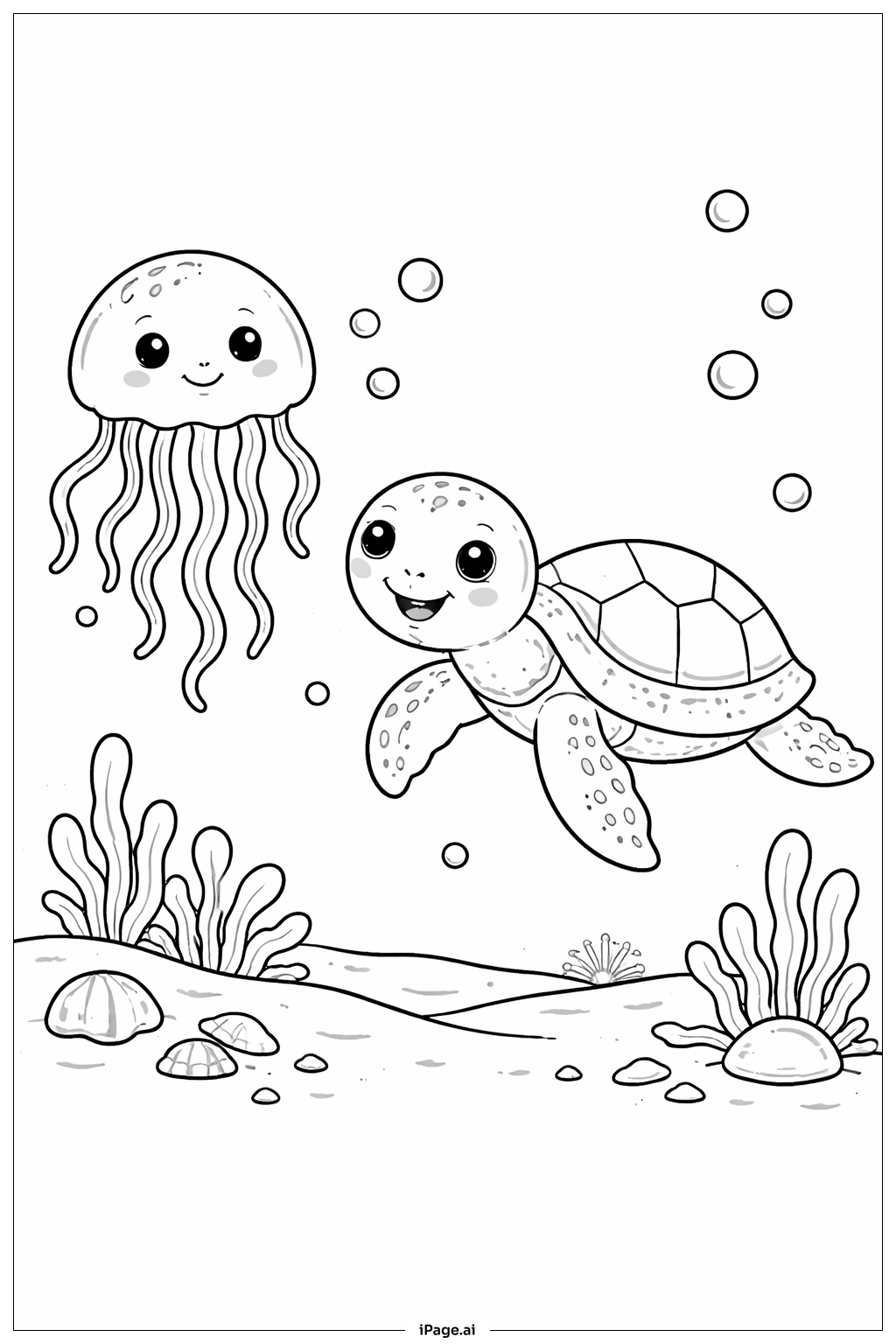
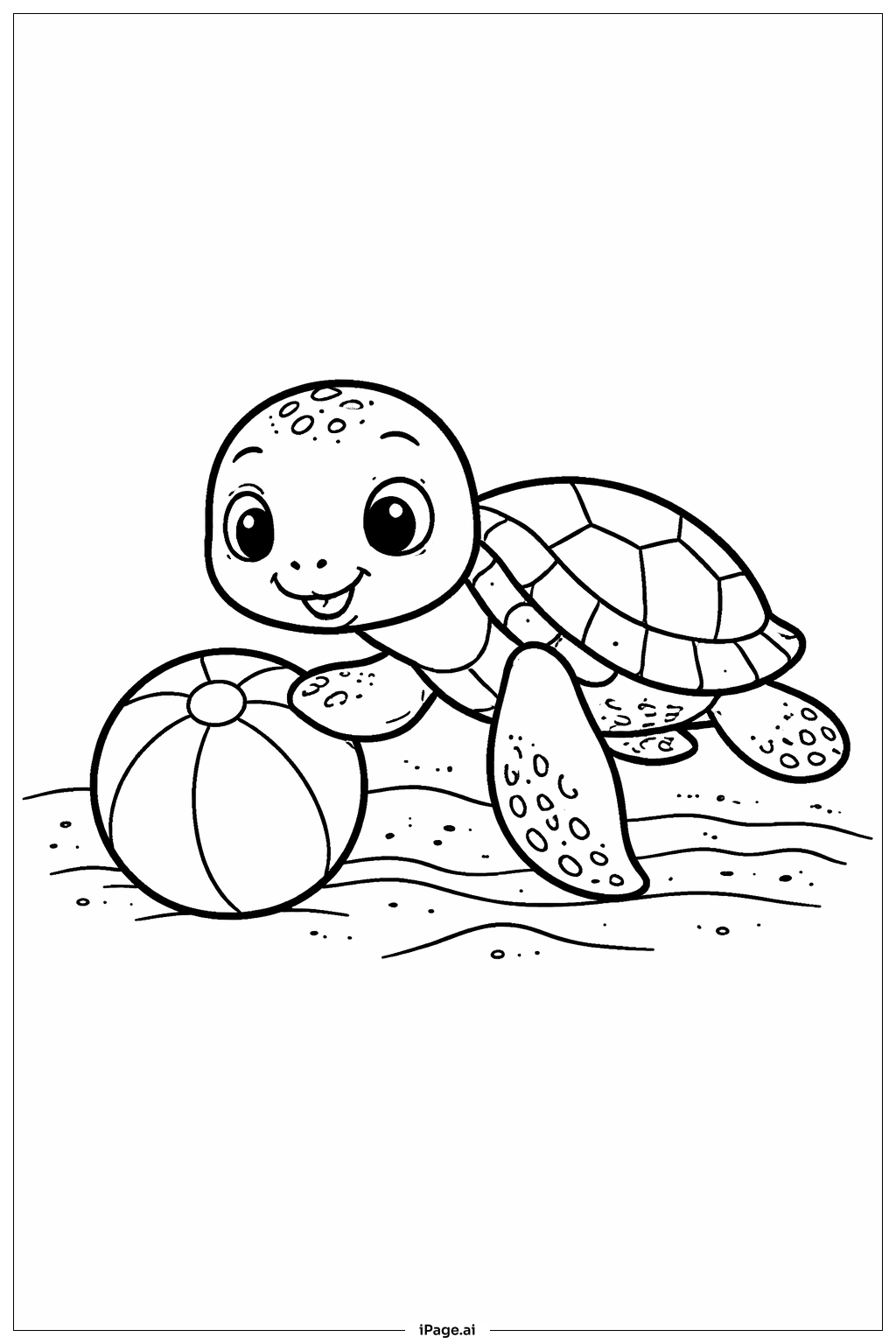
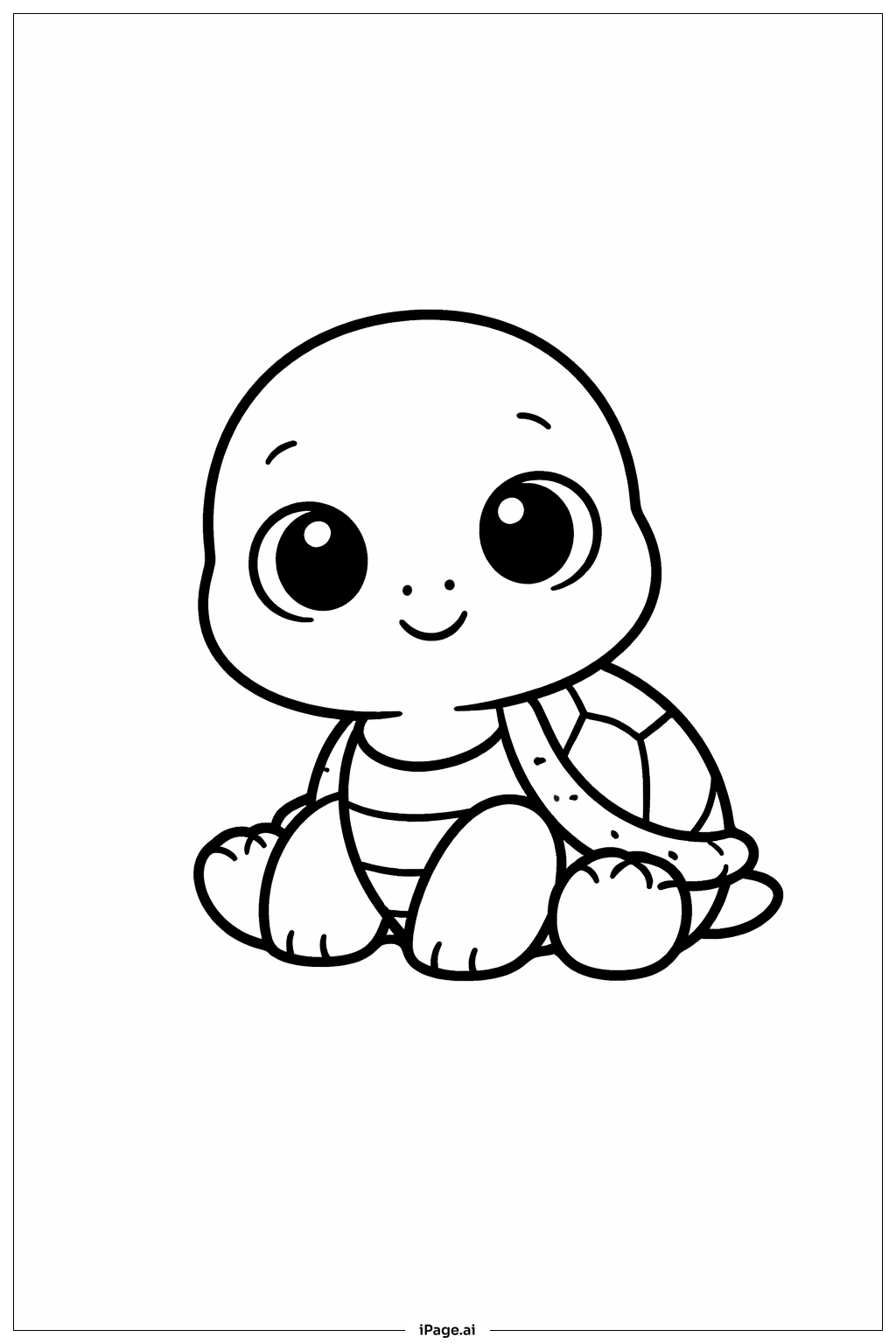
Start with the turtle's shell — it is the main feature of this image. Use different shades of green, such as olive, lime, and forest green, to fill in the separate shell sections. This makes the pattern look lively and interesting. For the skin and flippers, try a soft yellow-green or teal color. Use a darker shade along the edges of each flipper to add depth. Color the big eyes with dark brown or black pupils, and leave a tiny white spot to show a highlight — this makes the eyes look bright and alive. For the background, light blue or aqua works well to suggest water. You can add streaks of white or pale blue to show ripples and movement. If you want a fun twist, try making each shell section a different color of the rainbow. There are no wrong choices here — just have fun and let your imagination go!
Coloring challenges: Which parts are difficult to color and need attention for Baby Turtle coloring page?
• Shell Pattern Complexity: The turtle's shell is made up of many small hexagonal sections, each separated by clear outlines. Staying inside the lines of each tiny section takes patience and a steady hand. Using a fine-tipped coloring tool will help you fill each piece neatly without going over the borders.
• Creating Depth on the Shell: A flat green shell can look dull. The real challenge is using light and dark shades of the same color to make each shell section look rounded and three-dimensional. Try coloring the center of each hexagon lighter and darkening the edges to give it a bumpy, dome-like feel.
• Coloring the Small Flippers: The baby turtle's flippers are tiny and detailed. They have curved edges and delicate lines that show texture and movement. It can be tricky to shade these small areas smoothly, especially where the flippers meet the body. Work slowly and use short, gentle strokes.
• Facial Details and Eyes: The eyes are small but very important. Getting the right balance of dark pupil, colored iris, and bright white highlight in such a small space is one of the trickiest parts of this image. A fine pen or a sharp colored pencil tip works best here.
• Background Water Effect: Creating a convincing water background requires blending multiple shades of blue and teal smoothly. Avoiding harsh lines while still suggesting ripples and depth around the turtle is a skill that takes careful layering and patience.
Benefits of coloring books: Advantages of drawing Baby Turtle coloring page
Coloring this baby turtle page offers a wonderful mix of fun and learning for kids and young artists. The detailed shell pattern is great for building focus and concentration. Carefully filling in each hexagonal section one at a time teaches patience and attention to detail — skills that help in school and everyday life. Choosing colors for the shell, skin, and water background encourages creative thinking and color awareness. Kids get to experiment with shading and blending, which builds early art skills in a pressure-free way. The process of finishing a complete image also gives a strong sense of accomplishment and pride. For younger children, staying inside the lines helps develop fine motor skills and hand-eye coordination. For older kids and teens, the challenge of creating depth and texture on the shell makes this a genuinely satisfying artistic exercise. Overall, this coloring page is a calming, enjoyable activity that sparks imagination, builds confidence, and connects children with the natural world through art.