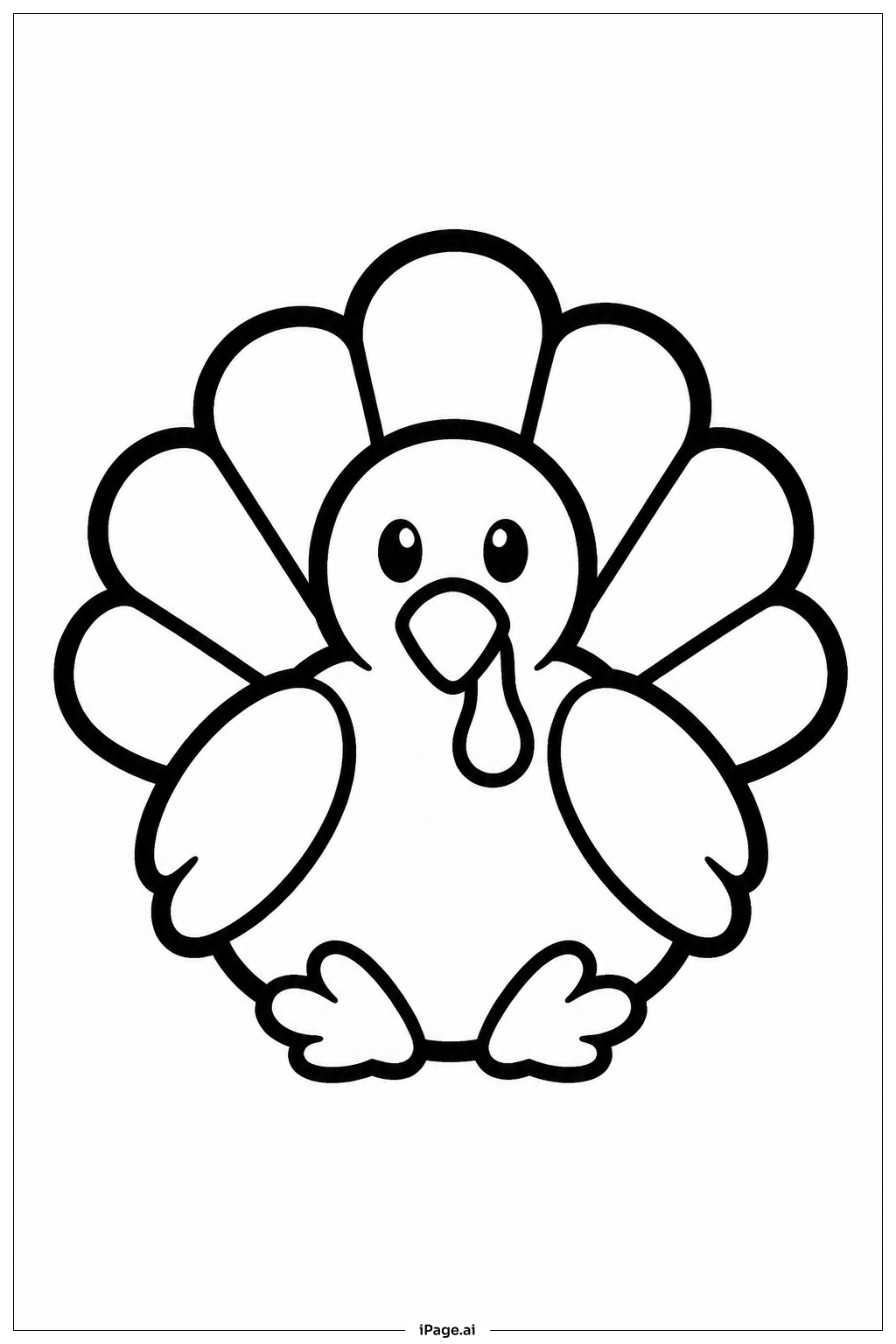
Coloring tips: How to color Turkey Sitting coloring page well?
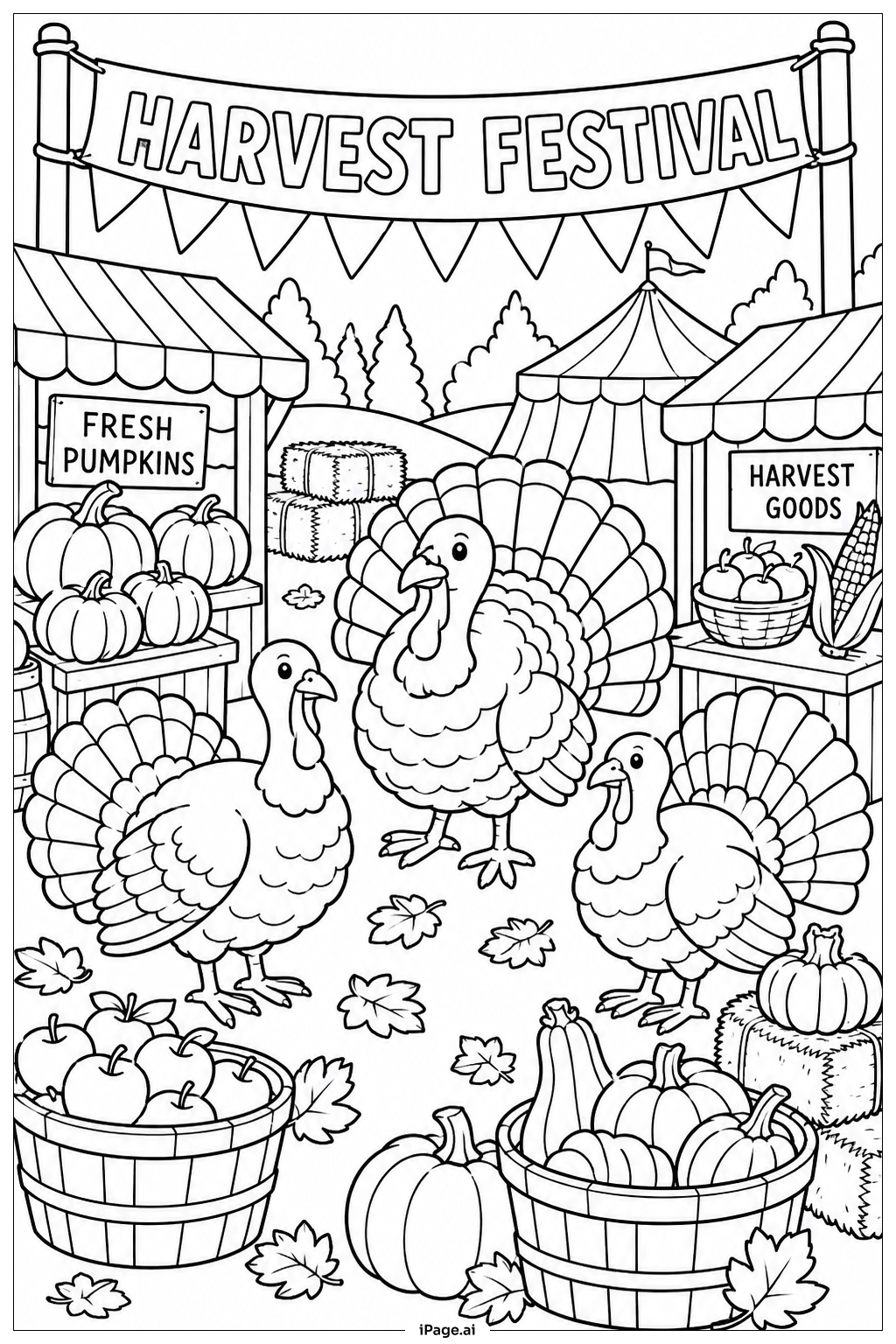
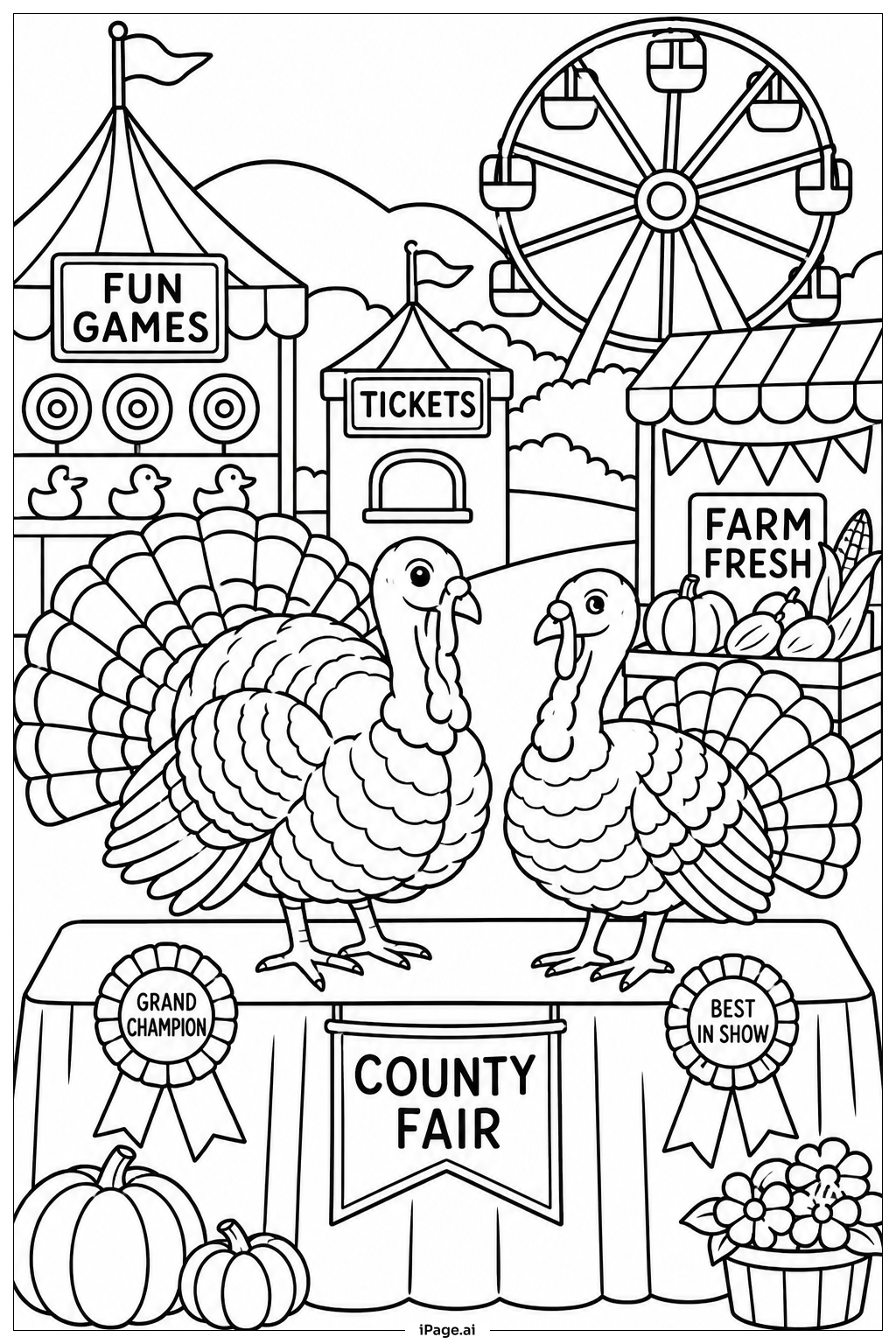
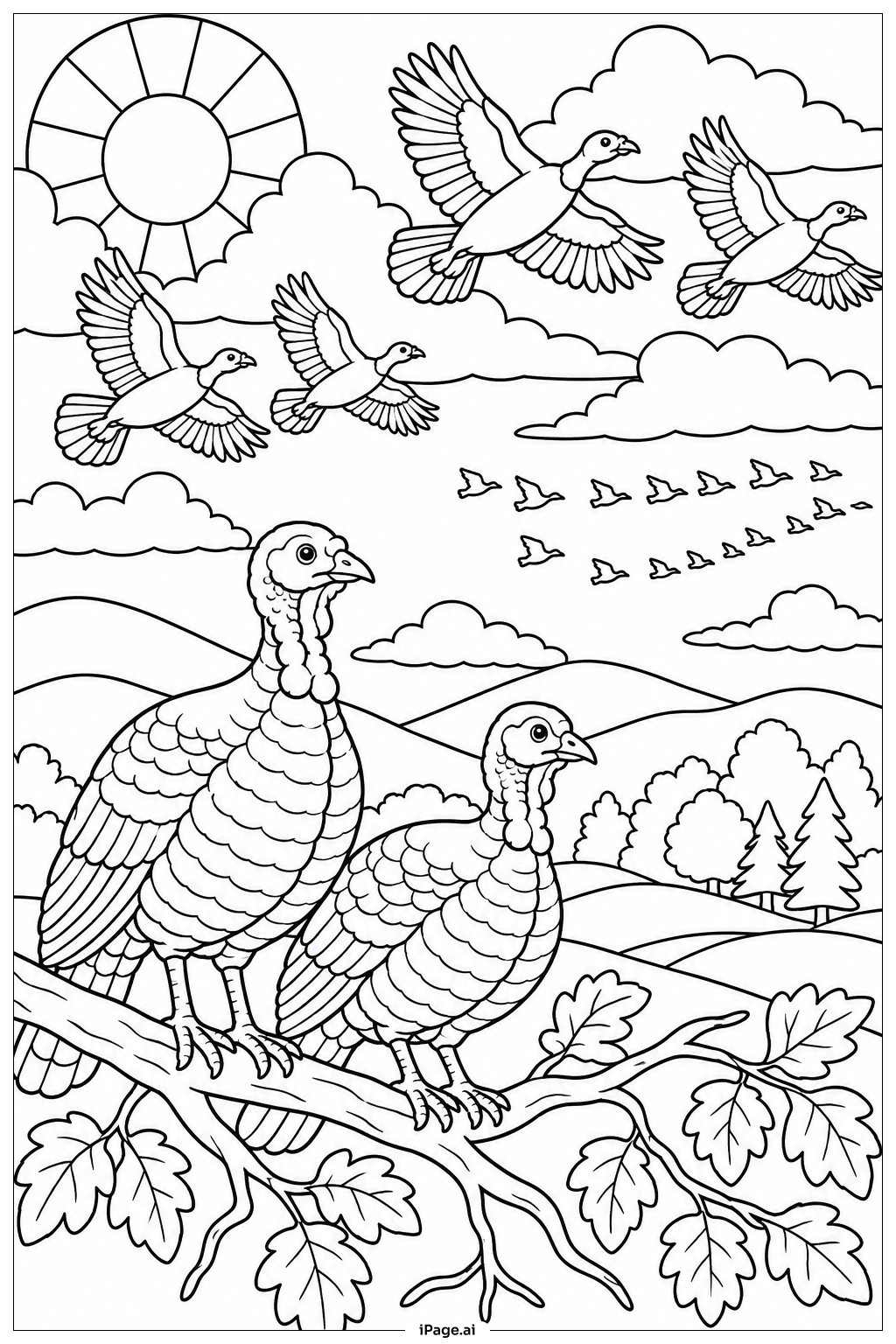
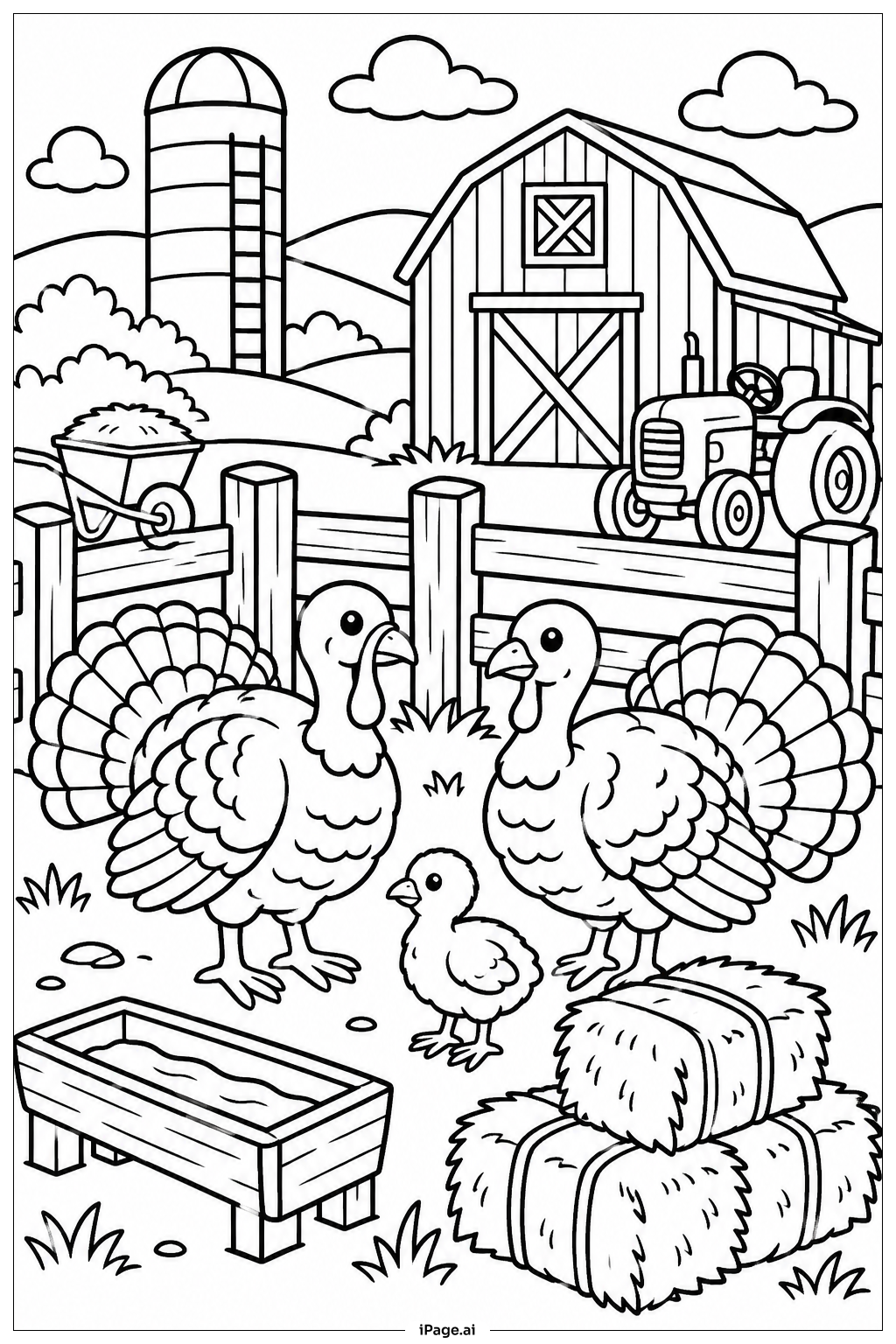
For coloring this image, consider using warm and natural shades to bring the Turkey to life. Browns, russet, and oranges work well for the feathers, with touches of cream or tan for lighter areas. The tail feathers can be colored in deeper shades like deep red, dark brown, or even a bit of golden yellow to create a beautiful fan effect. The Turkey’s head can be colored with reds and blues to highlight its wattle and skin texture. For the background, soft greens or earth tones will make the Turkey stand out nicely. Encourage children to use light strokes first and then add layers for detail and depth.
Coloring challenges: Which parts are difficult to color and need attention for Turkey Sitting coloring page?
• Feather Patterns: The Turkey’s feathers have many small sections and lines that require careful coloring to stay within the edges and help the details stand out.
• Tail Fan Shape: The tail feathers form a rounded fan, which can be tricky to color evenly without overlapping or making it look messy.
• Shading Areas: Some parts of the Turkey’s body have shadows to show curves, so using gradual color changes instead of a flat color can be challenging.
• Small Details: The wattle and head have small areas with fine lines that need attention and may be difficult for younger children to color precisely.
• Leg Position: Since the legs are tucked under, the viewer may need to imagine the hidden parts, so coloring around this area requires care not to confuse the shapes.
Benefits of coloring books: Advantages of drawing Turkey Sitting coloring page
Coloring this Turkey Sitting image helps children develop fine motor skills by practicing steady hand movements and attention to detail. It encourages observation as they consider natural colors and patterns on a real turkey. The simple yet rich design allows for creativity while building confidence through manageable complexity. Coloring such an animal also introduces young learners to wildlife and nature, sparking curiosity about animals and their habitats. Finally, focusing on shading and layering colors helps improve understanding of how to create depth and realism in artwork, which are useful skills for overall artistic growth.