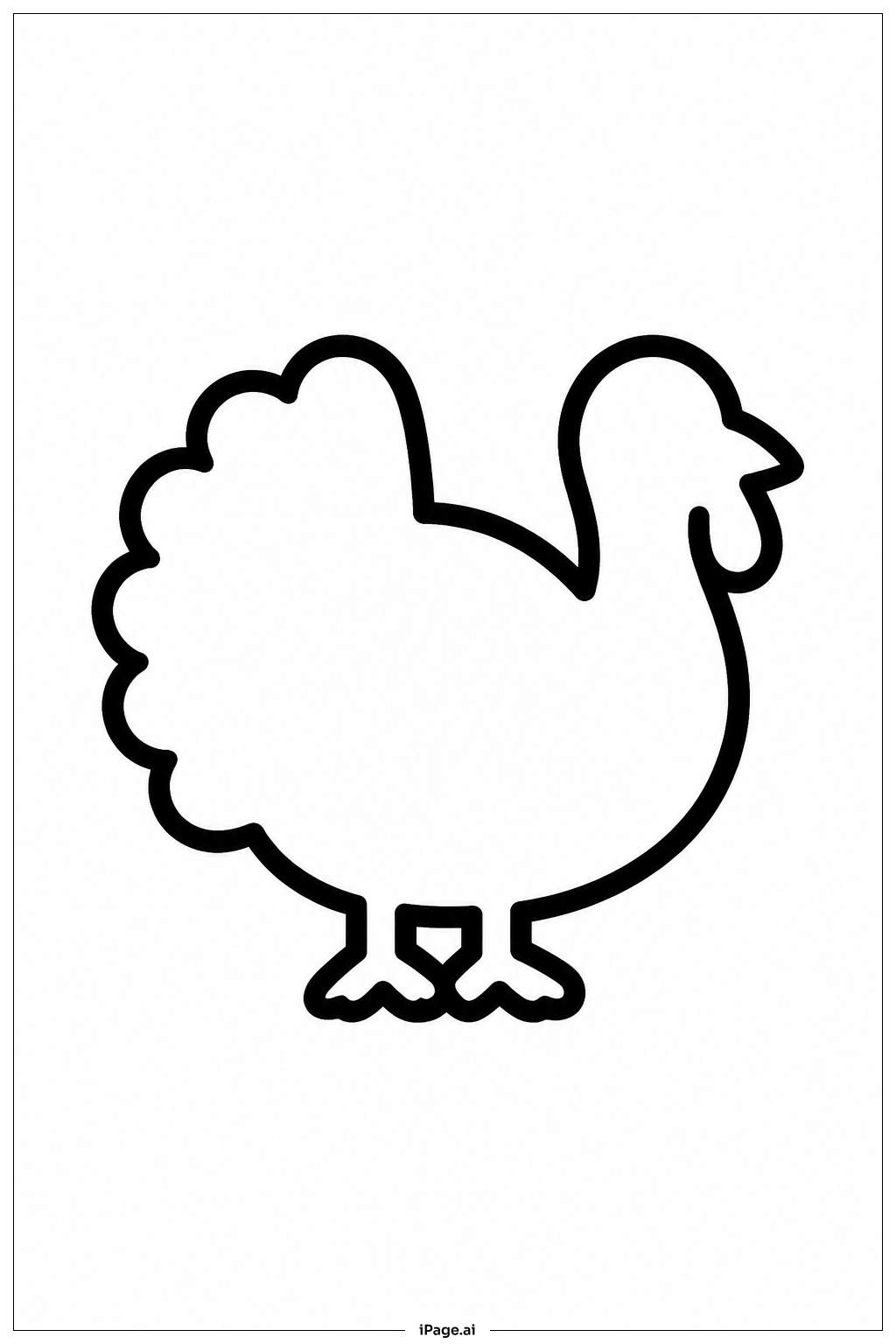
Coloring tips: How to color Turkey Silhouette coloring page well?
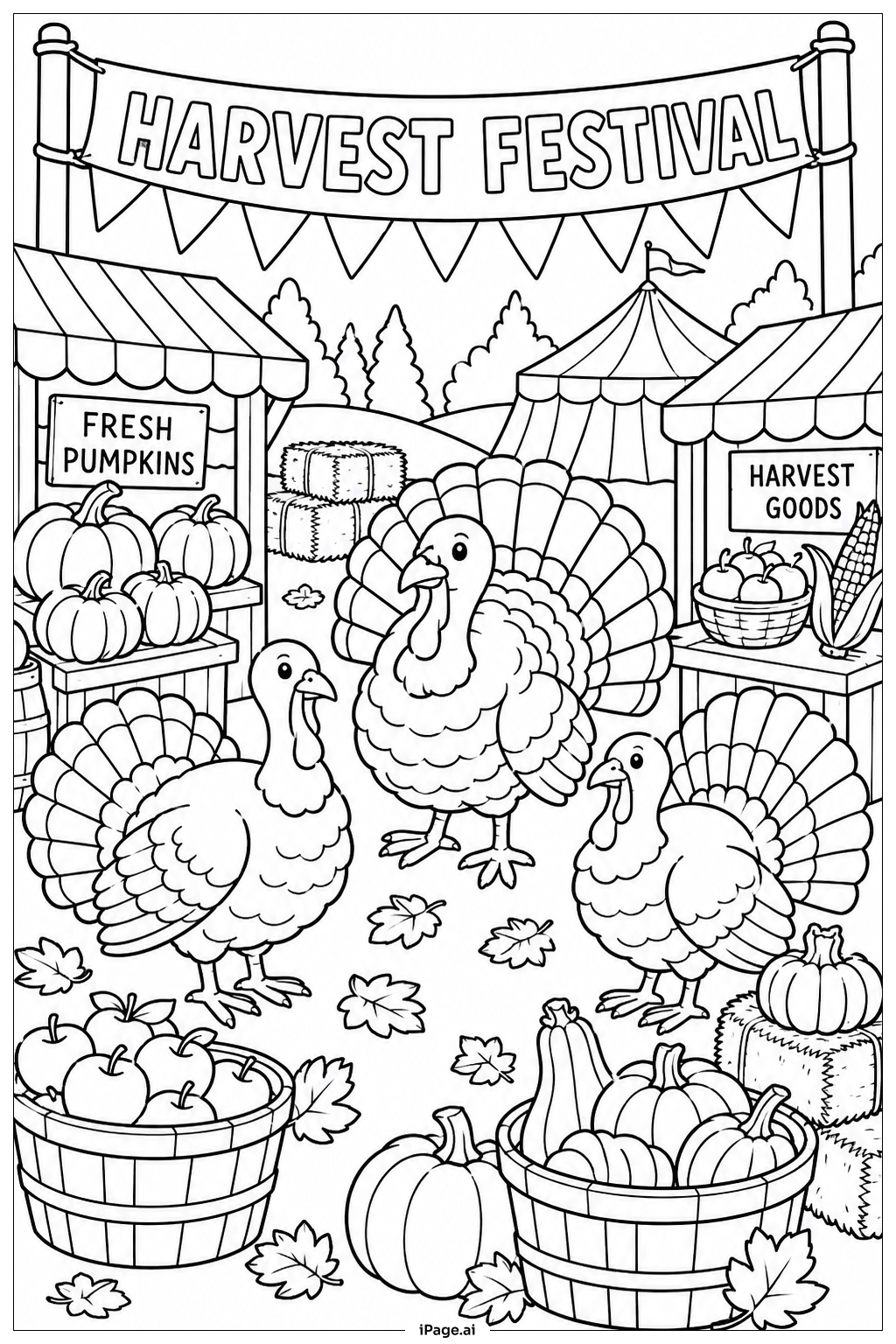
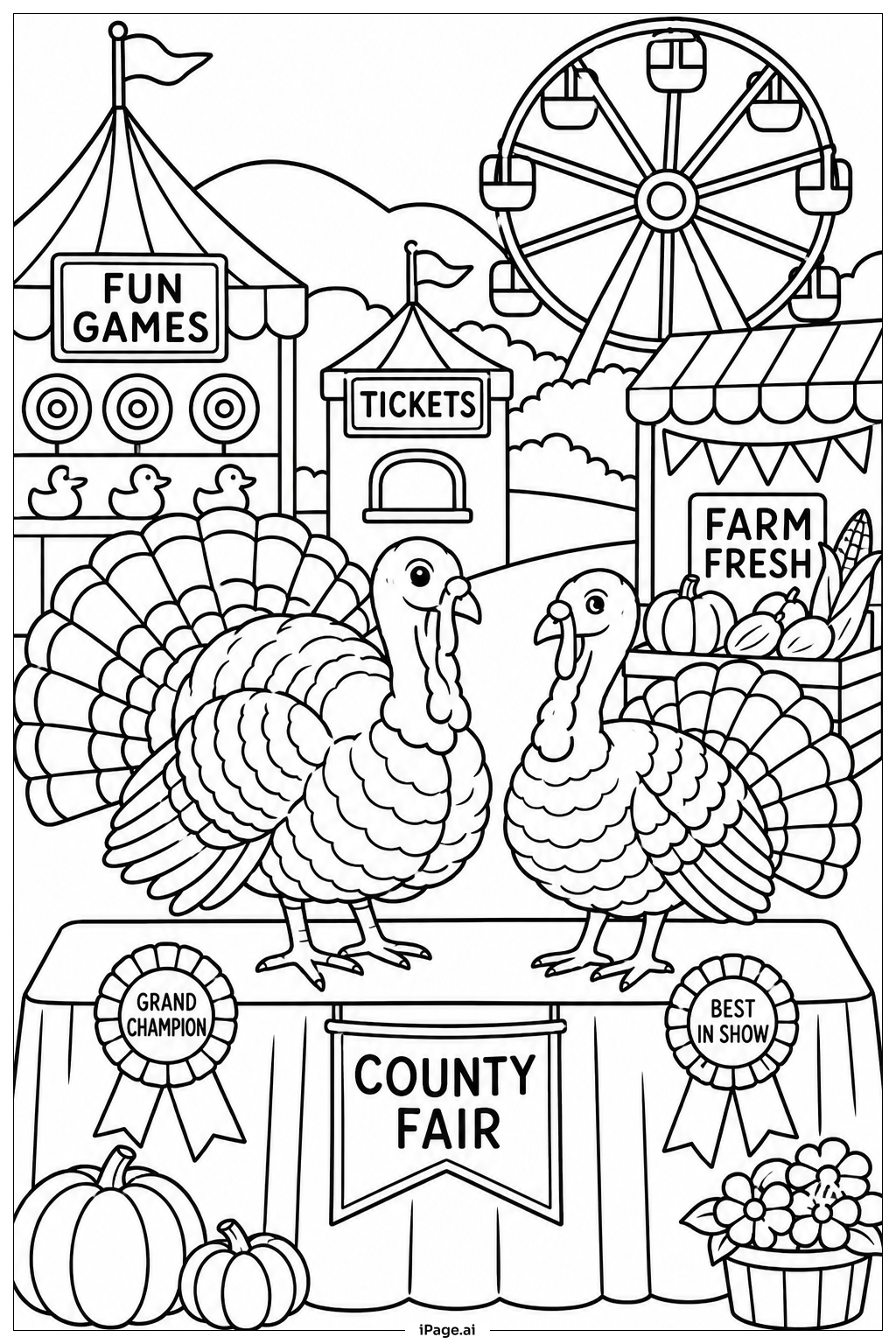
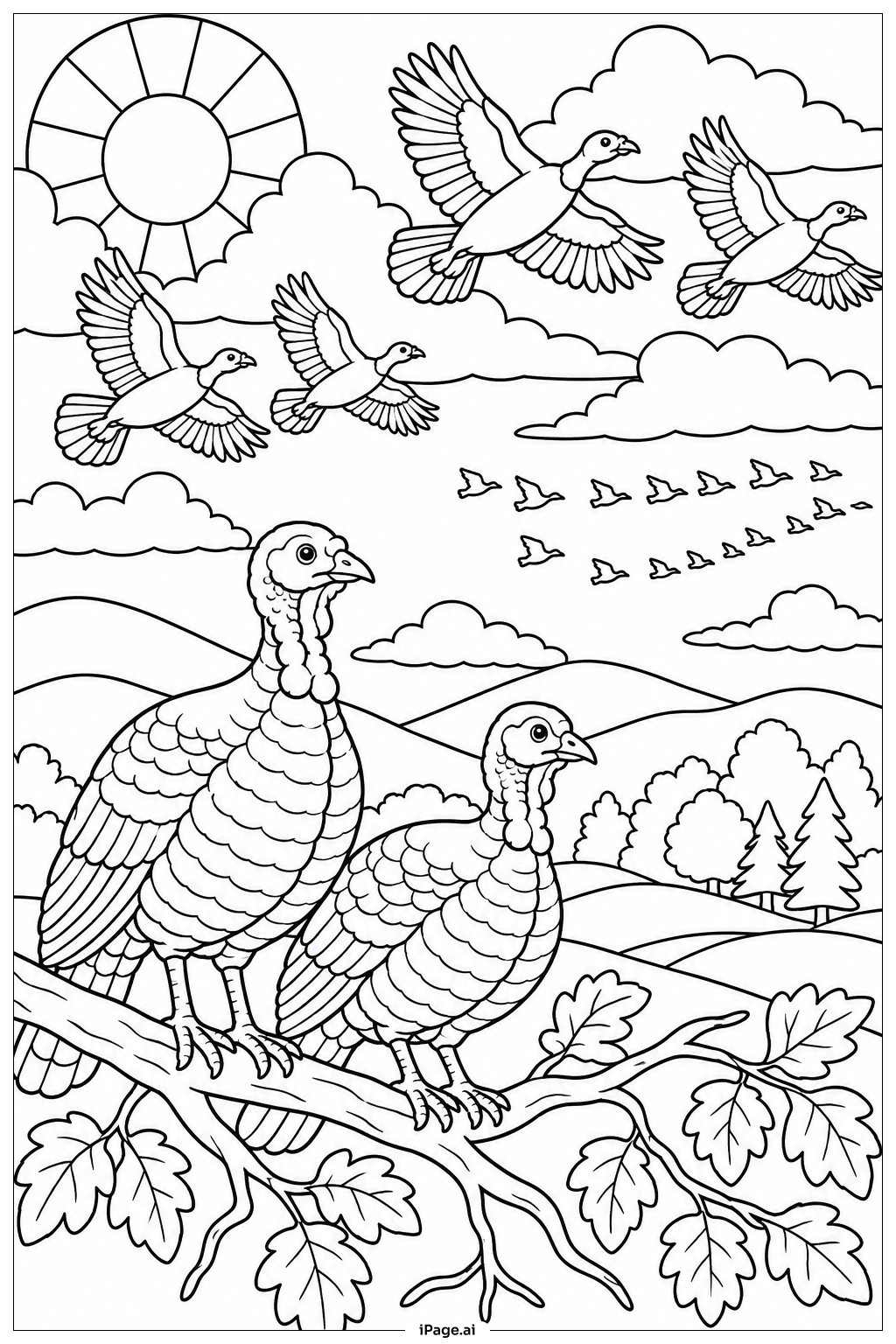
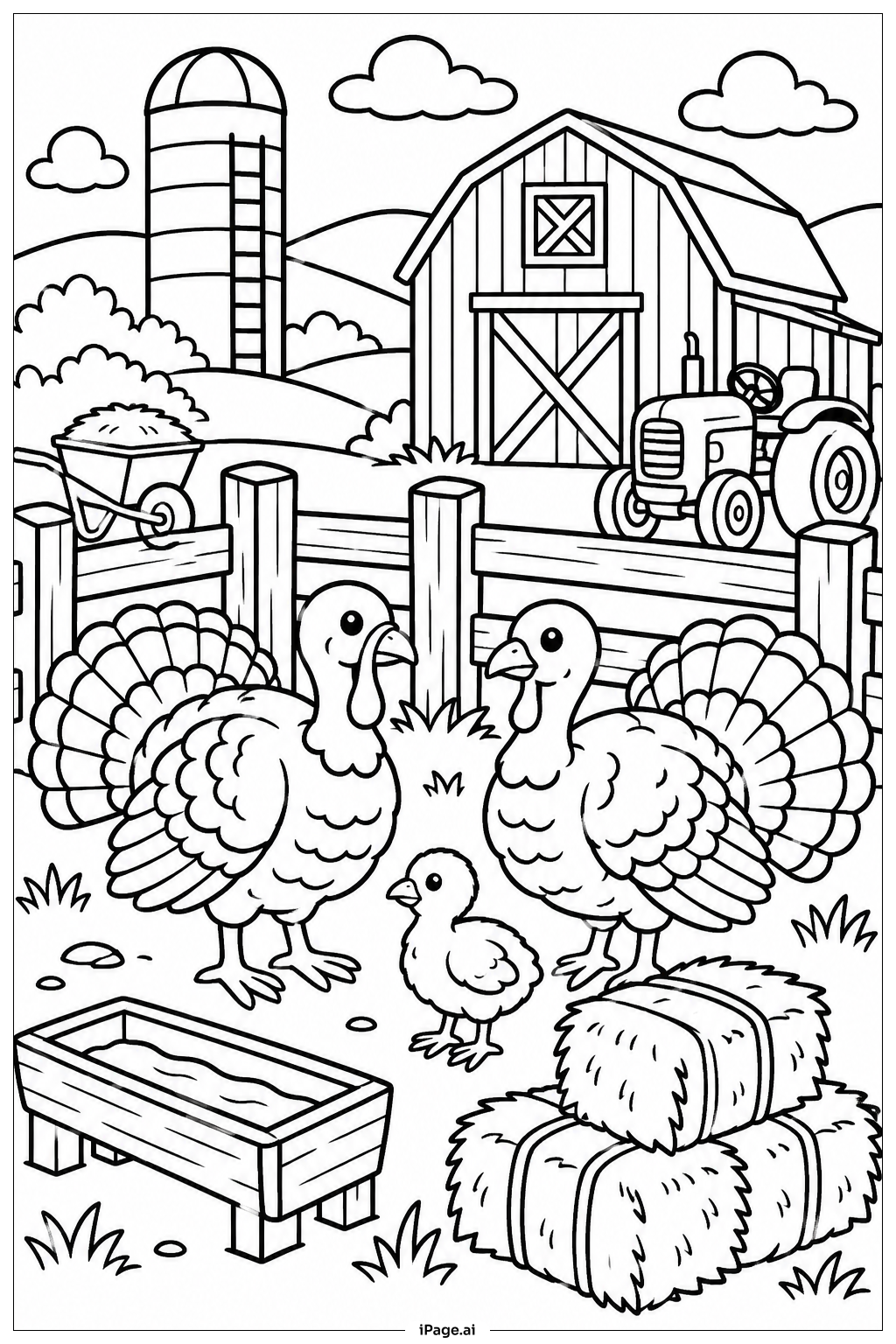
When coloring this Turkey Silhouette, try using warm and natural shades like browns, oranges, and reds for the body to mimic a real turkey's feathers. You can color the tail feathers with a mix of bright autumn colors such as yellow, deep red, and gold to make them stand out. For a fun twist, children can add patterns like spots, stripes, or swirls inside the silhouette to create a decorative turkey. You might also use color gradients to show feather textures, starting darker near the body and lighter toward the edges. Feel free to add a colorful background representing fall leaves or a sunny sky to bring the whole picture to life.
Coloring challenges: Which parts are difficult to color and need attention for Turkey Silhouette coloring page?
• Silhouette Edges: The sharp and smooth edges of the turkey silhouette require careful coloring to stay within the lines and maintain the clear shape.
• Tail Feather Separation: Although the tail fans out nicely, the silhouette merges all the feathers into one shape, which might make it hard to differentiate and color individual feathers realistically.
• Limited Details: The silhouette style means there are no interior lines or textures, so colorists need to use shading or imaginative patterns to add depth and interest.
• Body Proportions: Since the turkey’s body is solid and lacks internal divisions, balancing color evenly while keeping the turkey looking natural can be a challenge.
• Small Features: The head and feet areas are relatively small and close to the edges, requiring patience and precision to color neatly without spilling over.
Benefits of coloring books: Advantages of drawing Turkey Silhouette coloring page
Coloring this Turkey Silhouette helps improve fine motor skills as children practice careful coloring within a distinct outline. It encourages creativity since the simple shape leaves plenty of room for imaginative use of colors and patterns. The design also helps kids learn about shapes and animal identification, promoting awareness of nature and wildlife. Coloring the large, open areas of the silhouette can be relaxing and satisfying, building concentration and patience. Additionally, experimenting with warm autumn tones can introduce young artists to seasonal color palettes, making this activity both educational and enjoyable.