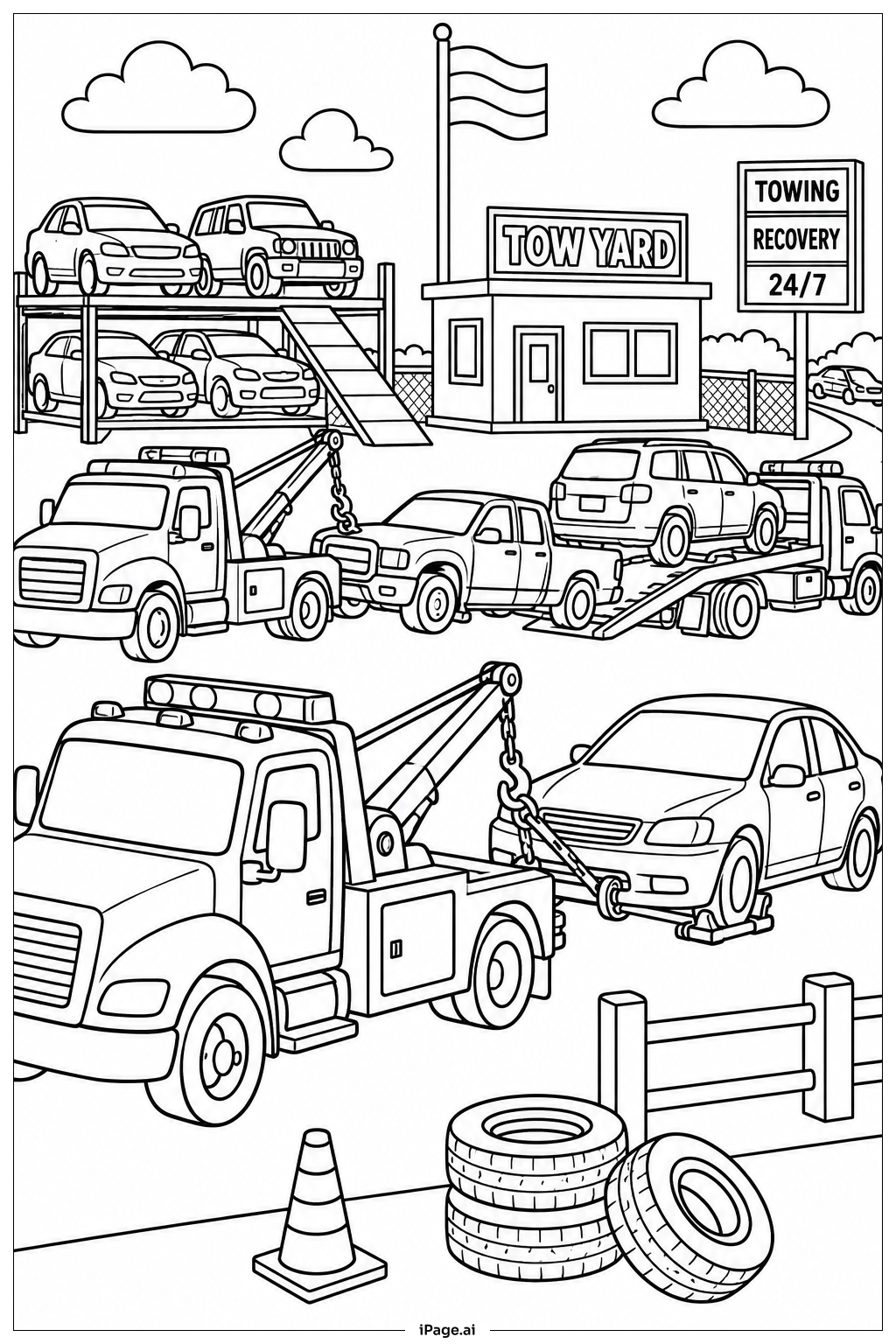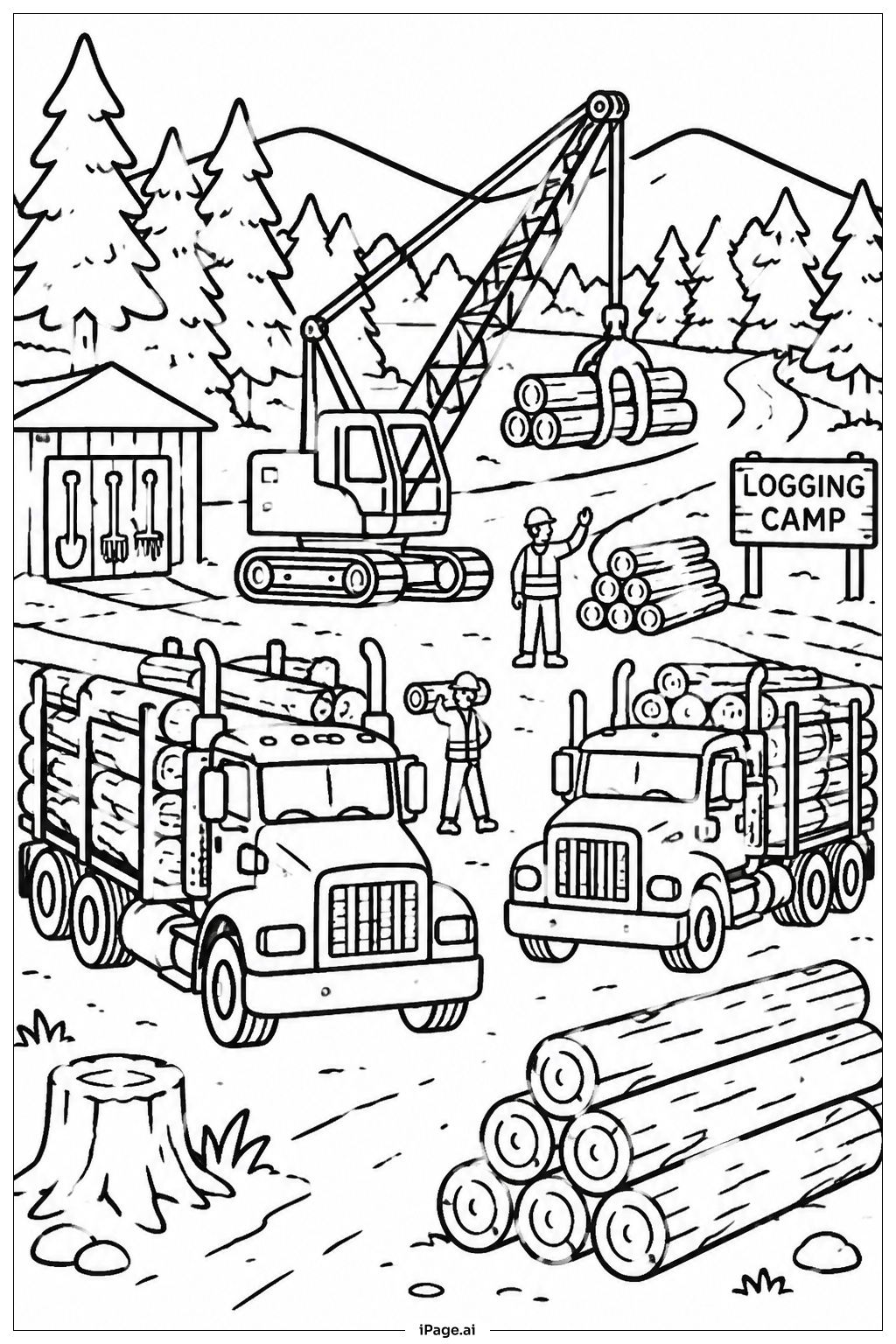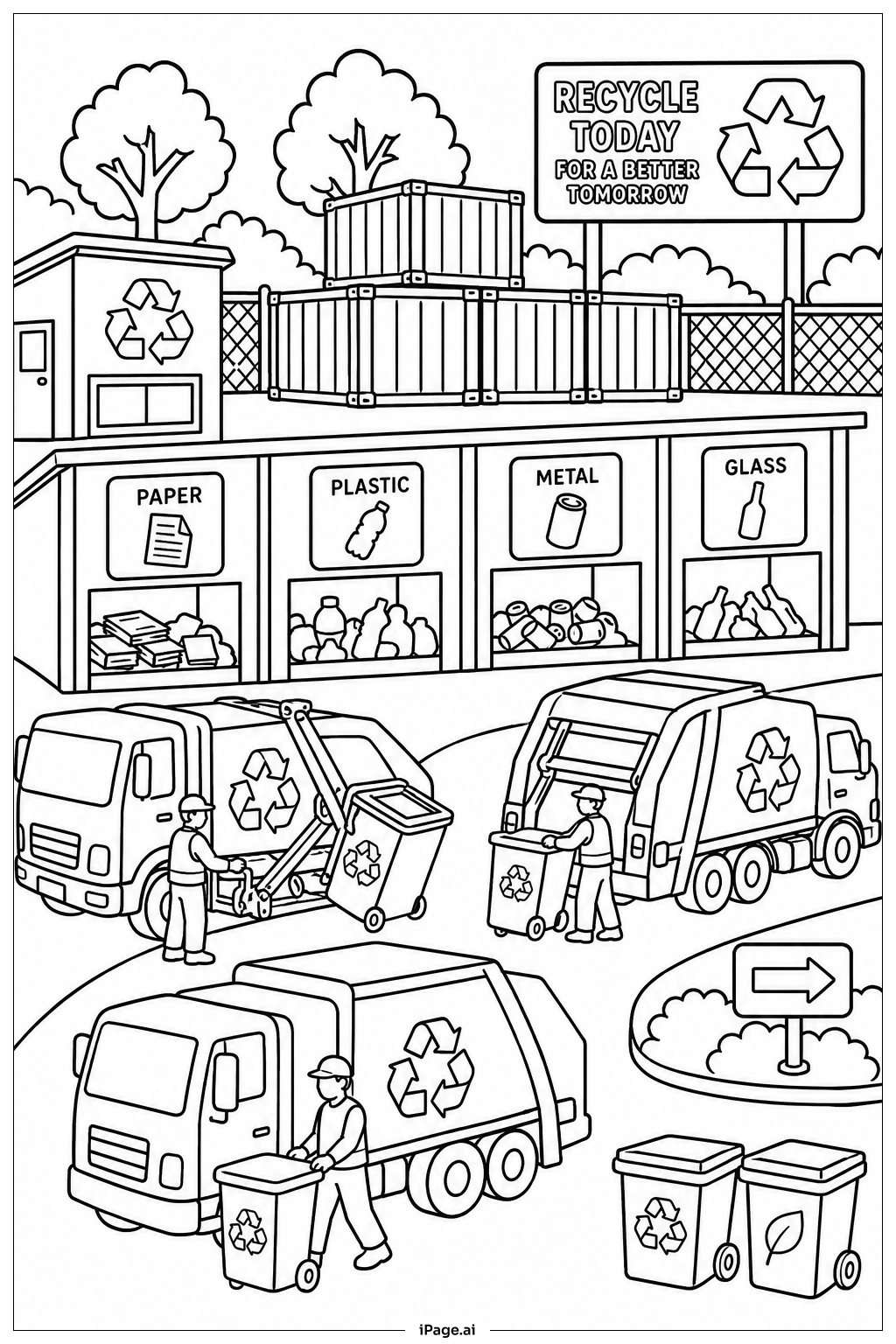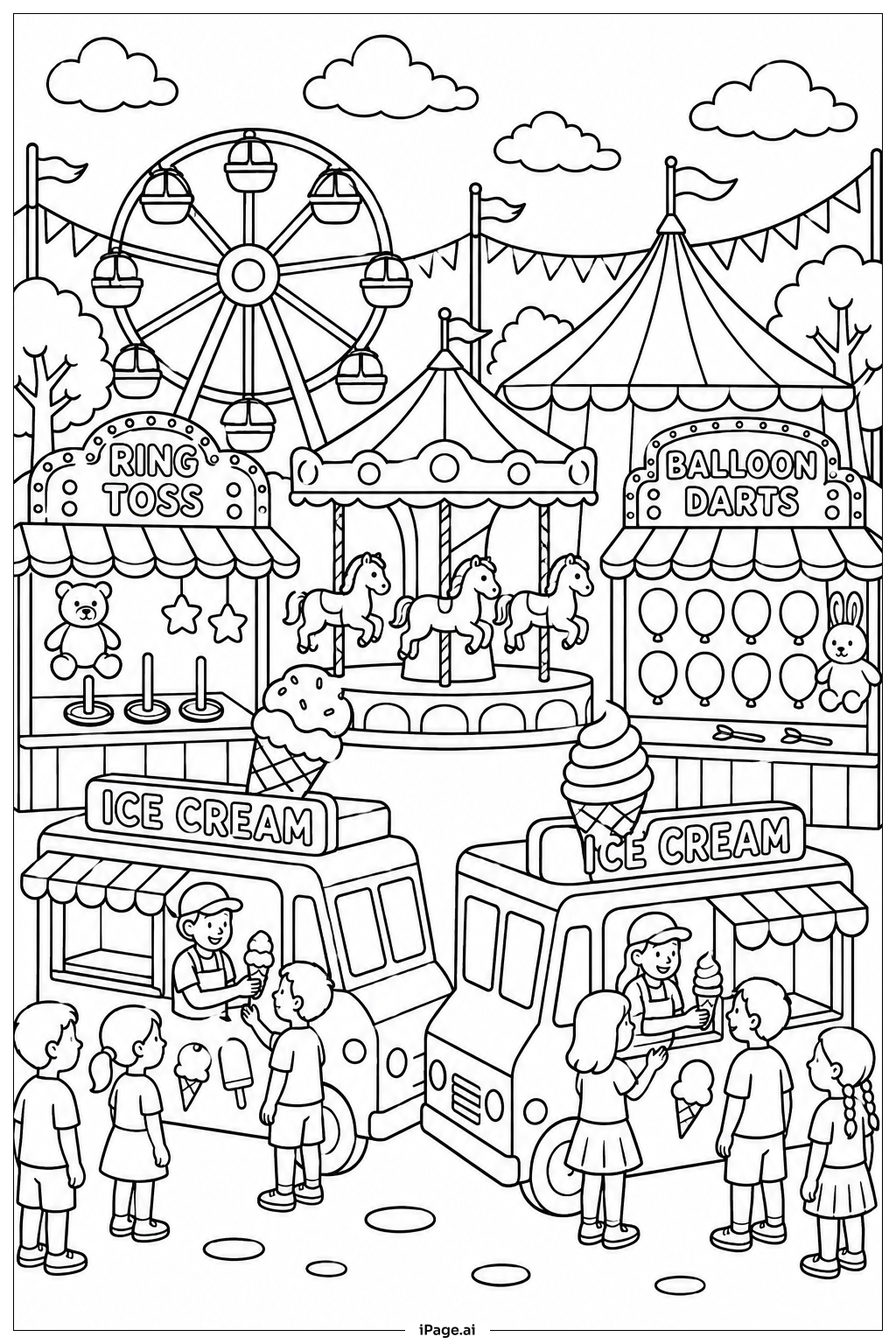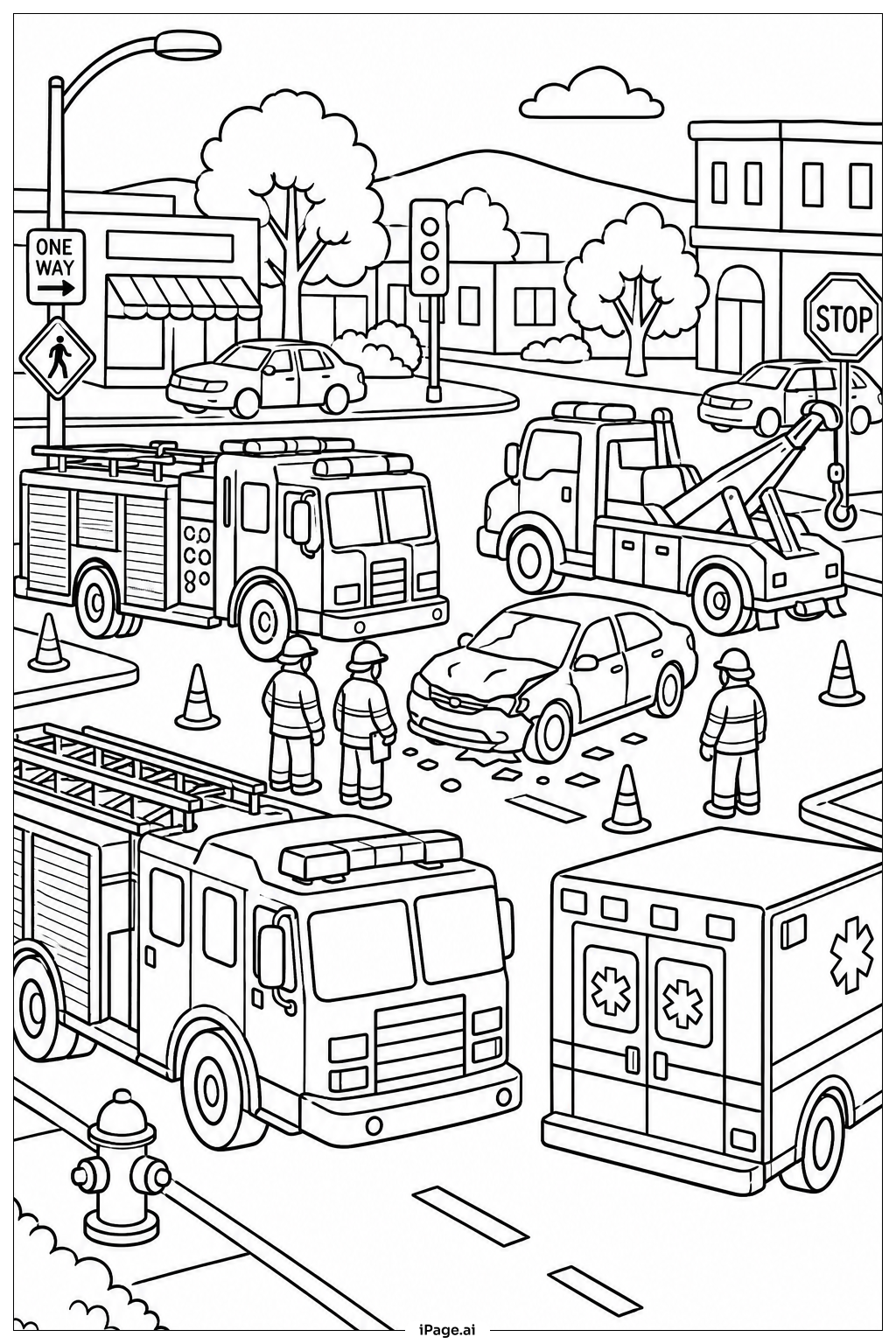
Coloring tips: How to color Emergency Trucks At Scene coloring page well?
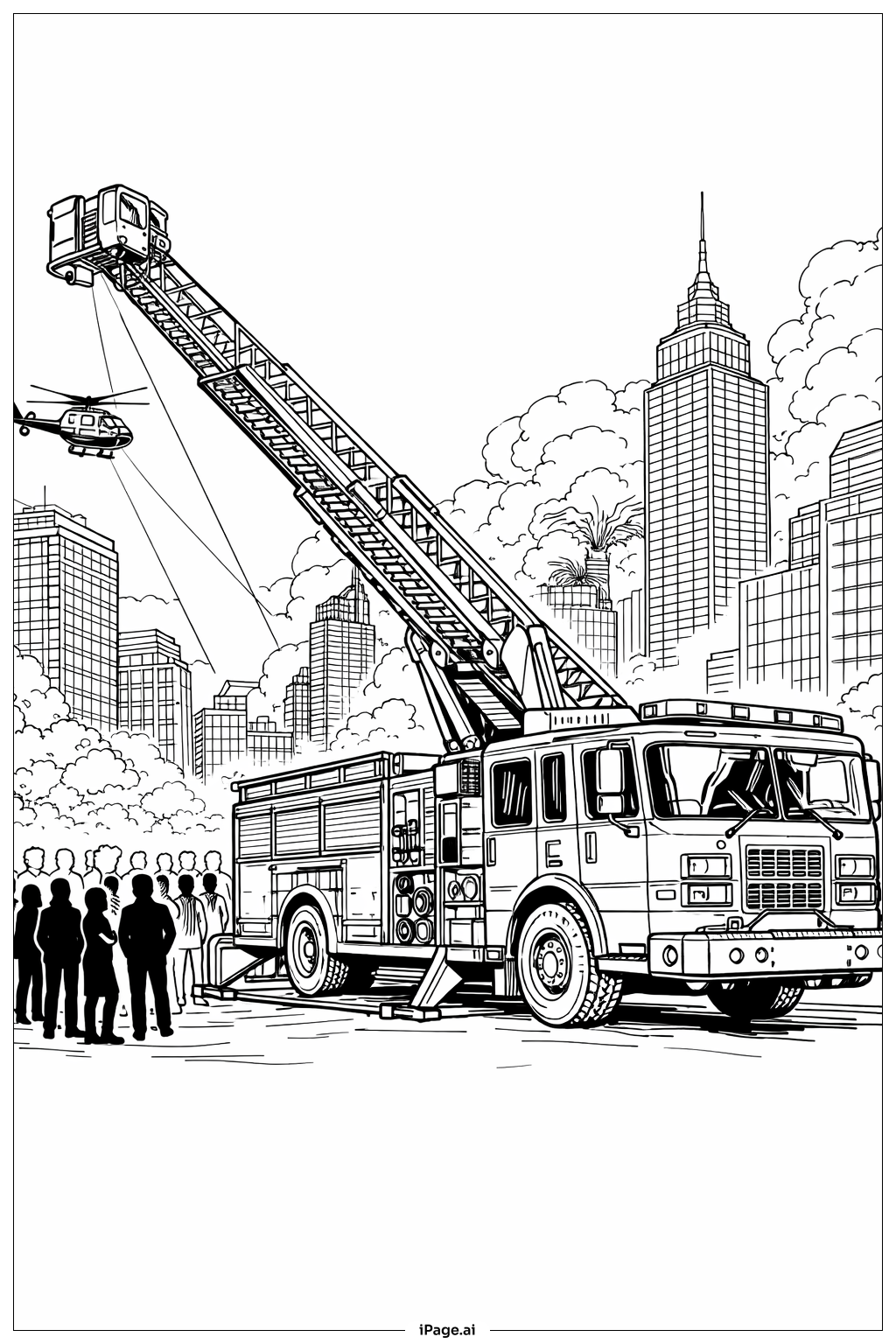
Start with the biggest trucks first. Fire trucks are usually bright red, so use bold red for the main body. Use yellow or lime green for rescue or hazmat trucks. Paint the ladders and metal parts silver or gray. Color the emergency lights on top blue, red, or white to make them pop. Use dark navy or black for the tires and wheels. Give the firefighters bright orange or yellow safety vests and tan or dark brown uniforms. Use dark gray or black for the helmets. Color hoses yellow or orange. Add blue or gray tones to the smoke in the background. Use light brown or tan for the ground and dark gray for roads and pavement. Feel free to use bright, bold colors to bring energy and excitement to the whole scene. There is no wrong way to color — just have fun!
Coloring challenges: Which parts are difficult to color and need attention for Emergency Trucks At Scene coloring page?
• Multiple Vehicles with Complex Shapes: The scene includes several large trucks, each with many parts such as doors, panels, bumpers, and storage compartments. Staying inside the lines of each separate vehicle requires patience and a steady hand, especially where two trucks are close together or overlapping.
• Fine Mechanical Details: Each truck is packed with small details like ladder rungs, hose reels, emergency lights, mirrors, and grilles. These tiny areas are difficult to color neatly and may require a sharp colored pencil or a fine-tipped marker to fill in accurately without smudging nearby sections.
• Figures and Gear: The firefighters and rescue workers in the scene wear layered uniforms with helmets, gloves, boots, and vests. Coloring each piece of gear a different, realistic color without blending them together can be tricky, particularly in areas where figures stand close to the trucks or to each other.
• Background Elements: Smoke, buildings, and ground details in the background require careful shading and color blending to separate them visually from the main foreground trucks. Using gradients or layering light and dark shades of the same color helps, but this technique takes practice.
• Color Consistency Across the Scene: With so many vehicles and characters in one image, keeping a consistent color scheme throughout the whole page is challenging. Planning your color palette before you begin — for example, deciding which truck is red and which is yellow — can help make the finished page look unified and professional.
Benefits of coloring books: Advantages of drawing Emergency Trucks At Scene coloring page
Coloring this emergency trucks scene offers a wide range of benefits for children and young artists. First, it builds fine motor skills. Carefully coloring the small parts of trucks and gear strengthens hand and finger muscles, which helps with writing and other everyday tasks. Second, it encourages focus and concentration. A detailed, busy scene like this one requires kids to slow down, pay attention, and work carefully from one area to the next. Third, it sparks creativity. Choosing colors for trucks, uniforms, and backgrounds lets children make their own artistic decisions and express their imagination freely. Fourth, it teaches real-world knowledge. As children color fire trucks, rescue vehicles, and emergency workers, they naturally learn about the roles these heroes play in keeping communities safe. This makes the activity both fun and educational. Fifth, it supports emotional well-being. The calm, repetitive motion of coloring is a great way for kids to relax and unwind after a busy day. Overall, this coloring page is a wonderful blend of creativity, learning, and relaxation for children of all ages.