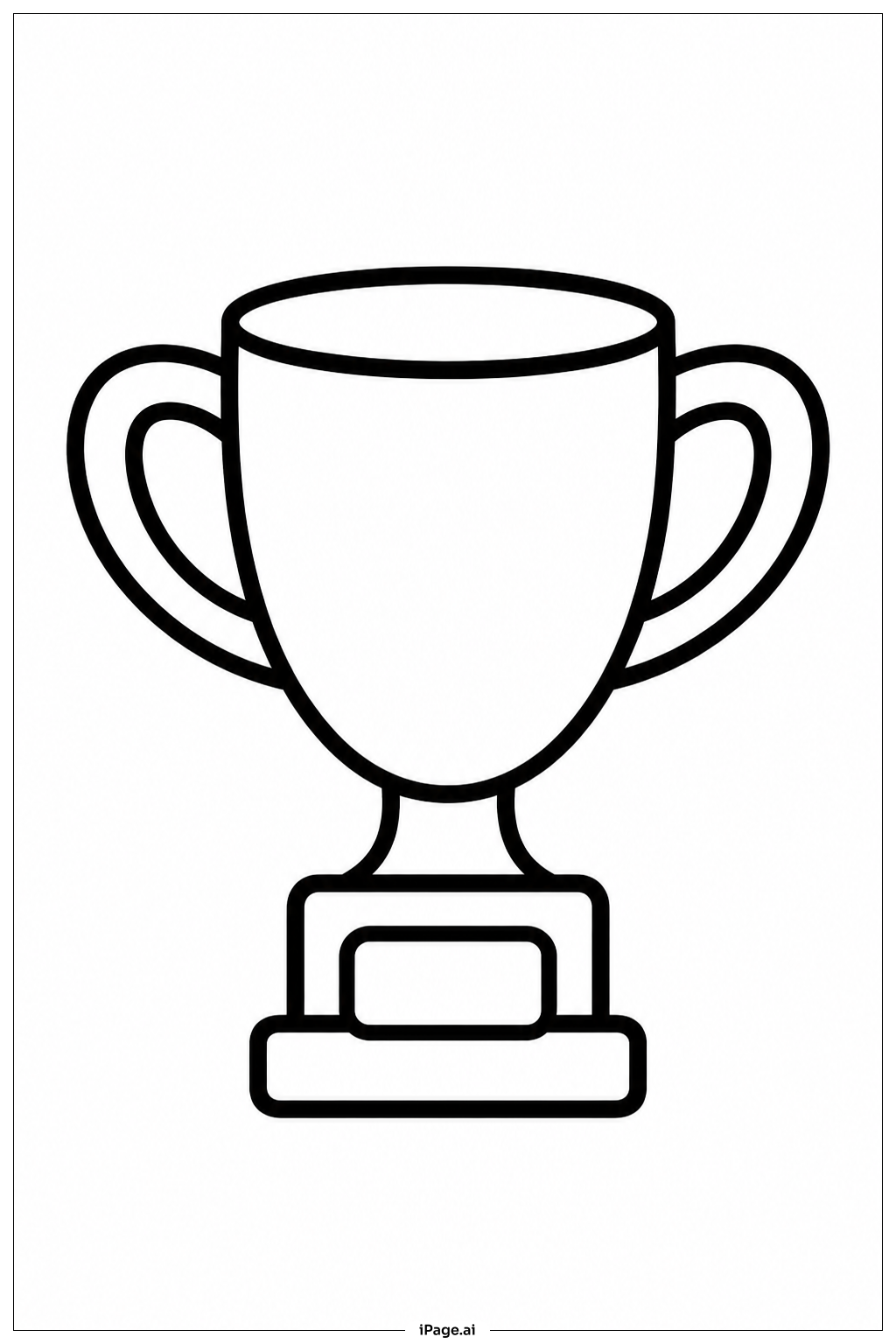
Coloring tips: How to color Oval Trophy Design coloring page well?
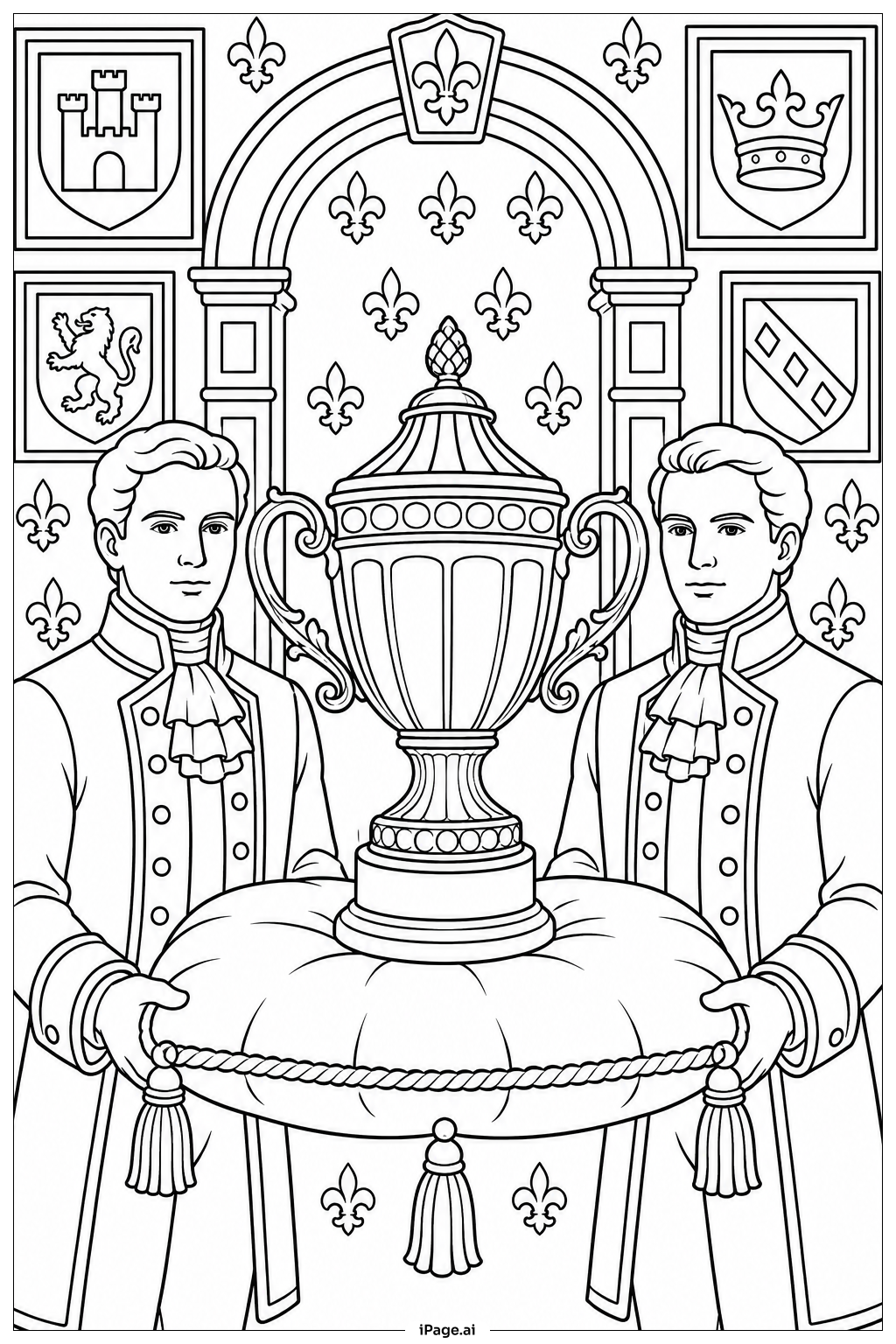
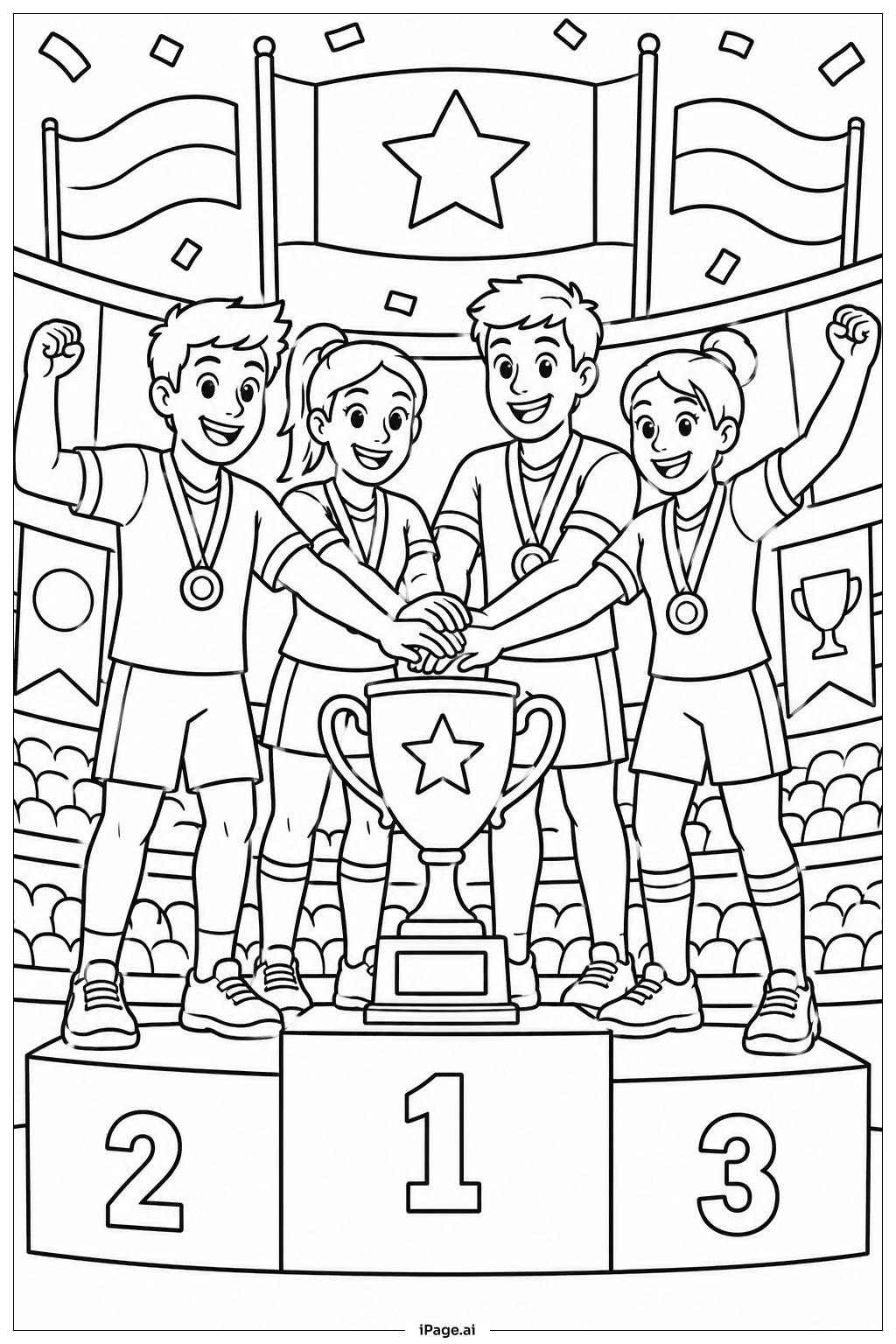
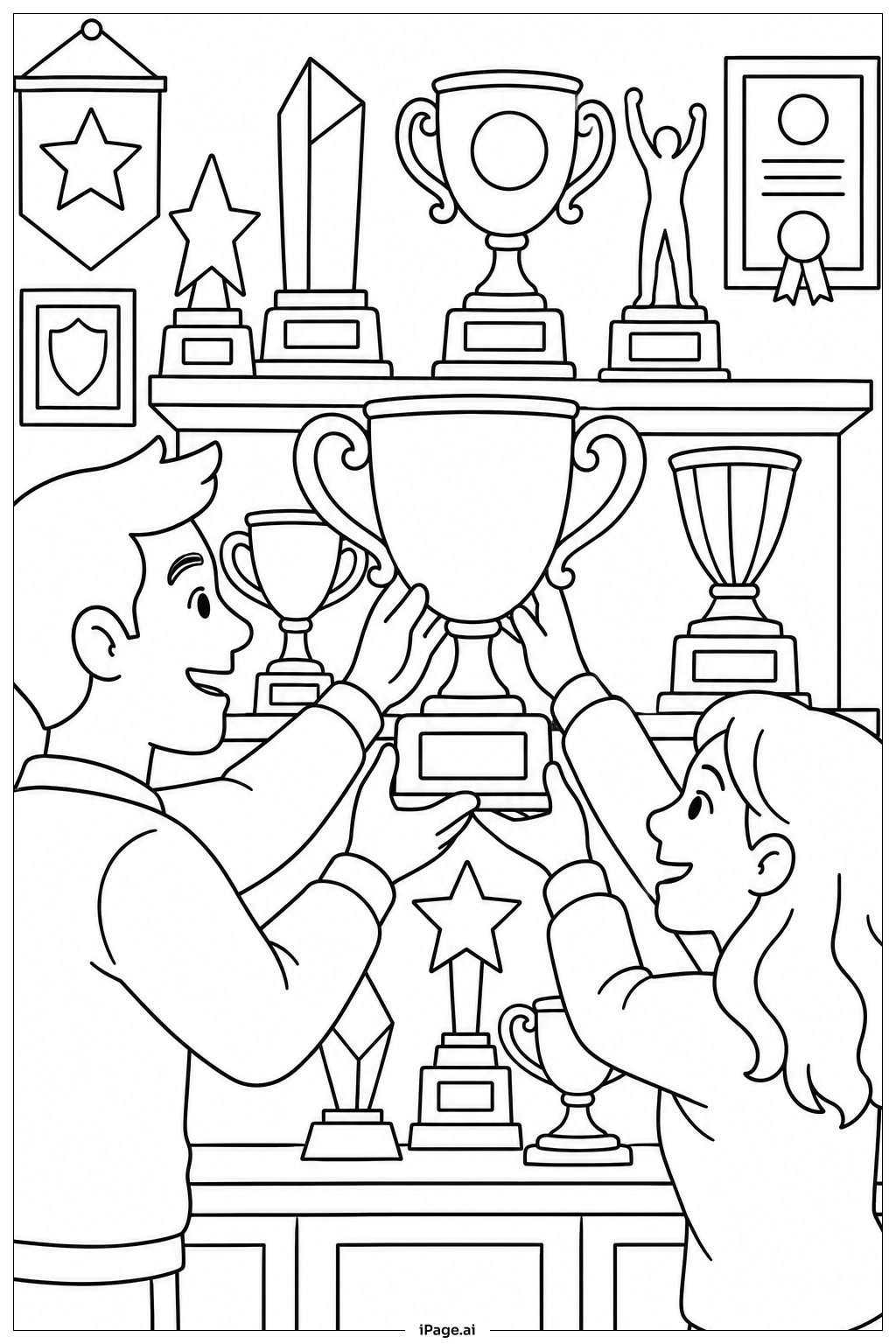
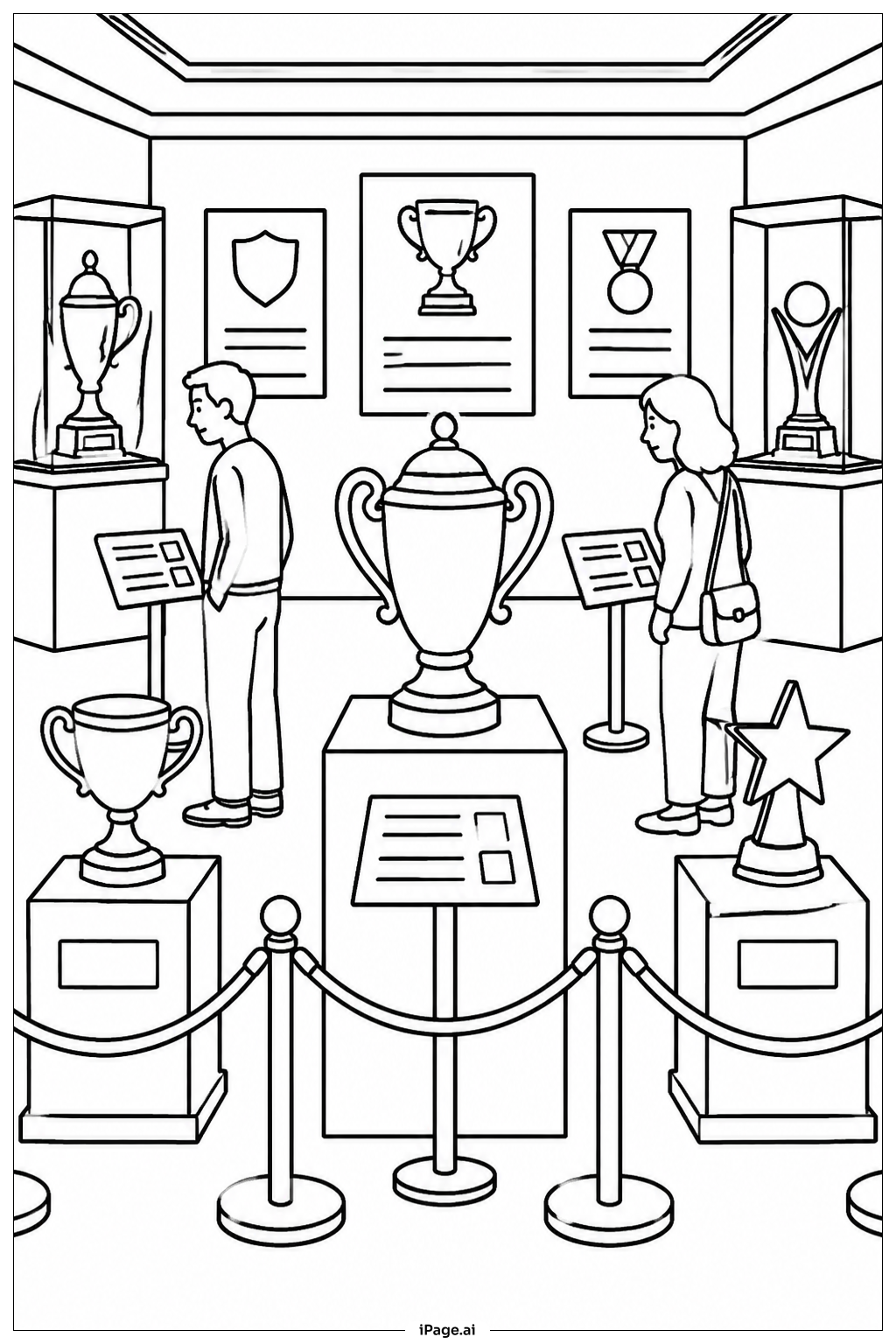
When coloring this Oval Trophy Design, try using bright gold or yellow tones for the main body to make it look like a real trophy. Use a mix of light and darker shades to show reflections and shine. For the handles, you could use a shiny silver or bronze instead, creating a nice contrast. The base can be colored in dark brown or black to look like wood or metal. Feel free to add colors around the oval frame with reds, blues, or greens to make it more exciting and appealing. You can also add glitter or metallic colors if you want to give it a sparkling effect. Children can experiment with different color combinations to create their own special trophy.
Coloring challenges: Which parts are difficult to color and need attention for Oval Trophy Design coloring page?
• Oval Shape Shading: The smooth oval shape requires careful shading to make it look curved and shiny, which can be tricky for beginners.
• Handle Details: The handles have small curves and edges that need careful coloring to stay inside the lines and look balanced.
• Symmetry: Keeping both sides of the trophy symmetrical in color and shading can challenge children’s focus and patience.
• Frame Patterns: The decorative border around the oval has fine swirls that need steady hand control to color precisely.
• Base Texture: The base has fine line details that are narrow, requiring attention to detail to avoid coloring outside the lines.
Benefits of coloring books: Advantages of drawing Oval Trophy Design coloring page
Coloring this Oval Trophy Design helps children develop their hand-eye coordination and fine motor skills as they carefully fill in the shapes. It encourages concentration and patience through symmetrical coloring and shading challenges. Using different colors and tones strengthens their understanding of light and shadow, boosting creativity. Coloring a trophy design also builds a sense of achievement and pride because trophies represent success. This makes the activity fun and motivating. Additionally, kids can practice color combinations and experiment with metallic shades to improve their artistic skills.