Coloring tips: How to color Vintage Tie Poster coloring page well?
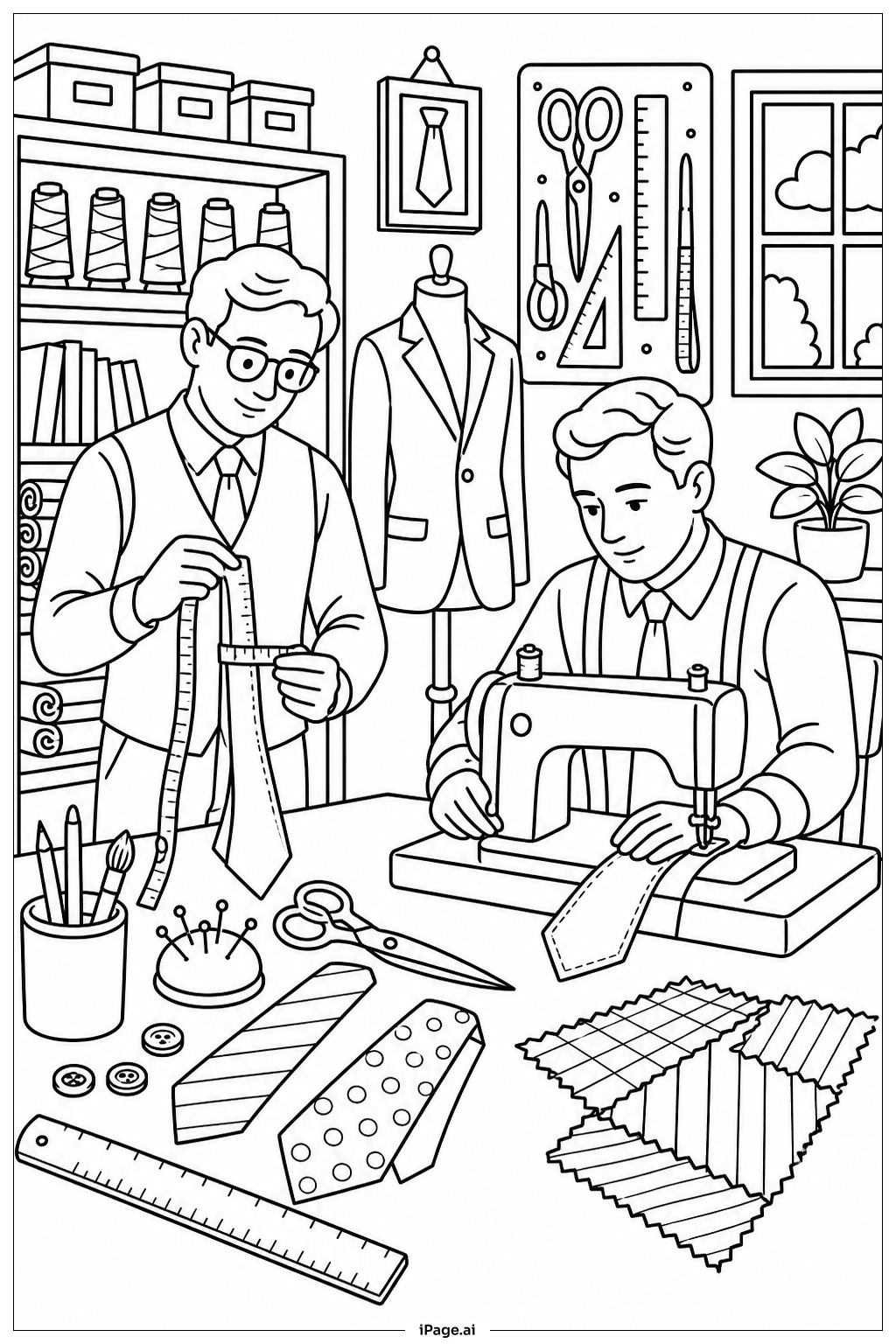
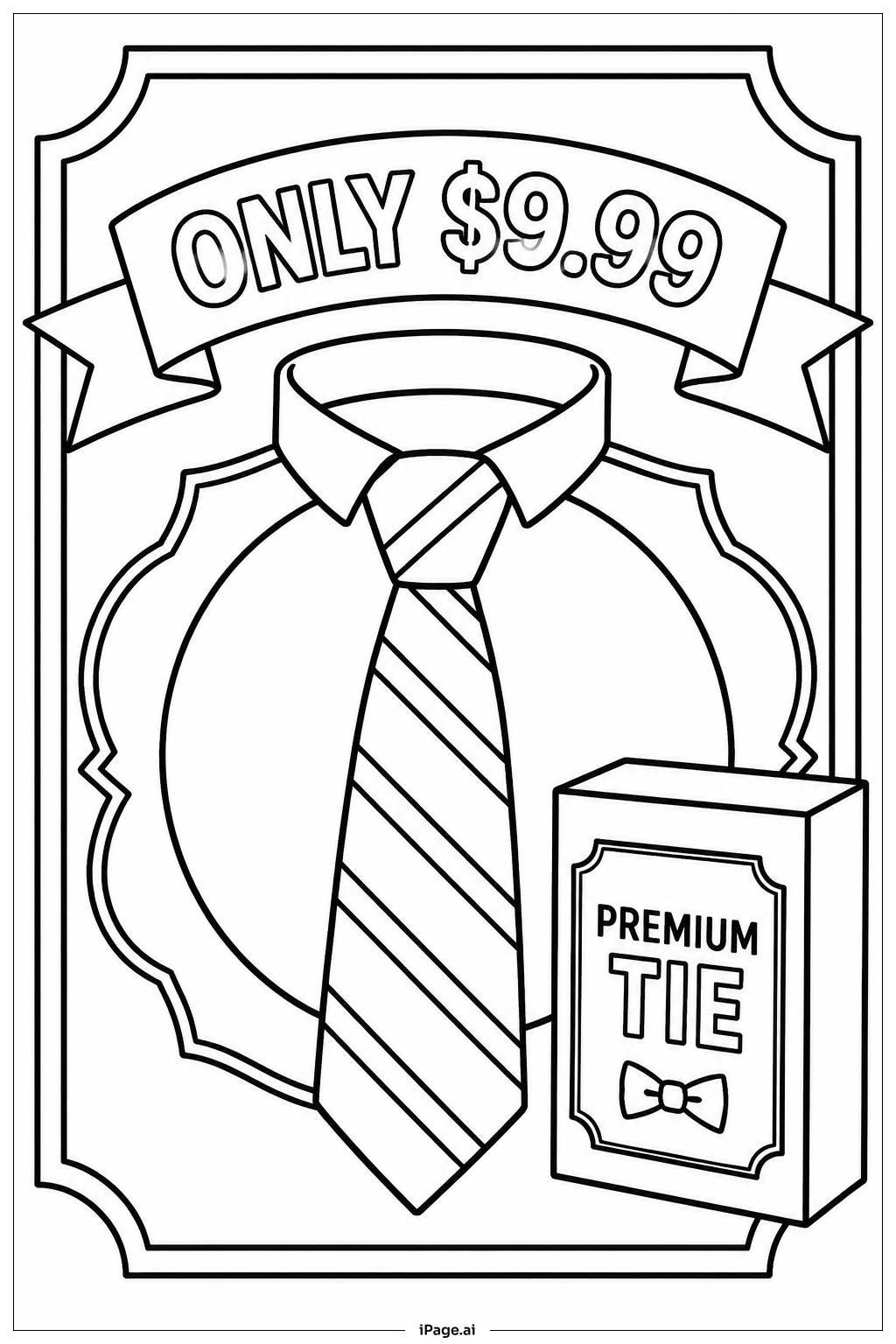
Try using different shades of blue, red, or green to color the stripes on the tie, which helps show the vintage style. You can add a slight shadow with darker colors along the edges to create a 3D effect. Use bright and bold colors for the stripes to make the tie stand out, or go for soft pastel shades for a gentler, retro look. The background lines can be colored in a light gray or muted tone so that the tie remains the main focus. Feel free to mix colors creatively to highlight the tie's texture and folds. Remember to color inside the lines carefully to keep the neat look of the vintage design.
Coloring challenges: Which parts are difficult to color and need attention for Vintage Tie Poster coloring page?
• Pattern Detail: The tie has multiple stripes and shading that require careful coloring to keep the design clear and crisp. Coloring small areas without smudging can be challenging. • Shading and Texture: The image calls for layering lighter and darker tones to show folds and shadows on the fabric, which may be difficult for younger children. • Edge Precision: The tie’s edges and the framing lines need neat coloring to maintain the vintage poster look. It demands good hand control. • Color Choice Balance: Selecting colors that complement each other while showing the vintage style well might be tricky, especially deciding between bold and soft colors. • Staying in the Lines: Since the design is quite detailed, coloring inside the lines consistently can be hard but important for a polished final result.
Benefits of coloring books: Advantages of drawing Vintage Tie Poster coloring page
Coloring this image helps improve focus and concentration as you carefully work on small details like stripes and shading. It encourages creativity by letting you explore different color combinations to bring a vintage tie to life. The exercise enhances fine motor skills and hand-eye coordination through precise coloring along edges and delicate patterns. This image also teaches patience and attention to detail, especially when layering colors to show fabric texture. Finally, coloring a classic fashion item can spark interest in history and style, making it a fun and educational activity for children and adults alike.