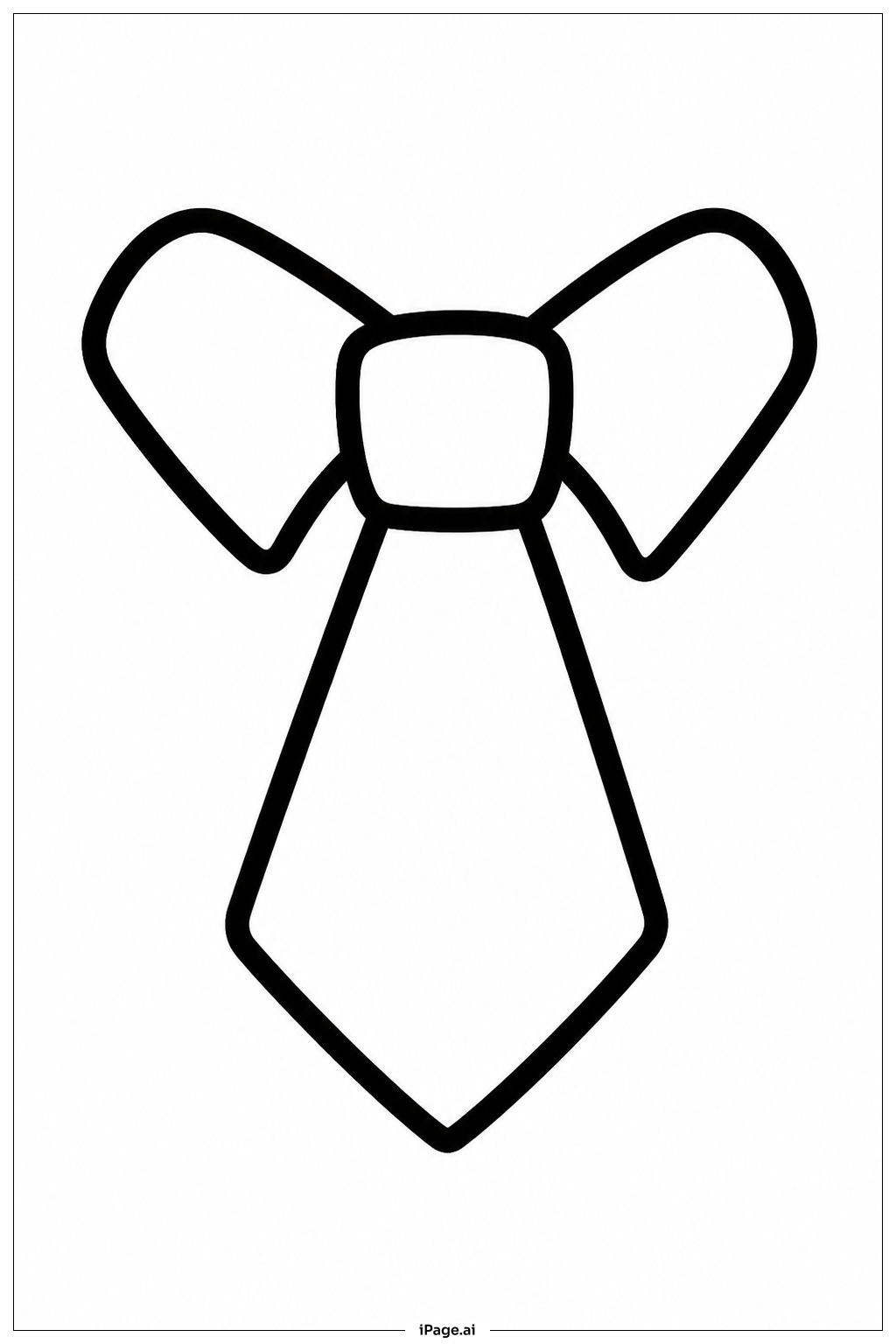
Coloring tips: How to color Tie Knot Closeup coloring page well?
Start with the tie itself and pick a bold, solid color like deep red, navy blue, or forest green as your base. This makes the tie look sharp and polished. Use a slightly darker shade of the same color to fill in the shadowed folds and creases of the knot. This adds depth and makes the knot look three-dimensional. You can also try a striped or patterned design by adding thin lines of a contrasting color across the tie. For the shirt collar, use clean white or a very light gray to keep it simple and realistic. If you want to get creative, try a plaid or dotted pattern on the tie fabric. Use colored pencils or fine-tip markers to stay neat inside the small detail lines. Take your time with the overlapping fabric areas near the knot — those shadows are key to making your coloring look realistic and impressive.
Coloring challenges: Which parts are difficult to color and need attention for Tie Knot Closeup coloring page?
• Layered Fabric Folds: The knot is made up of several overlapping layers of fabric, each with its own curved crease. Keeping the colors consistent across each individual layer while showing depth through shading is tricky. You need to track which layer sits on top and shade the areas underneath it darker to create a believable sense of dimension.\n\n• Small and Tight Detail Lines: The close-up perspective means the crease lines and fold edges are drawn in fine, precise detail. Coloring neatly within these narrow areas requires a sharp pencil or a very fine-tip marker. Accidentally crossing a line can blur the boundary between layers and flatten the overall look of the knot.\n\n• Shading and Highlights on Smooth Fabric: Ties, especially silk ones, reflect light in a smooth, glossy way. Capturing that effect with colored pencils or markers means carefully blending a lighter highlight down the center of the knot and darkening the edges and tucked-under sections. Without this contrast, the fabric can look flat and dull.\n\n• Keeping a Consistent Color Theme: If you choose a patterned design like stripes or dots, you need to follow the curves and folds of the fabric with your pattern lines. Straight stripes on a flat surface become curved lines once the fabric folds, so maintaining that visual consistency takes patience and planning.\n\n• The Collar Area: The shirt collar surrounding the knot is a separate element with its own color and texture. Keeping the collar color clean and distinct from the tie color, especially where the two elements meet, requires a careful hand and good color separation.
Benefits of coloring books: Advantages of drawing Tie Knot Closeup coloring page
Coloring this tie knot image offers a wonderful set of benefits for kids and beginners alike. The detailed folds and layers of the knot make it a great exercise for improving fine motor skills. Staying inside tight, curved lines trains your hand to move with more control and precision, which helps with everyday tasks like writing.\n\nWorking with shading to show the depth of the fabric layers introduces basic art concepts like light and shadow. Kids learn how a darker color in the right spot can make something look three-dimensional, which builds early drawing and painting skills.\n\nChoosing colors for the tie also sparks creativity. There is no single right answer — you can go classic with navy and gold, bold with bright red, or imaginative with rainbow stripes. This freedom builds confidence in personal expression.\n\nFocusing on a detailed, close-up image also encourages patience and concentration. Slowing down to color each small section carefully is a calm, meditative activity that helps reduce stress and improves attention span. It is a great quiet-time activity for children of all ages.