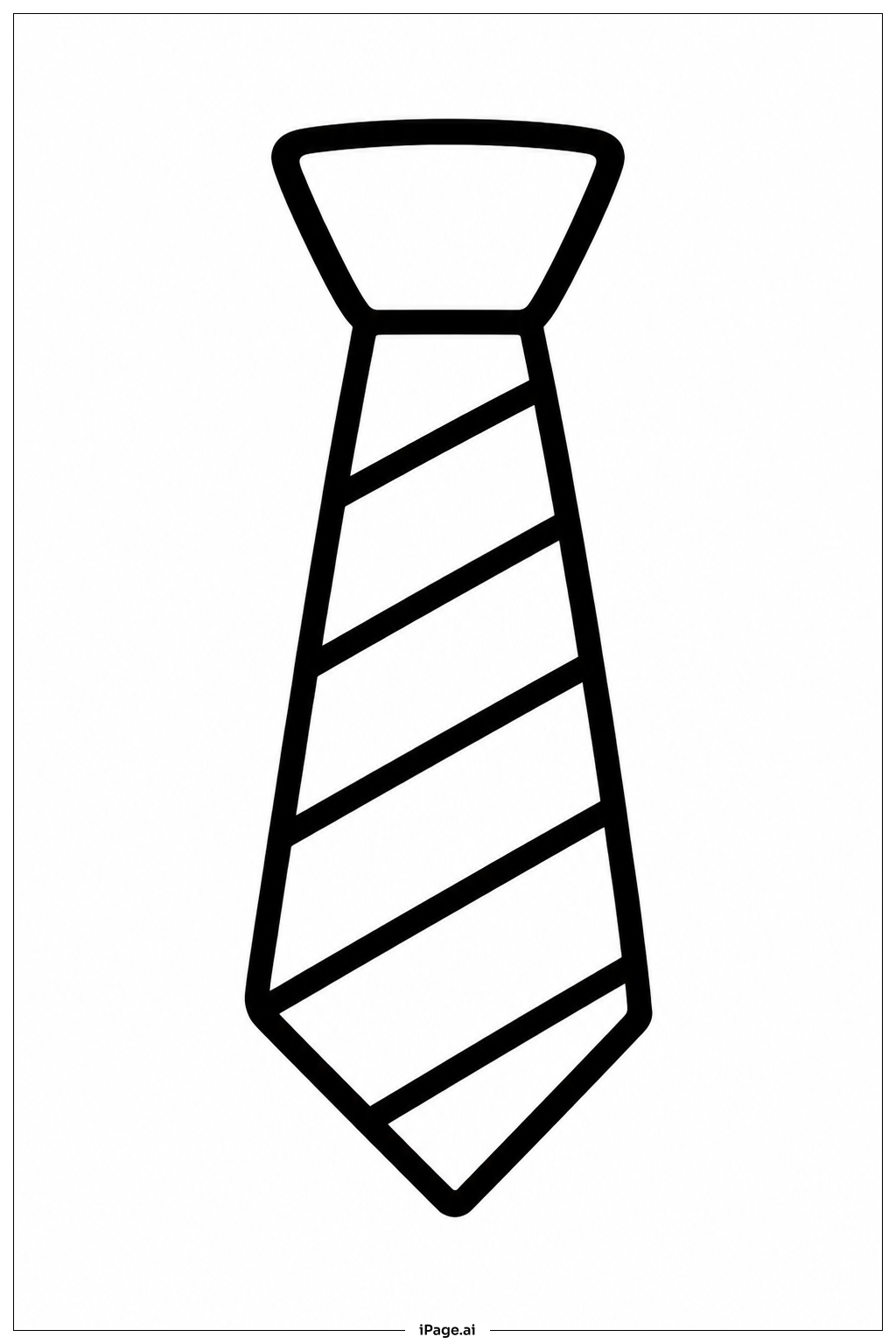
Coloring tips: How to color Striped Tie coloring page well?
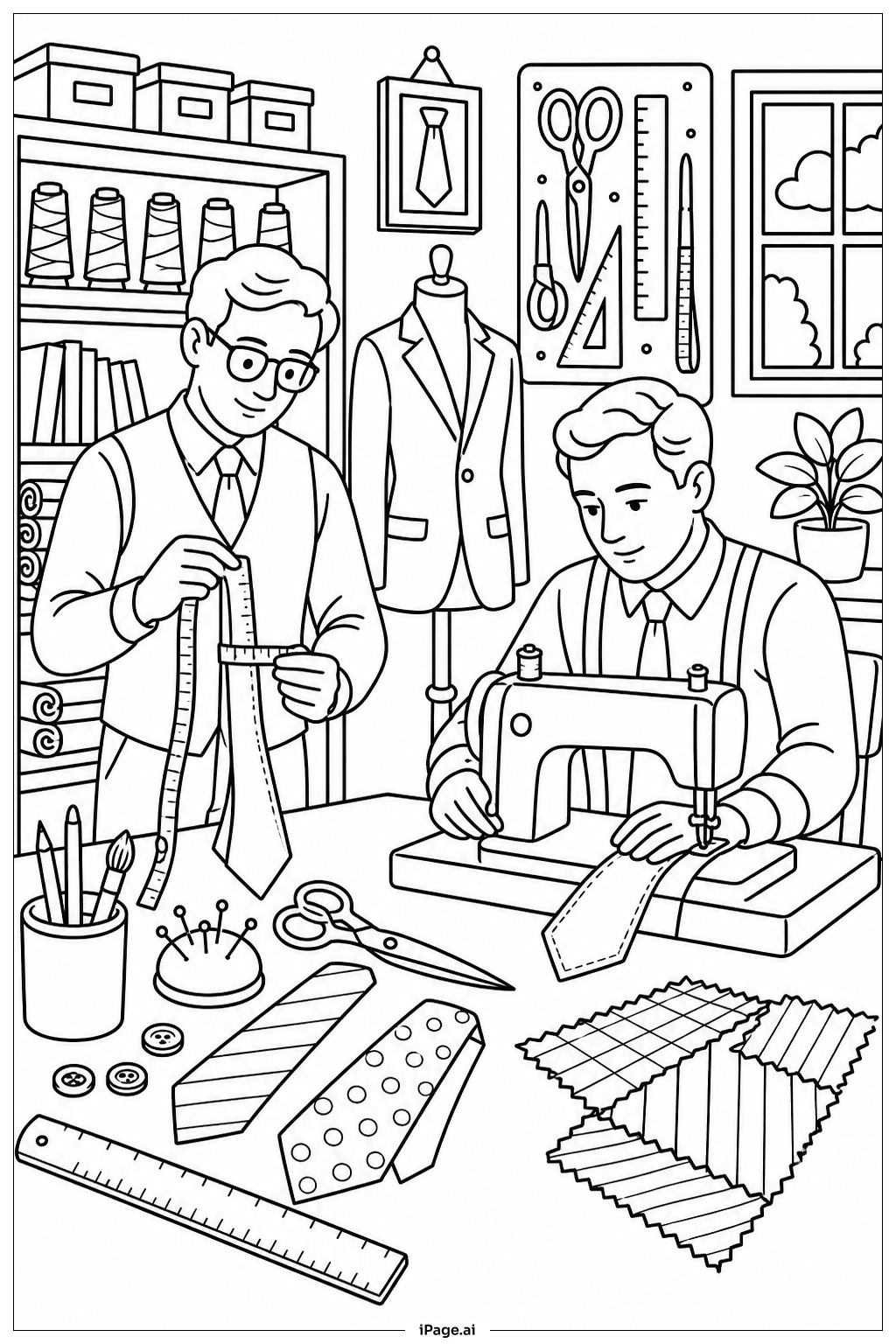
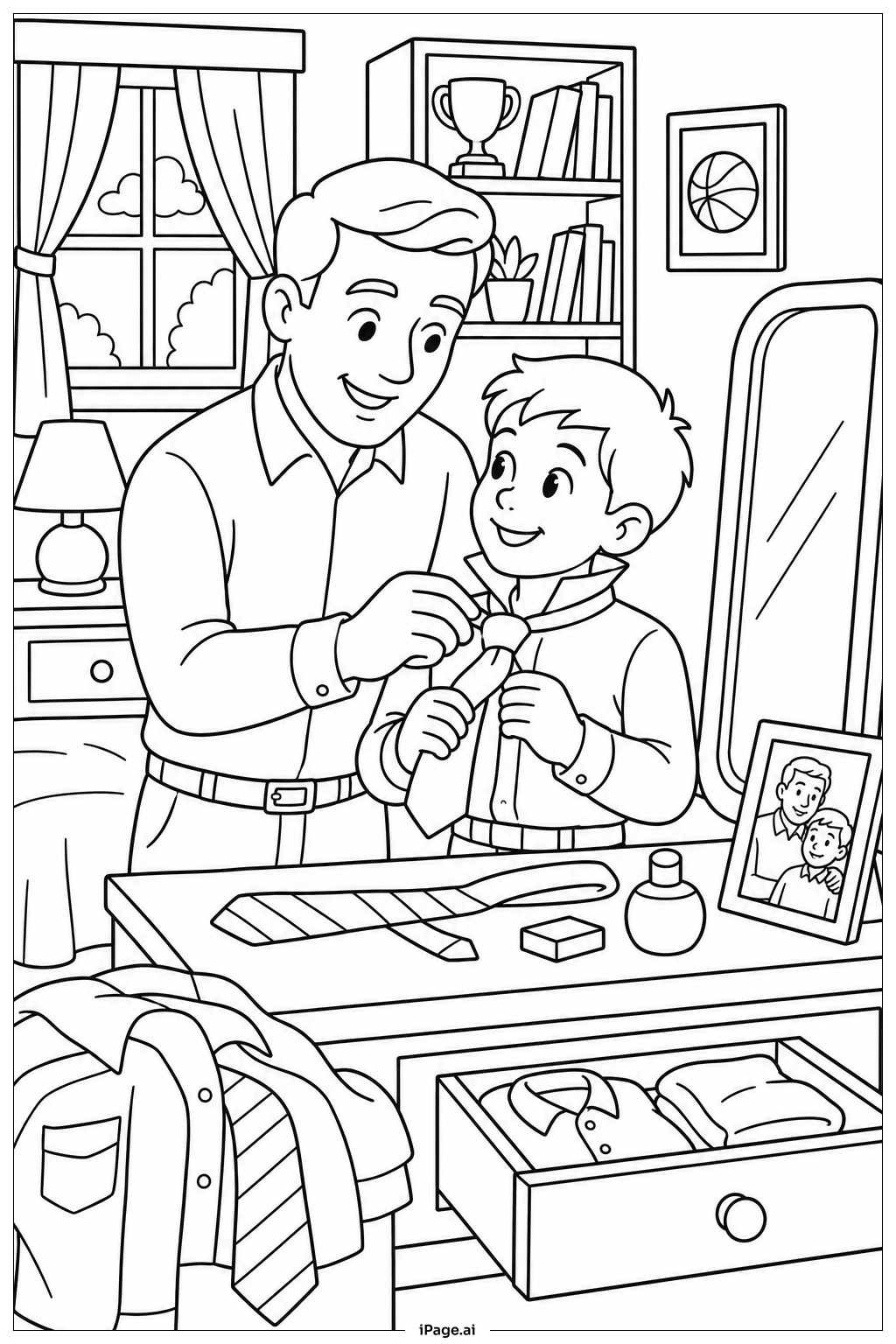
When coloring the Striped Tie, try using contrasting colors for the stripes, like red and blue or green and yellow. You can also pick softer colors like pastel blues and pinks for a gentle look. Try coloring the stripes in bright, bold tones to make the pattern stand out. Feel free to mix different shades within the wide and narrow stripes for more variety. You could color the knot a solid color that complements the stripes. To add creativity, you might even decorate the stripes with simple patterns like dots or tiny stars after coloring them. Remember to use colored pencils or markers that give you good control for neat coloring of the narrow stripes.
Coloring challenges: Which parts are difficult to color and need attention for Striped Tie coloring page?
• Stripe Alignment: Coloring inside the narrow stripes can be tricky because they are close together, and it requires careful control to stay within the lines and keep stripes neat and even. • Color Contrast: Choosing colors that contrast well is important. Using colors that are too similar can make the stripes blend together and lose the striped effect. • Tie Shape: The tie narrows towards the top knot and bottom tip, so adjusting coloring pressure in these areas helps keep the shape clear and defined. • Small Details: The knot area has folds and curves that may require gentle shading to show volume but can be difficult to color without smudging or overlapping lines. • Pattern Balance: Maintaining balanced color distribution along the stripes can be challenging since uneven coloring may make the pattern look unbalanced or messy.
Benefits of coloring books: Advantages of drawing Striped Tie coloring page
Coloring the Striped Tie helps develop fine motor skills by requiring careful hand control to color narrow stripes neatly. It encourages attention to detail and concentration, especially when choosing contrasting colors and coloring small sections inside the stripes. This activity also nurtures creativity in experimenting with different color combinations and patterns to personalize the tie. For children and adults alike, coloring helps relax and focus, providing a calming effect. Additionally, understanding how color contrast affects visual patterns can boost artistic awareness and appreciation for design elements in everyday objects like clothing.