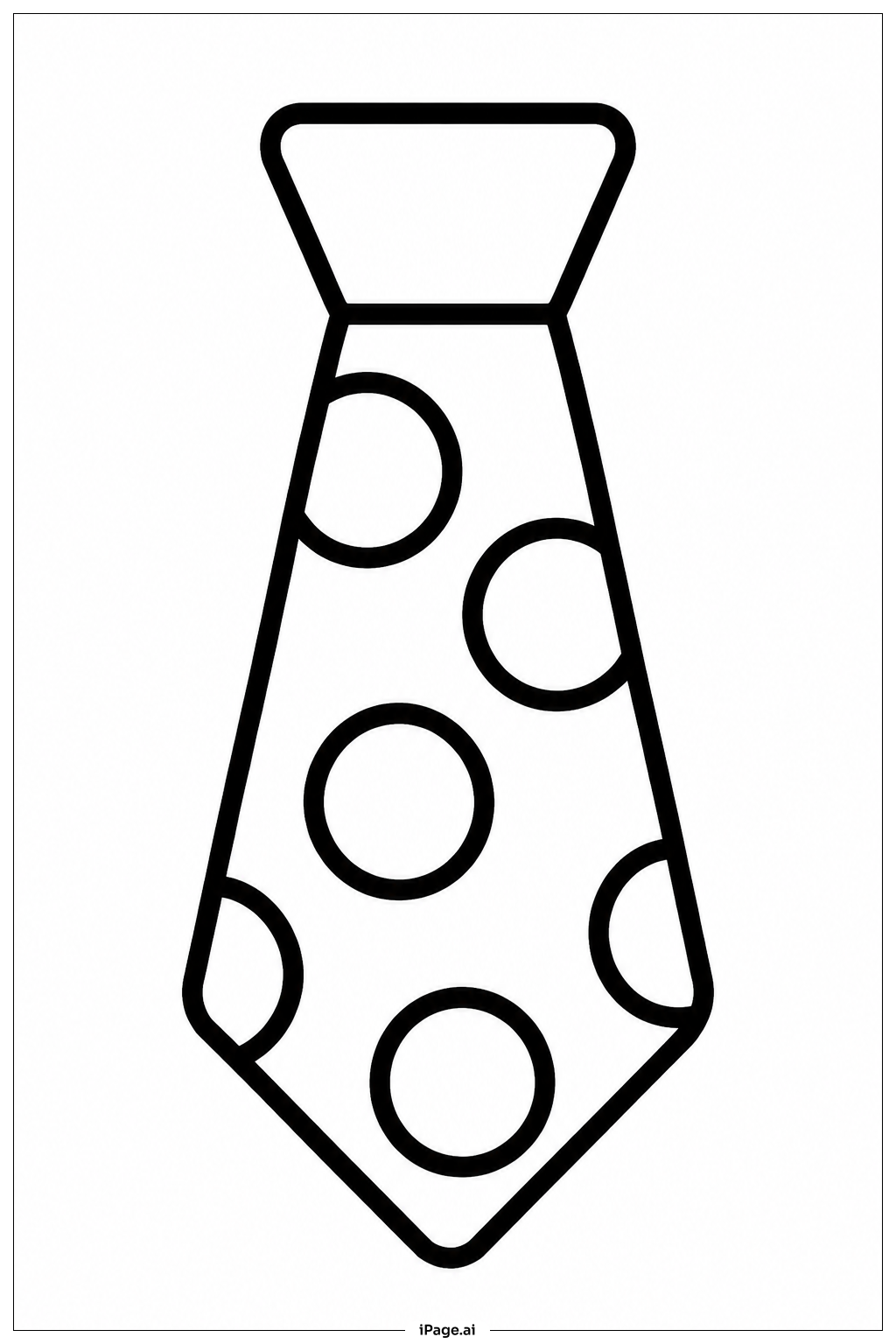
Coloring tips: How to color Polka Dot Tie coloring page well?
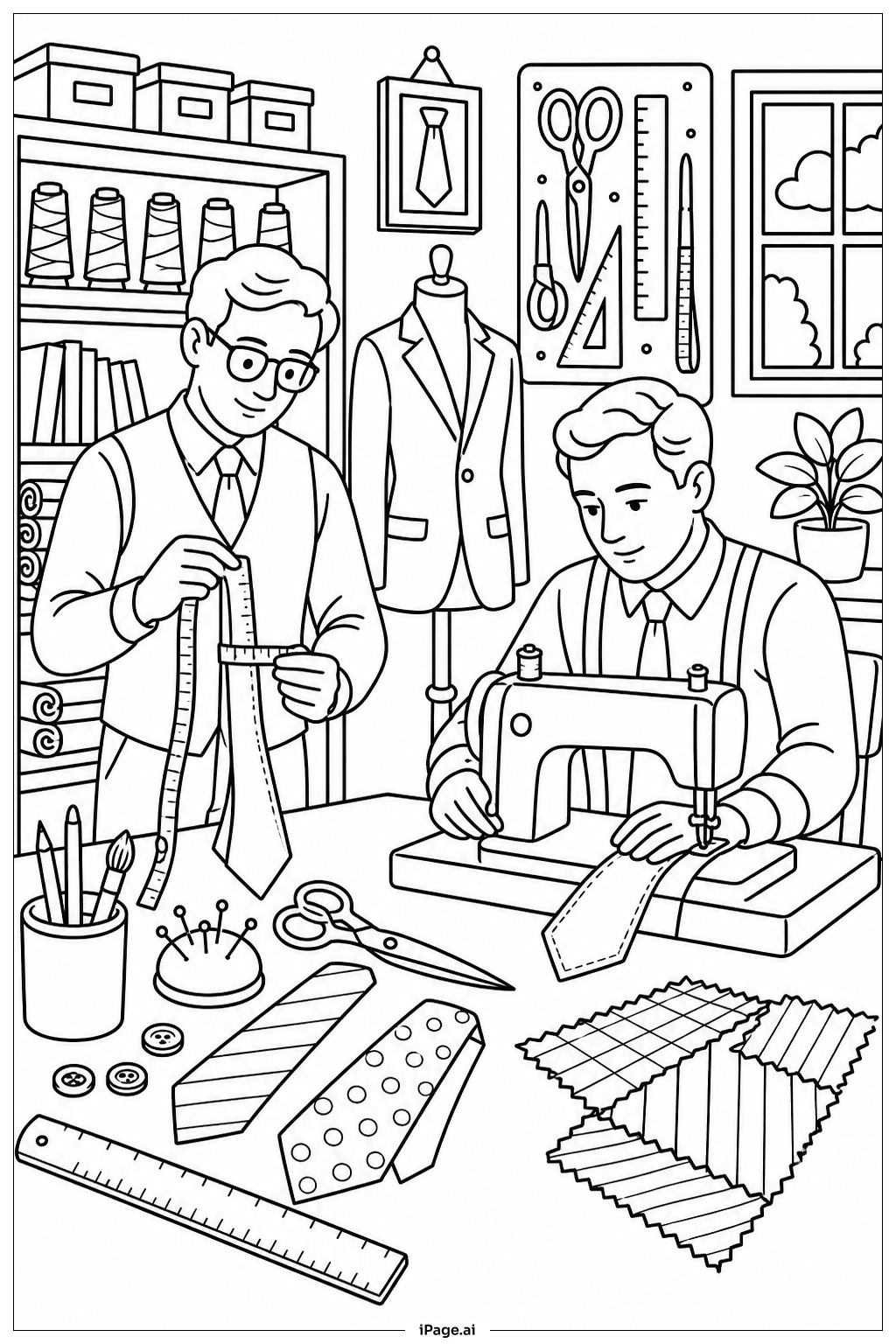
Start with the main body of the tie using a bold base color like navy blue, burgundy, or forest green. For the polka dots, choose a contrasting color such as white, yellow, or light pink to make them stand out clearly against the background. Consider using lighter shades for the knot area to create depth and show the folded fabric texture. You can also experiment with rainbow dots for a fun, vibrant look, or stick to classic two-tone combinations like red tie with white dots or black tie with silver dots. Colored pencils work wonderfully for smooth blending, while markers create bright, solid colors. Add subtle shading along the edges of the tie to give it a three-dimensional appearance.
Coloring challenges: Which parts are difficult to color and need attention for Polka Dot Tie coloring page?
• Maintaining Consistent Dot Colors: With multiple polka dots scattered throughout the tie, keeping each dot the same color and intensity can be challenging, especially for younger children. It requires patience and steady hand control to fill each circular shape uniformly without going outside the lines or leaving gaps.
• Coloring Within Small Circular Spaces: The polka dots are relatively small circular areas that need precision coloring. Children may find it difficult to stay within these tight boundaries, particularly when using markers or crayons with broader tips. This requires fine motor control and careful attention to detail.
• Creating Contrast Between Dots and Background: Choosing color combinations that provide enough contrast so the polka dots remain visible against the tie background can be tricky. If similar shades are selected, the pattern may lose its visual impact, requiring thoughtful color planning before starting.
• Shading the Knot Area: The tie knot contains multiple folds and overlapping sections that benefit from shading to appear three-dimensional. Understanding where to place darker and lighter tones to create realistic fabric texture and depth requires more advanced coloring skills and spatial awareness.
• Avoiding Color Bleeding: When using markers or watercolors, the close proximity of dots to the tie background increases the risk of colors bleeding into each other, which can muddy the clean polka dot pattern and require careful technique and drying time between sections.
Benefits of coloring books: Advantages of drawing Polka Dot Tie coloring page
Coloring this polka dot tie helps develop fine motor skills and hand-eye coordination as children carefully fill in the small circular dots and navigate the tie's distinct sections. The repetitive pattern of dots encourages focus and patience, teaching kids to complete detailed tasks methodically. This design introduces basic concepts of patterns and contrast, helping children understand how different colors interact and create visual interest. The familiar object of a tie can spark conversations about dress codes, special occasions, and professional attire, broadening cultural awareness. Successfully completing this page builds confidence and a sense of accomplishment. The simple yet engaging design makes it accessible for beginners while still offering opportunities for creative color experimentation and personal expression.