Coloring tips: How to color Bow Tie coloring page well?
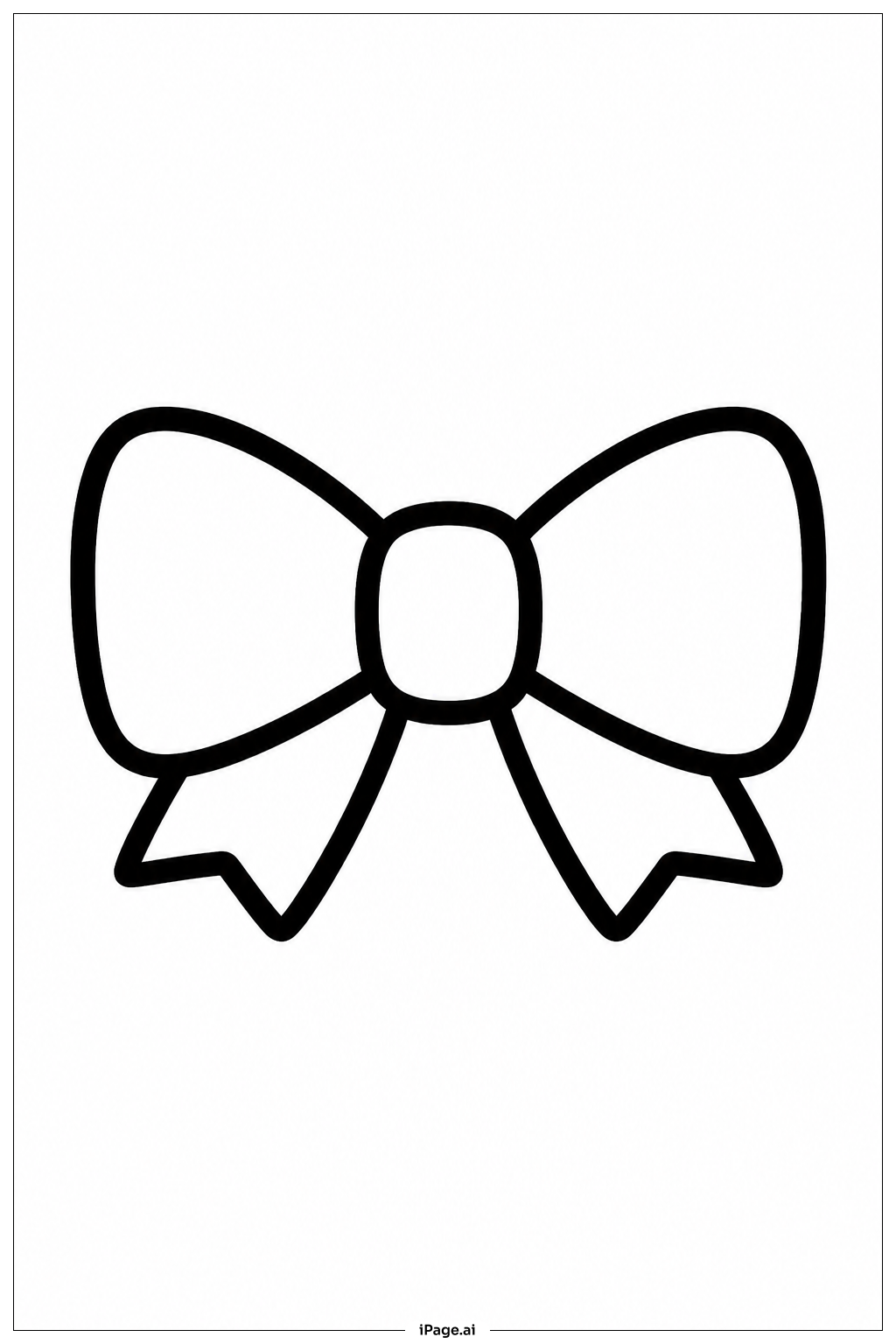
Start with the main bow loops using bright, cheerful colors like red, blue, or purple for a classic look. Consider using patterns like polka dots, stripes, or checkered designs to make your bow tie more interesting and fun. The central knot can be colored in a matching or contrasting shade to create visual interest. Try blending two similar colors together on each loop for a gradient effect. For a formal appearance, use deep colors like navy blue, burgundy, or forest green. Add highlights by leaving small areas lighter or using a yellow or white crayon to create shine spots. You can even decorate your bow tie with tiny stars, hearts, or other small patterns. Experiment with metallic colors like gold or silver for a festive party bow tie. Don't forget to color smoothly within the lines to make your bow tie look polished and professional.
Coloring challenges: Which parts are difficult to color and need attention for Bow Tie coloring page?
• Symmetrical Coloring: The bow tie has two matching loops that should ideally be colored identically to maintain visual balance. Young artists may find it challenging to remember which colors they used on the left side when working on the right side, or to apply colors with the same intensity on both loops. This requires careful attention and planning before starting to color.
• Central Knot Details: The knot area in the middle features overlapping fabric folds and wrapped sections that create small spaces requiring precision coloring. Children need to use controlled hand movements and possibly switch to finer coloring tools to fill these tight spaces without going over the lines or leaving white gaps.
• Smooth Color Application: The larger surface areas of the bow loops require consistent coloring pressure and technique to avoid streaky or patchy results. Younger children may struggle to maintain even color saturation across these broader sections, especially when using crayons or colored pencils that can create visible stroke marks.
• Pattern Consistency: If choosing to add decorative patterns like stripes or polka dots, children must plan and execute these designs carefully to ensure they look intentional and neat. This requires spatial planning skills and steady hand control to create evenly spaced, uniform pattern elements across the curved surfaces of the bow tie.
Benefits of coloring books: Advantages of drawing Bow Tie coloring page
Coloring this bow tie helps children develop fine motor skills and hand-eye coordination through careful line work and detailed coloring. The symmetrical design teaches kids about balance and matching, encouraging them to observe similarities between the two sides. This activity promotes color recognition and decision-making as children select harmonious color combinations. Working on the smaller areas, especially around the central knot, strengthens pencil grip and improves precision control. The bow tie's fashionable nature can spark conversations about formal wear, special occasions, and personal style choices. Completing this project builds confidence and provides a sense of accomplishment. Children can personalize their creation by adding unique patterns or color schemes, fostering creativity and self-expression. This coloring page also offers a calming, focused activity that helps improve concentration spans and patience in young learners.