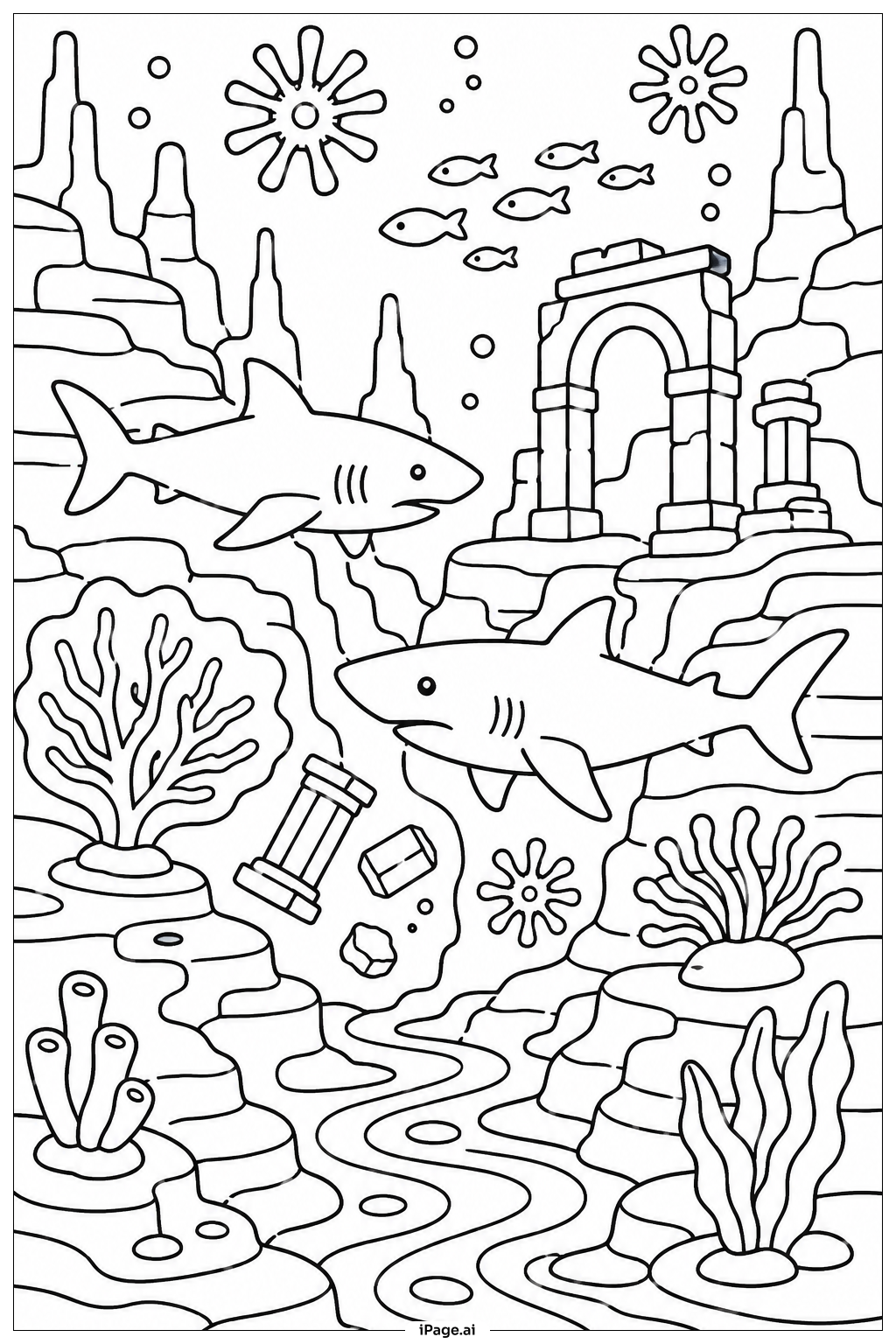
Coloring tips: How to color Deep Sea Shark Discovery coloring page well?
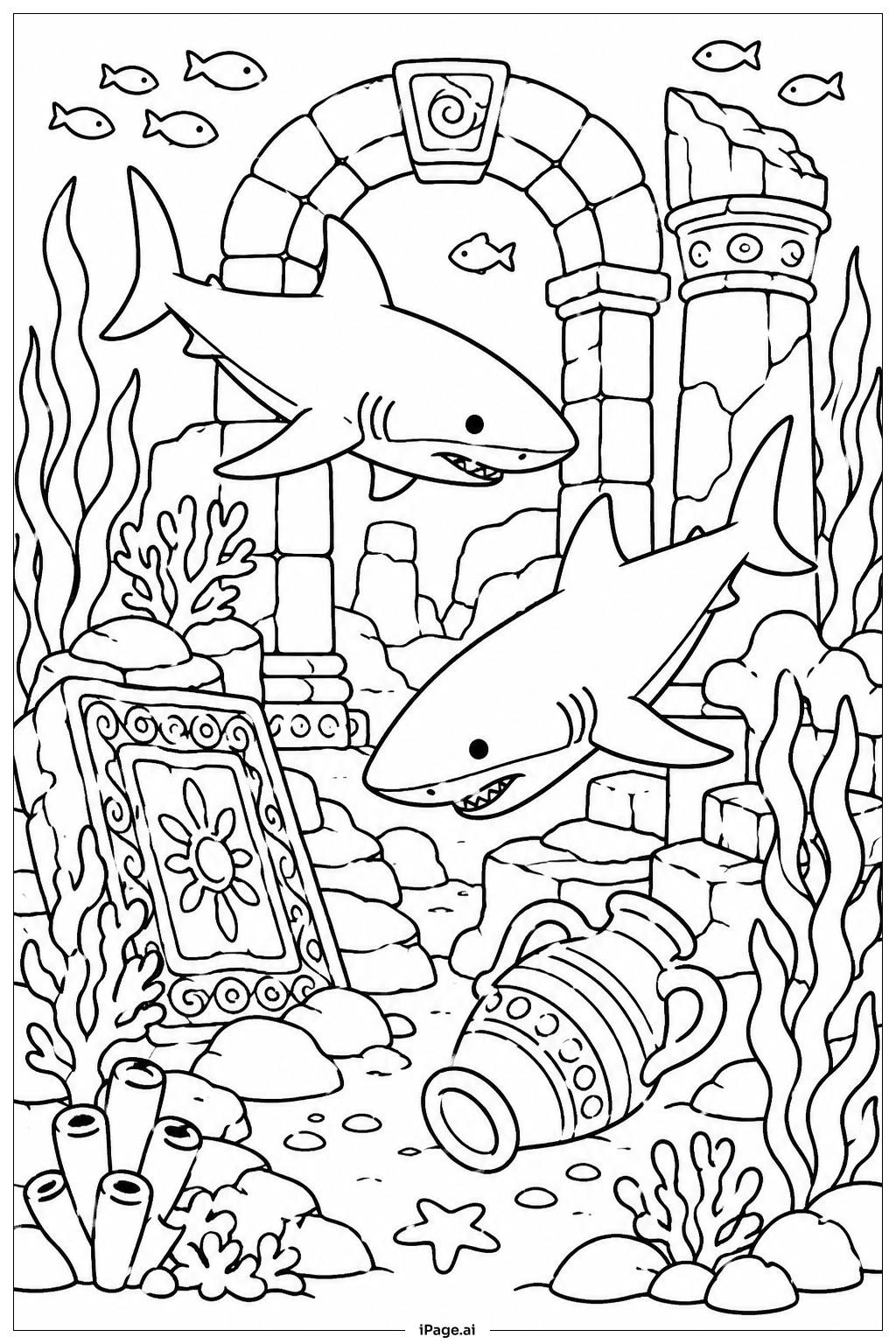
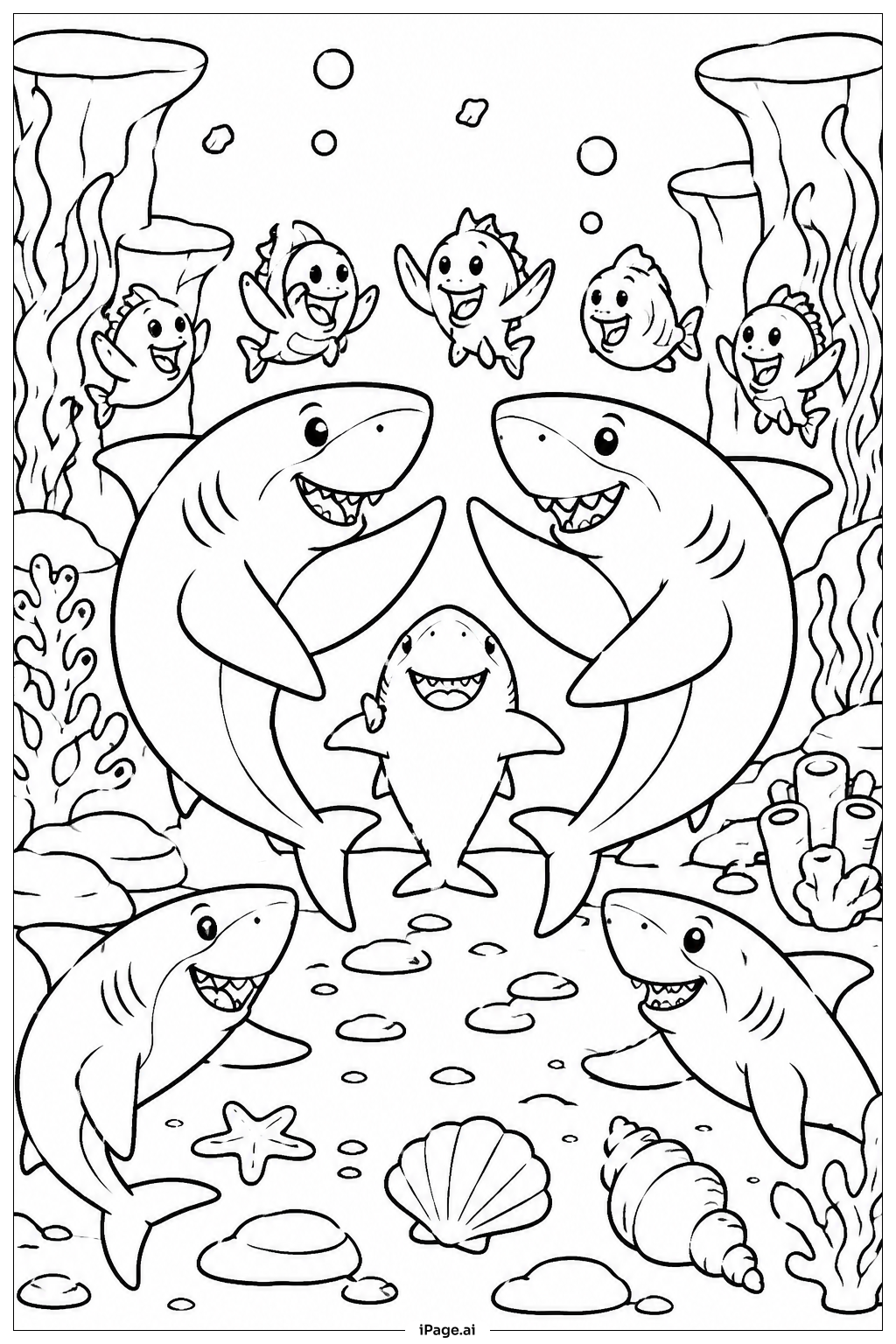
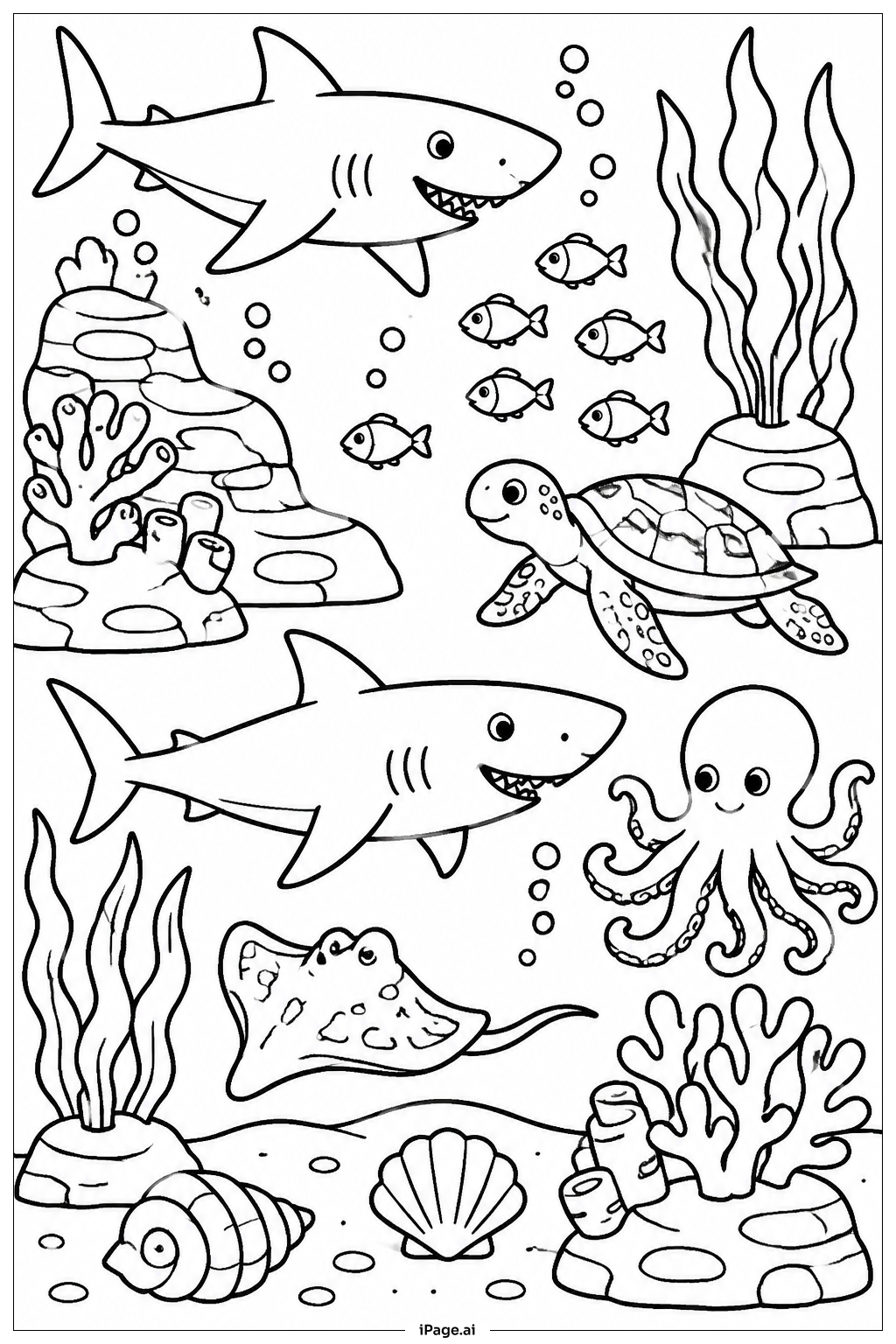
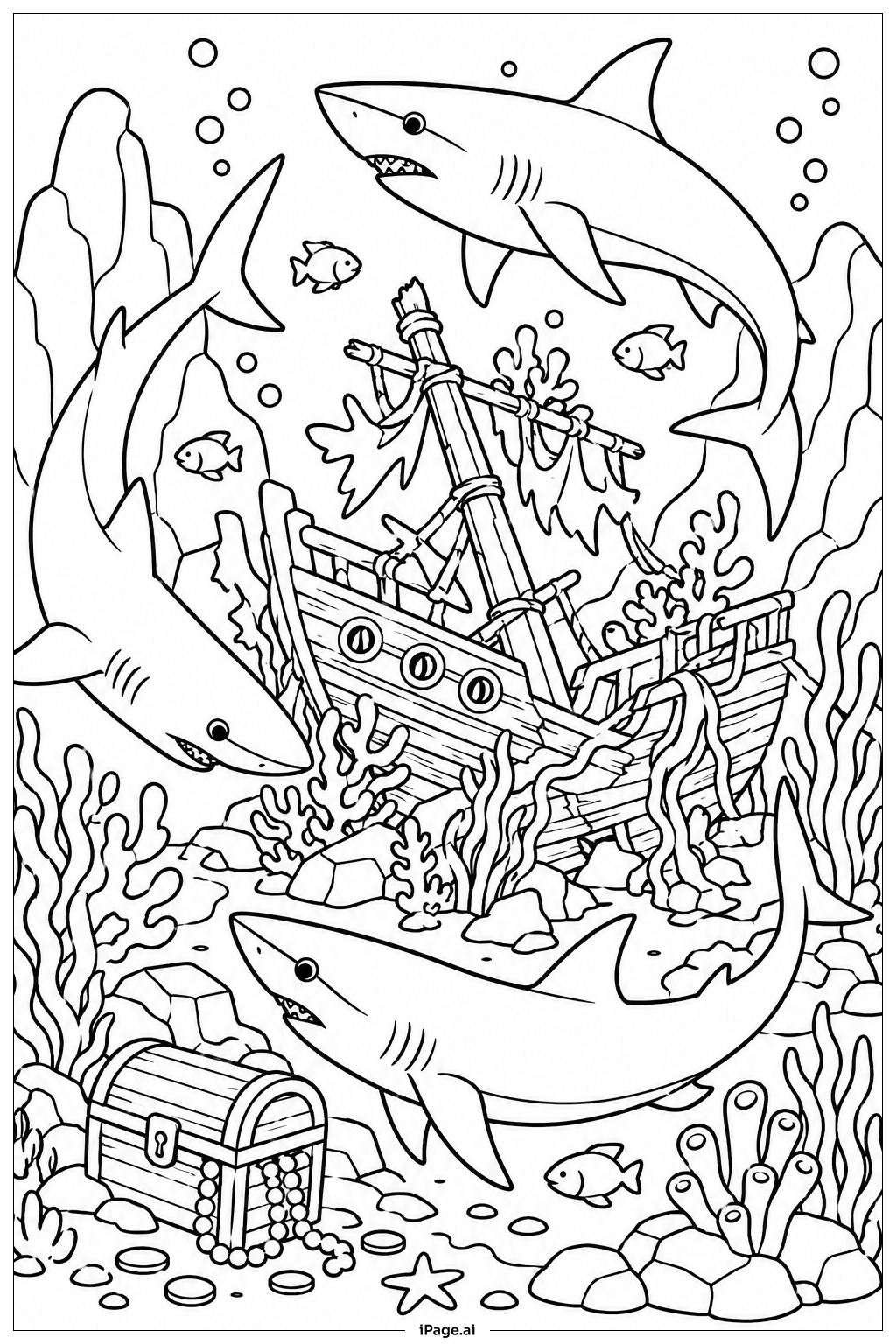
For this image, try using different shades of blue for the water to show the deep sea’s darkness and light areas. Dark navy and deep turquoise can help create depth. The shark’s body can be colored with gray, blue-gray, or even hints of silver, to highlight its sleek skin texture. Add white or lighter gray around the belly to show natural shading. For the small fish, choose bright colors like orange, yellow, or red to make them stand out. Don’t forget to color the light rays with soft, pale yellows or whites to give a glowing effect in the water. Use blending techniques to make smooth transitions between colors and make the scene more realistic.
Coloring challenges: Which parts are difficult to color and need attention for Deep Sea Shark Discovery coloring page?
• Deep Sea Background: Coloring the background to show depth with smooth color gradients can be tricky. It requires blending blues and dark tones without harsh lines.
• Shark Texture: The shark’s skin has different tones from dark to light. Balancing shading to make it look three-dimensional needs careful color layering.
• Small Details: The small fish and subtle water currents need precision to avoid coloring outside the lines.
• Light Rays: Creating soft, glowing rays of light under water requires gentle coloring with gradual fading edges.
• Teeth and Mouth: Coloring the shark’s mouth and sharp teeth realistically needs attention to tiny details and contrast between white teeth and darker mouth interior.
Benefits of coloring books: Advantages of drawing Deep Sea Shark Discovery coloring page
Coloring this image helps improve fine motor skills by working on detailed areas like the shark’s fins and the small fish. It encourages careful blending and shading, teaching about light and shadow effects. Young artists can learn about ocean life and the colors found in deep-sea environments. It also inspires creativity by allowing choices in coloring the underwater world with realistic or imaginative color schemes. Overall, it’s a fun way to develop focus, patience, and an appreciation for marine creatures.