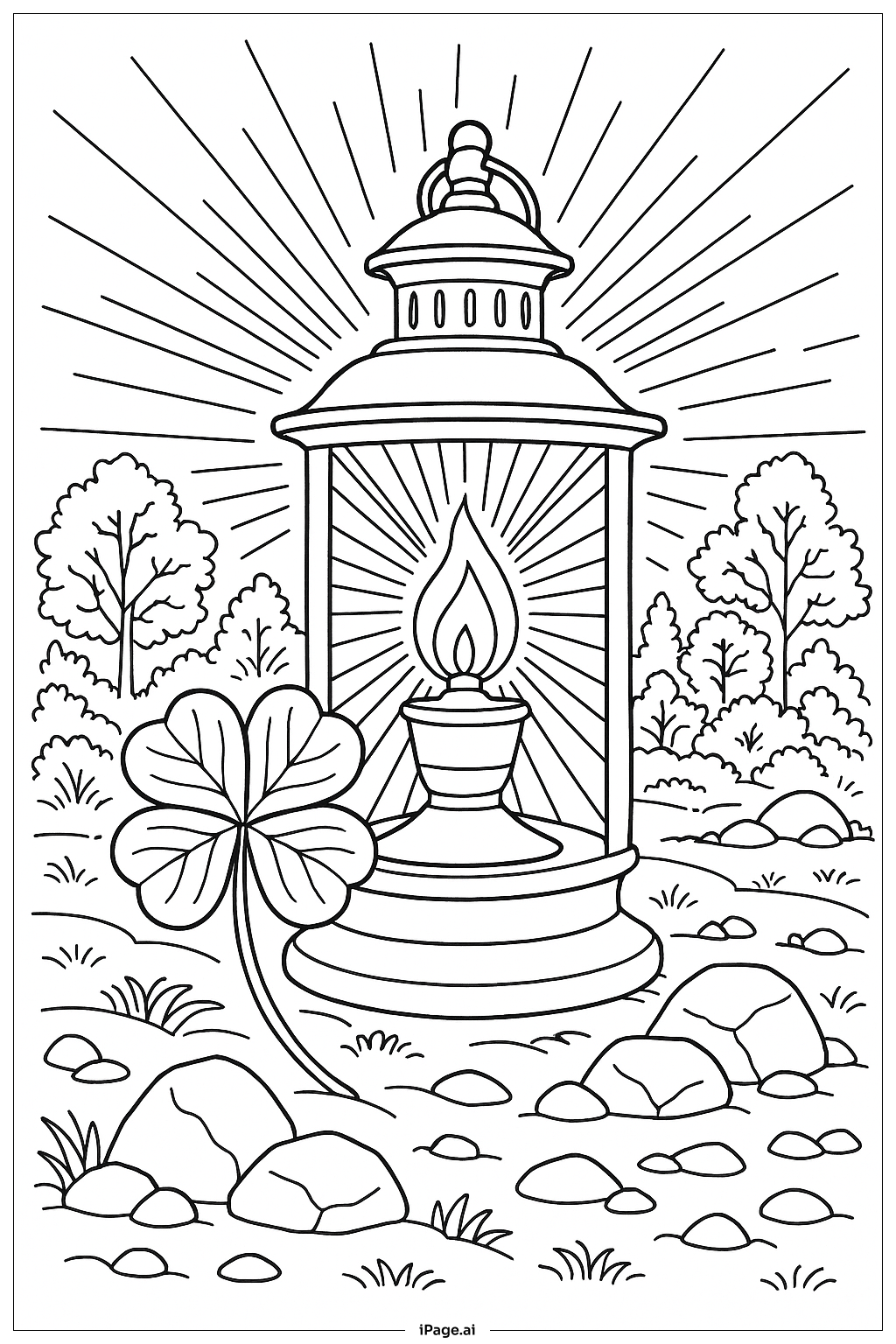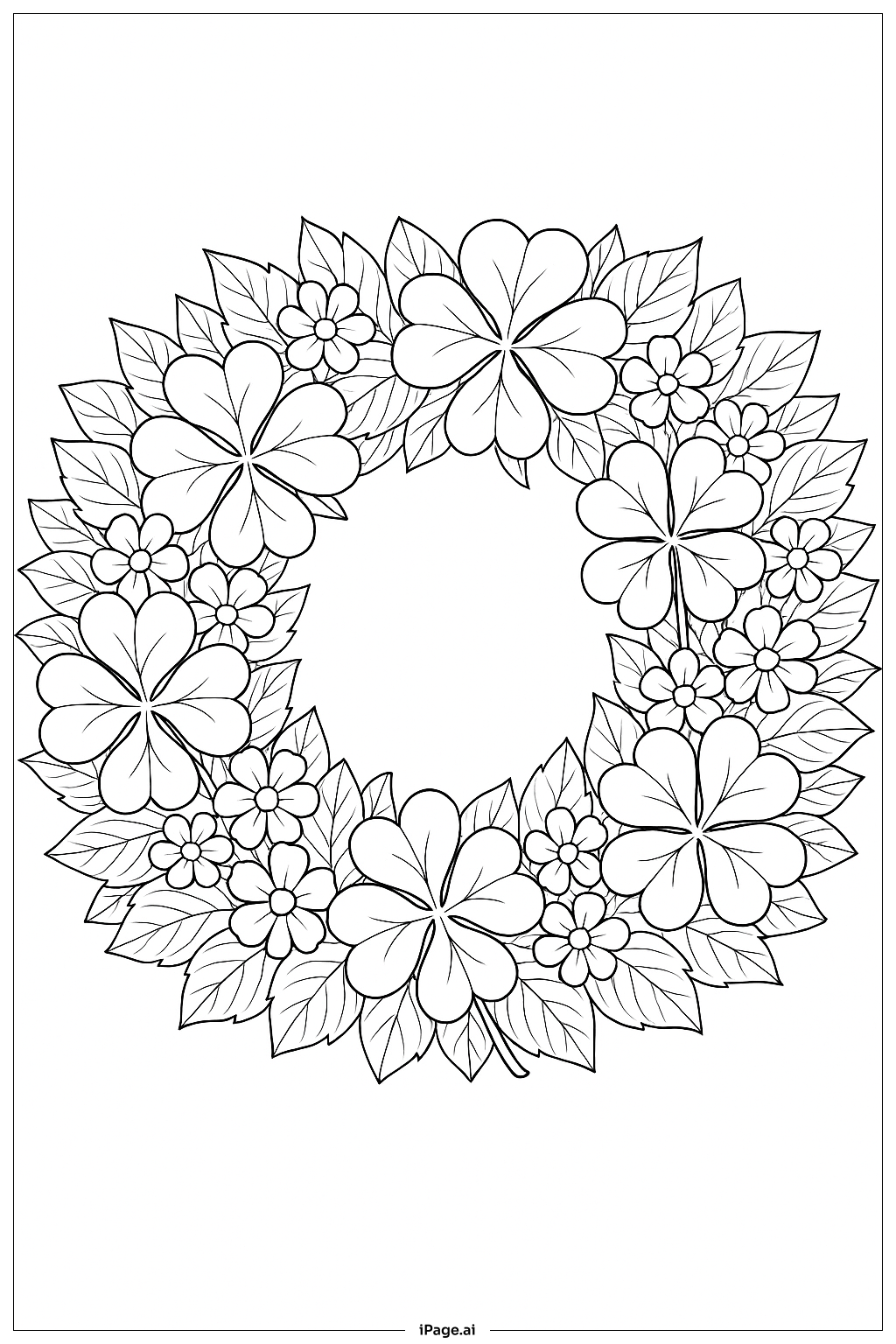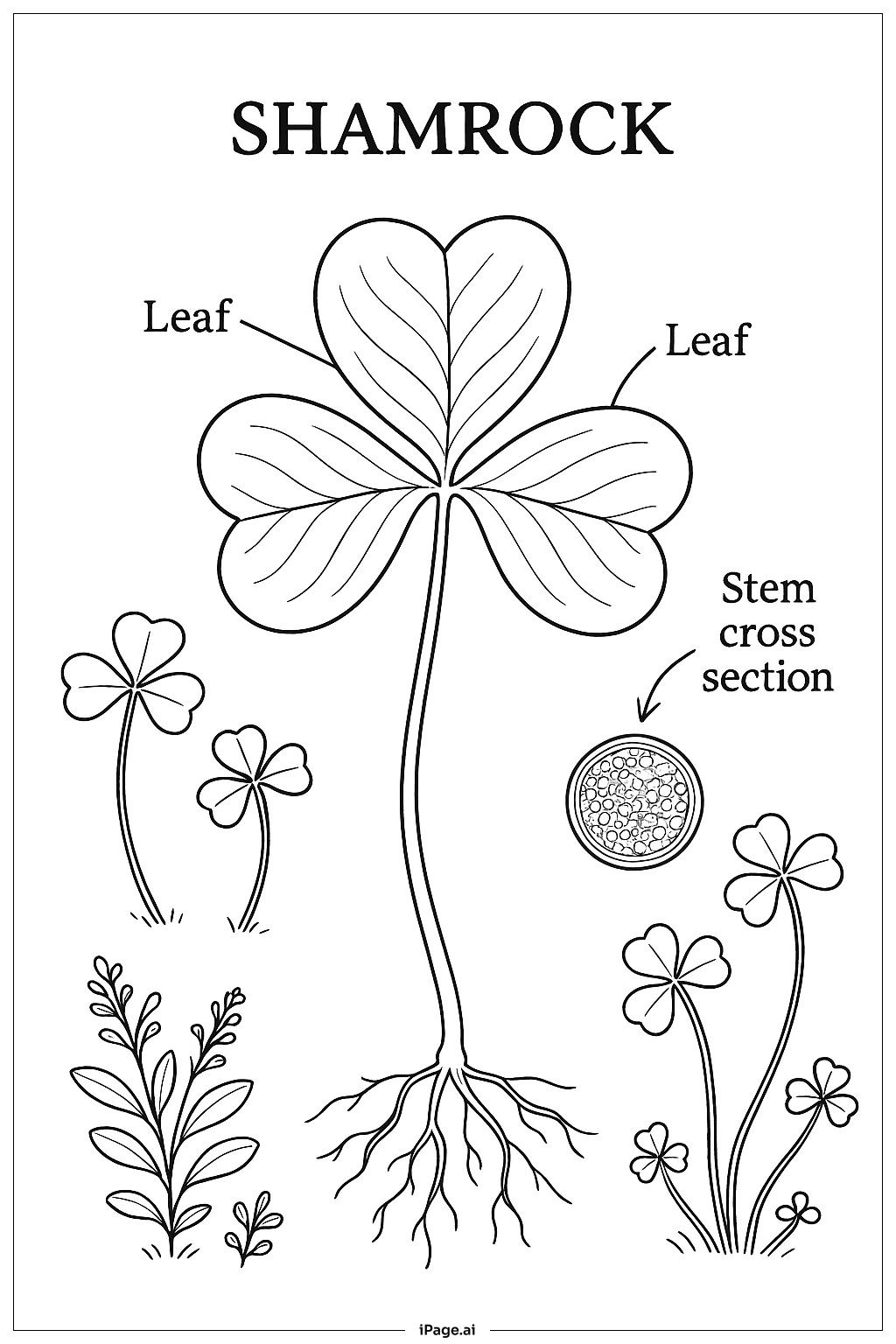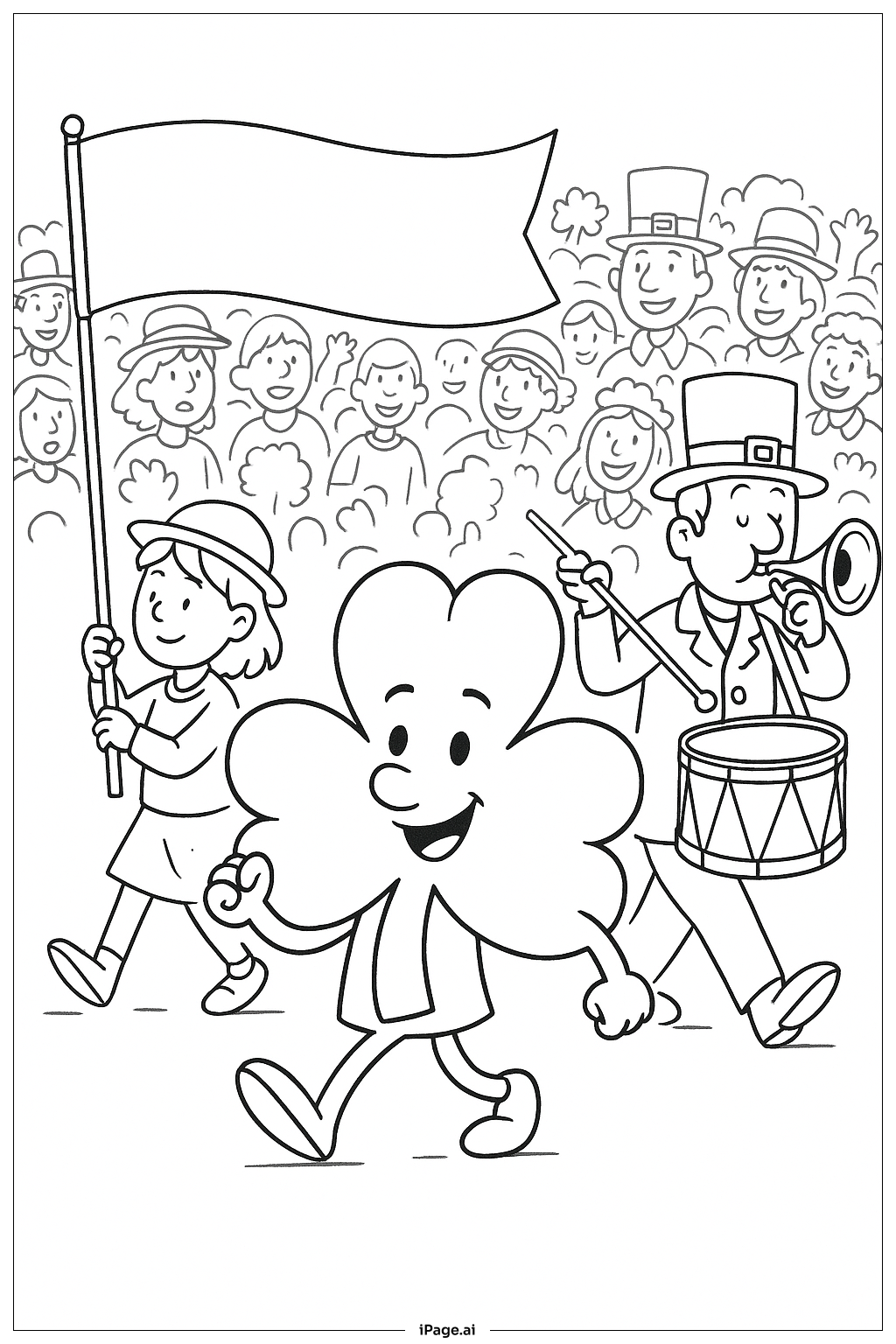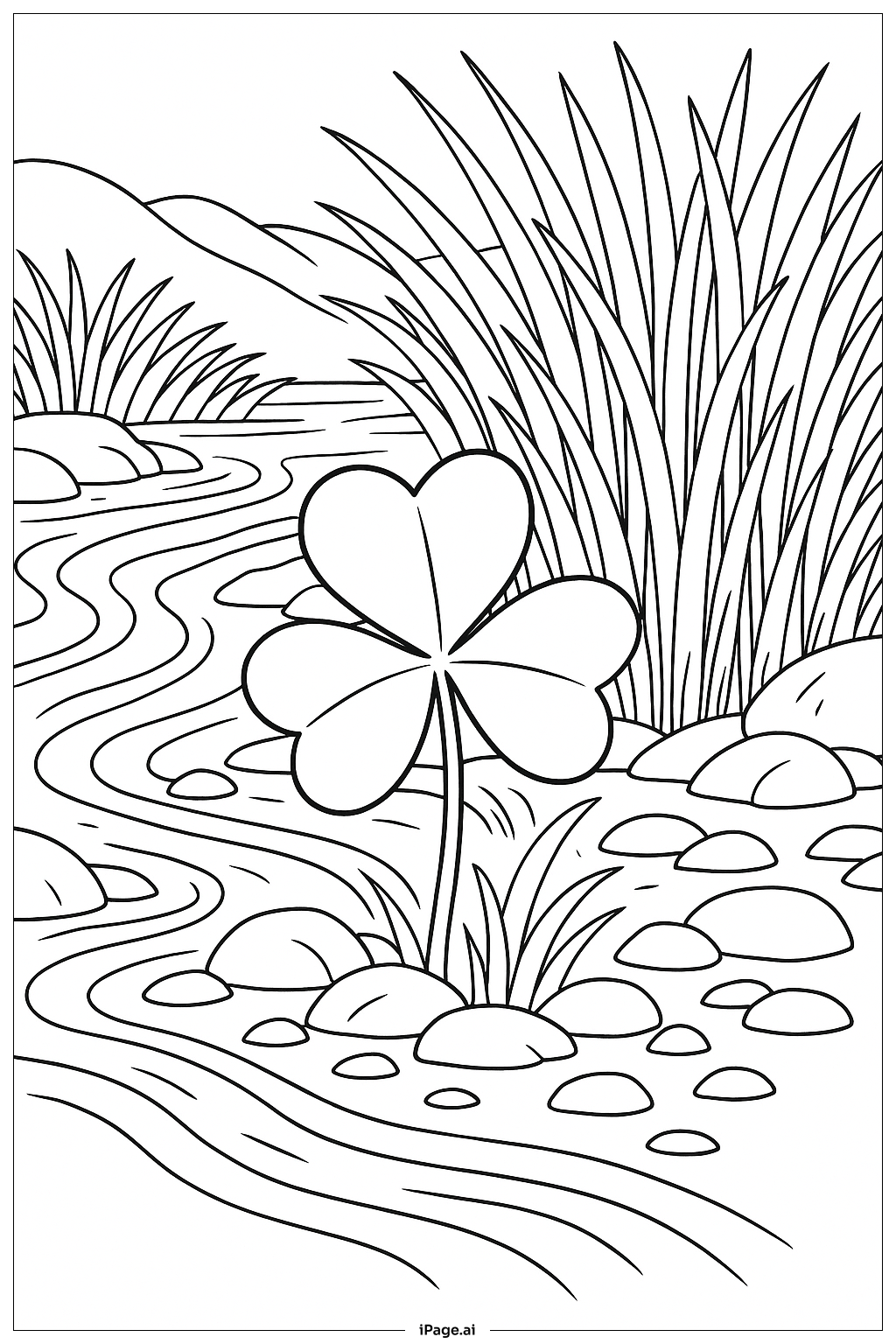
Coloring tips: How to color Shamrock Riverbank With Rocks coloring page well?
For the shamrocks, use various shades of green from lime to forest green to create depth and variety. Consider adding yellow-green highlights where sunlight might touch the leaves. The river can be colored in cool blues and teals, with lighter shades near the surface and darker tones in deeper areas. Add white or light blue streaks to suggest water movement and reflections. For the rocks, experiment with grays, tans, browns, and even subtle purples or blues to create realistic stone textures. Layer different shades on each rock to show dimension and shadows. The riverbank soil can be warm browns or sandy beiges. Try adding tiny yellow or white wildflowers among the shamrocks for extra color pops. Use darker greens and browns in shadowed areas beneath rocks and plants to enhance the three-dimensional effect.
Coloring challenges: Which parts are difficult to color and need attention for Shamrock Riverbank With Rocks coloring page?
• Shamrock Leaf Details: Each shamrock contains three heart-shaped leaves with delicate veins and curves that require careful coloring to maintain their distinctive shape. Young colorists may find it challenging to stay within the lines of these small, rounded forms while applying different green shades to create natural variation across multiple shamrock clusters throughout the scene.
• Rock Texture and Shading: The various rocks scattered along the riverbank need realistic coloring to look three-dimensional rather than flat. This requires understanding where light hits each stone and applying lighter colors on top surfaces while using darker shades underneath and on sides. Blending multiple earth tones smoothly without creating muddy colors can be tricky, especially for the smaller pebbles.
• Water Flow and Reflections: Depicting moving water convincingly requires strategic color choices and directional coloring strokes. The river needs lighter and darker blue areas to suggest depth, current, and surface ripples. Creating the illusion of transparency where rocks show through shallow water, plus adding highlights for sparkle and reflection, demands advanced color blending and layering skills.
• Spatial Depth and Perspective: The scene includes foreground shamrocks and rocks that should appear closer, plus background elements that need to recede visually. Achieving this depth requires varying color intensity, with bolder, richer colors in front and softer, lighter tones toward the back. Maintaining consistent color logic throughout while managing the busy composition with many overlapping elements challenges spatial awareness and planning.
Benefits of coloring books: Advantages of drawing Shamrock Riverbank With Rocks coloring page
Coloring this riverbank scene helps children develop fine motor control as they carefully fill the small shamrock leaves and navigate around numerous rocks of different sizes. The repetitive shamrock patterns provide excellent practice for hand-eye coordination and precision. The nature theme offers opportunities to learn about plant forms and river ecosystems while encouraging observation of the natural world. Working with the various elements teaches planning skills, as children must decide which areas to color first and which colors will work harmoniously together. The combination of organic shapes like shamrocks and water with the geometric forms of rocks helps develop spatial reasoning. The detailed composition encourages patience and focus, as completing the entire scene requires sustained attention. Children can express creativity through color choices while experiencing the calming effects associated with nature imagery and the meditative quality of coloring flowing water and repeating natural patterns.