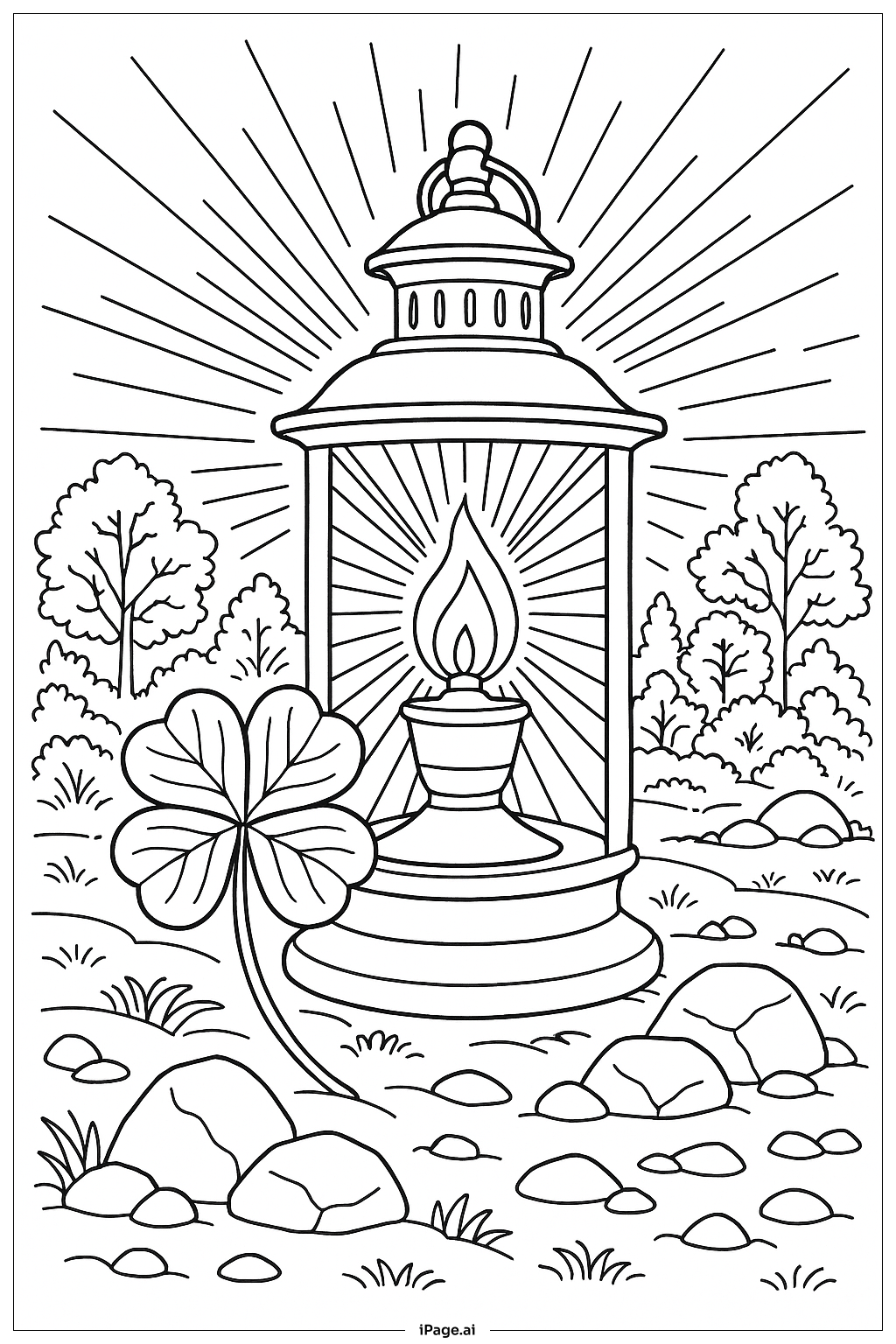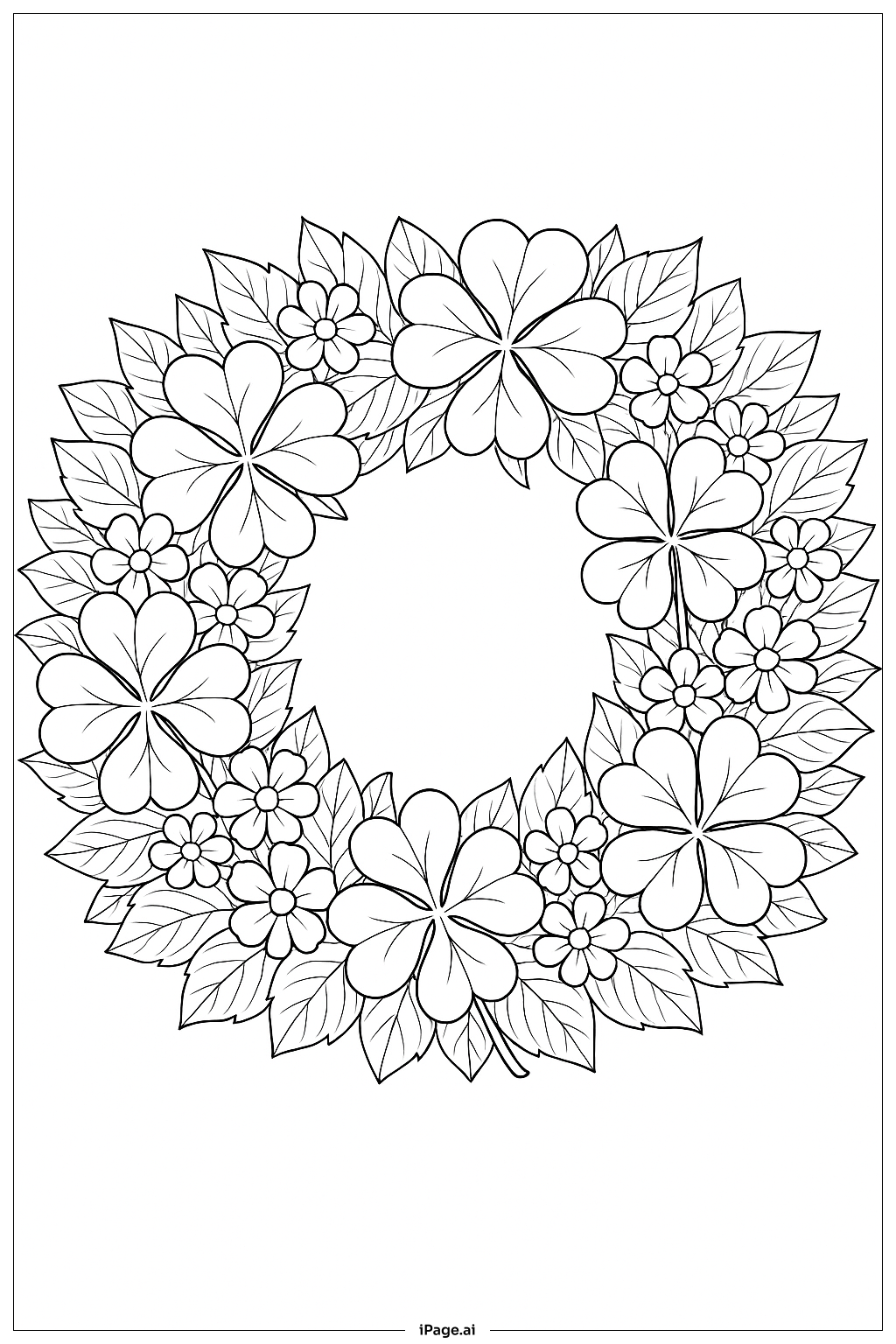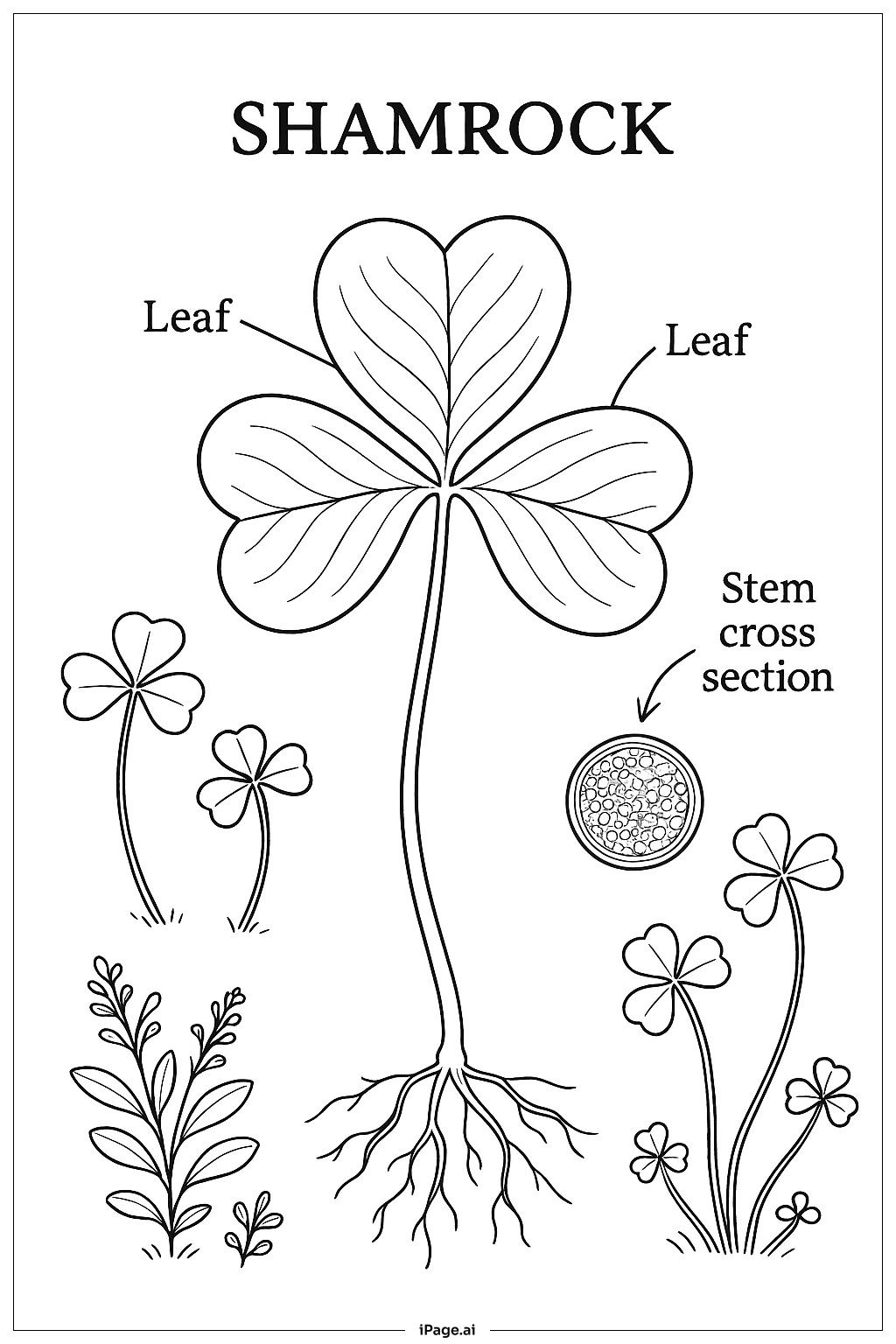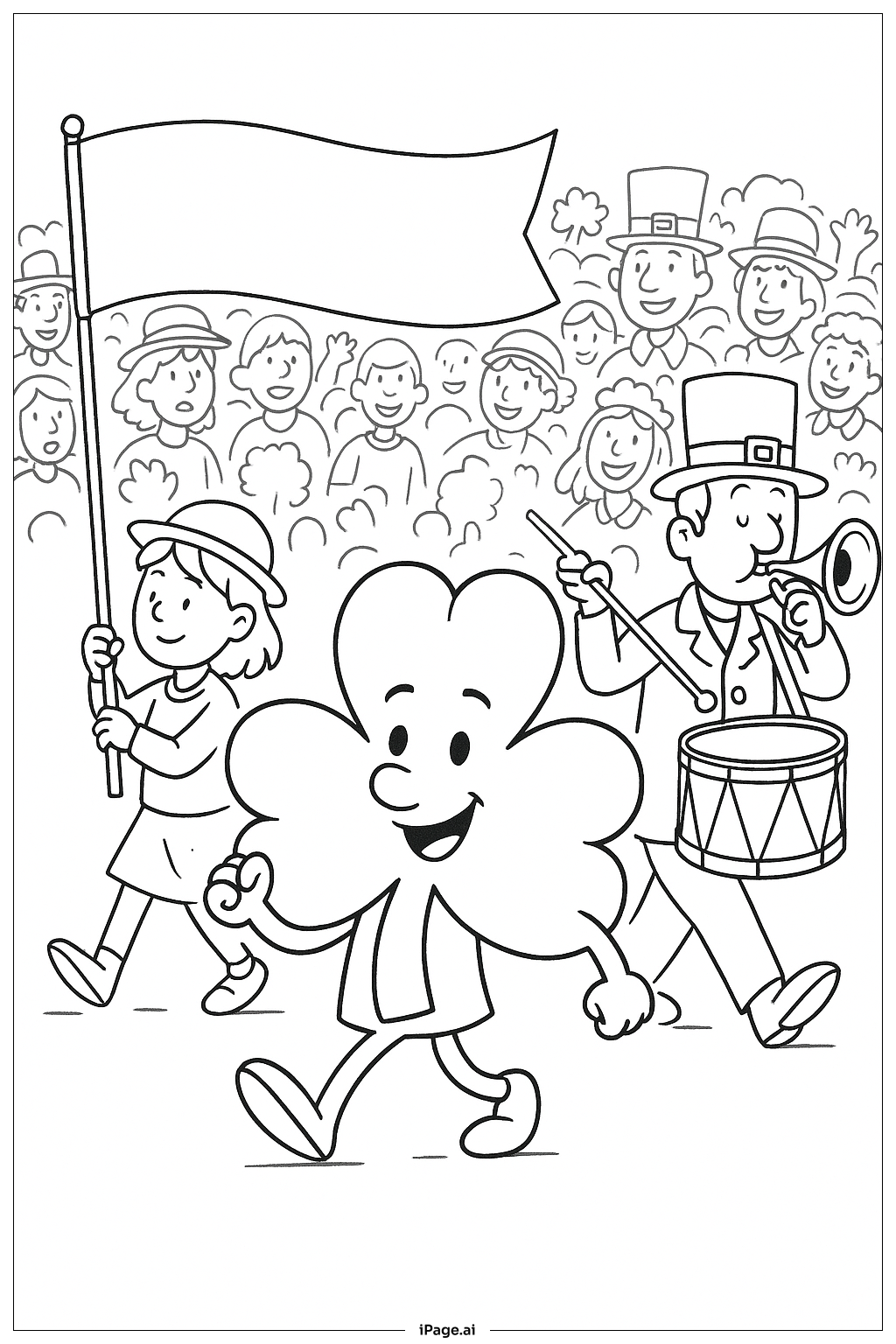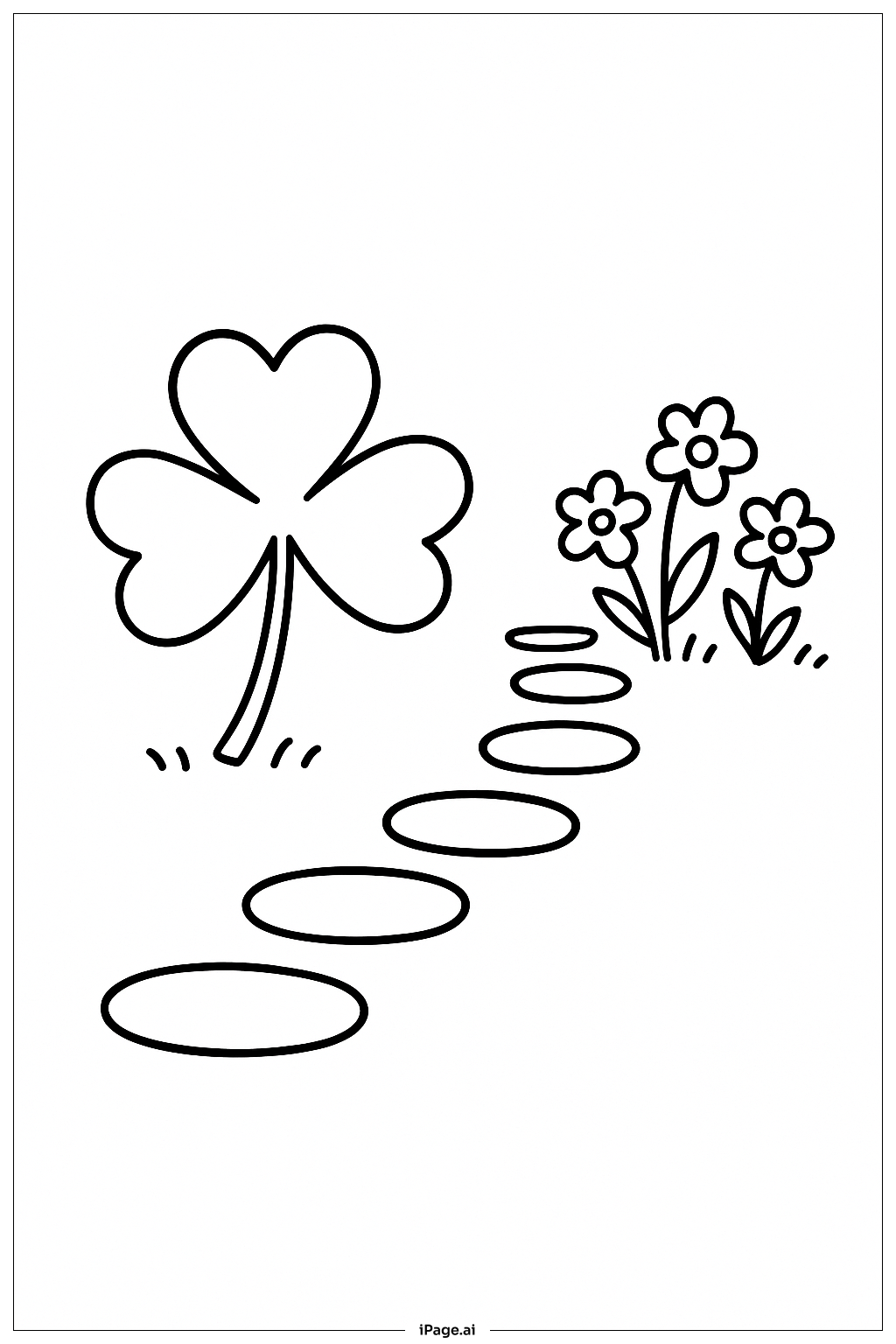
Coloring tips: How to color Shamrock Pathway In Garden coloring page well?
Start with the shamrock leaves using different shades of green. Try lime green for the smaller leaves and a deeper forest green for the larger ones. This creates a natural, layered look. Use a light yellow-green for the leaf veins to add detail. For the pathway, warm sandy tones like tan or beige work well. You can add light brown or gray to suggest stone or dirt texture. The background can be soft sky blue or pale yellow to suggest sunshine. Add a few pops of color like small white flowers or tiny red spots to bring the scene to life. Kids can use crayons, colored pencils, or markers — any tool works great here. There is no wrong color choice, so feel free to get creative and make it your own special garden!
Coloring challenges: Which parts are difficult to color and need attention for Shamrock Pathway In Garden coloring page?
• Shamrock Leaf Detail: Each shamrock leaf has delicate veins running through it. Staying within these thin lines while adding color can be tricky, especially for younger colorists. Use a fine-tipped colored pencil or marker to carefully trace the vein lines before filling in the surrounding areas with a broader tool.\n\n• Overlapping Leaves: Many shamrock leaves overlap each other throughout the scene. Deciding which leaf goes in front and which sits behind requires careful observation. Using slightly different shades of green for each layer helps separate them visually and keeps the image looking neat and dimensional.\n\n• Consistent Color Throughout: The scene is filled with dozens of shamrock leaves of varying sizes. Keeping a consistent color palette across all of them without making the image look flat or repetitive takes planning. Try alternating two or three shades of green in a pattern to maintain variety while still looking harmonious.\n\n• Pathway Texture: The winding path in the center of the image benefits from shading to look realistic. Simply filling it with one flat color can make it look plain. Layering a base tone with slightly darker strokes along the edges and lighter tones in the center helps create the illusion of a sunlit garden path.\n\n• Background Depth: The background behind the shamrocks needs to feel distant and soft. Using lighter, less saturated colors for elements further away helps create a sense of depth. This technique, called atmospheric perspective, can be challenging for beginners but makes the final image look much more dynamic and complete.
Benefits of coloring books: Advantages of drawing Shamrock Pathway In Garden coloring page
Coloring this Shamrock Pathway In Garden scene offers a wonderful range of benefits for kids and adults alike. Working through the many shamrock leaves helps build fine motor skills and hand-eye coordination, especially when following the small leaf veins and curved edges. Choosing color combinations for the leaves, path, and background encourages creative thinking and gives colorists a chance to express their own artistic style. The repetitive nature of coloring the shamrock clusters can be deeply calming and meditative, making it a great activity for reducing stress and anxiety. For younger children, identifying and coloring the different parts of the image supports shape recognition and early nature education. Learning about shamrocks and their connection to Irish culture and good luck adds a fun cultural layer to the activity. Completing a detailed scene like this also builds patience and a sense of accomplishment. Whether it is a quiet solo activity or a shared project with friends and family, this garden coloring page brings joy, focus, and a little bit of lucky charm to every session.