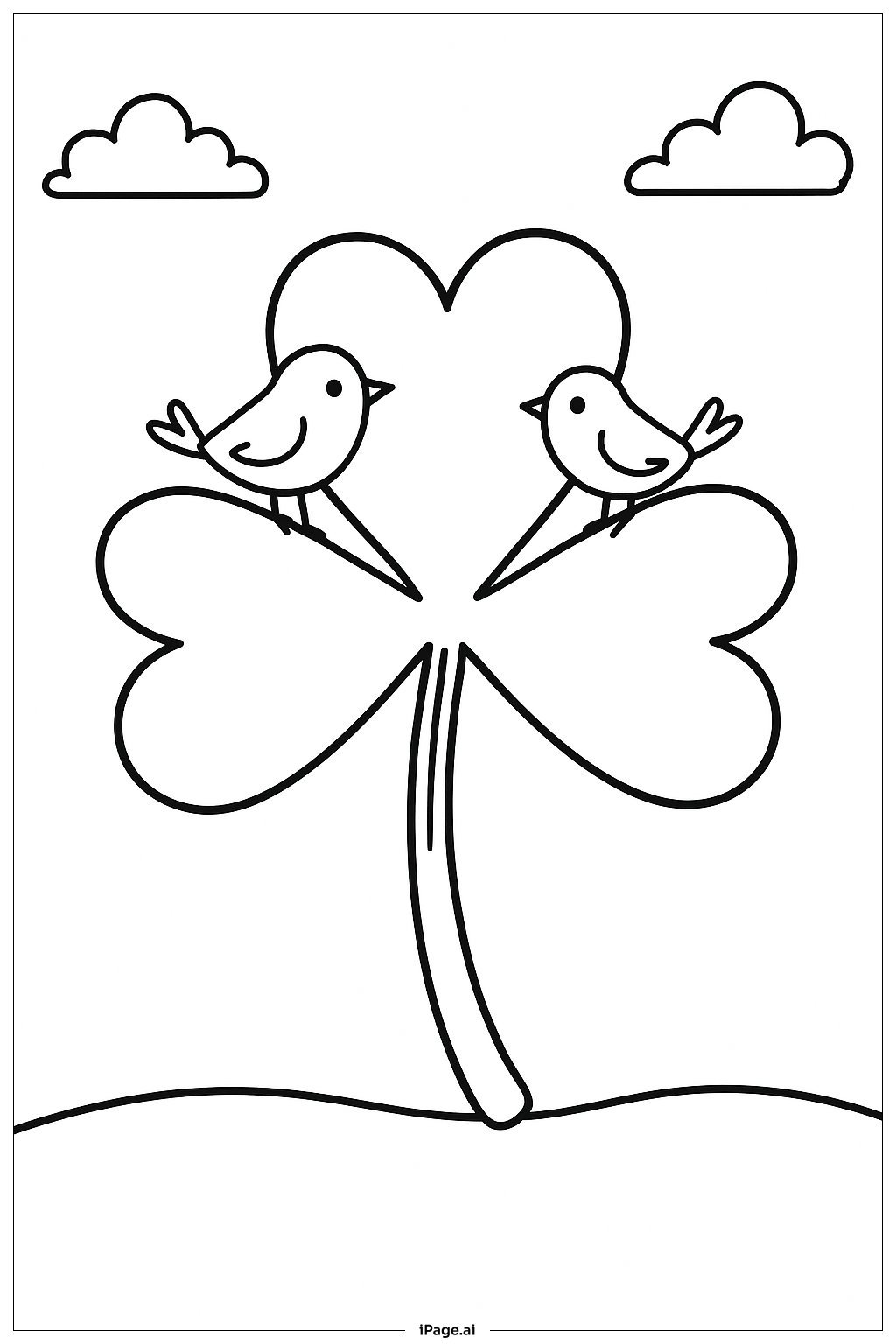
Coloring tips: How to color Shamrock And Tiny Birds coloring page well?
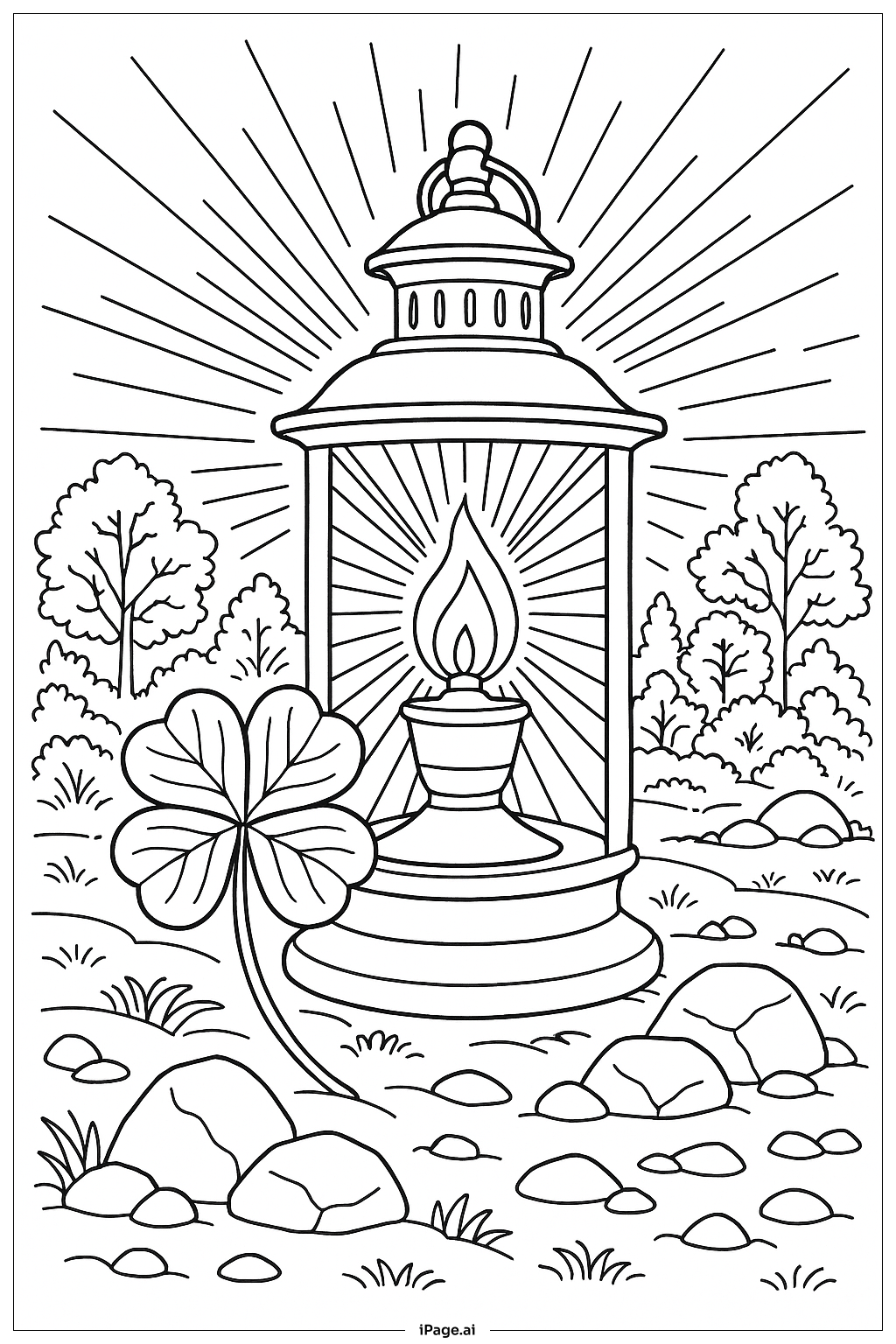
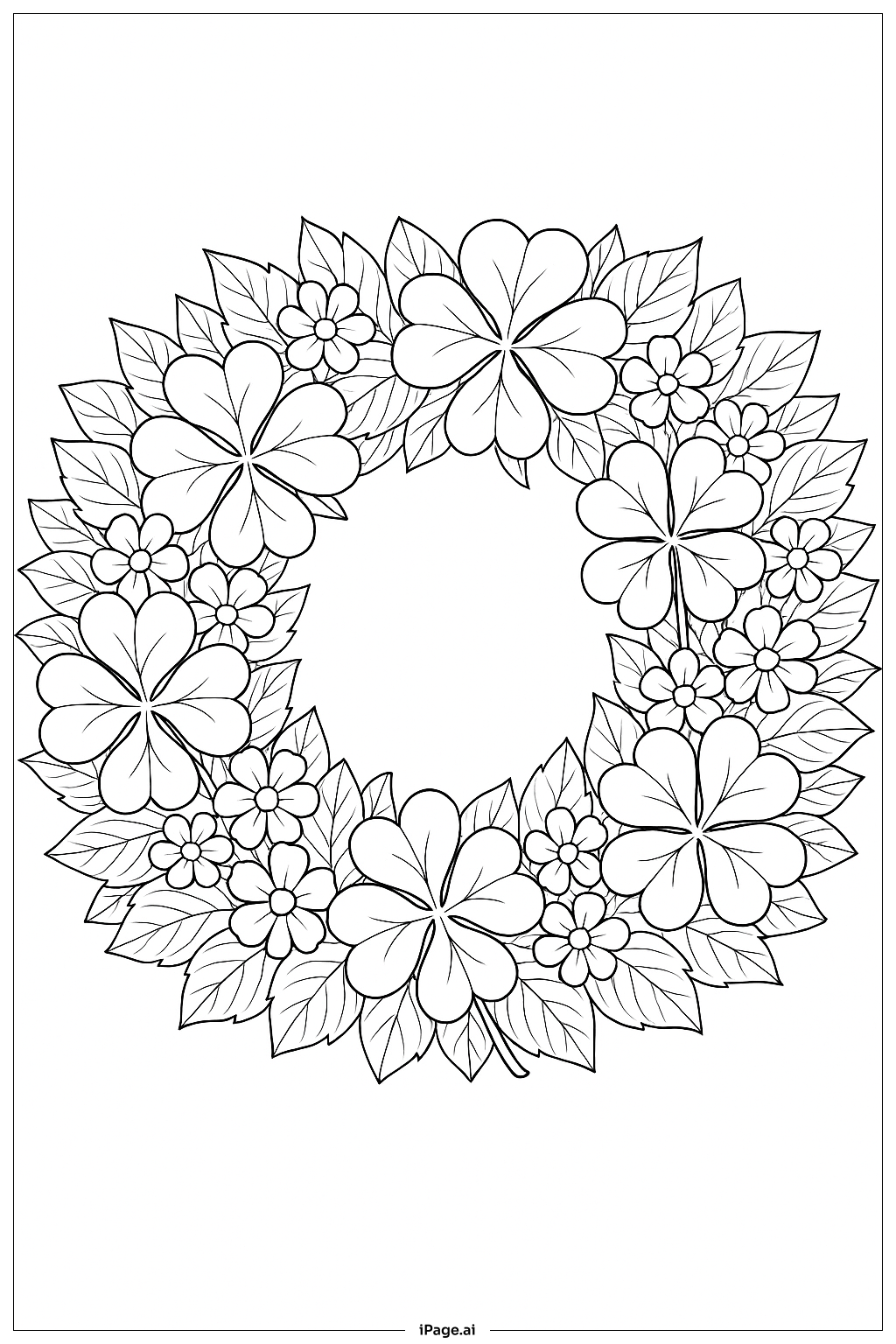
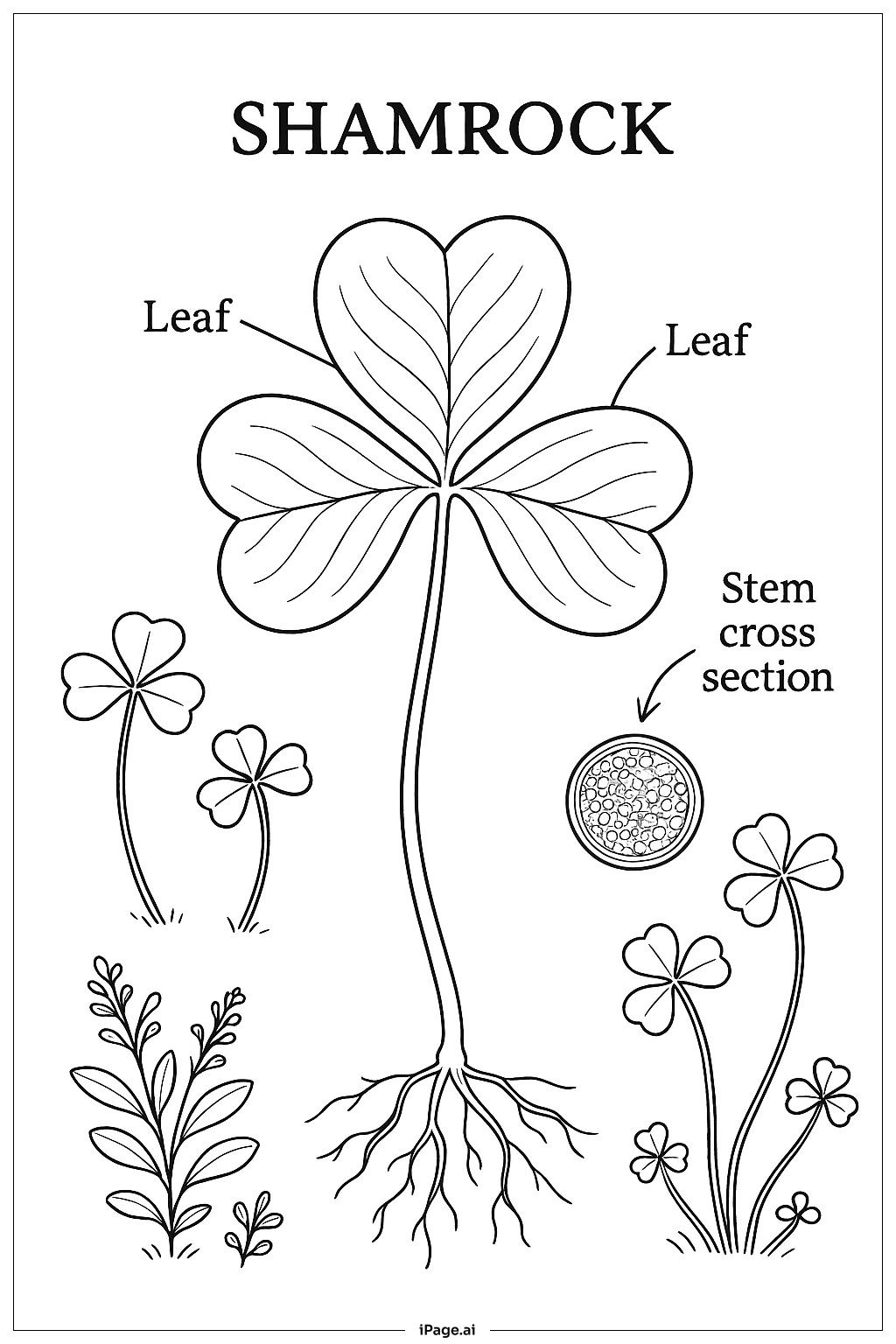
For the shamrock, try using various shades of green—light green for the leaf bases, darker green for the veins, and emerald for depth. You can add yellow-green highlights where sunlight might hit the leaves. The stem can be a deeper forest green or even brown for a natural look. For the tiny birds, consider using cheerful spring colors like soft blues, sunny yellows, coral pinks, or robin red breasts. Give each bird a unique color combination to make them stand out. Use light gray or tan for beaks and feet. Add soft shadows beneath the shamrock and birds with light gray or pale blue to create dimension. Consider a pale yellow or sky blue background to suggest sunshine or open sky, keeping it light so the main subjects remain the focus.
Coloring challenges: Which parts are difficult to color and need attention for Shamrock And Tiny Birds coloring page?
• Fine Bird Details: The tiny birds present the greatest challenge due to their small size and delicate features. Their beaks, eyes, feet, and wing feathers require careful coloring with sharp pencils or fine-tipped markers to avoid bleeding into adjacent areas. Young children may find staying within these tiny boundaries difficult and might benefit from using thicker coloring tools and accepting a looser style.
• Leaf Vein Patterns: The shamrock leaves contain intricate vein patterns that create small sections within each heart-shaped leaf. Coloring these veins distinctly while maintaining consistent color in the leaf sections requires patience and color control. Deciding whether to color veins darker or lighter than the leaf base, and executing that choice neatly, adds complexity.
• Overlapping Elements: Where birds perch on or fly near the shamrock leaves, the overlapping lines create narrow spaces that are tricky to color without accidentally crossing boundaries. These intersections require slow, deliberate coloring and good hand control, especially for younger colorists.
• Creating Depth and Dimension: To make this scene come alive, colorists should use shading and highlighting techniques. Determining light sources, adding shadows under leaves and birds, and creating graduated tones requires planning and skill beyond simple flat coloring. This elevates the difficulty for those seeking a more realistic result.
• Color Coordination: With multiple birds and a central shamrock, choosing a harmonious color palette that makes each element distinct yet visually cohesive presents an artistic challenge. Balancing bold and subtle colors throughout the composition requires thoughtful planning.
Benefits of coloring books: Advantages of drawing Shamrock And Tiny Birds coloring page
Coloring this shamrock and birds scene offers wonderful benefits for young artists. The combination of larger shamrock leaves and tiny bird details helps develop fine motor skills and hand-eye coordination at different scales. Children learn to control their coloring tools with varying pressure and precision. The nature theme encourages observation skills as kids think about realistic colors for plants and birds, fostering an appreciation for the natural world. The multiple birds allow for creative expression—each can be colored differently, promoting decision-making and personal artistic choices. The repetitive yet varied elements provide a calming, focused activity that can improve concentration and patience. Completing this detailed page builds confidence and a sense of accomplishment. The spring and nature theme can spark conversations about seasons, luck symbols, and bird species, connecting art time with learning moments.