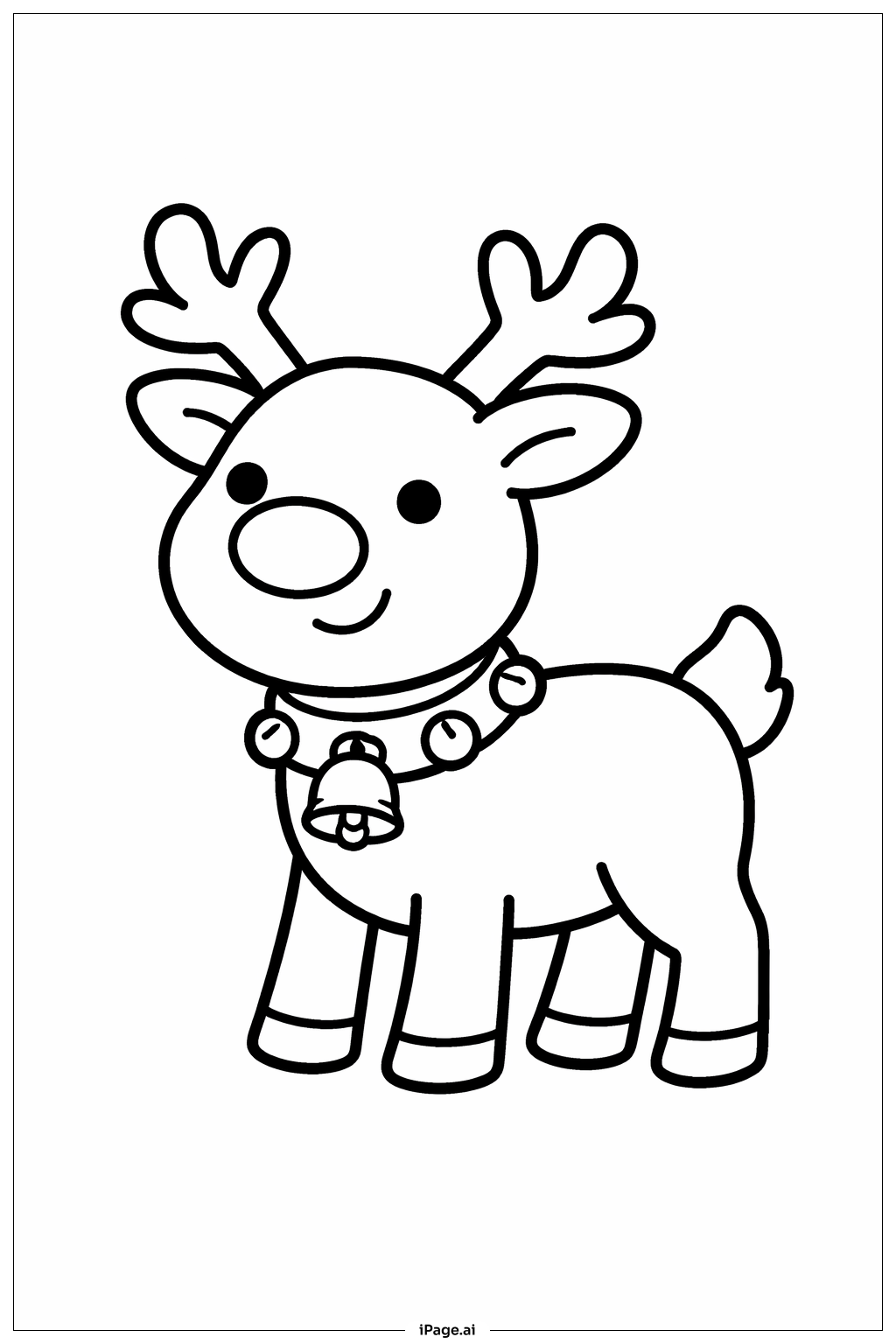
Coloring tips: How to color Rudolph With Bell coloring page well?
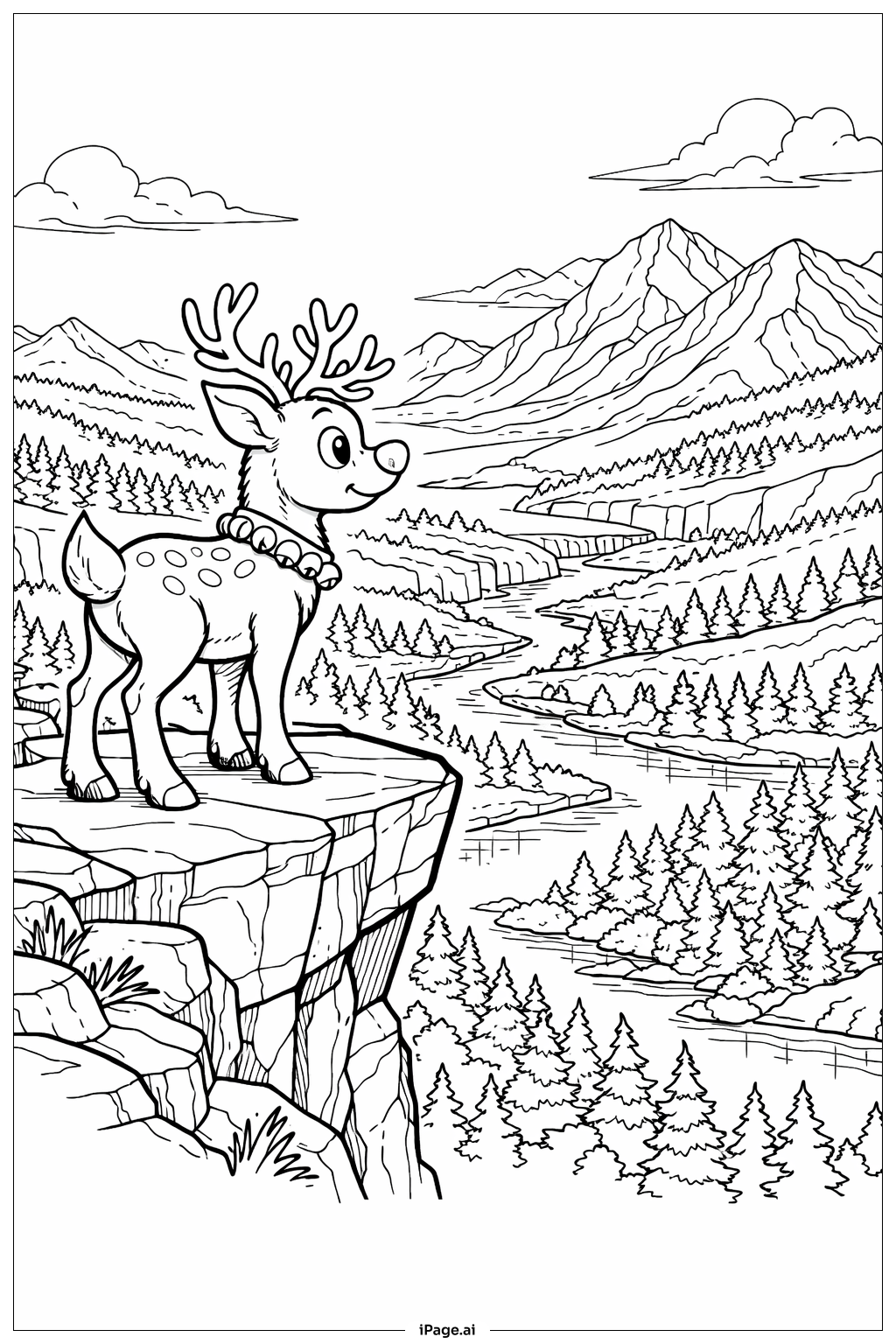
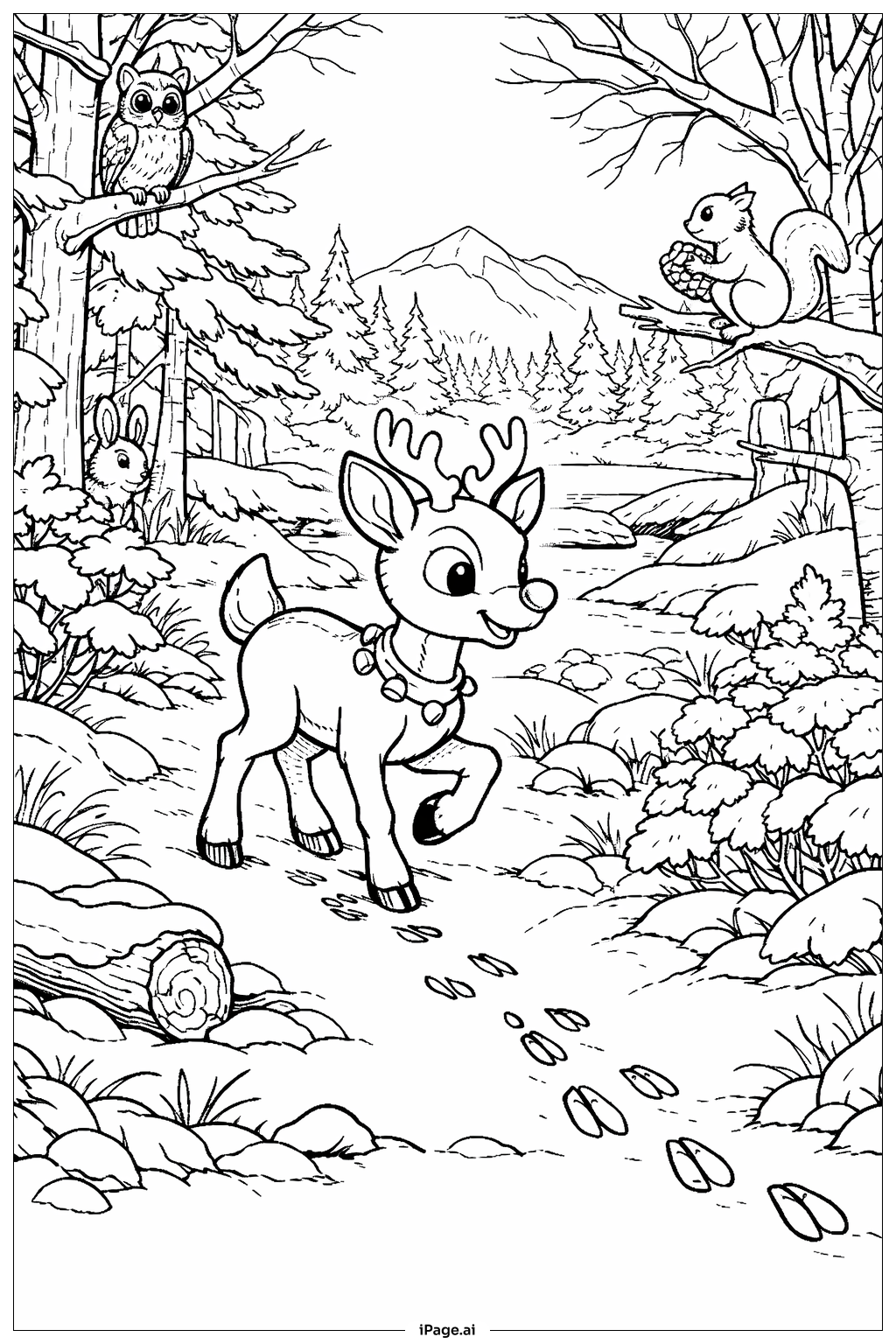
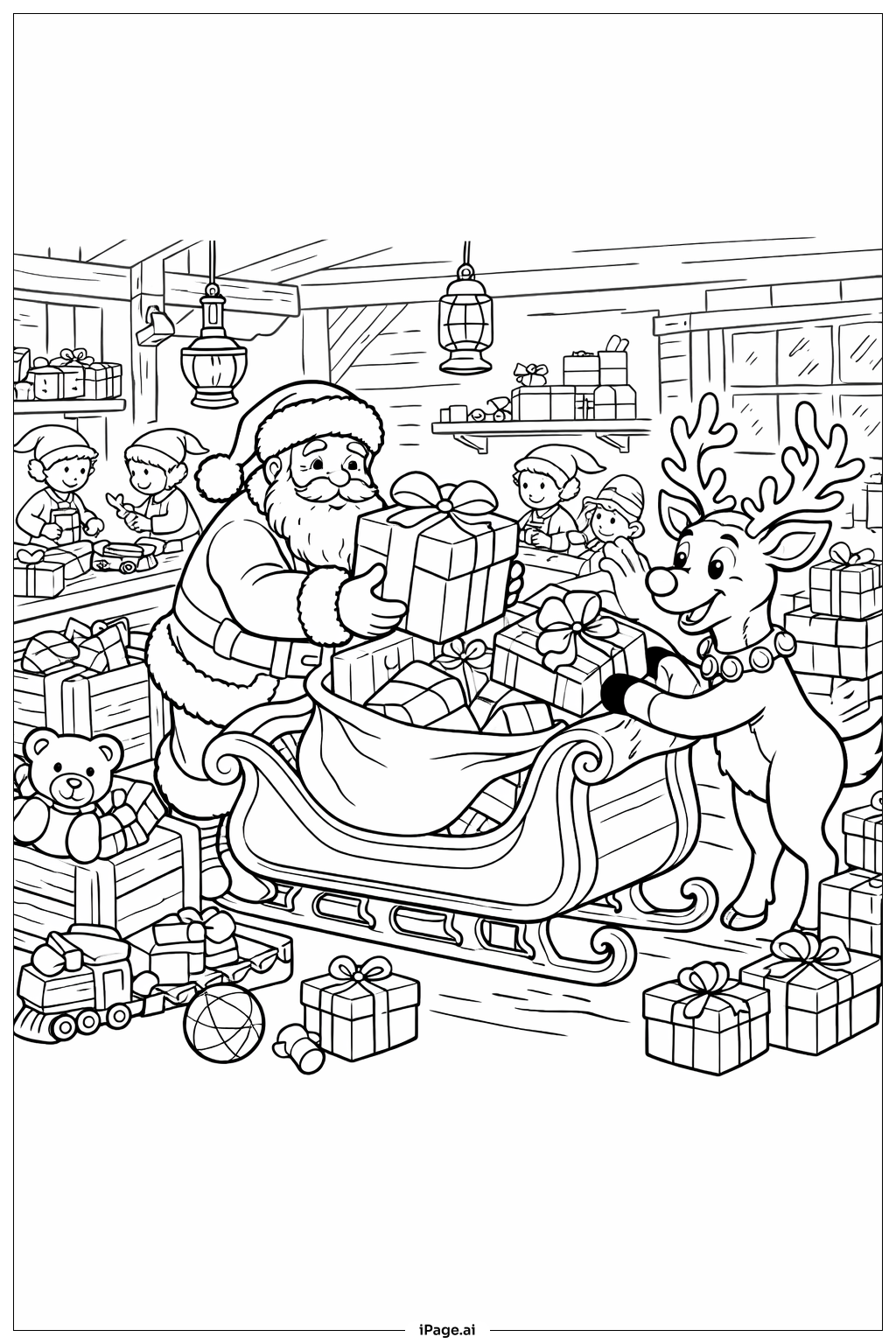
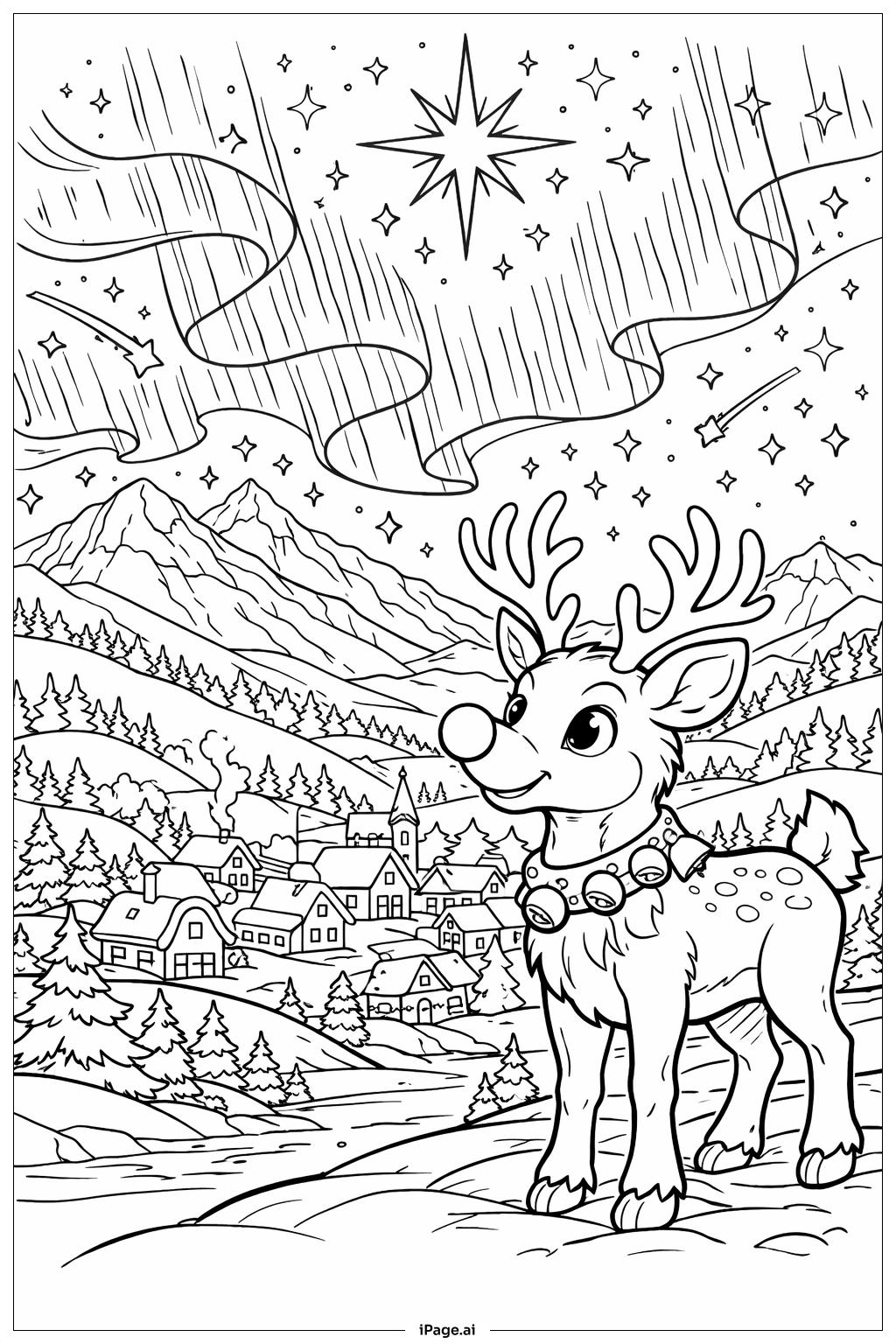
Start by coloring Rudolph's nose a bright, glowing red — this is the most iconic part of the image, so make it stand out. Use a warm brown for his body, adding a slightly lighter shade on his belly and face for a soft, natural look. His antlers can be colored in a deeper brown or tan, with subtle shading along the edges to give them dimension. The bell around his neck looks great in gold or yellow, with a small dark center to show the inside of the bell. You can add a red or green ribbon around the bell for extra holiday flair. Use dark brown or black for his hooves and the tip of his nose outline. Feel free to add a snowy or starry background in light blue or white to set a festive winter scene. Don't be afraid to experiment with color — this is your Rudolph!
Coloring challenges: Which parts are difficult to color and need attention for Rudolph With Bell coloring page?
• Rudolph's Nose Glow Effect: Capturing the iconic glowing red nose can be tricky. To make it look like it is truly shining, try coloring the center in bright red and gradually blending into a lighter pink or orange toward the edges. This soft gradient gives the impression of light radiating outward, which takes some practice to achieve smoothly.
• Bell Details and Shine: The decorative bell around Rudolph's neck has small curves, a clapper inside, and a reflective surface. Coloring metallic objects like a gold bell requires using at least two shades — a bright yellow-gold for the lit areas and a darker amber or brown for the shadowed parts. Getting this contrast right without muddying the colors is a common challenge.
• Antler Structure: Rudolph's antlers have multiple branches that fork in different directions. Keeping track of which surfaces face the light and which are in shadow while staying within the narrow lines of each branch requires a steady hand and careful attention, especially for younger colorists.
• Fur Texture and Body Shading: Reindeer fur has a soft, layered look. Using a single flat brown color can make the body look two-dimensional. Adding lighter strokes on the chest and belly and slightly darker tones along the sides and legs will create a more realistic, three-dimensional appearance, but blending these areas smoothly takes patience.
• Fine Facial Features: Rudolph's eyes, eyelashes, and nose outline are small and close together. Staying inside these tiny areas without overlapping into neighboring sections requires a fine-tipped tool and good control, which can be challenging for younger children.
Benefits of coloring books: Advantages of drawing Rudolph With Bell coloring page
Coloring this Rudolph With Bell page offers a wide range of benefits for children of all ages. First, it helps develop fine motor skills. Carefully filling in the small details of Rudolph's bell, antlers, and facial features trains hand muscles and improves pencil control, which supports writing skills in school. Second, it encourages creativity. Choosing colors for Rudolph's coat, nose, and background lets kids express themselves freely and build confidence in their own artistic choices. Third, it promotes focus and patience. Completing a detailed image like this one requires concentration, helping children practice sitting with a task and seeing it through to the end. Fourth, it sparks holiday joy and storytelling. Rudolph is a beloved character, and coloring his image can inspire children to retell the classic Christmas story, boosting language skills and imagination. Fifth, it provides a calming, screen-free activity that reduces stress and gives kids a healthy creative outlet during the holiday season. Whether done alone or with family, this coloring page turns a simple drawing into a fun and meaningful experience.