Coloring tips: How to color Rudolph Tiny Baby coloring page well?
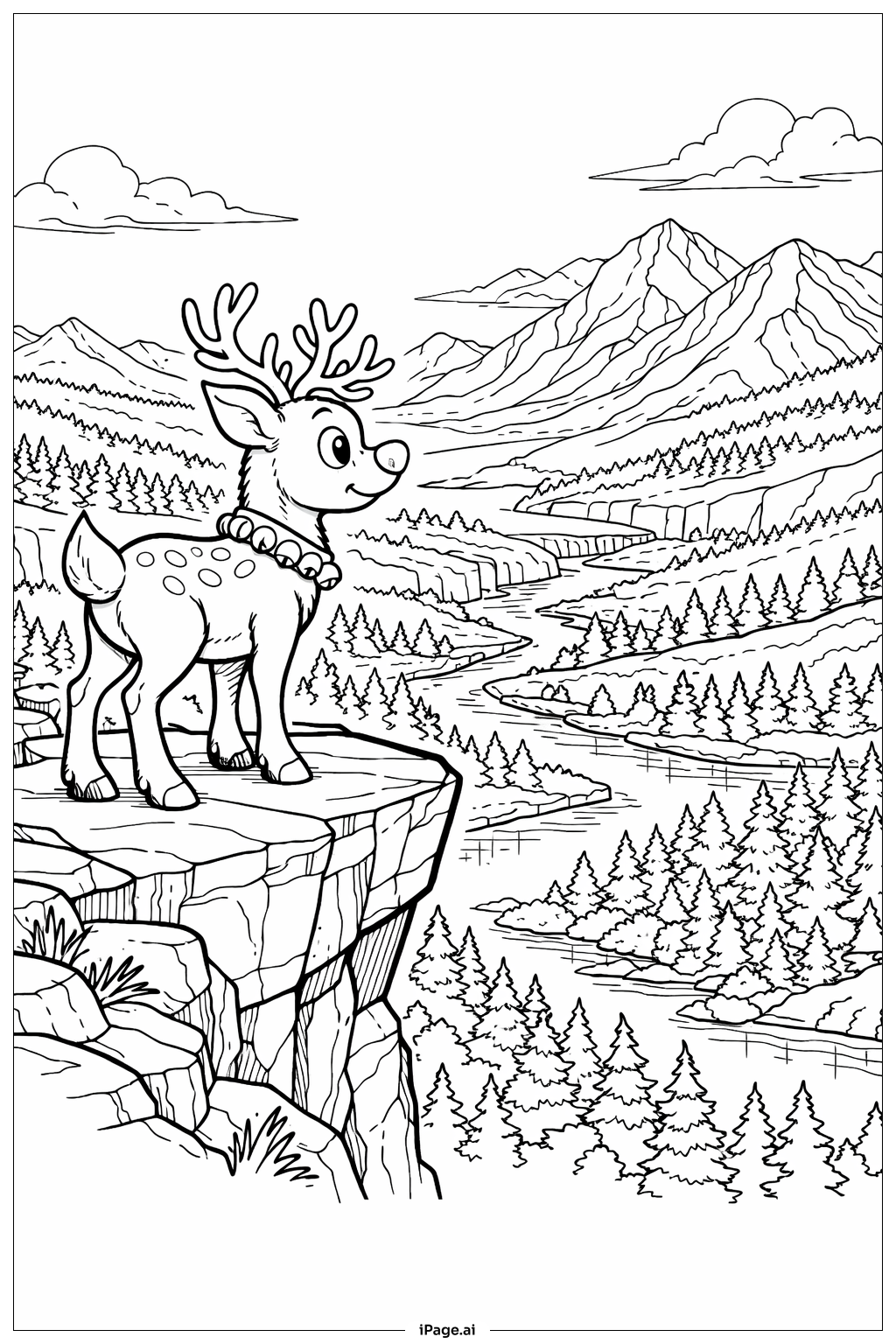
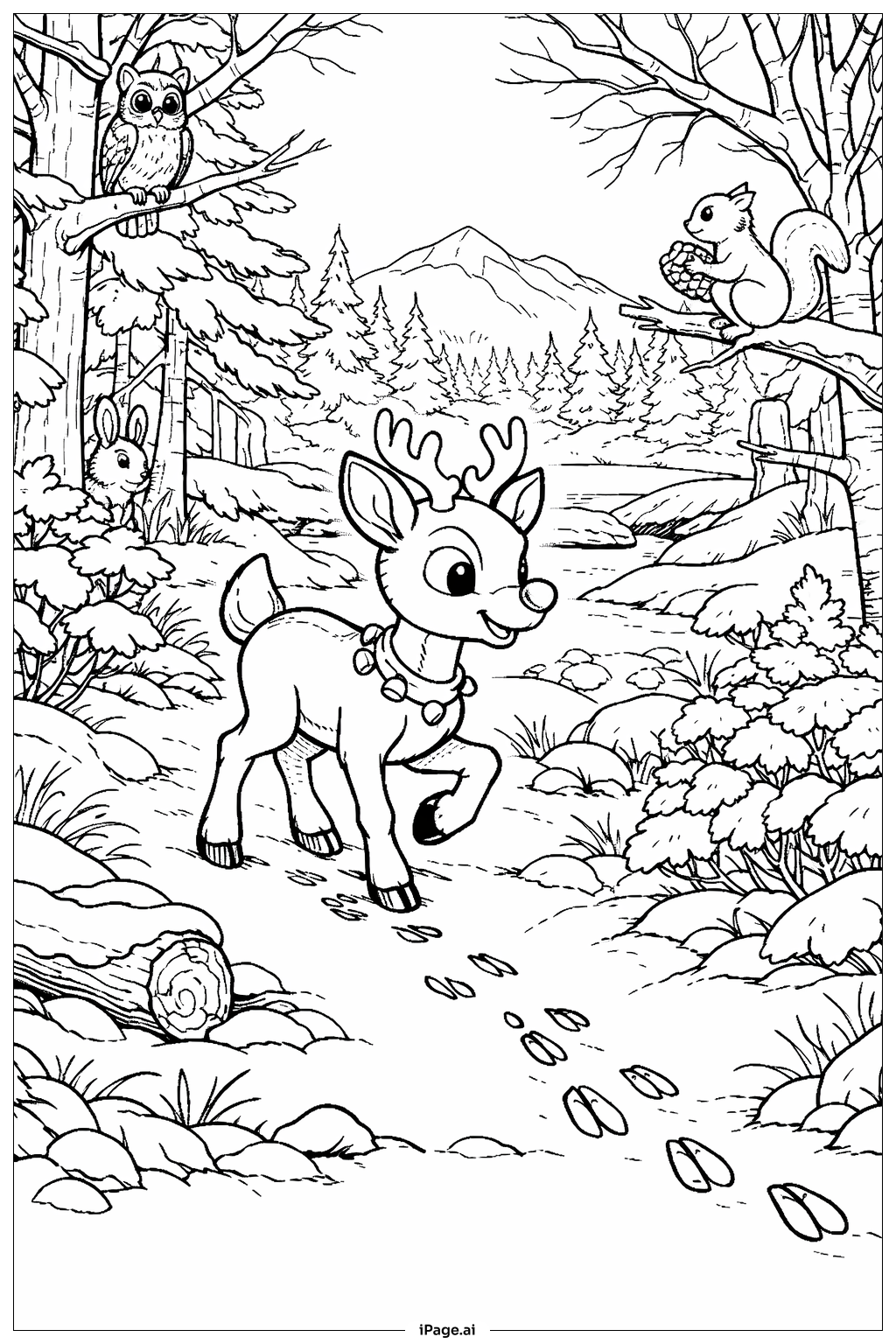
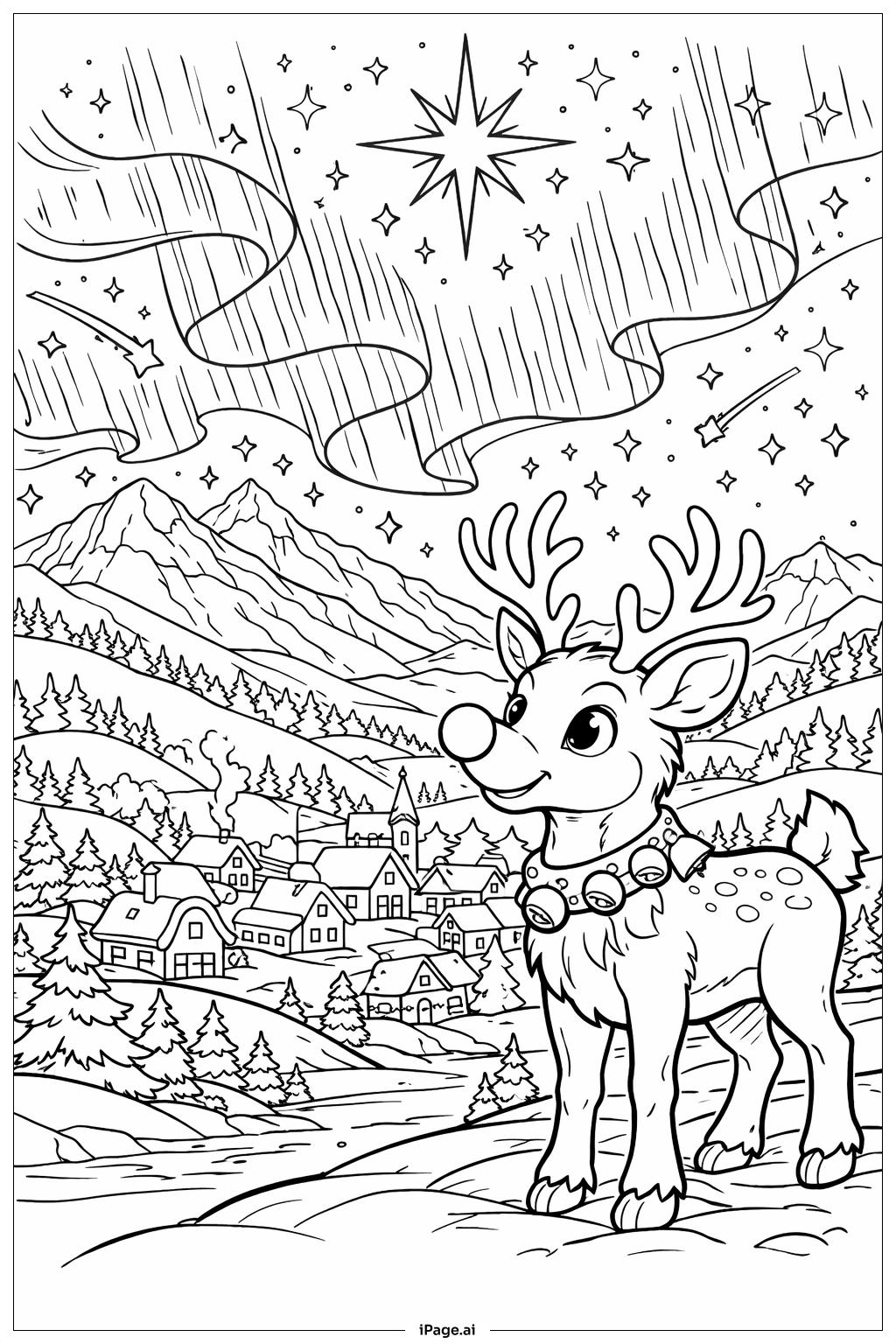
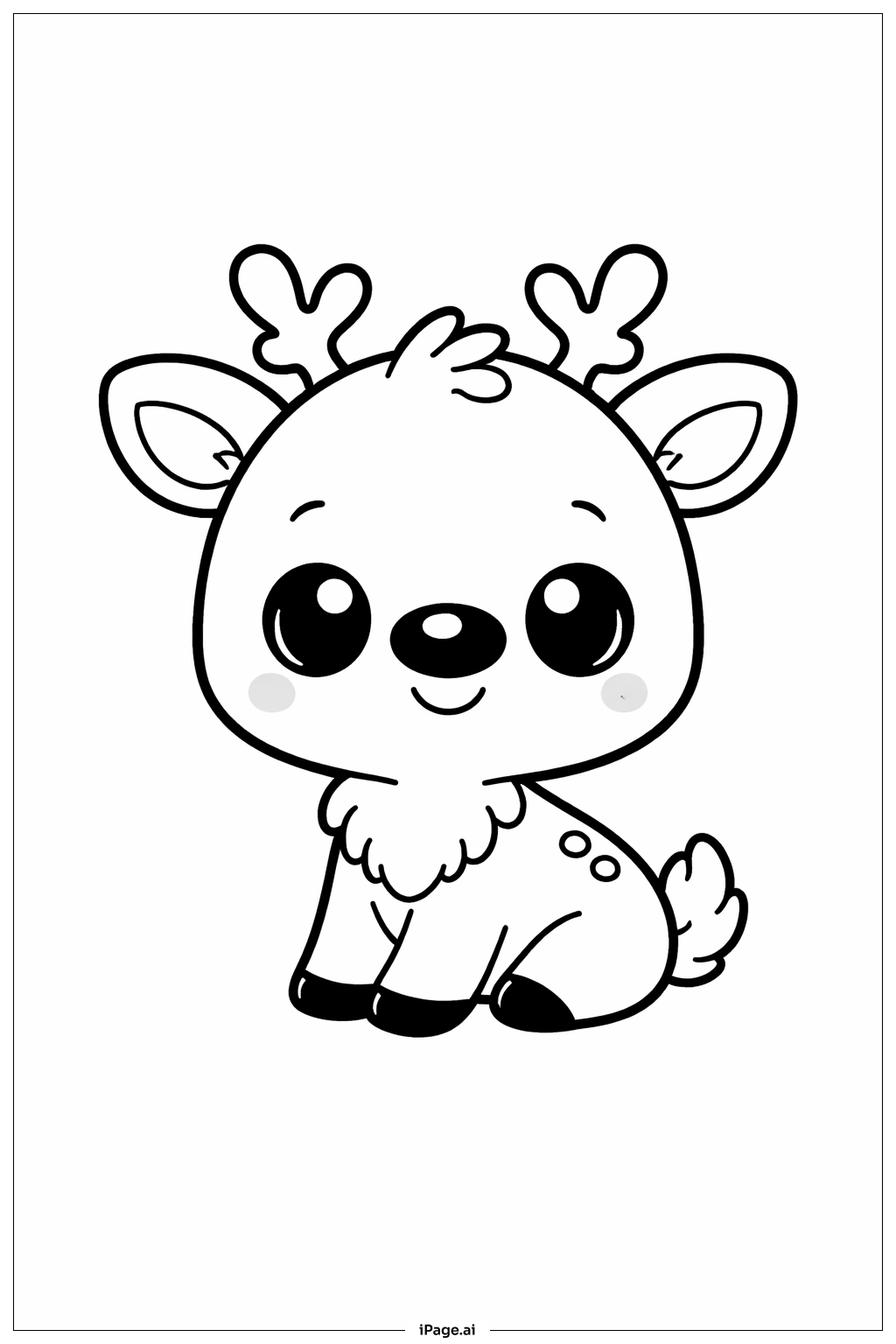
Use light brown or tan to color Rudolph's body. His hooves can be dark brown or black. The antlers should be a slightly lighter brown than his body. Color his eyes shiny black, but leave the small round spots white to show light reflection. The spots on his back can be a darker shade of brown. Use soft pink or peach for the cheeks to add a cute touch. For the fluffy chest and tail, choose a cream or very light brown color to make them stand out.
Coloring challenges: Which parts are difficult to color and need attention for Rudolph Tiny Baby coloring page?
1. Coloring the eyes requires care to keep the shiny spots white. Avoid coloring the reflection areas so Rudolph's eyes look lively.
2. The small antlers need careful coloring as they have a simple but narrow shape.
3. The fluffy chest and tail require gentle coloring to show texture and softness.
4. Keeping the lines between different parts, like ears, body, and legs, clean can be tricky for beginners.
5. The small spots on Rudolph's back need neat coloring to avoid coloring outside the lines, which might be hard for younger children.
Benefits of coloring books: Advantages of drawing Rudolph Tiny Baby coloring page
Coloring this baby Rudolph helps children improve their fine motor skills by coloring within small spaces like the eyes and spots. It encourages creativity by choosing colors for different parts of the deer. Coloring the fluffy chest and tail lets kids practice gentle strokes to create texture. It also teaches attention to detail because of the small antlers and tiny spots. Overall, this picture is fun and helps children develop focus, coordination, and artistic expression.