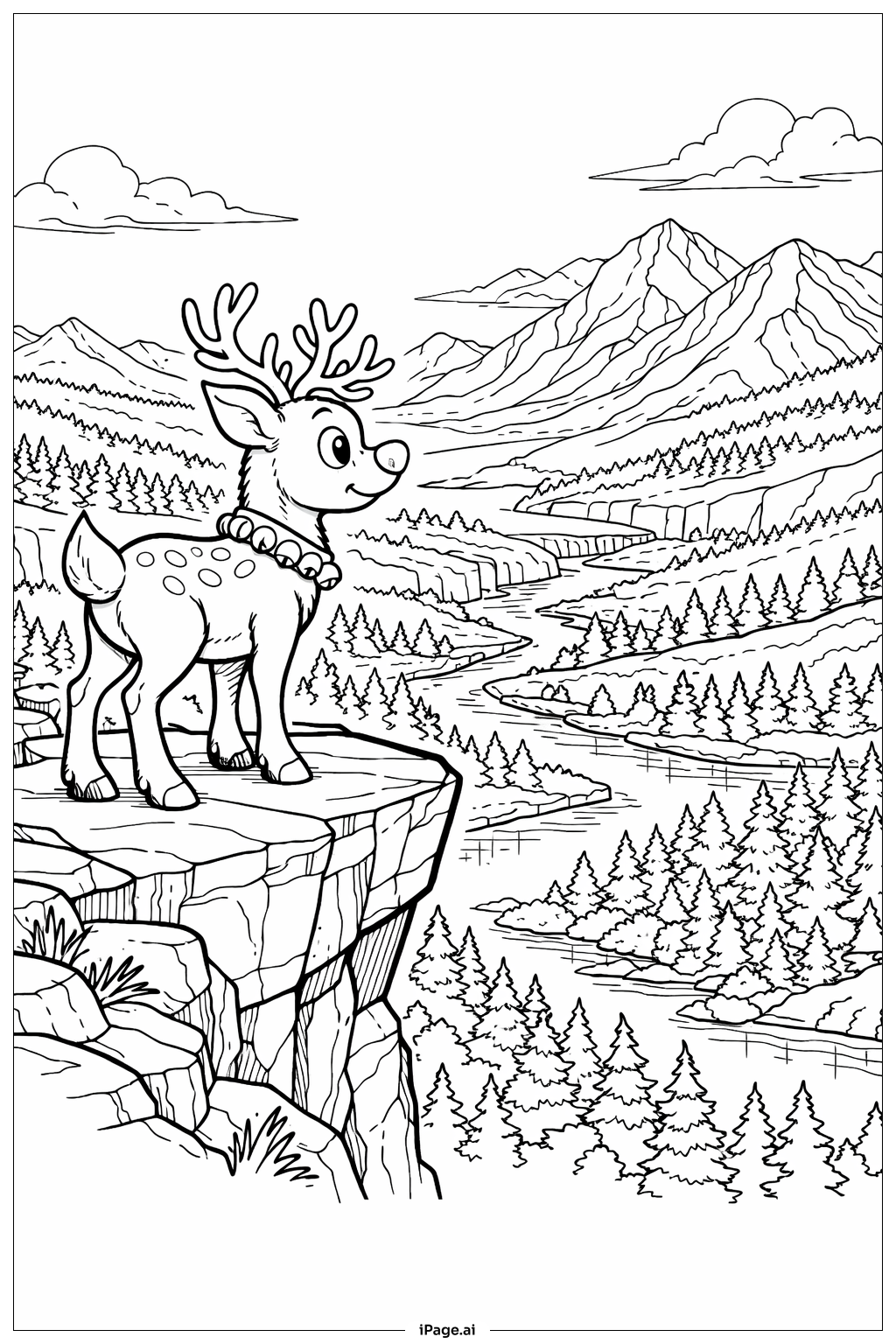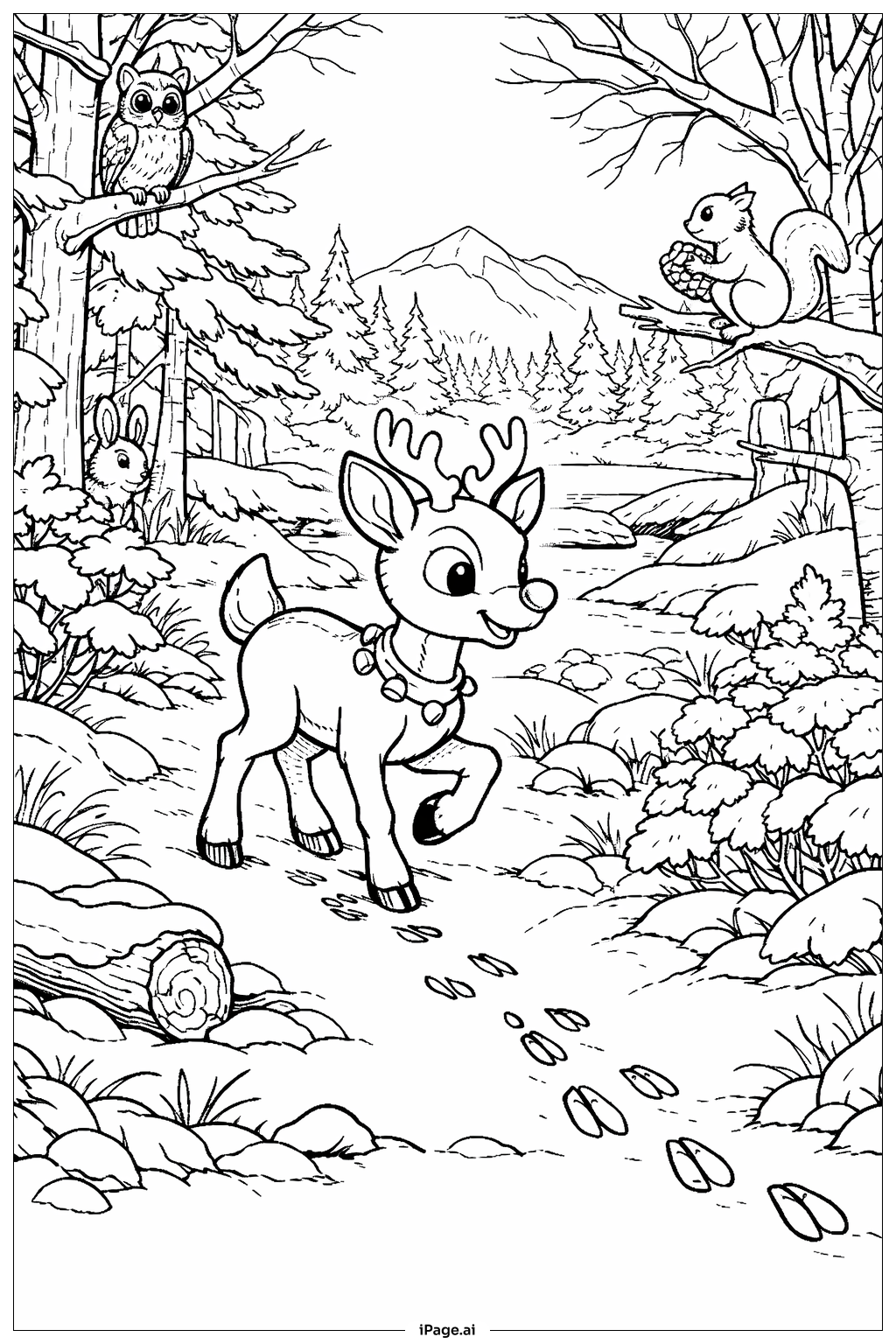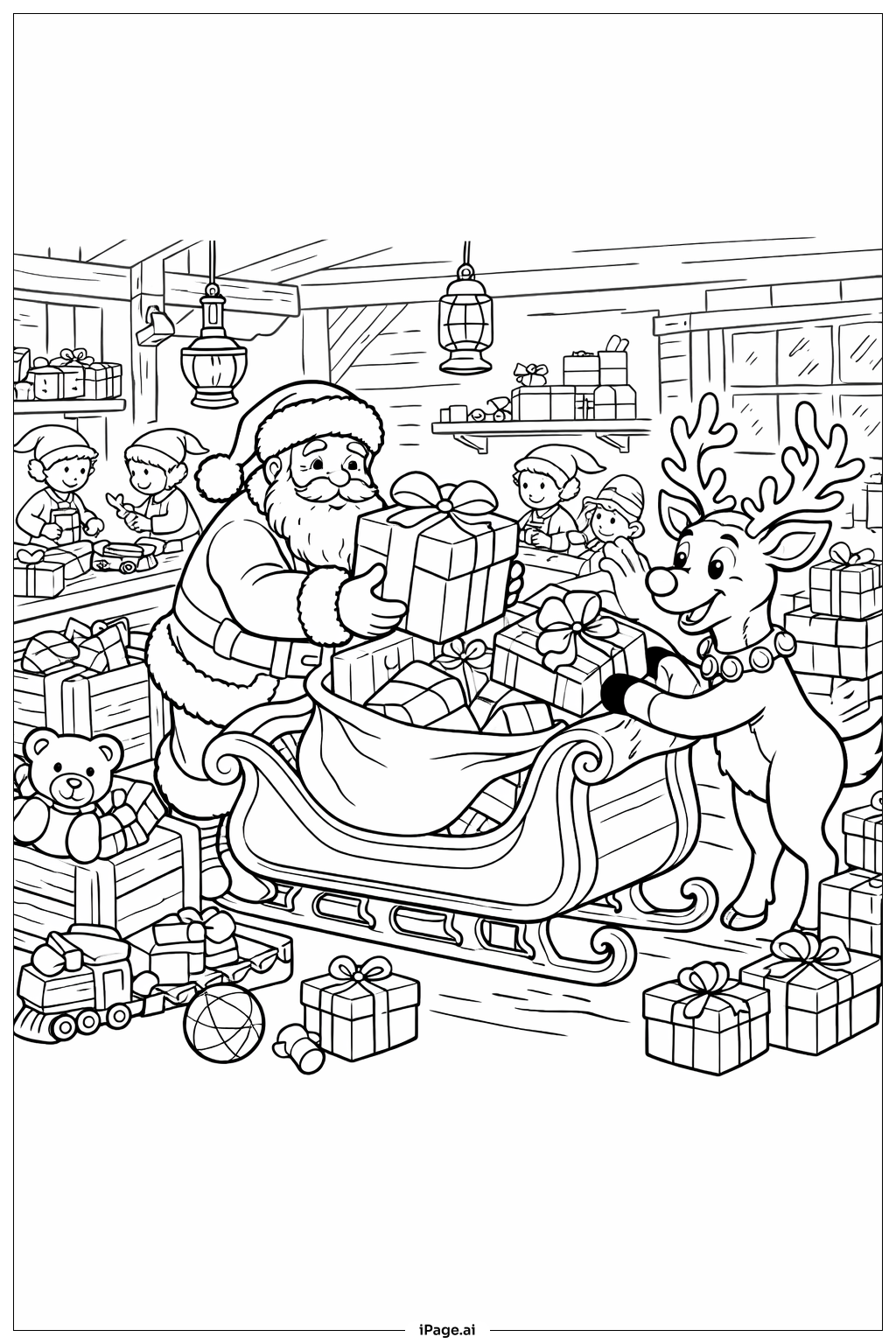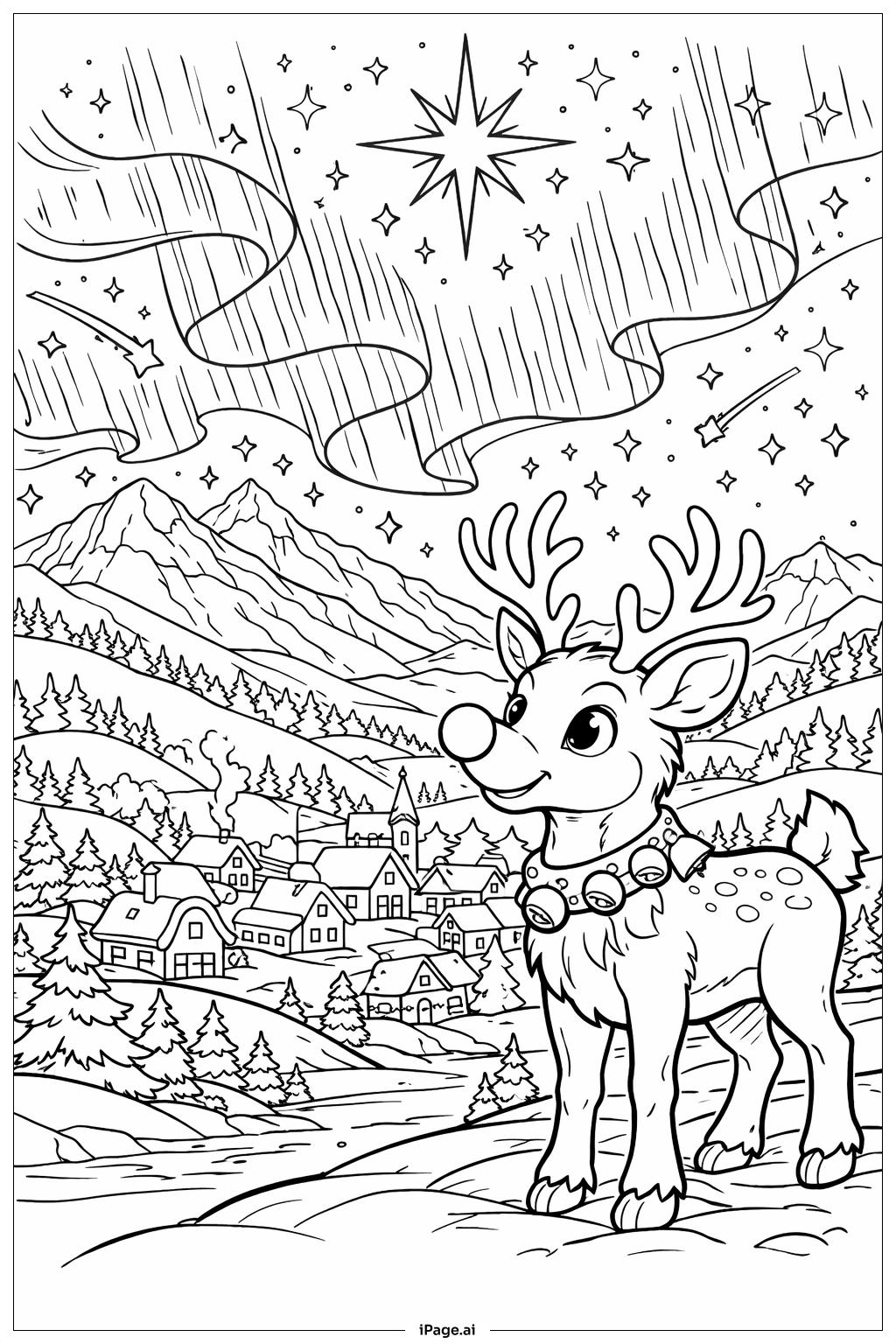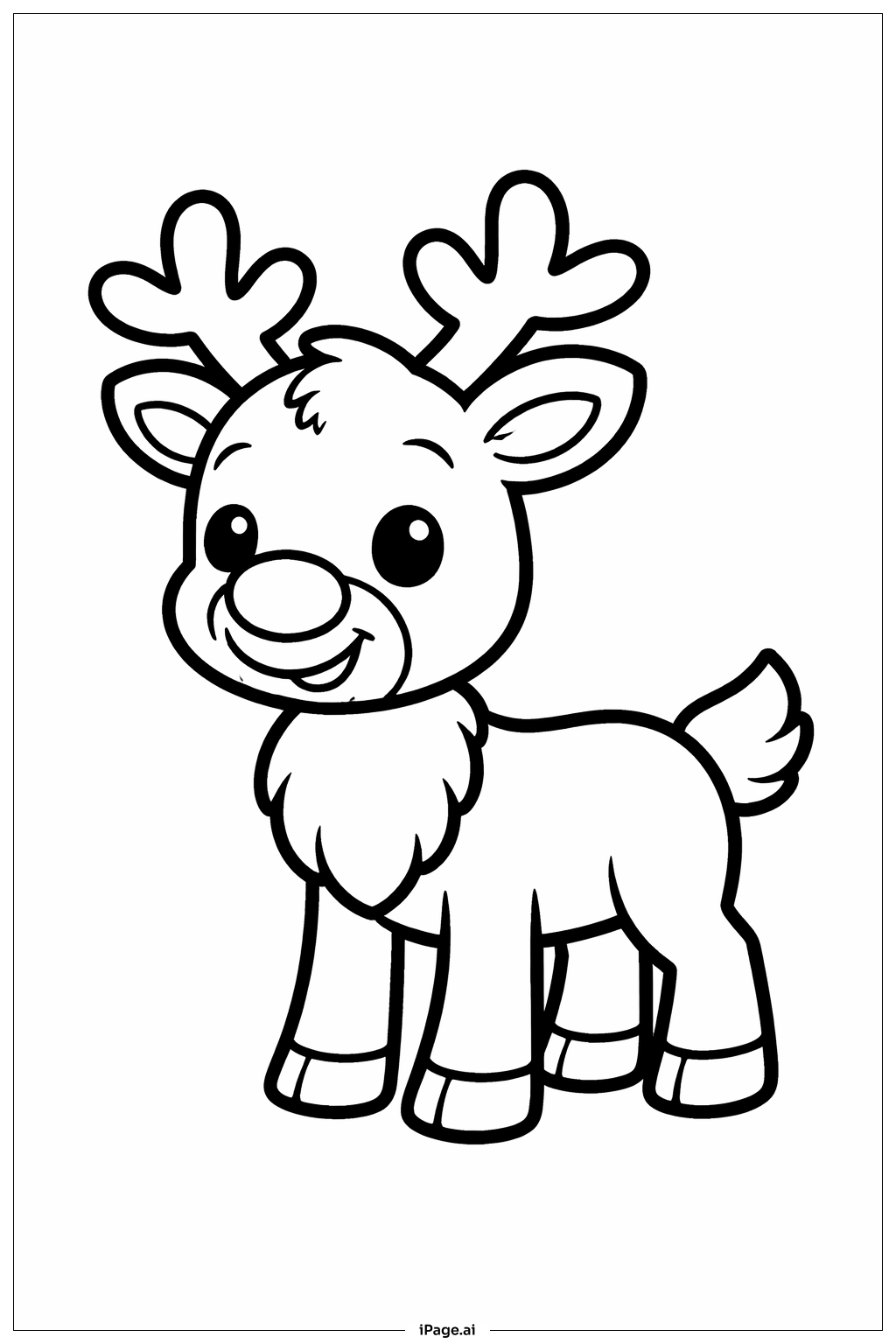
Coloring tips: How to color Rudolph Standing coloring page well?
Start with Rudolph's most famous feature - his nose! Use bright red or crimson to make it shine like a beacon. For his body, traditional brown shades work beautifully, but feel free to experiment with tan, chocolate, or even golden hues. His antlers can be colored in darker brown or beige tones to create depth. The hooves look great in black or dark gray. For his eyes, use black for the pupils and leave white highlights to make them sparkle with life. Consider adding a soft pink to his inner ears for a realistic touch. You might also add subtle shading along his body to create dimension - use slightly darker brown on one side to suggest light and shadow. The background can remain white or add a simple snowy scene with light blue and white.
Coloring challenges: Which parts are difficult to color and need attention for Rudolph Standing coloring page?
• Nose Highlighting: Rudolph's red nose is his most iconic feature and requires special attention. The challenge is making it appear bright and glowing without going outside the lines. Young colorists may need to practice staying within this small circular area. Consider using lighter red in the center and darker red around the edges to create a glowing effect.
• Antler Detail Work: The branching antlers present a challenge due to their intricate structure with multiple points extending in different directions. Each branch is relatively thin and requires careful coloring to avoid overlapping into adjacent areas. Children may find it difficult to color these narrow sections smoothly without streaking or going outside the lines.
• Body Shading and Dimension: Creating a three-dimensional appearance on Rudolph's body requires understanding light sources and applying different pressure or layering colors. Beginners might struggle with making the body look round rather than flat. This involves using darker shades on one side and lighter tones on the other, which requires planning and color blending skills.
• Hoof Definition: The hooves are small areas at the bottom of each leg that need to be colored distinctly from the legs themselves. Maintaining clean separation between the leg color and hoof color in these small spaces can be tricky, especially for younger children with developing fine motor skills.
Benefits of coloring books: Advantages of drawing Rudolph Standing coloring page
Coloring this Rudolph Standing page offers wonderful benefits for children and adults alike. It helps develop fine motor skills and hand-eye coordination as colorists carefully fill in details like the antlers, hooves, and facial features. The varying sizes of areas - from the large body to the small nose - provide practice with pencil control and precision. This activity encourages color recognition and decision-making as children choose appropriate colors for different parts of Rudolph. It also promotes focus and concentration, helping to calm the mind and reduce stress. The familiar and beloved character makes the activity emotionally engaging, connecting art with positive holiday memories. Completing this coloring page builds confidence and provides a sense of accomplishment. It sparks creativity when children decide to add backgrounds or use non-traditional colors, fostering imaginative thinking and self-expression.