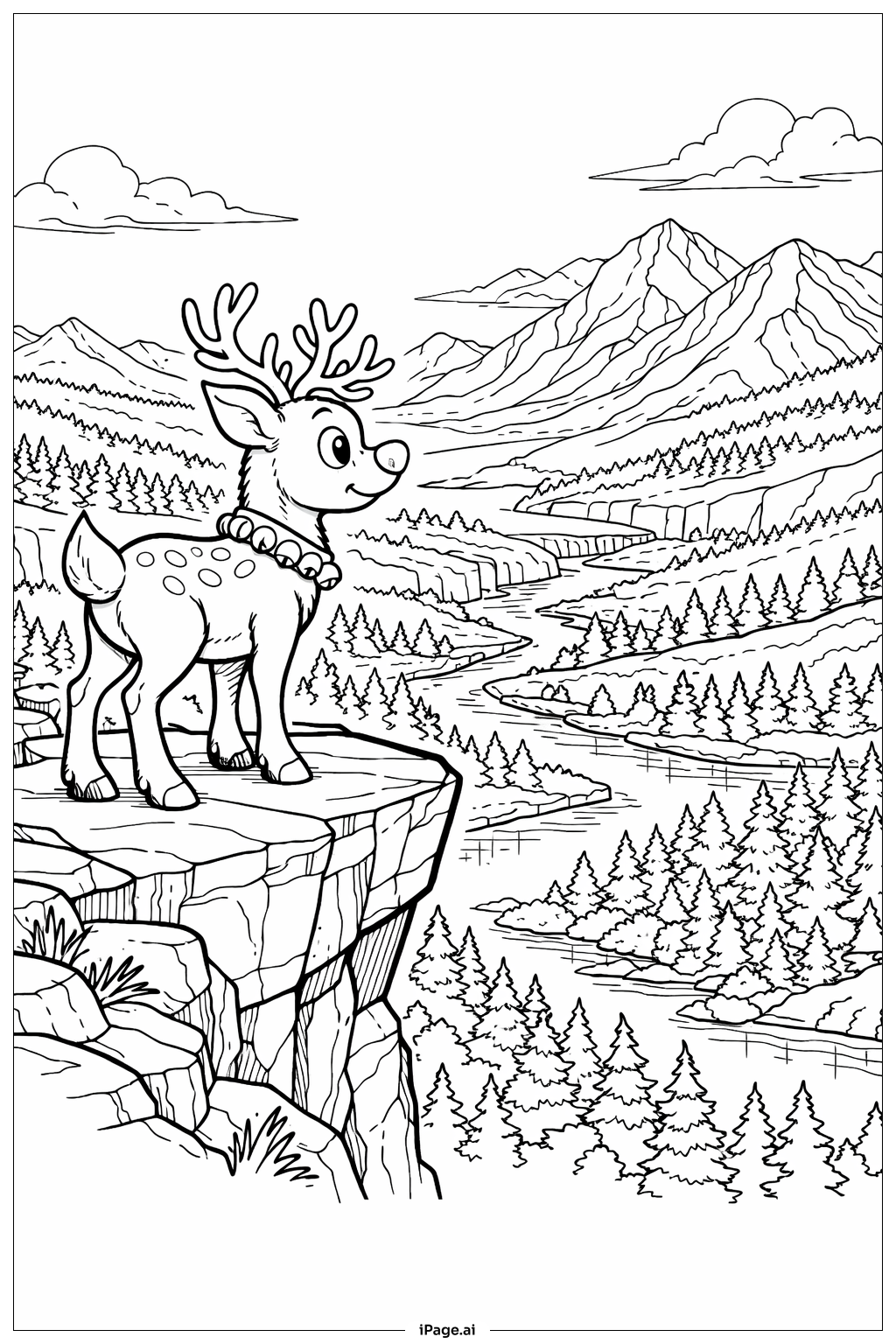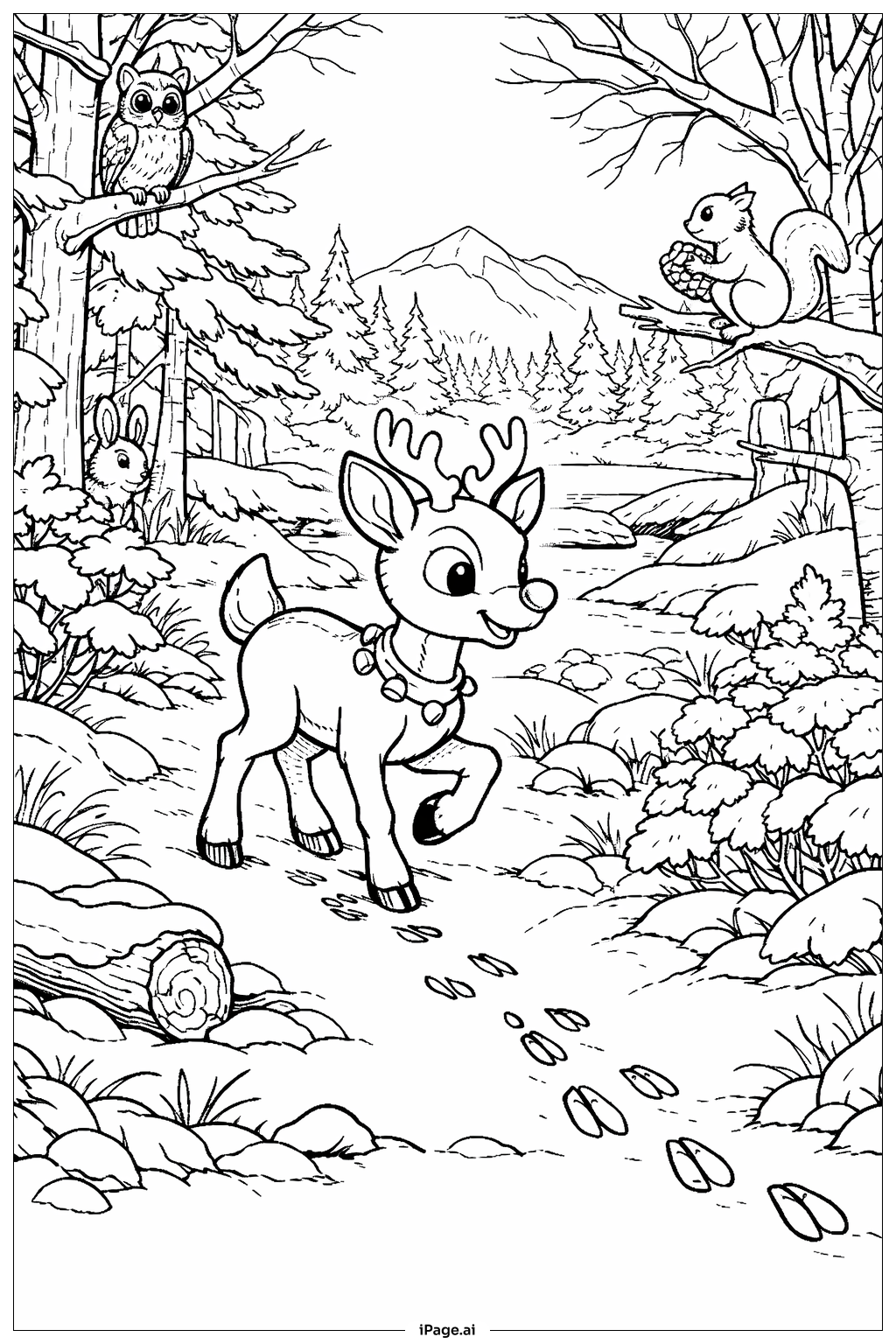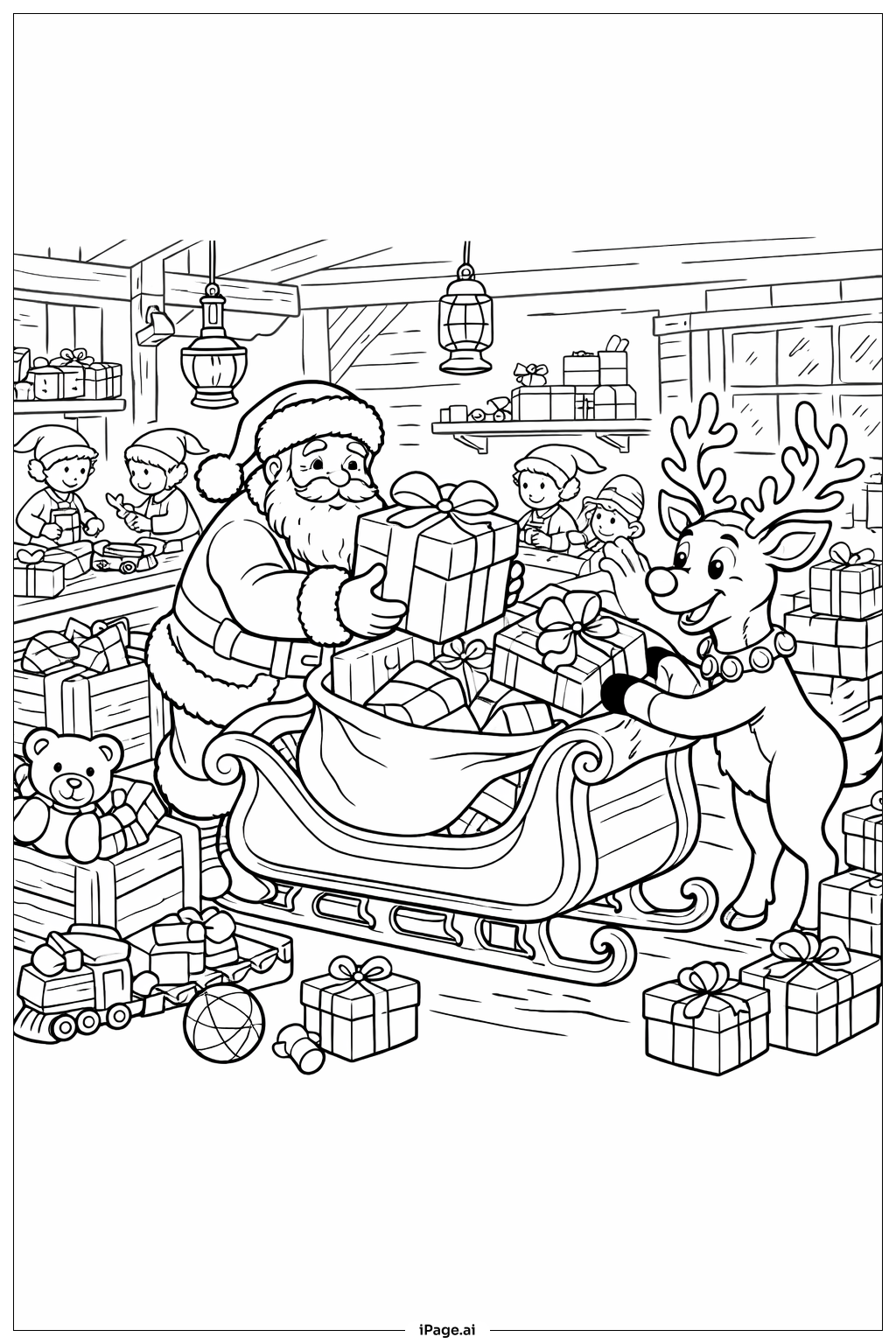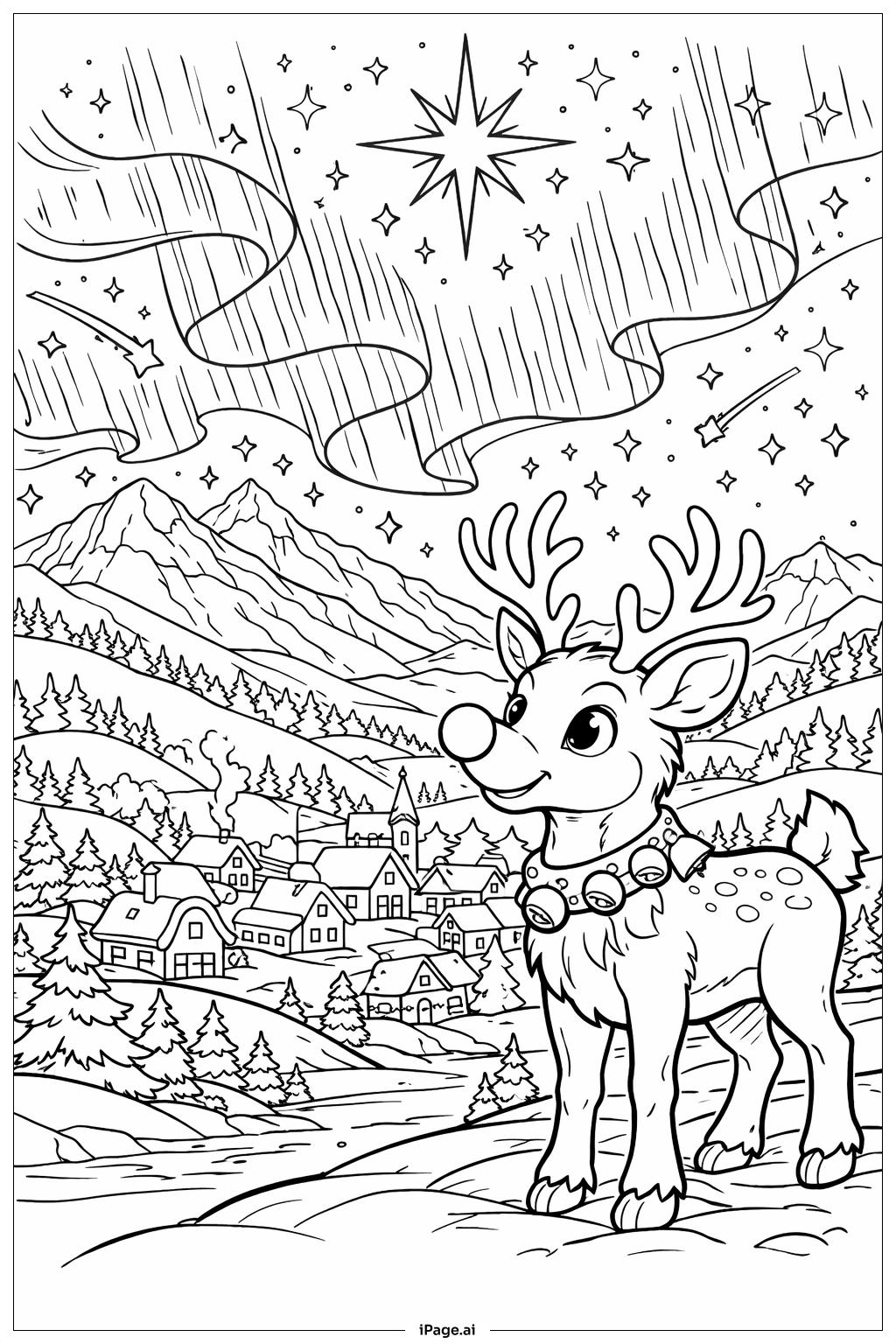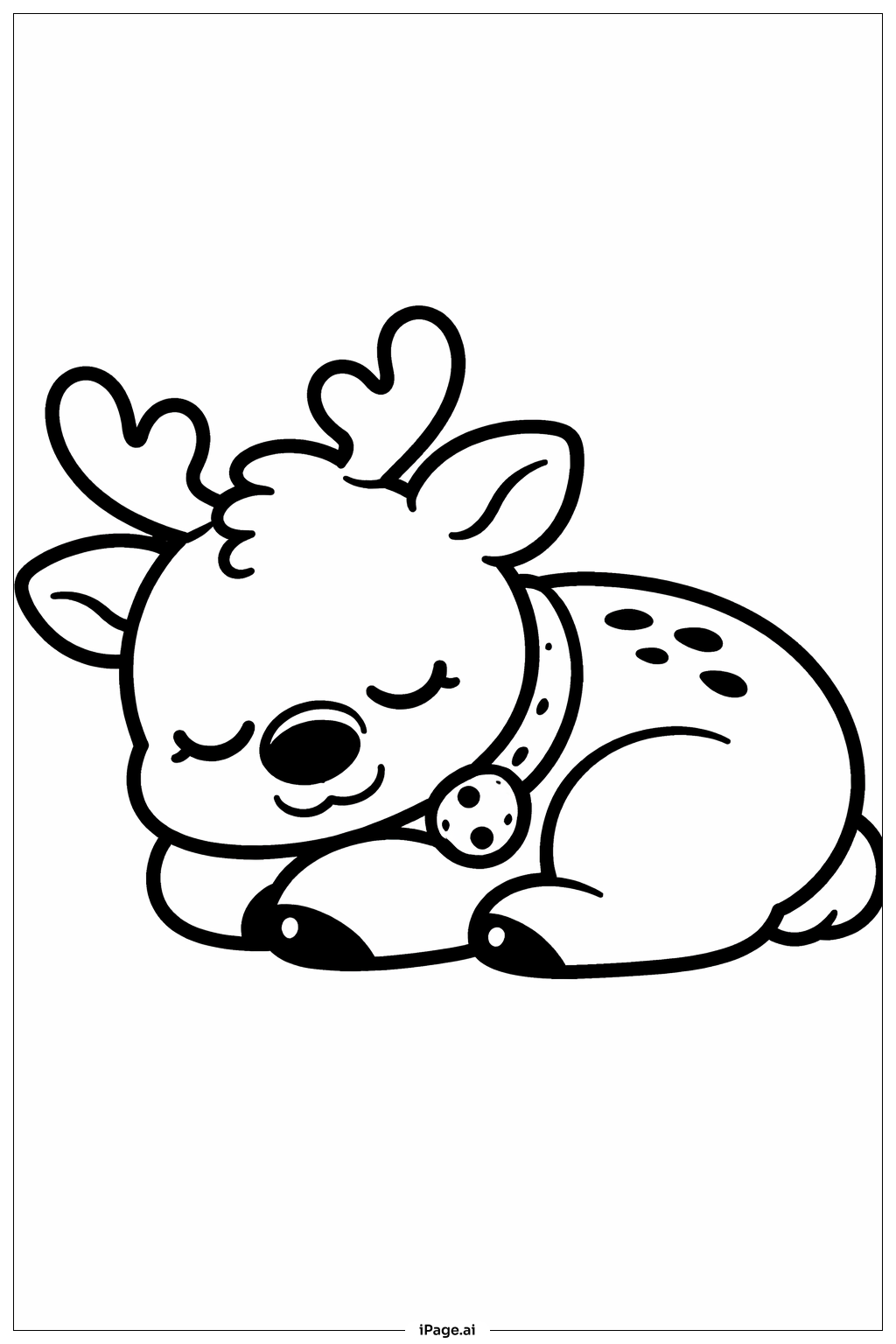
Coloring tips: How to color Rudolph Sleeping coloring page well?
Start with Rudolph's famous nose using bright red or crimson to make it stand out as the focal point. For his body, choose warm browns or tans, perhaps adding lighter shades on his belly for dimension. His antlers can be colored in darker browns or even golden tones to give them a special glow. The cloud beneath him offers wonderful opportunities for creativity. Use soft blues, purples, or pinks for a dreamy sunset sky effect, or keep it classic with white and light gray shading to show its fluffy texture. Consider adding a gentle background wash of night sky blues or starlit yellows to enhance the peaceful nighttime atmosphere. You might even add small stars or snowflakes around Rudolph to create a more magical Christmas scene.
Coloring challenges: Which parts are difficult to color and need attention for Rudolph Sleeping coloring page?
• Cloud Texture Challenge: Creating the soft, fluffy appearance of the cloud requires careful blending and layering techniques. Children may find it difficult to achieve the billowy, three-dimensional look without making it appear flat or overly dark. Using light pressure and circular motions with white, light blue, and gray can help build up the cottony texture gradually.
• Rudolph's Fur Details: The reindeer's body has subtle contours and fur texture that need shading to look realistic. Young colorists might struggle with knowing where to place darker and lighter tones to show the roundness of his body and the direction of fur growth. Practicing gradual color transitions from dark brown on the back to lighter tan on the belly will help create depth.
• Antler Complexity: The branching structure of Rudolph's antlers presents a challenge in maintaining consistent coloring within narrow spaces. Children need to be careful not to color outside the lines or miss small sections between the branches. Using fine-tipped markers or sharpened colored pencils will give better control in these detailed areas.
• Maintaining the Red Nose Glow: Making Rudolph's nose appear to glow requires special attention. Simply coloring it solid red may not capture the luminous quality. Young artists can experiment with leaving a small white highlight spot, or using lighter reds and oranges around the edges to suggest radiance spreading from the nose.
Benefits of coloring books: Advantages of drawing Rudolph Sleeping coloring page
Coloring this peaceful scene of Rudolph Sleeping helps children develop fine motor skills and hand-eye coordination as they carefully fill in detailed areas like antlers and cloud textures. The calm, restful image promotes relaxation and can be a soothing activity before bedtime or during quiet time. It encourages creativity as children choose their own color schemes for the magical cloud and dreamy background. This coloring page also connects children to beloved Christmas traditions and characters, fostering positive associations with the holiday season. Working on the shading and texture challenges builds patience and concentration skills. Children learn about light and shadow by making Rudolph's nose glow and the cloud appear three-dimensional. Completing this page gives a sense of accomplishment and can be proudly displayed as holiday decoration, boosting self-confidence and artistic pride.