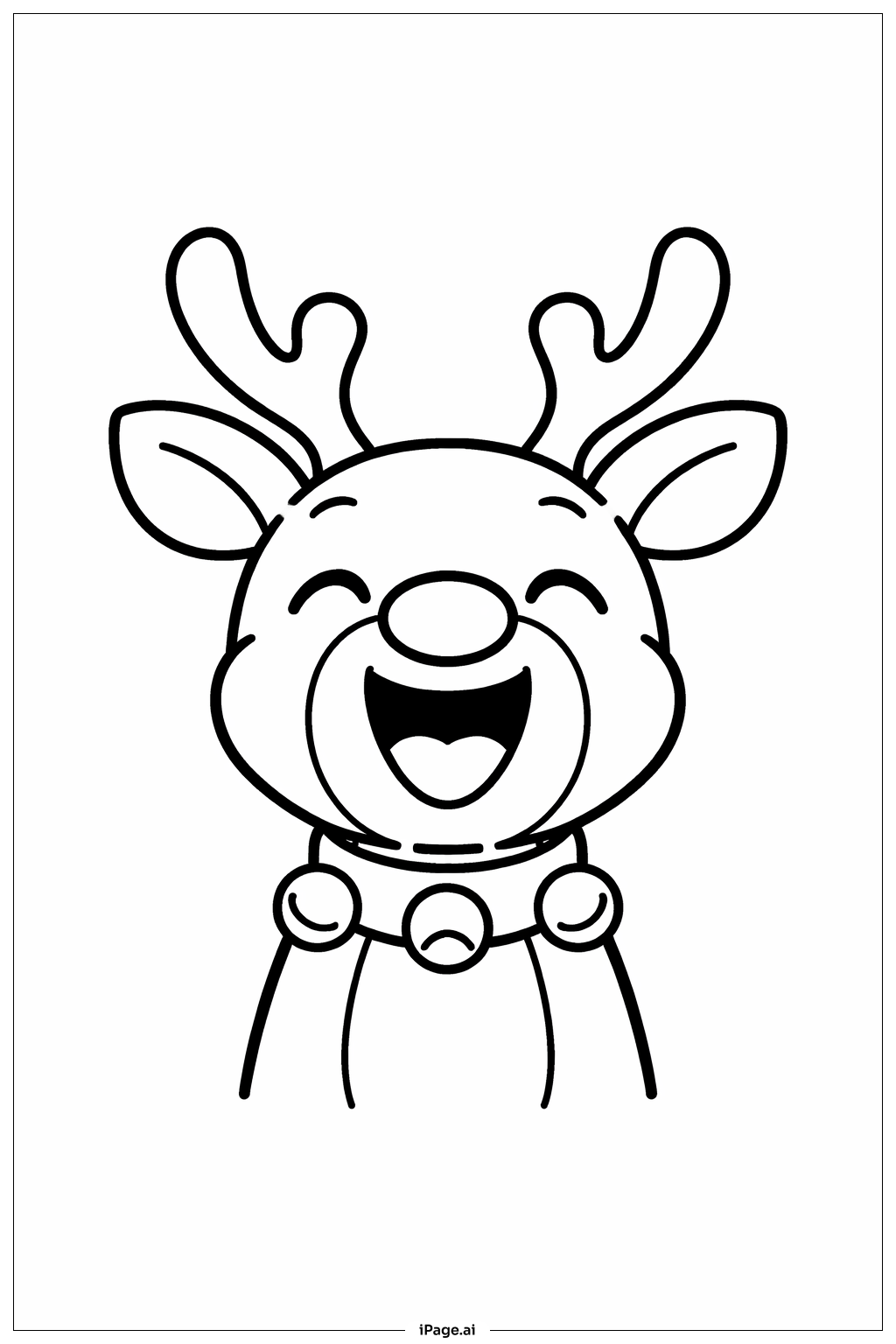
Coloring tips: How to color Rudolph Laughing coloring page well?
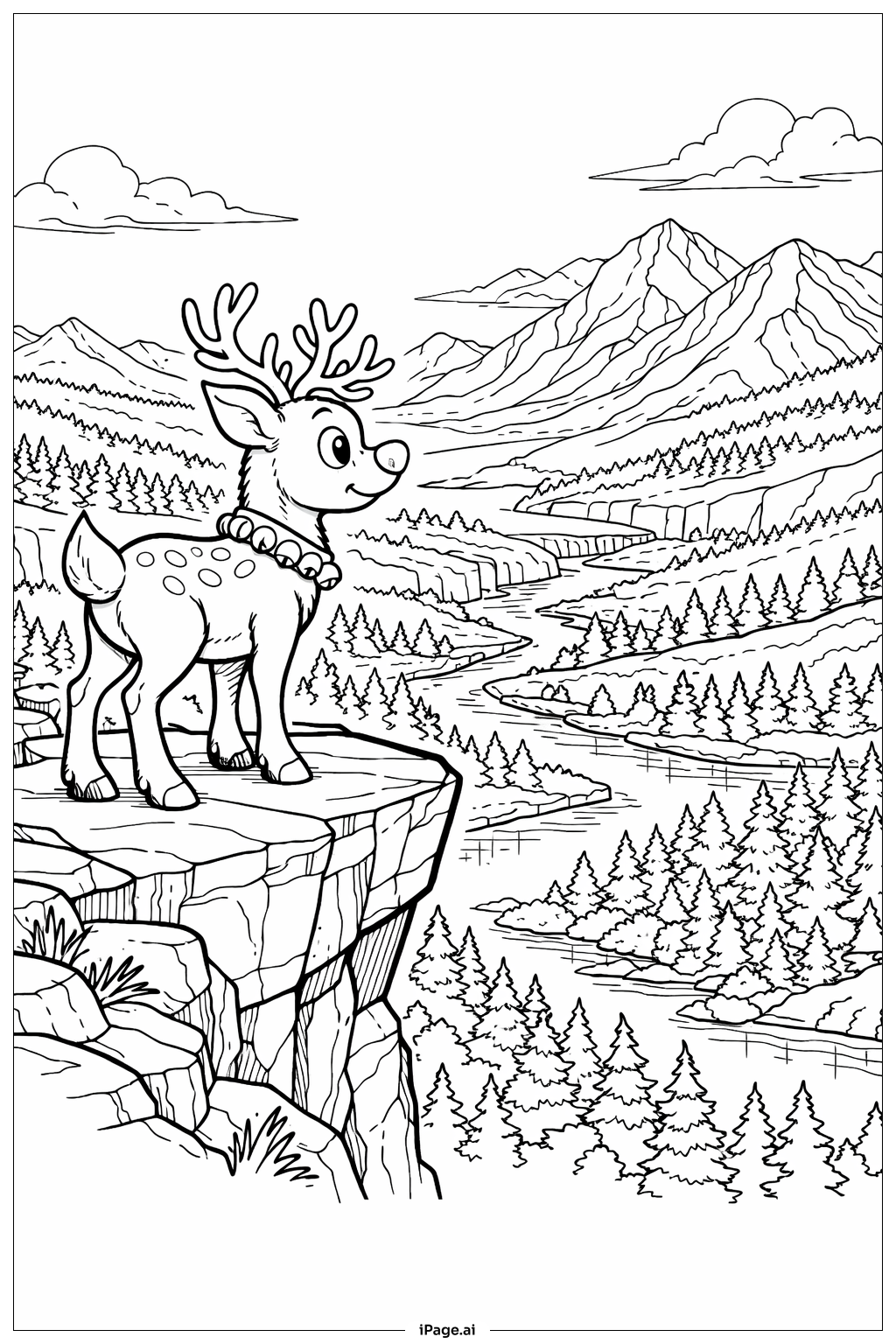
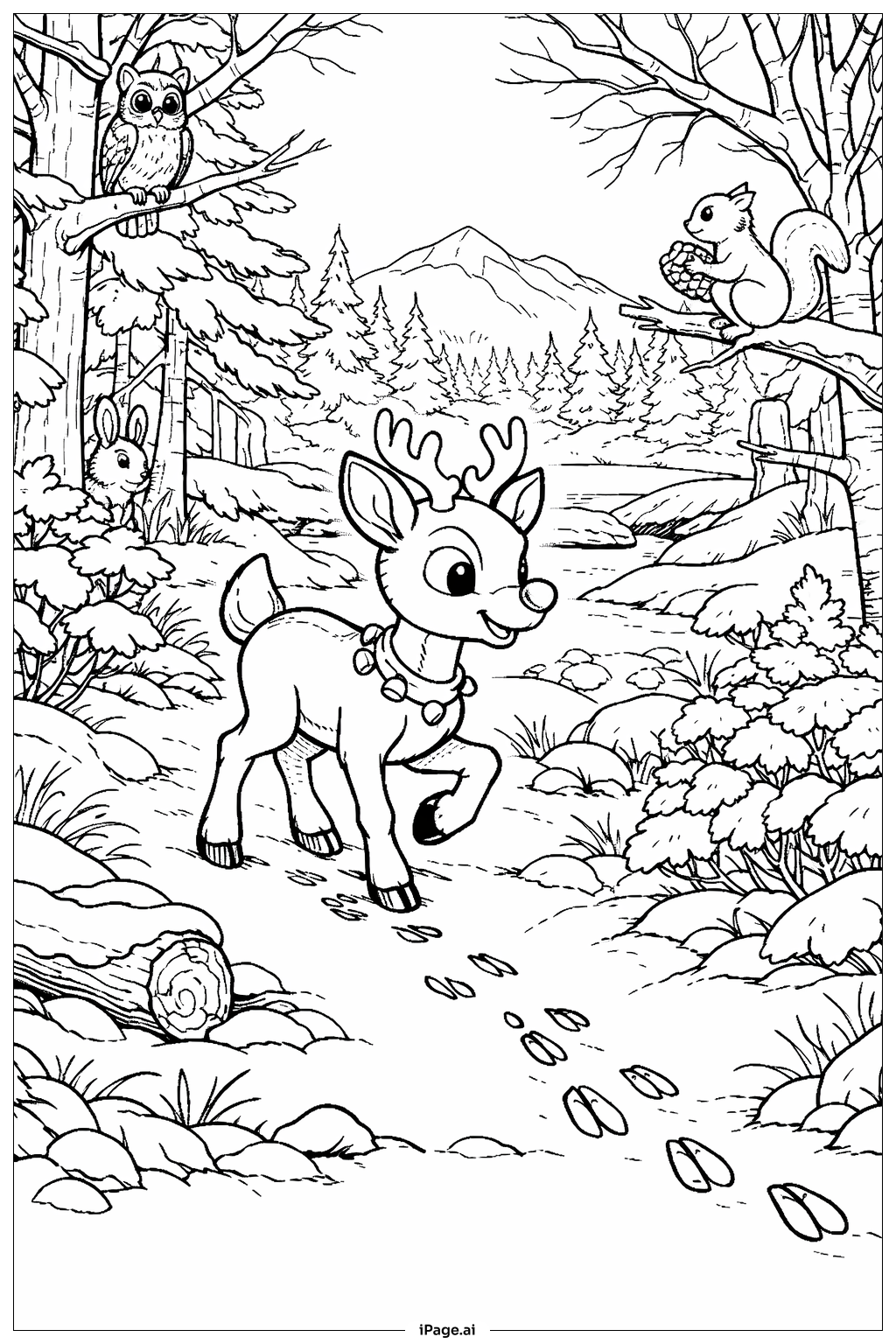
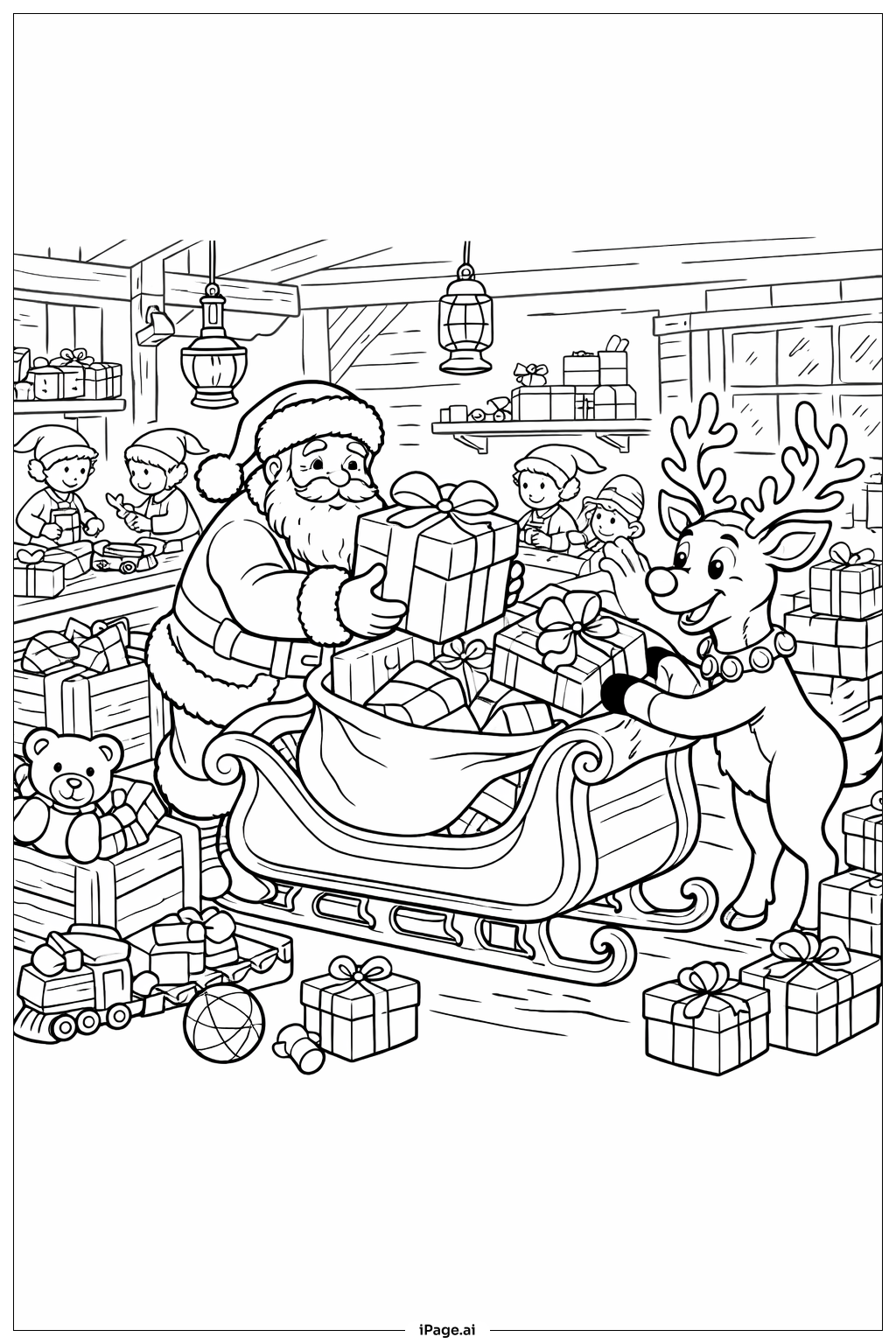
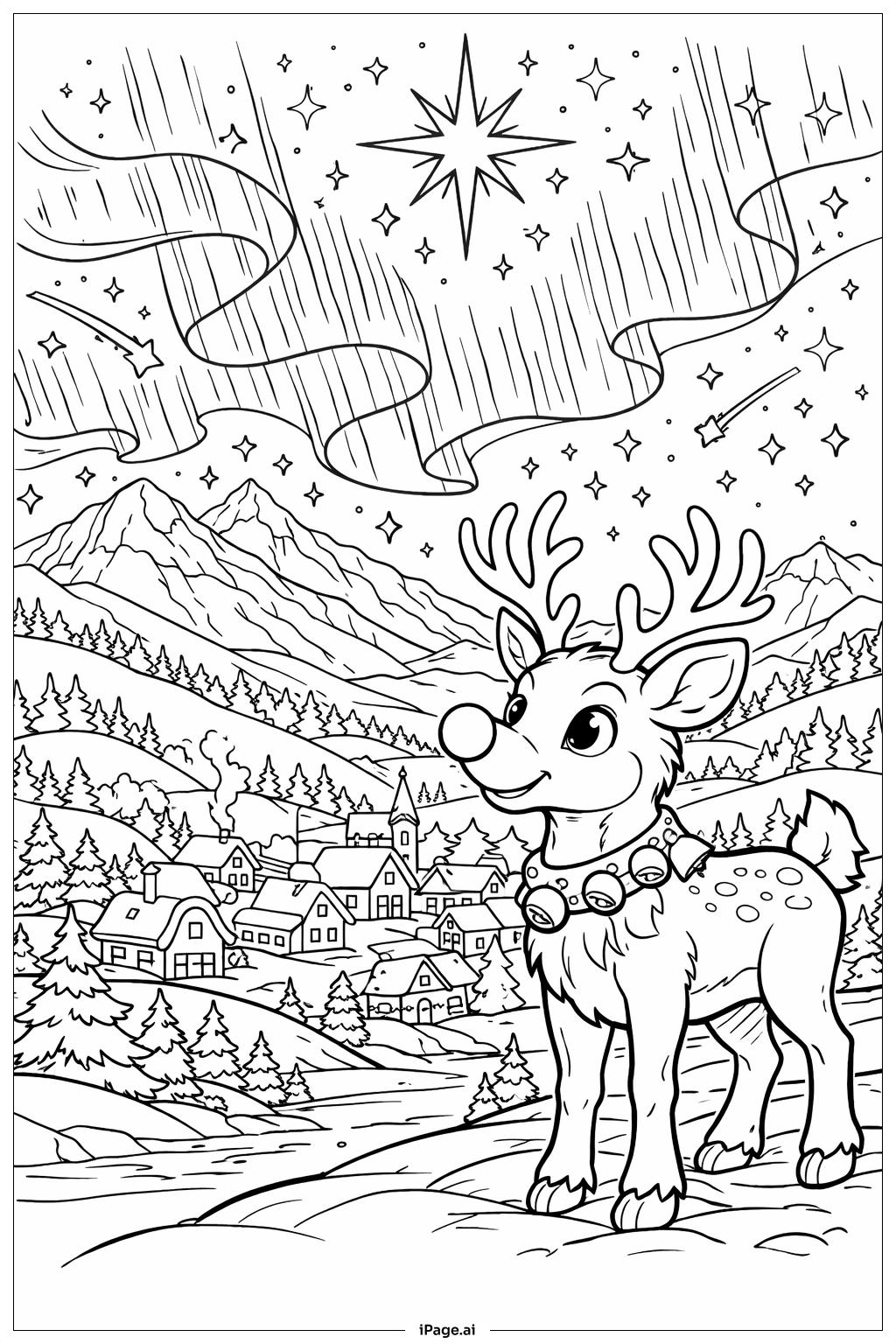
Use bright and cheerful colors to bring Rudolph to life. For Rudolph's nose, use a bright red color to make it stand out. His fur can be colored in warm brown shades, with the inside of his ears in a lighter pink or cream color. The antlers can be a darker brown to add contrast. Color the bells on his collar in shiny gold or silver to make them sparkle. For the collar itself, use a vibrant green or red to give a festive touch. Use smooth strokes to fill in larger areas like the face and neck, and smaller careful coloring around his eyes and mouth will help keep the details neat.
Coloring challenges: Which parts are difficult to color and need attention for Rudolph Laughing coloring page?
1. Coloring the nose: Rudolph's red nose should stand out but might be tricky to color evenly and brightly. 2. Small details in the collar bells: The bells are small and round, needing careful coloring to avoid going outside the lines. 3. Antlers shape: The antlers have curves which can be hard to color neatly without overlapping other parts. 4. Expressive face: Preserving Rudolph’s joyful expression means coloring around his eyes and mouth carefully without losing the lines. 5. Contrast: Balancing colors between his fur, collar, and antlers to keep everything clear and visually pleasing may require attention.
Benefits of coloring books: Advantages of drawing Rudolph Laughing coloring page
Coloring this picture helps kids practice staying inside the lines, especially in small areas like the collar bells and facial features. It encourages attention to detail when choosing colors to make Rudolph look lively and festive. The large areas like his face and neck give space for smooth coloring strokes, improving hand motor skills. Coloring Rudolph’s happy face can boost children’s mood and inspire creativity. Overall, it’s a fun way for kids to learn color matching and improve their focus while enjoying a cheerful holiday character.