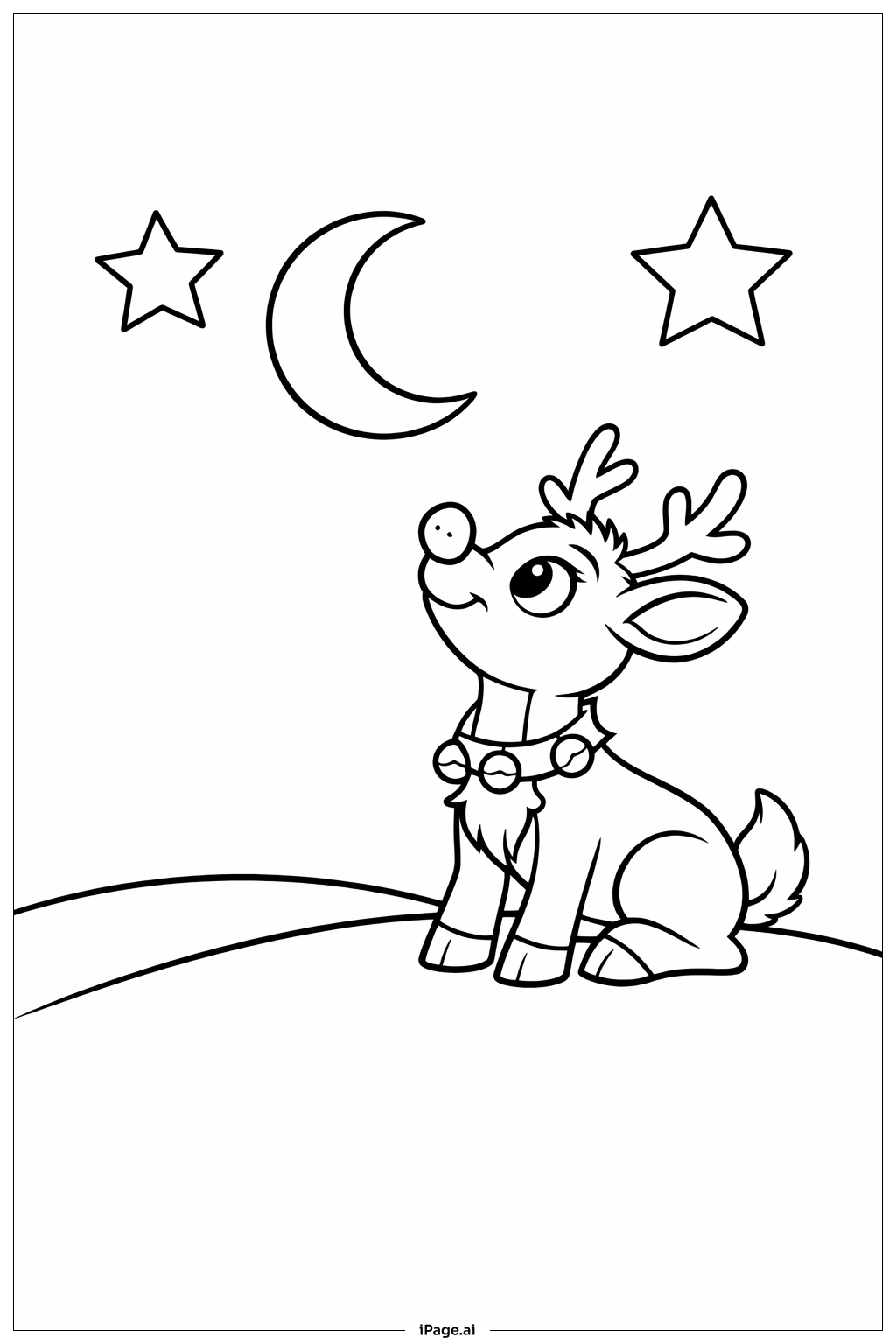
Coloring tips: How to color Rudolph In Moonlight coloring page well?
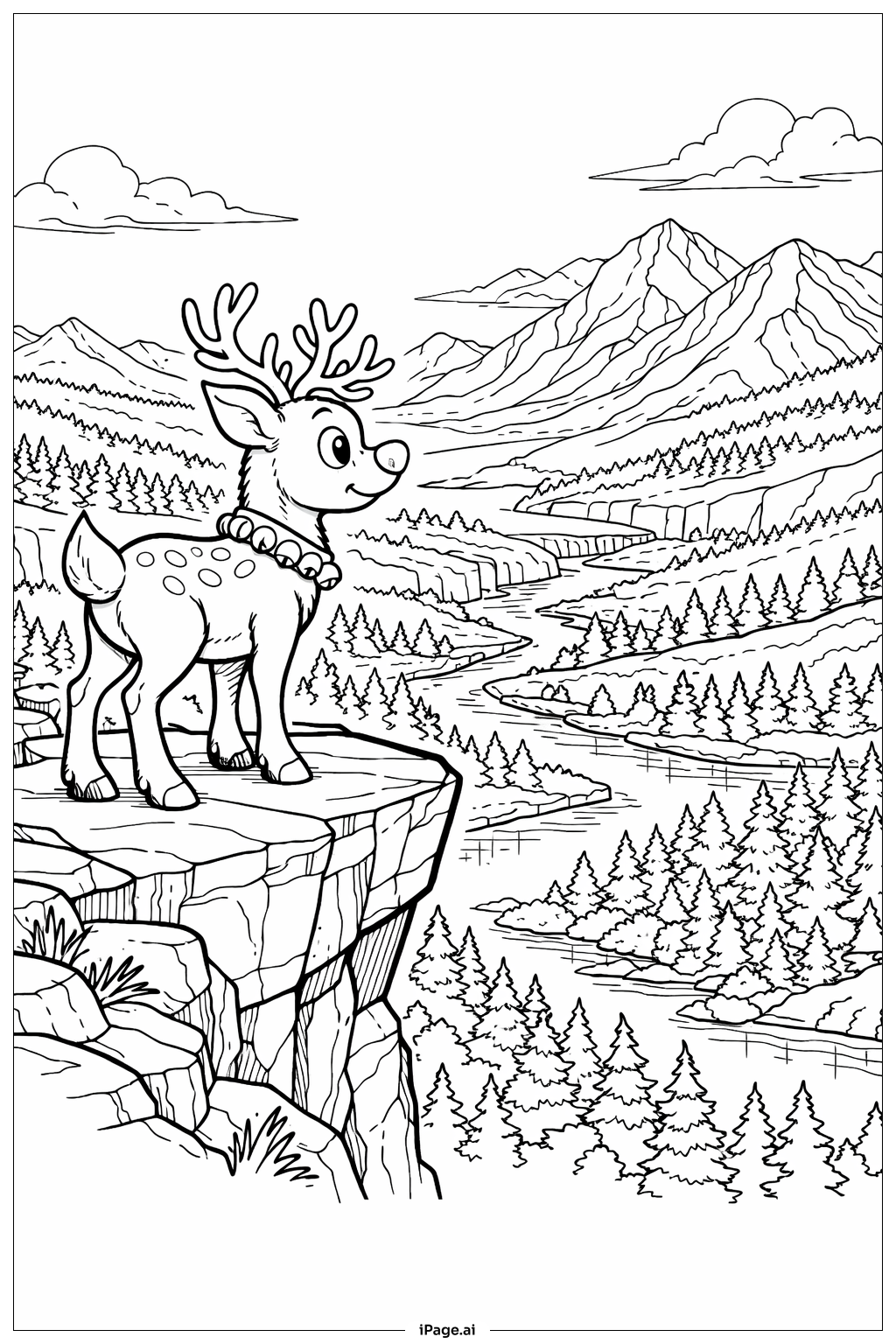
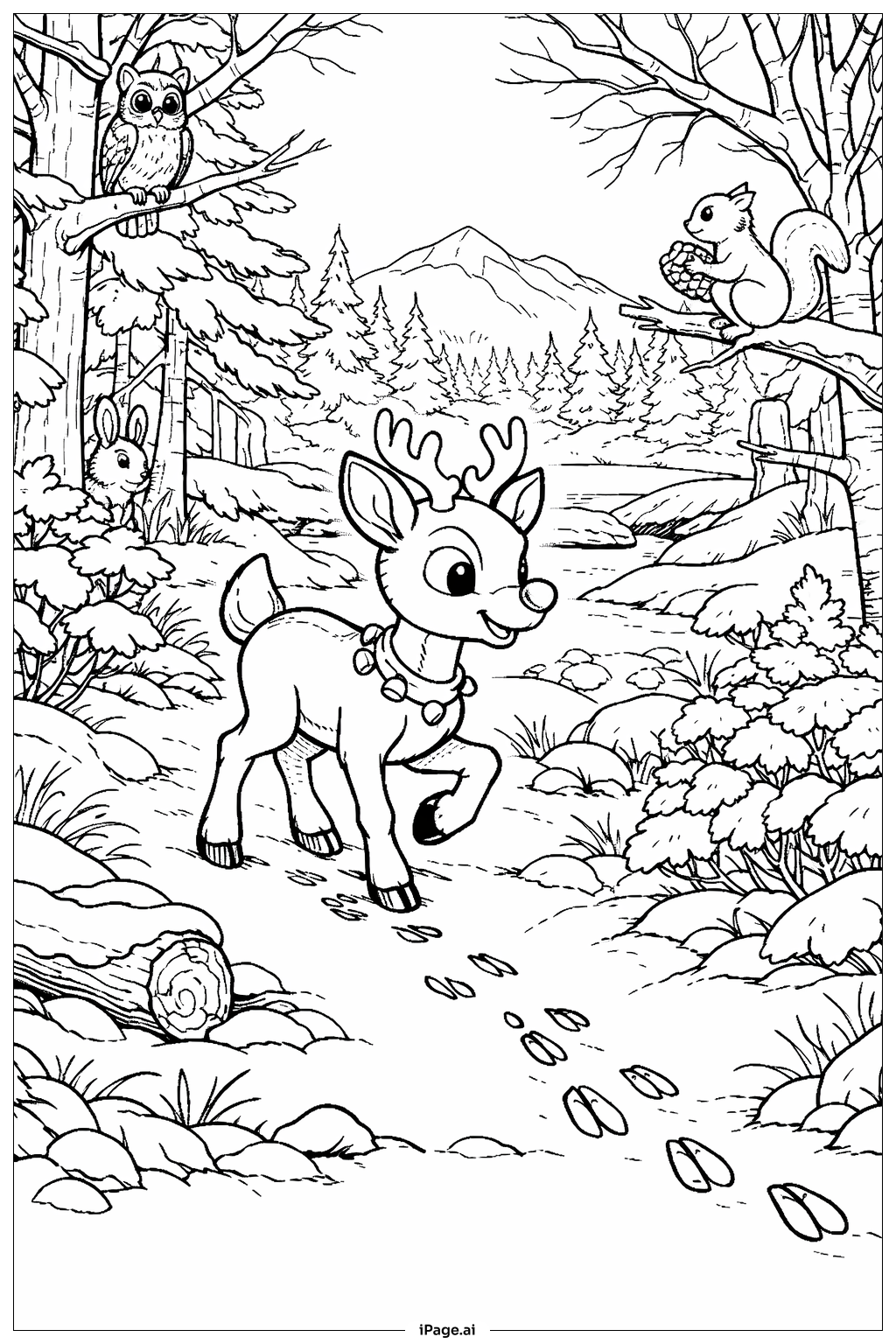
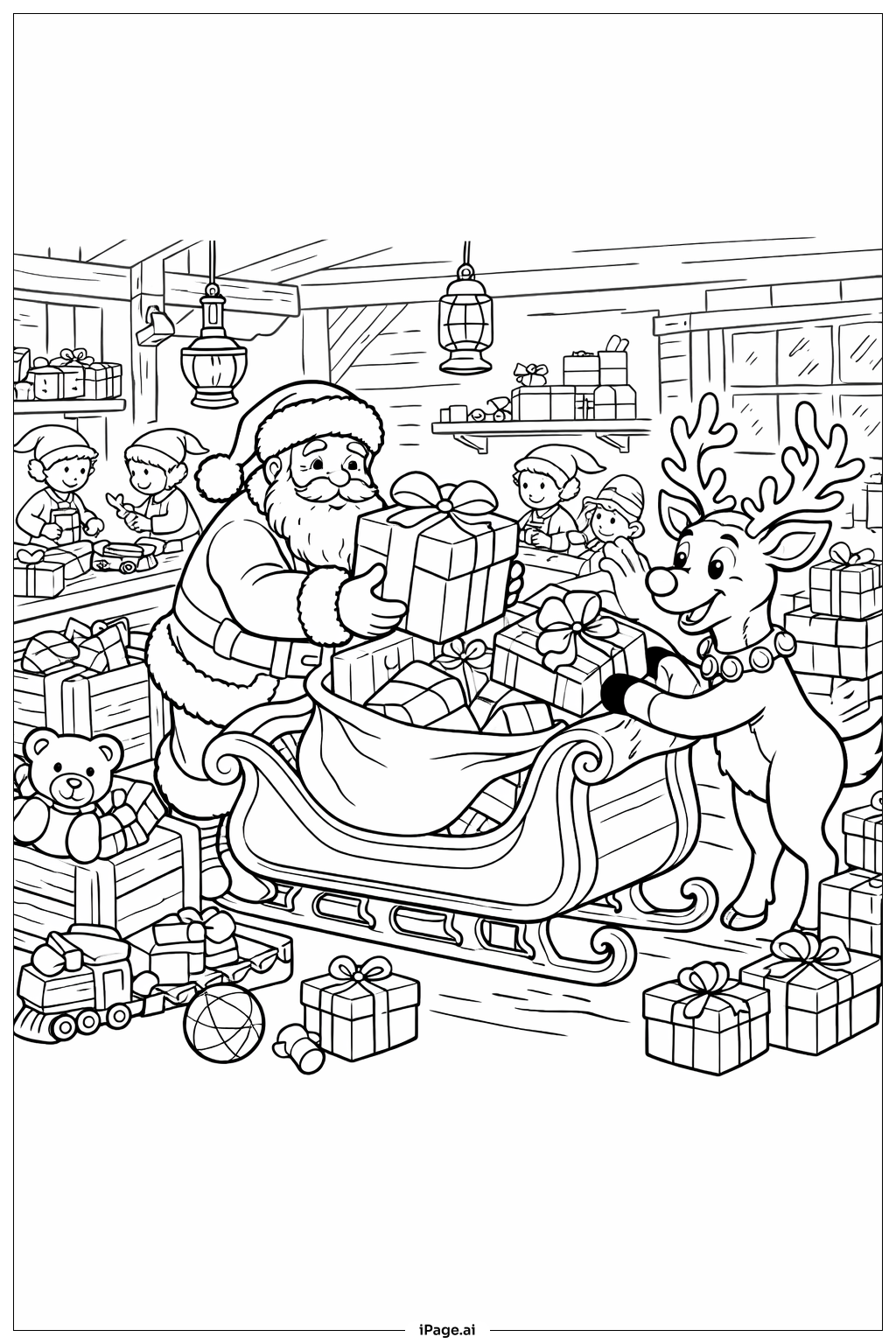
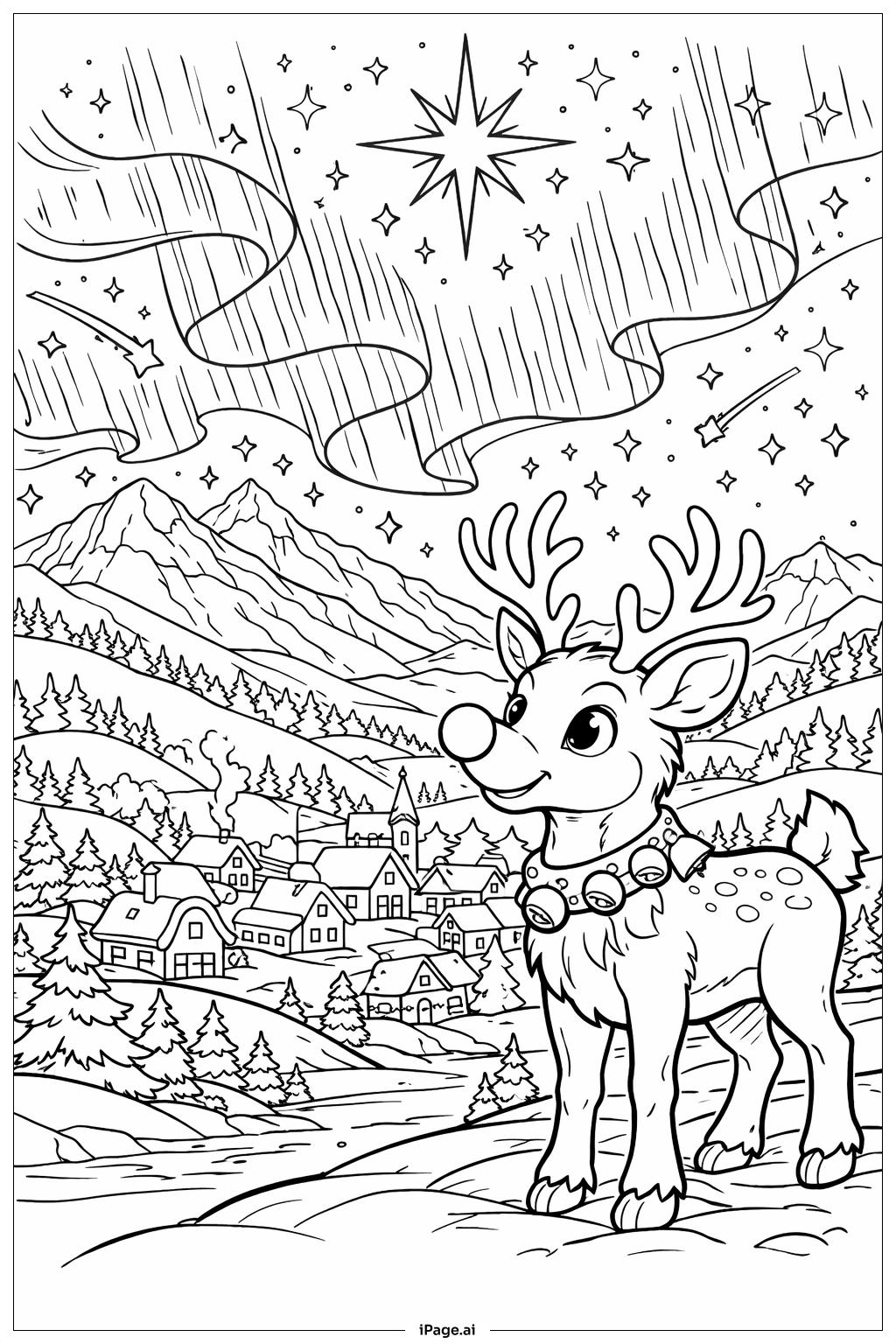
Start with Rudolph's famous nose using bright red or crimson to make it truly glow. For his fur, consider warm browns, tans, or even golden tones to create depth and dimension. His antlers can be shaded with darker browns or beige. The moon offers a wonderful opportunity to use soft yellows, pale gold, or even silvery white with subtle gray shading around the edges to create a glowing effect. The night sky can be colored with deep blues, purples, or even black, gradually blending lighter shades near the moon. Add sparkle to the stars with white, yellow, or light blue. Clouds can be soft grays or light purples tinged with moonlight. The ground might feature cool whites and blues for snow areas, with touches of brown or green for grass patches.
Coloring challenges: Which parts are difficult to color and need attention for Rudolph In Moonlight coloring page?
• Rudolph's Nose Glow Effect: Creating a realistic glowing appearance for Rudolph's famous red nose requires careful color blending. Children may struggle to make the nose appear luminous rather than just flat red. The challenge lies in adding lighter shades or white highlights around the nose edges to simulate the glow spreading outward into the surrounding air.
• Moon Shading and Dimension: The large moon presents a significant challenge in creating depth and roundness. Achieving a three-dimensional sphere effect requires understanding how to blend colors from light centers to darker edges, or vice versa. Young colorists may find it difficult to create smooth gradients and avoid harsh lines that make the moon look flat.
• Night Sky Color Transitions: Blending the night sky smoothly from darker areas to lighter zones near the moon requires patience and technique. Children must learn to layer colors gently and blend where they meet. Creating realistic star sparkles without making them look like simple dots adds another layer of complexity.
• Fur Texture and Detail: Rudolph's body contains fine line details suggesting fur texture. Staying within these small areas while maintaining consistent color requires steady hand control and concentration. Creating realistic fur appearance through directional coloring strokes may be challenging for younger children.
• Background Element Balance: Coordinating colors across multiple elements like sky, moon, clouds, stars, and ground while maintaining visual harmony requires planning and color theory understanding that develops with practice.
Benefits of coloring books: Advantages of drawing Rudolph In Moonlight coloring page
Coloring this magical Rudolph In Moonlight scene offers wonderful developmental benefits for children. It strengthens fine motor skills and hand-eye coordination through careful coloring within detailed lines and small spaces. The image encourages creativity as children decide how to make Rudolph's nose glow and choose their unique color palette for the nighttime scene. Learning to blend colors for the moon and sky helps develop understanding of color theory and shading techniques. The peaceful, focused activity promotes relaxation and mindfulness, helping children practice patience and concentration. The winter holiday theme sparks imagination and connects to beloved seasonal stories, making the coloring experience emotionally engaging. Successfully completing this detailed scene builds confidence and provides a sense of accomplishment that children can proudly display or share with family and friends.