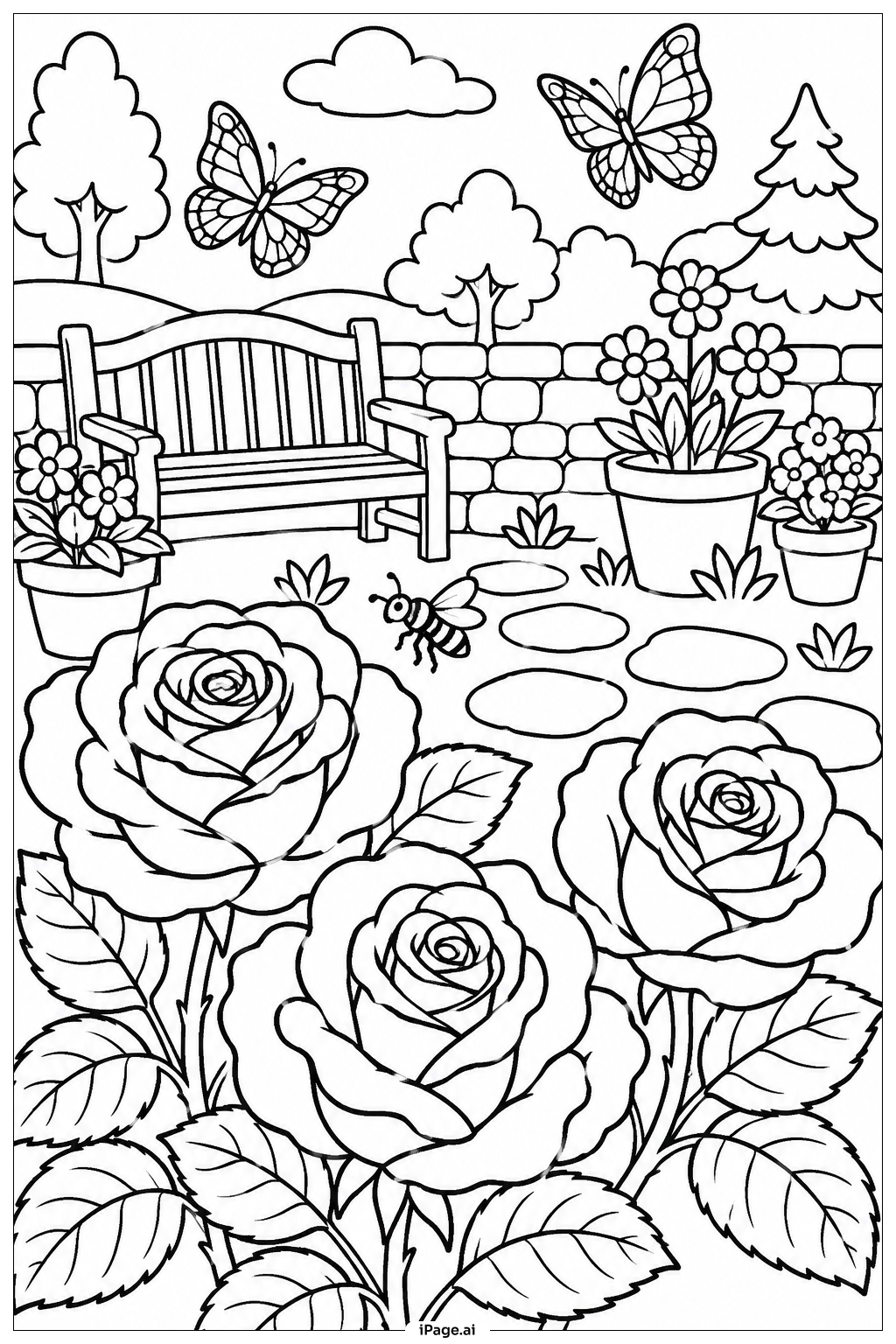
Coloring tips: How to color Three Roses In Garden coloring page well?
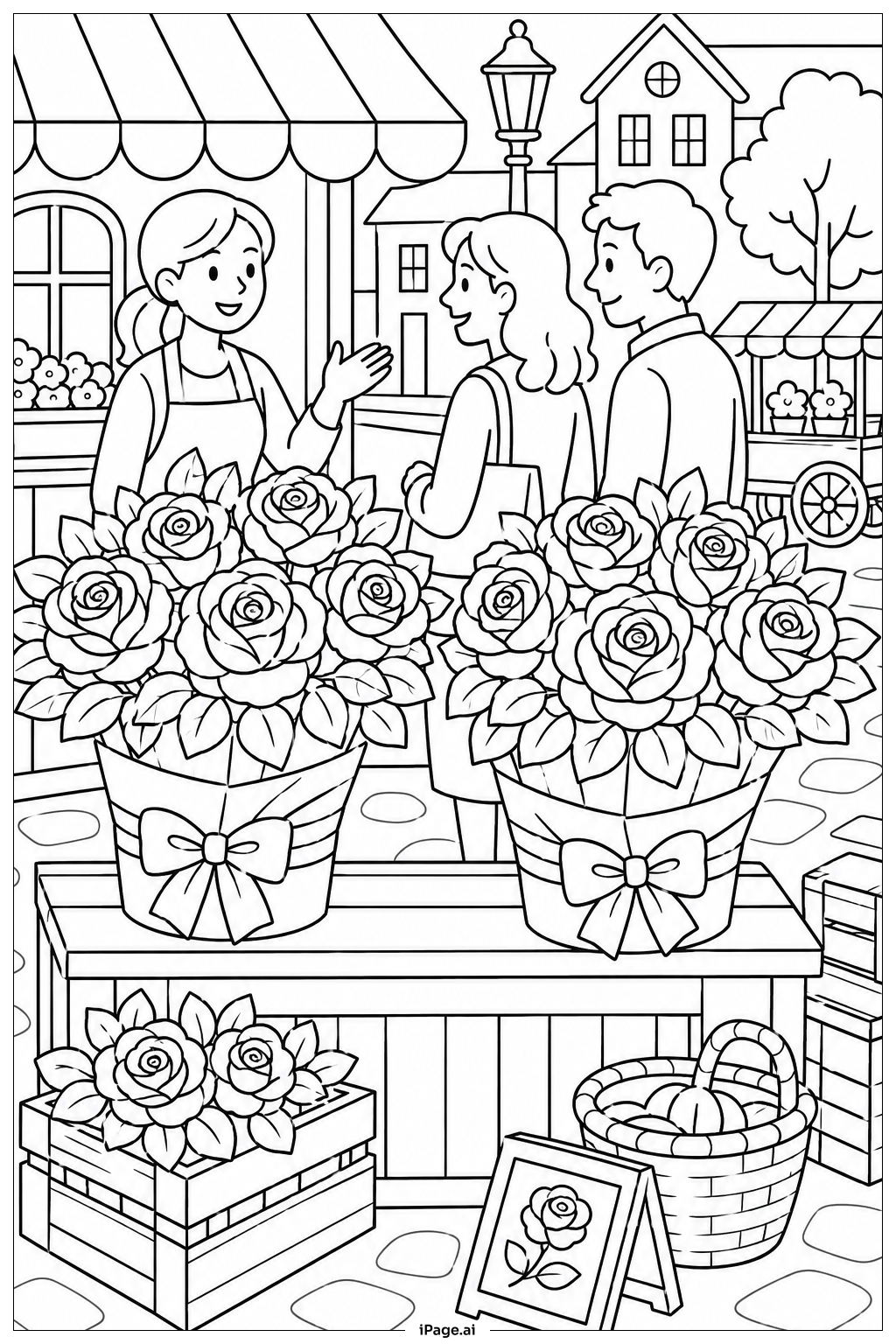
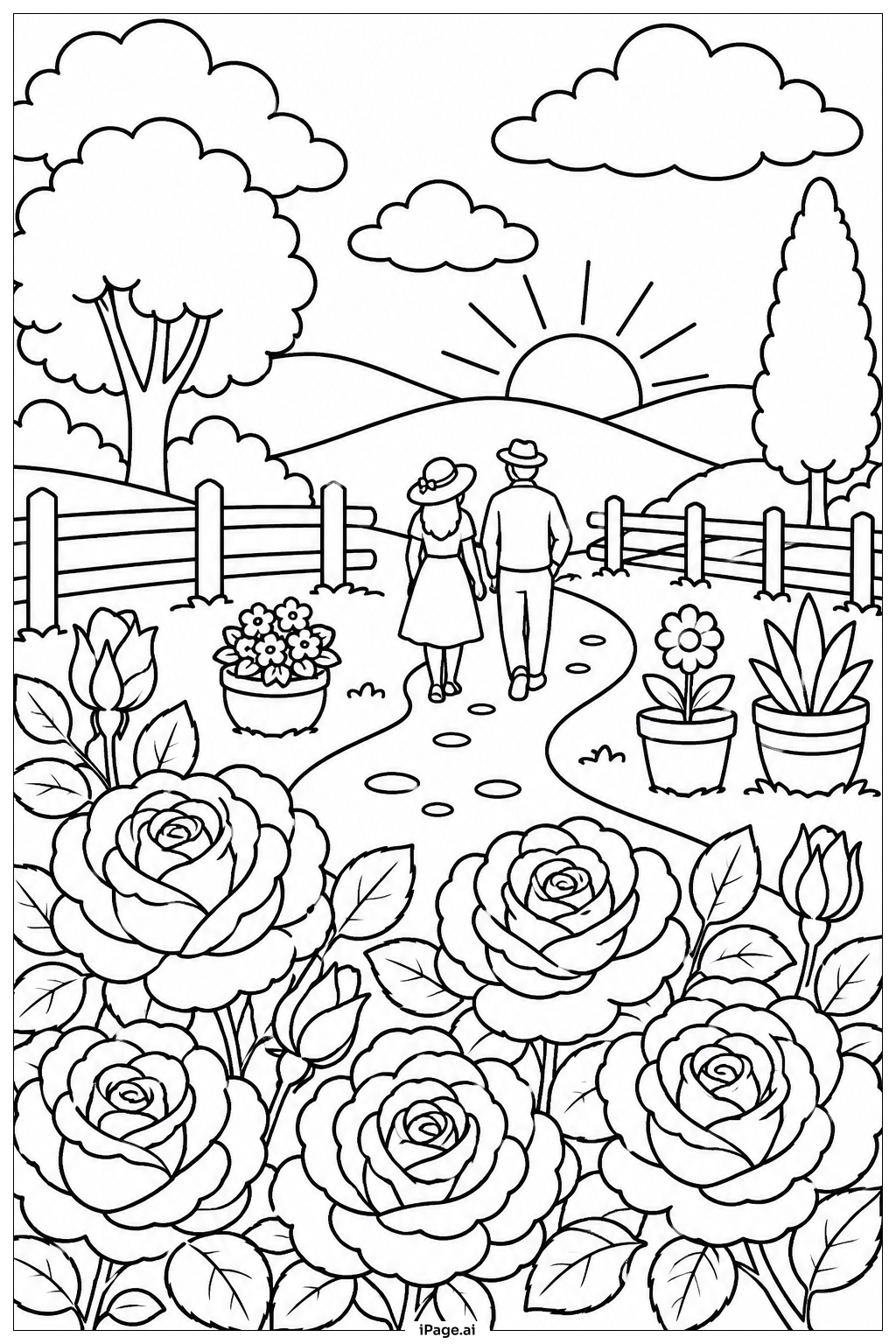
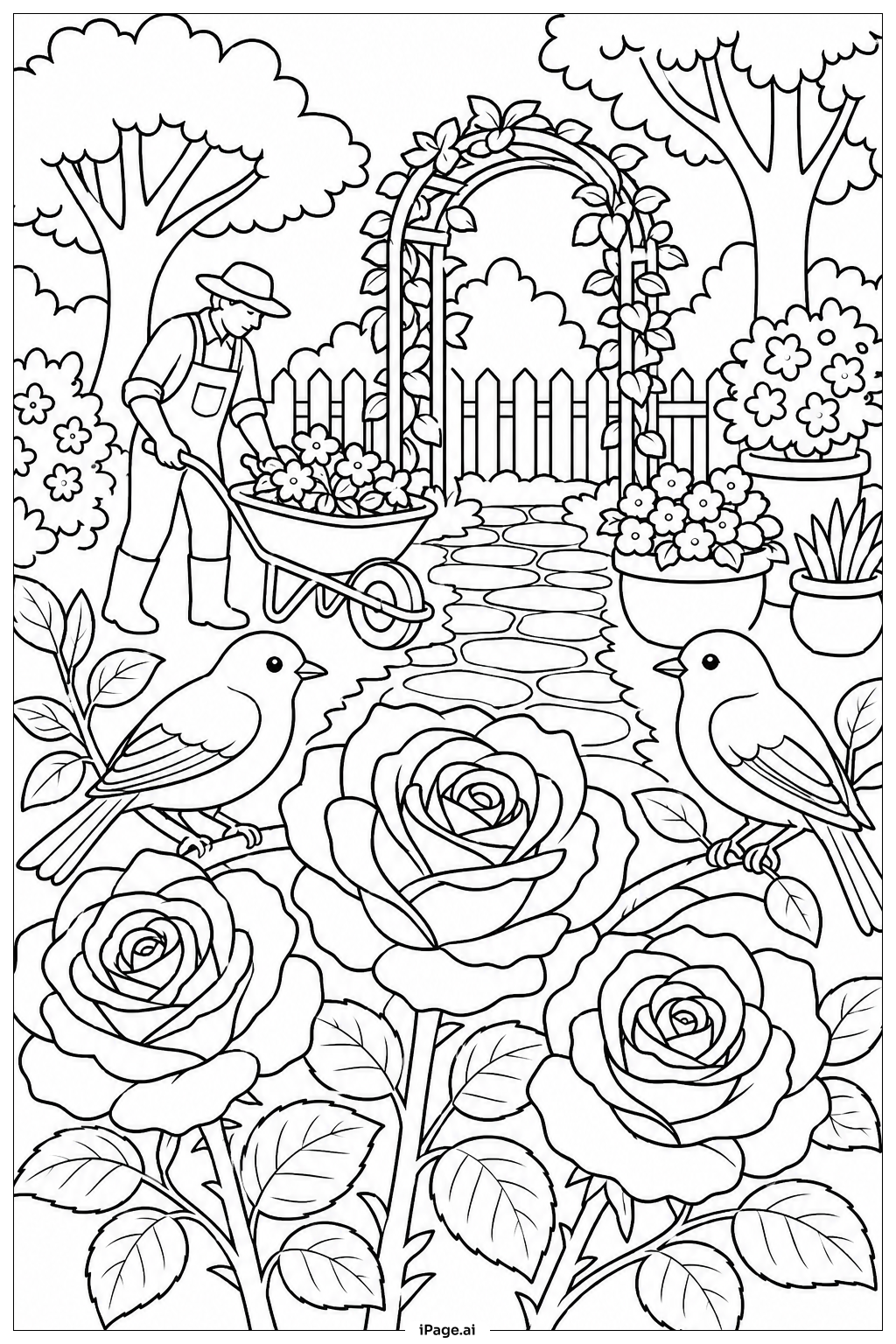
For this image, try using different shades of red, pink, or even yellow for the three roses to make them stand out. You can use a darker shade near the petals’ bases and lighter shades on the edges to show how light hits the flowers. Color the leaves and stems with various greens, adding a little yellow or blue to create natural light and shadow effects. Feel free to color the background with soft greens or browns to give a garden feel without overpowering the roses. You can also experiment with bright colors like orange or purple to make the roses more unique and creative.
Coloring challenges: Which parts are difficult to color and need attention for Three Roses In Garden coloring page?
• Petal Layering Complexity: The roses have many overlapping petals that require careful coloring to show their depth without blending colors unintentionally. Staying within the fine lines around each petal can be challenging for younger children. • Thorny Stems Detail: The thin, sharp thorns along the stems are small and require precise coloring to avoid coloring the background or leaves by mistake. It takes patience and fine motor control. • Leaf Vein Texture: The leaves have visible veins that add texture but call for steady hand movements to color them neatly while preserving their natural look. • Background Foliage: The additional garden elements behind the roses have various shapes and small details. Balancing the level of color saturation between the background and the main flowers is a challenge to keep the focus on the roses. • Uniform Coloring: Achieving smooth color transitions on large petals and leaves without leaving streaks or patchy areas demands practice and proper coloring tools.
Benefits of coloring books: Advantages of drawing Three Roses In Garden coloring page
Coloring this image helps improve focus and attention to detail because of the delicate petals and leaves. It encourages creativity by allowing choice of colors and shading techniques. For children and teens, it supports fine motor skill development as they practice steady coloring within small, complex shapes. Coloring natural elements like roses also connects learners with nature and enhances their appreciation for botanical beauty. Overall, completing this coloring page brings satisfaction and a sense of accomplishment, boosting confidence in artistic abilities.