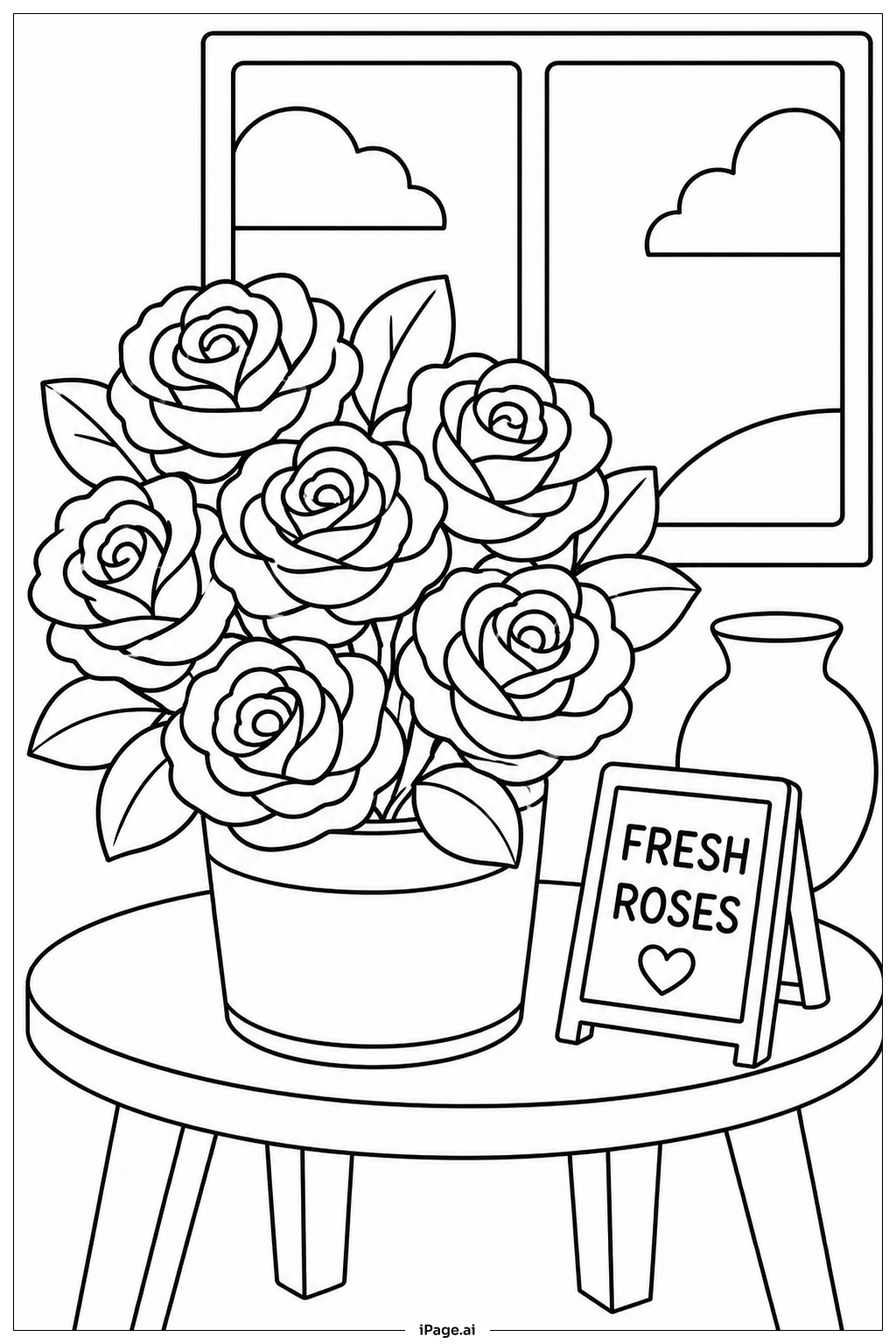
Coloring tips: How to color Rose Shop Display coloring page well?
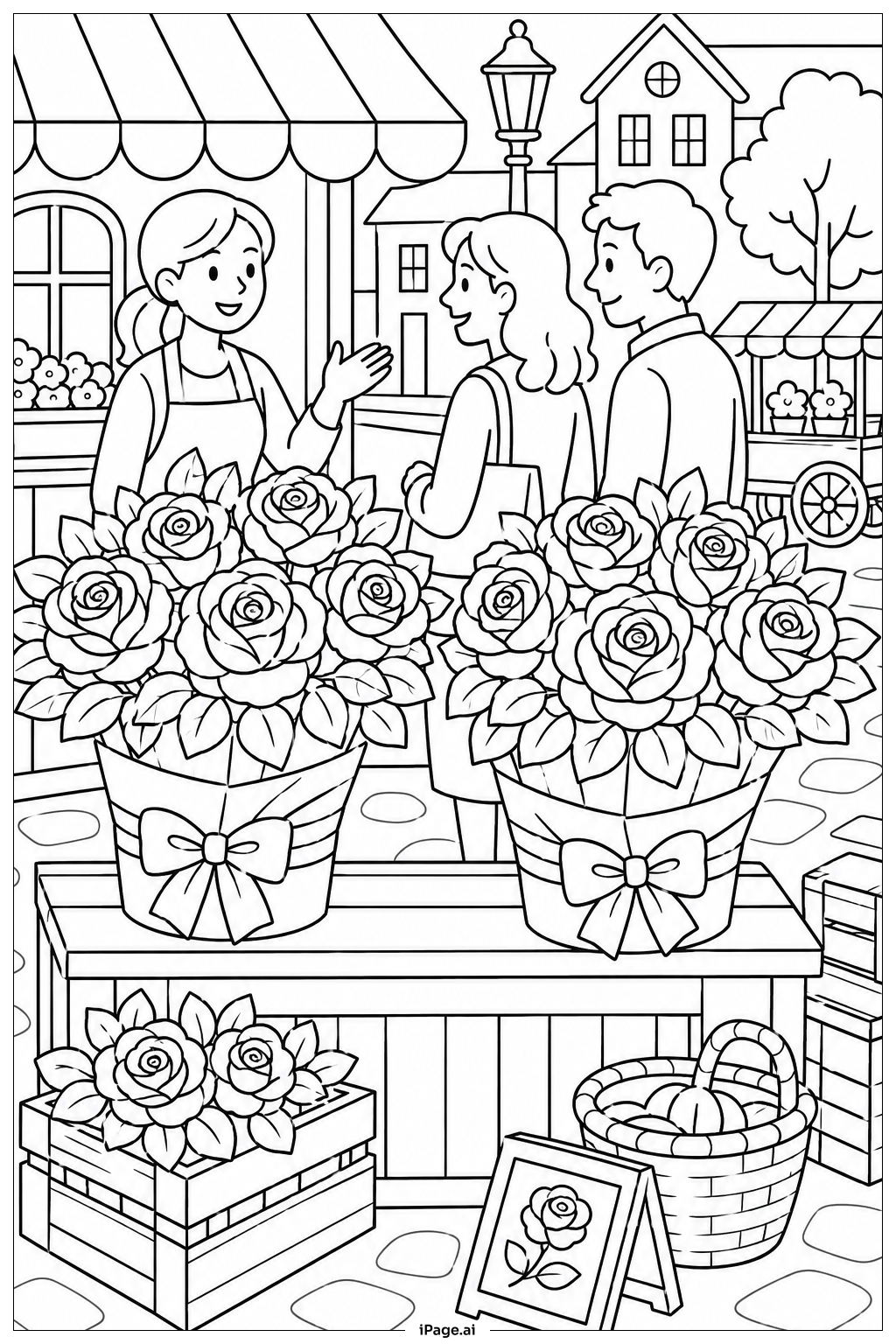
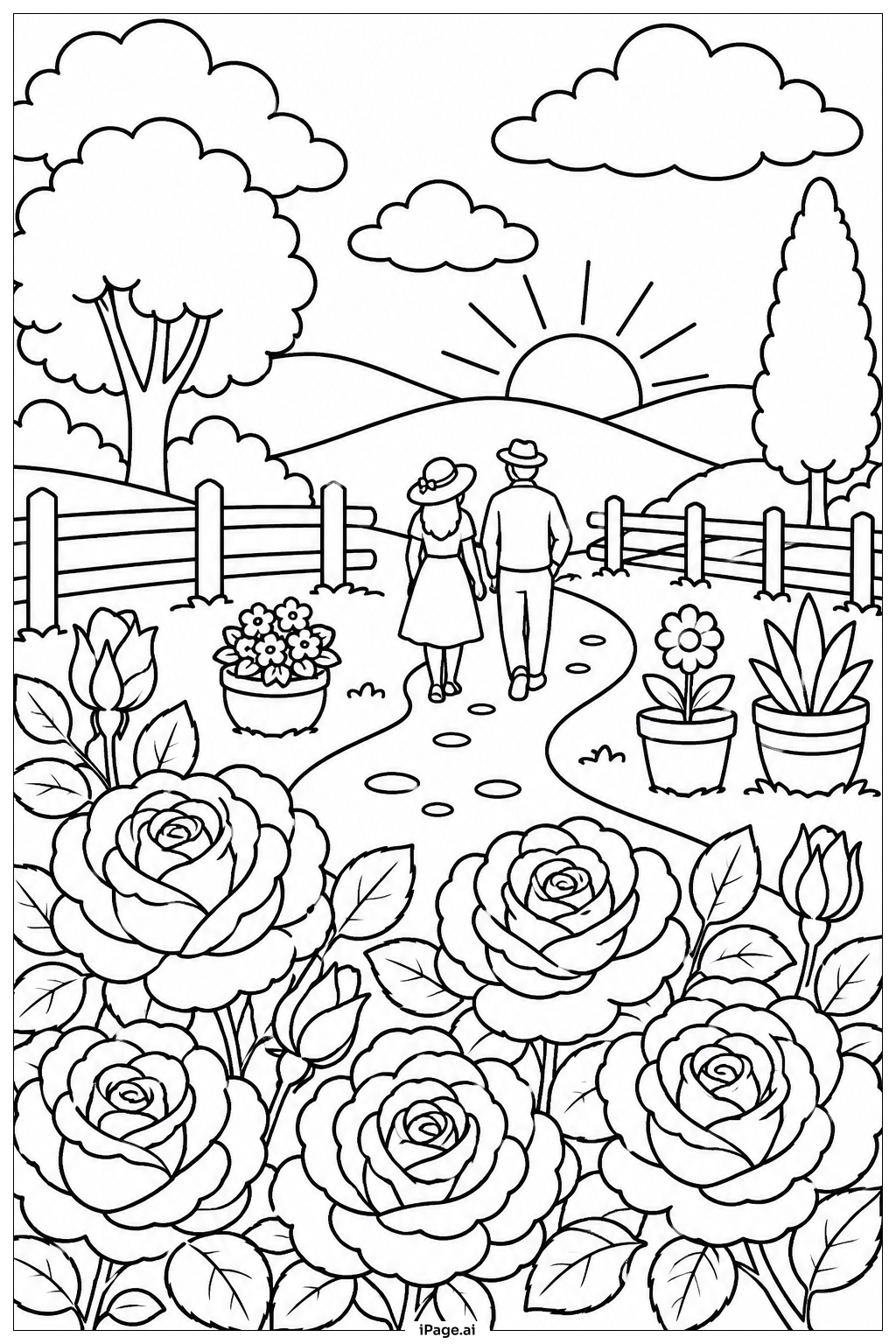
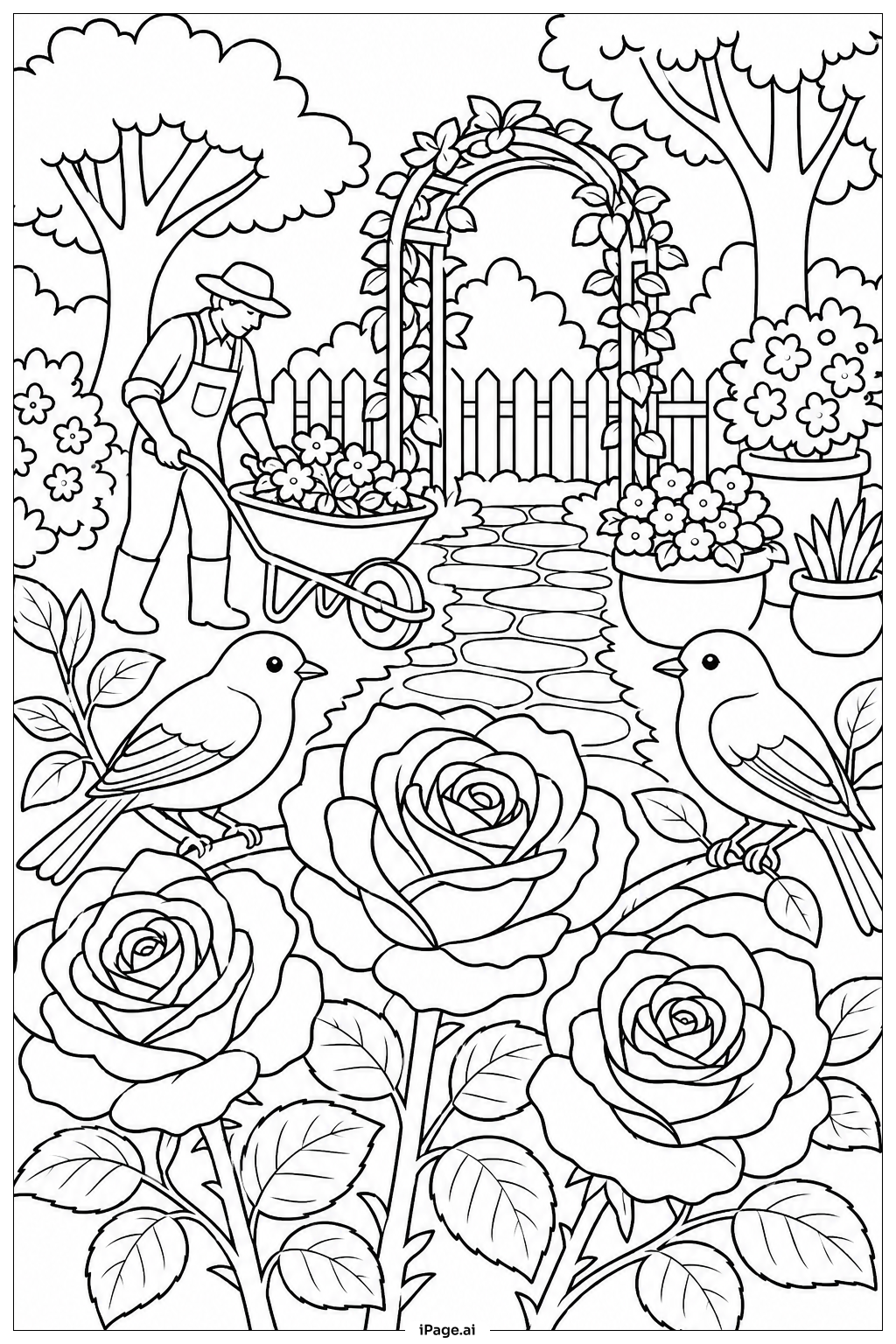
Start with the roses themselves. Use classic reds and pinks for a traditional look, or try soft peaches, lavender, and creamy white for a dreamy feel. Color each petal slightly darker at the base and lighter at the edges to give them a natural, rounded look. Use several shades of green for the leaves — bright green for fresh leaves and darker olive tones for leaves in the shade. For the vases and buckets, try cool blues, warm terracotta, or soft pastels. The wooden display stand looks great in warm browns with light tan highlights. Add a pop of color to the ribbons with bright red, gold, or deep purple. Keep the shop sign simple with a neutral background and bold lettering. Little details like price tags can be colored in cream or pale yellow. Feel free to mix realistic colors with fun fantasy shades — there are no rules here. Just enjoy the process and make the rose shop your own.
Coloring challenges: Which parts are difficult to color and need attention for Rose Shop Display coloring page?
• Layered Rose Petals: Roses have many overlapping petals that curve in different directions. Coloring each layer without muddying the colors takes patience. Try working from the outer petals inward, using slightly darker shades as you move toward the center. Leave small highlights near the petal edges to show roundness.
• Dense Foliage Areas: The leaves and stems are packed closely together around the bouquets. It can be tricky to color each leaf individually without colors bleeding into one another. Use a fine-tipped tool for leaf edges and vary your greens to help separate overlapping leaves visually.
• Multiple Vases and Containers: Each vase or bucket has its own shape and surface. Keeping the colors distinct while still making them look like they belong together as a set is a balancing act. Pay attention to where the light would hit each container and add subtle shading on one side to suggest depth.
• Small Decorative Details: Ribbons, bows, price tags, and the shop sign all contain fine lines and tiny spaces. These areas require steady hands and a sharp pencil or narrow marker tip. Rushing through these details can make them look flat, so take your time and use complementary accent colors to make them stand out.
• Maintaining Overall Color Harmony: With so many elements — flowers, containers, wood, signage, and greenery — keeping the whole scene balanced and visually pleasing is a real challenge. Choose a limited color palette before you begin and repeat colors across the scene to create a cohesive, professional-looking result.
Benefits of coloring books: Advantages of drawing Rose Shop Display coloring page
Coloring this rose shop display offers a wonderful range of benefits for kids and adults alike. The detailed rose petals and layered arrangements help develop fine motor skills, encouraging careful, controlled movements with coloring tools. For younger children, tracing around the flower shapes builds hand strength and pencil control that supports early writing skills.
The variety of elements in the scene — flowers, leaves, containers, and decorations — keeps the activity engaging and stimulates creative decision-making as colorists choose palettes and combinations. This kind of open-ended creative choice boosts confidence and independent thinking.
Focusing on a detailed, beautiful scene like a flower shop is also a natural stress reliever. The repetitive, gentle motion of coloring promotes a calm, meditative state that can reduce anxiety and improve mood. Many adults find flower-themed coloring pages especially relaxing and satisfying.
Learning to observe how colors blend and contrast is a subtle but valuable art education experience. Mixing shades of pink and red for rose petals, or layering greens for realistic leaves, introduces colorists to basic principles of color theory in a fun, hands-on way. Overall, this page combines creativity, relaxation, skill-building, and a love of nature into one enjoyable activity.