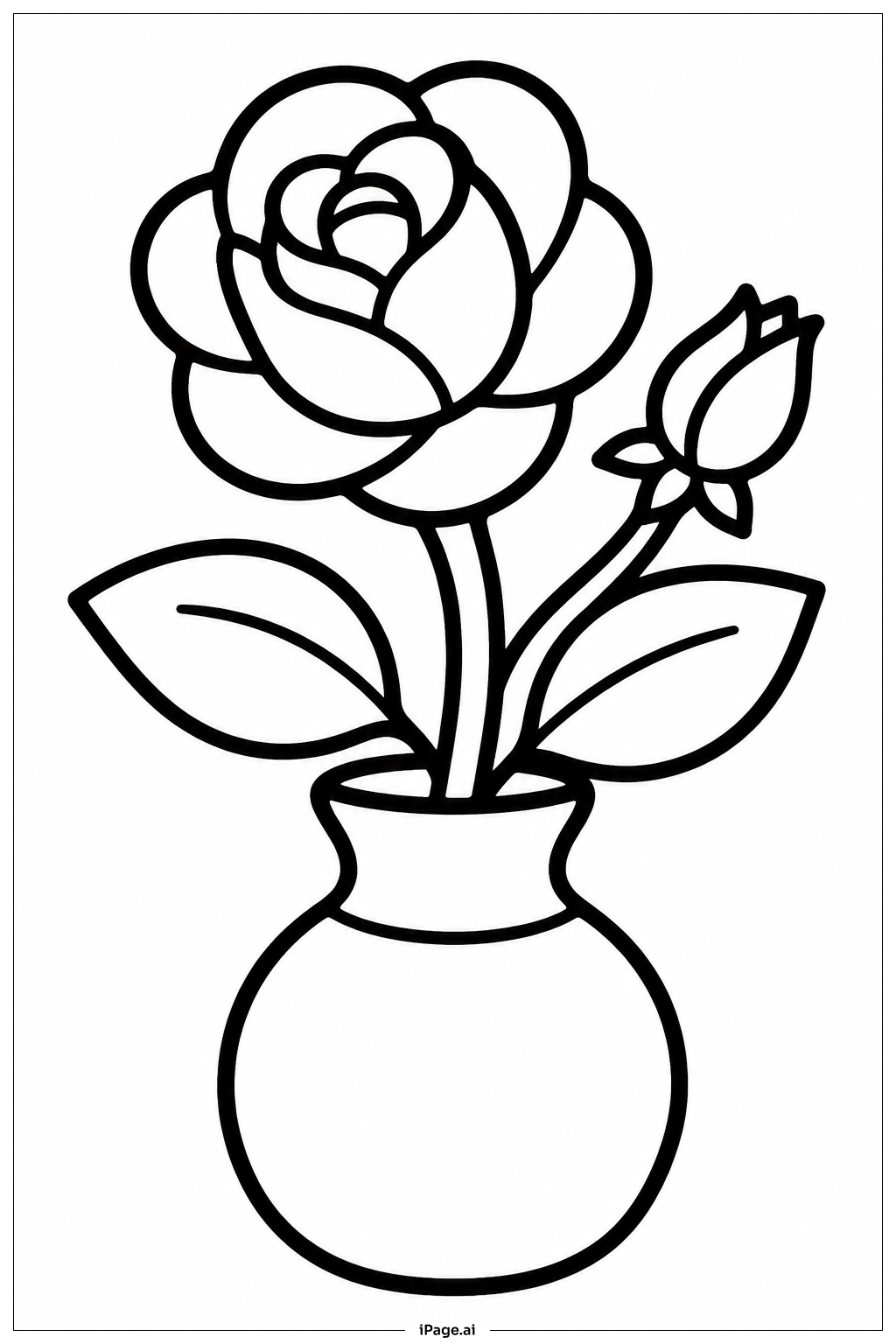
Coloring tips: How to color Rose In Simple Vase coloring page well?
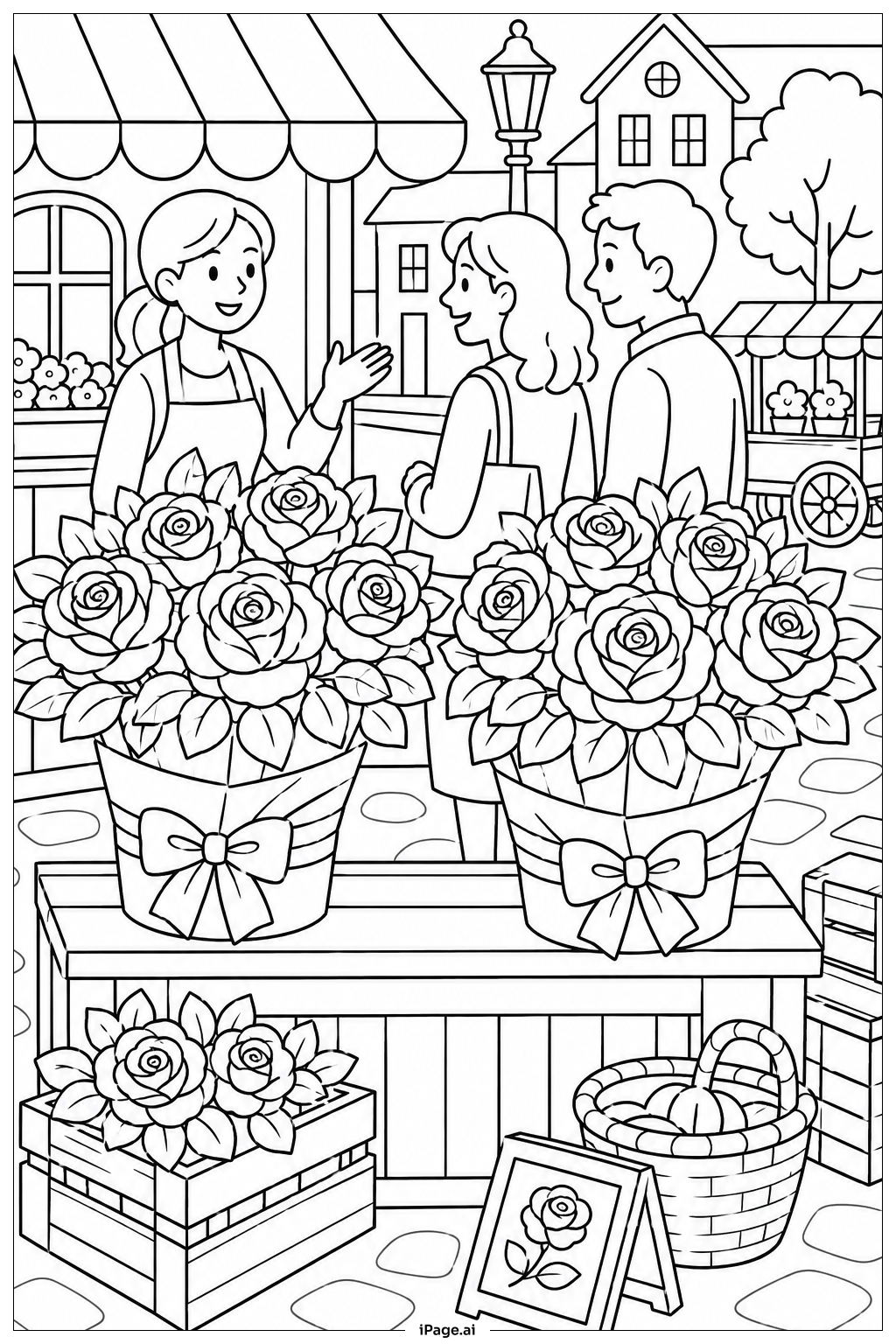
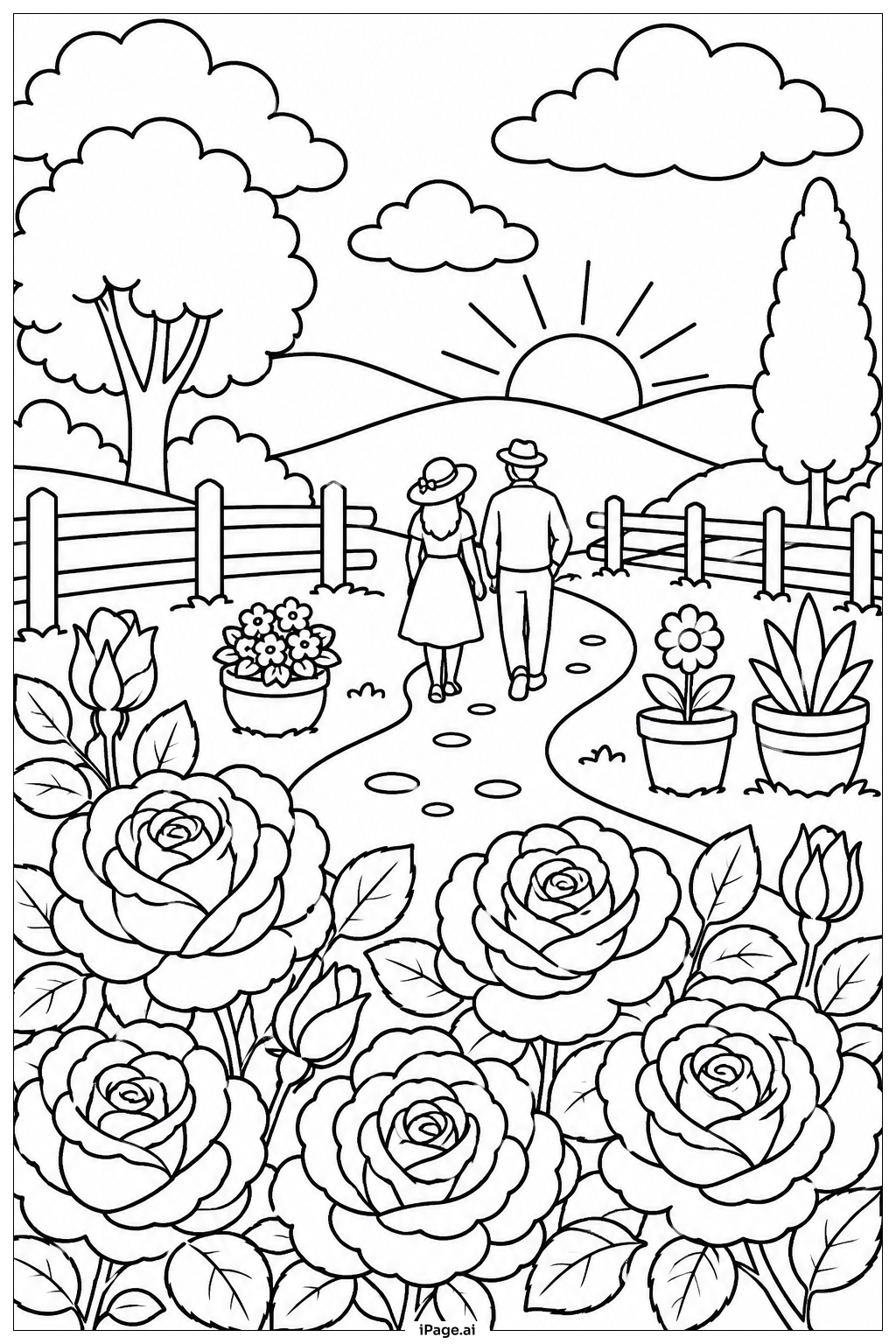
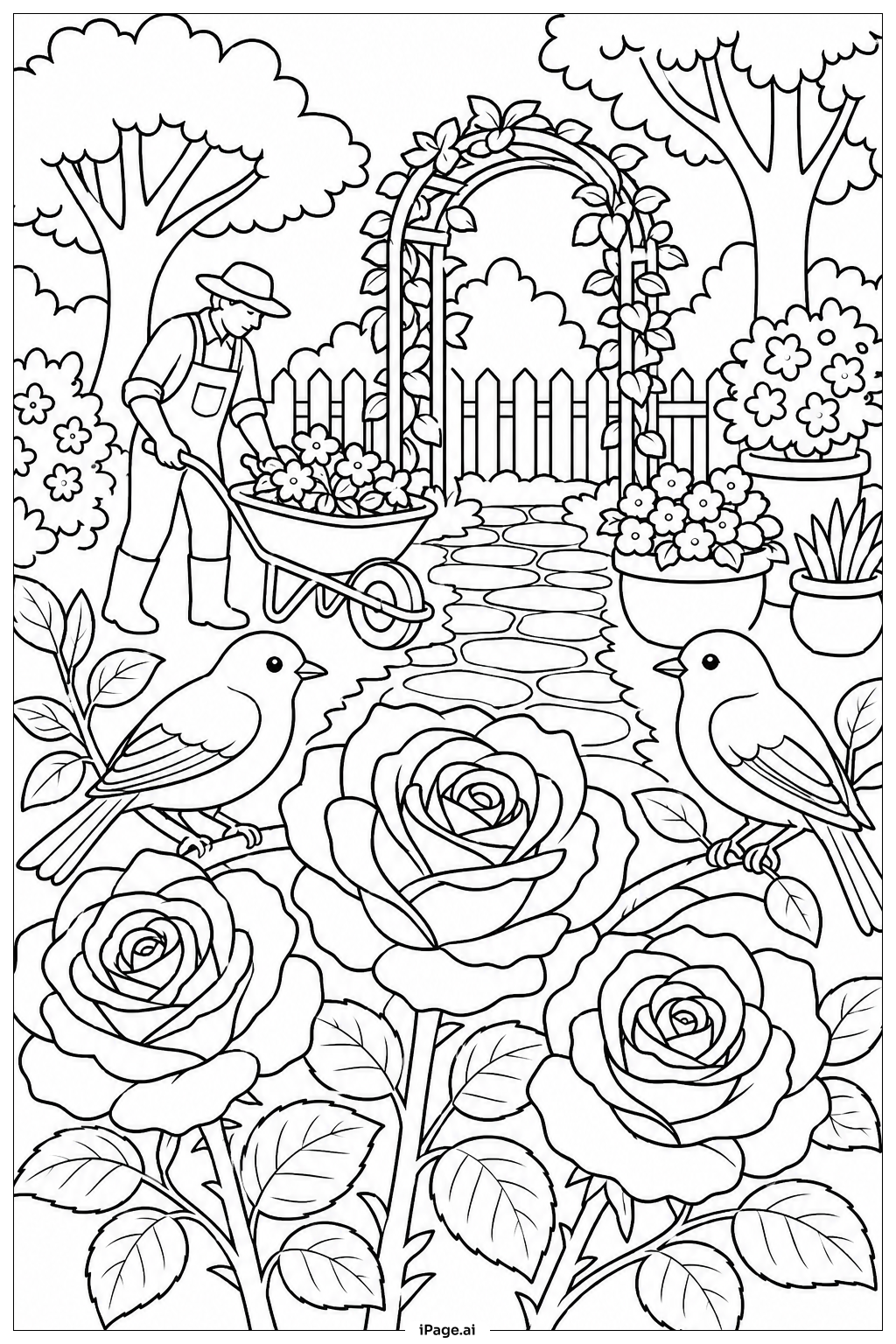
Start with the rose petals. Use shades of red, pink, or coral. Begin with a lighter base color, then add a darker tone near the edges and inner folds to create depth. You can also try a soft peach or yellow rose for something unique. For the leaves, use two or three shades of green — light green for areas catching light, and darker green for shadowed spots. The stem can be a medium green or olive tone. For the vase, try a single solid color like sky blue, soft lavender, or warm cream. You can add simple shading on one side to make it look three-dimensional. If you want a fun background, a soft yellow or pale blue works beautifully. Keep the colors gentle and harmonious so the rose remains the star of the picture. This image is great for trying blending techniques with colored pencils or watercolor pencils.
Coloring challenges: Which parts are difficult to color and need attention for Rose In Simple Vase coloring page?
• Petal Layering and Depth: The rose has multiple overlapping petals with curved edges and inner folds. Showing depth between each layer requires using at least two or three shades of the same color. Lighter tones go toward the center, while darker shades sit along the edges and between petals. This can be tricky for beginners who are just learning how to blend or shade.
• Small Petal Curves and Edges: Each petal has a delicate curved outline. Staying inside those lines while also adding smooth color gradients takes steady hands and patience. Using a sharp colored pencil tip or a fine brush helps keep the edges clean and neat.
• Leaf Vein Details: The leaves contain thin vein lines running through them. Coloring around these fine lines without covering them requires careful attention. You can leave the veins as white outlines or lightly color them in a slightly different shade to keep them visible.
• Vase Shading and Roundness: The simple vase shape looks best when it has some light and shadow to appear three-dimensional. Placing a highlight on one side and a shadow on the opposite side creates a rounded look. Blending these tones smoothly across a curved surface can be challenging, especially with crayons or markers.
• Color Harmony Across the Whole Image: Choosing colors that work well together for the rose, leaves, stem, and vase all at once can feel overwhelming. Planning your color palette before you start helps everything look balanced and visually pleasing in the final result.
Benefits of coloring books: Advantages of drawing Rose In Simple Vase coloring page
Coloring this rose image offers a wide range of wonderful benefits for children and adults alike. Focusing on the curves and details of the petals helps build fine motor skills and steady hand control, which are important for writing and other daily tasks. The act of choosing colors for the rose, leaves, and vase encourages creative thinking and personal expression. There is no single right answer, so every child can make the image their very own. Staying within the delicate lines of the petals and leaves also trains concentration and patience, helping young colorists develop the ability to focus for longer periods of time. The gentle, flowing shapes of the rose create a calming effect, making this a relaxing activity that can reduce stress and anxiety. Completing the image gives a strong sense of accomplishment and builds self-confidence. Learning to blend colors on the petals introduces basic art concepts like shading and color mixing in a fun, hands-on way. Overall, this simple yet beautiful rose coloring page supports emotional well-being, artistic growth, and cognitive development all at once.