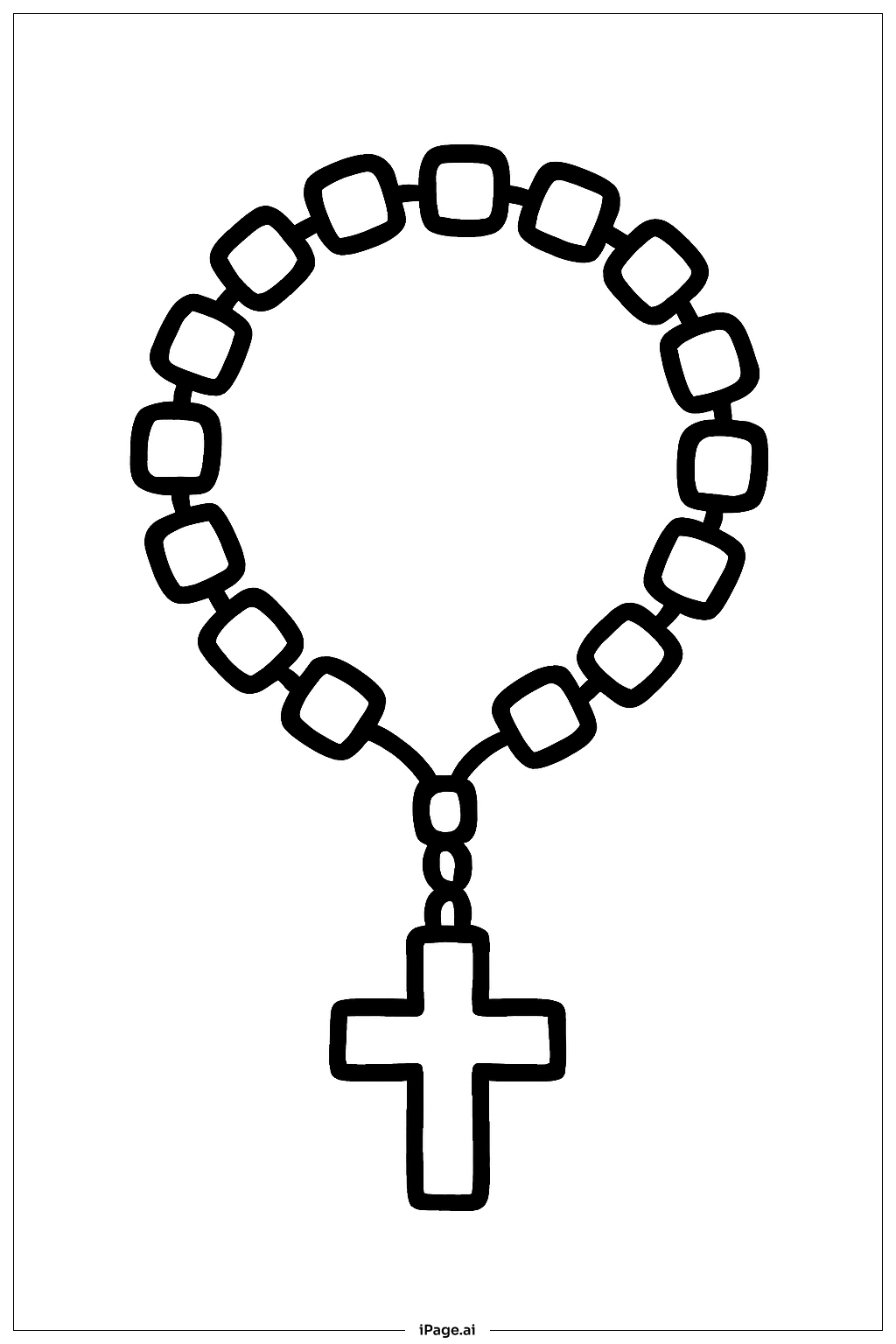
Coloring tips: How to color Rosary With Square Beads coloring page well?
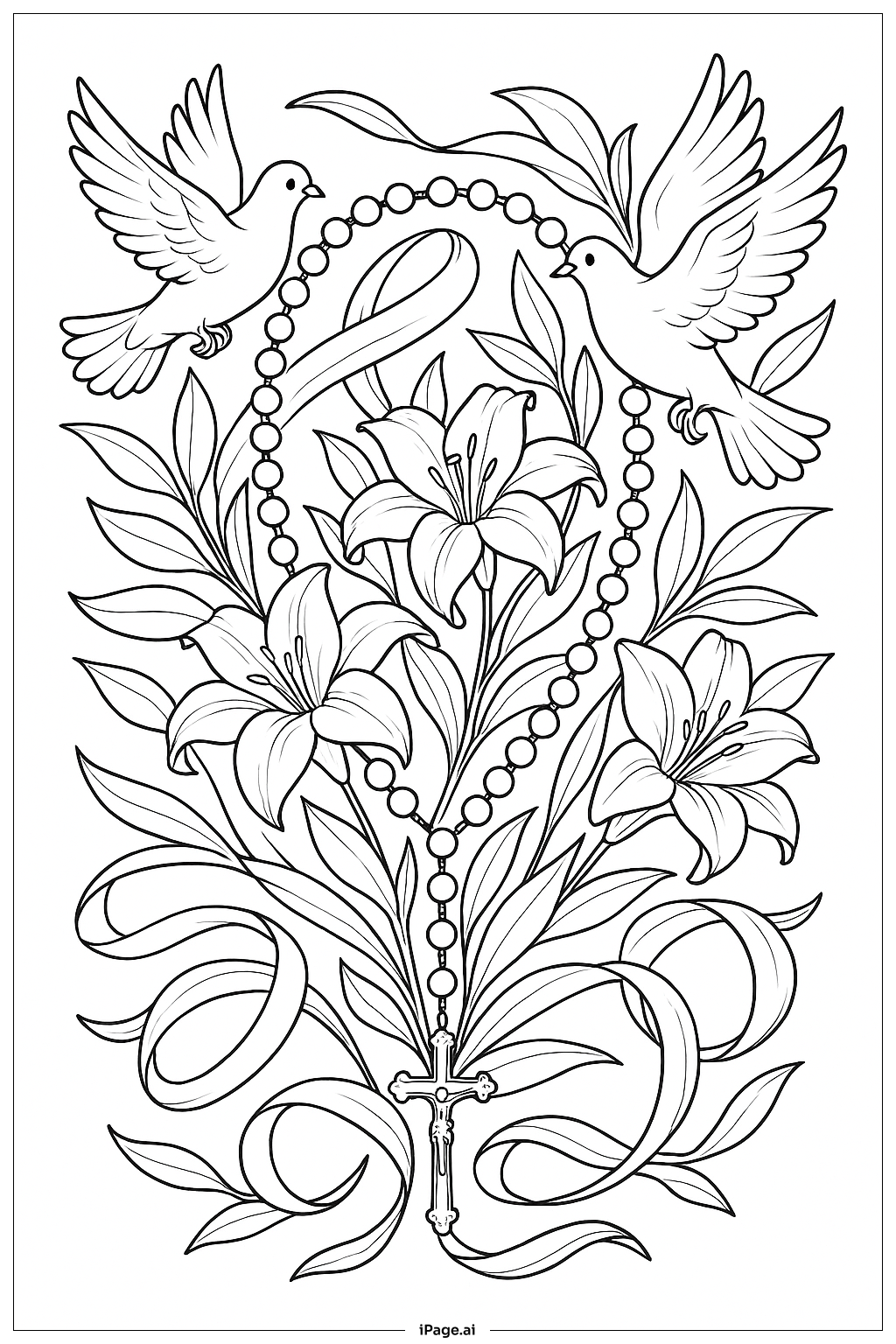
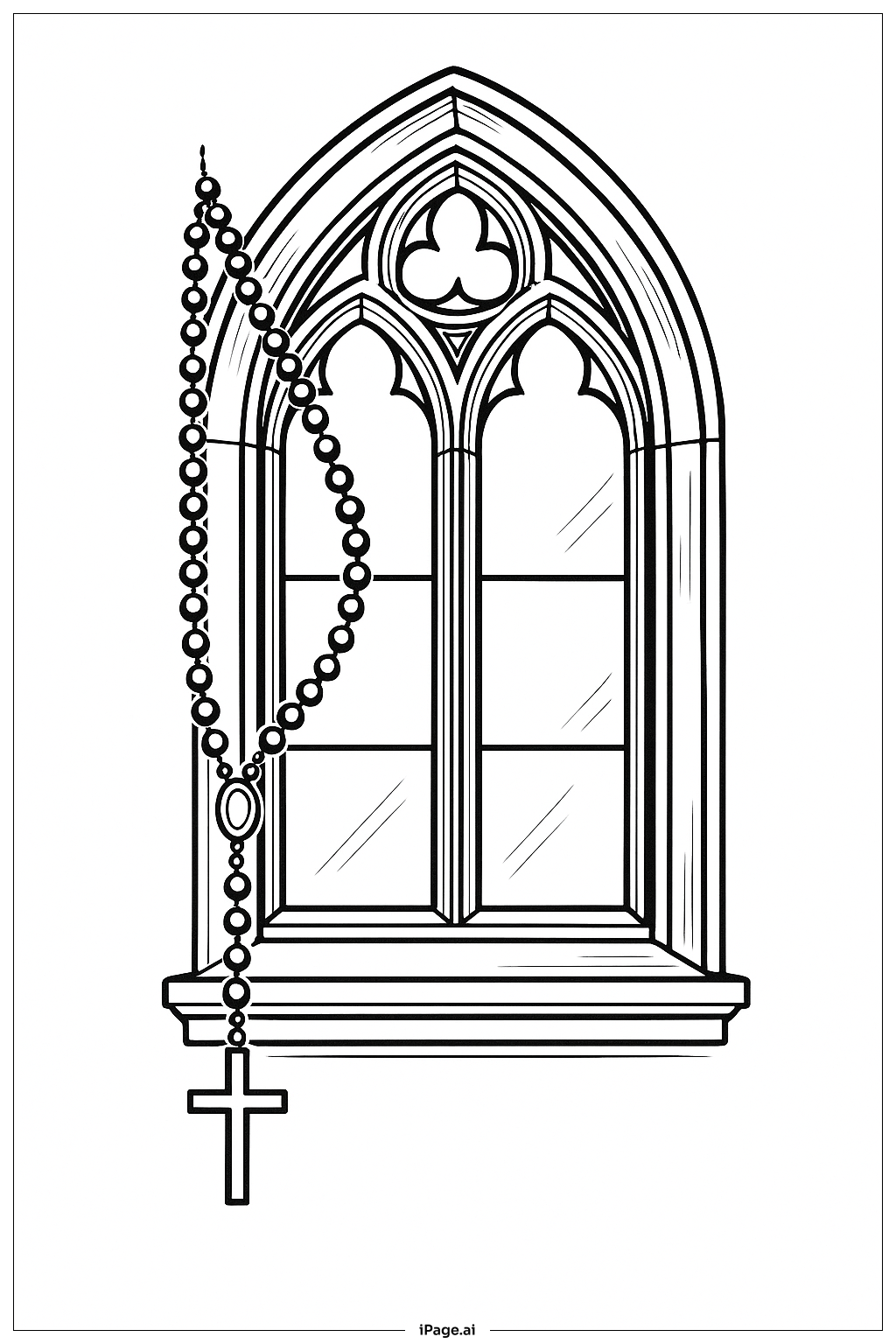
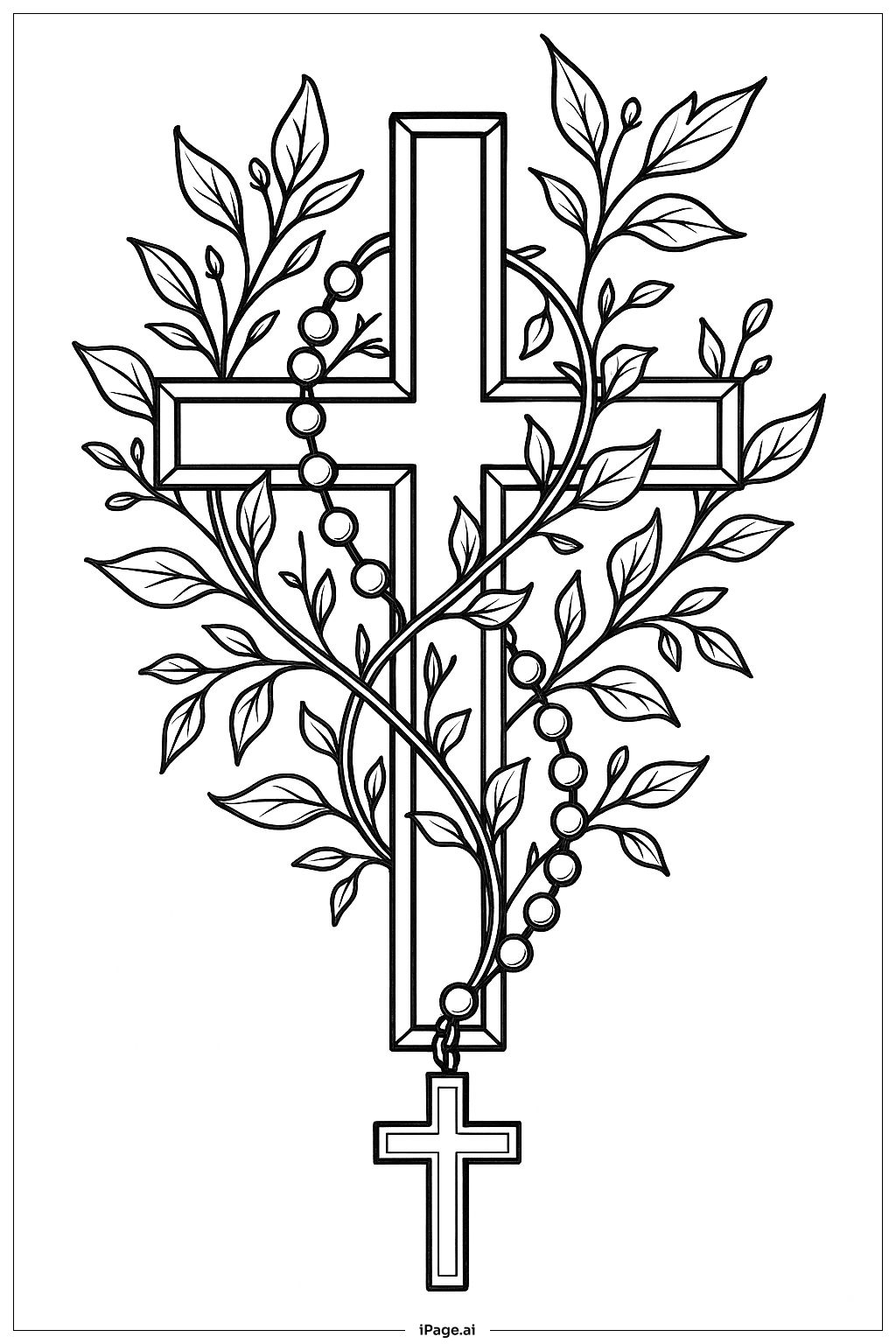
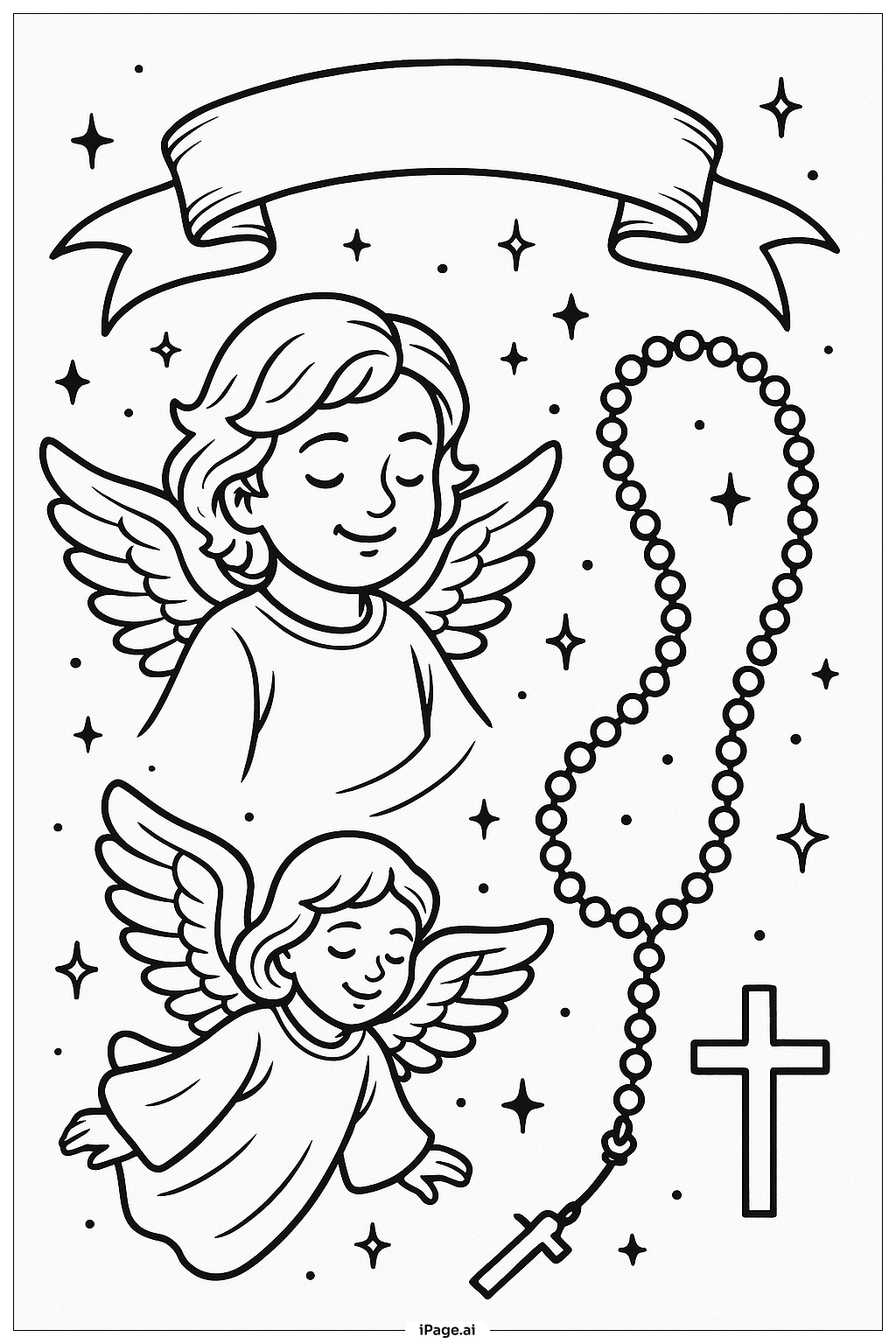
For the square beads, consider using rich jewel tones like deep sapphire blue, emerald green, or ruby red to give them a gemstone appearance. You could alternate colors between the larger decade beads and smaller prayer beads to create visual distinction. Traditional choices include pearl white or ivory for a classic look, or warm wood tones like mahogany or cherry for a natural feel. The crucifix can be colored in metallic shades using gold, silver, or bronze colored pencils to create a realistic metal effect. The connecting chain or cord might work well in neutral tones like gray, black, or brown. For a more creative approach, try a gradient effect across the beads, transitioning from light to dark shades of the same color family. Adding highlights to one corner of each square bead will enhance their dimensional quality.
Coloring challenges: Which parts are difficult to color and need attention for Rosary With Square Beads coloring page?
• Square Bead Uniformity: The geometric nature of square beads requires careful attention to maintain consistent coloring within each bead's straight edges. Unlike round beads where circular motions work naturally, square beads demand precise coloring along flat surfaces and sharp corners. Children may find it challenging to keep colors even across each square face while avoiding overflow at the corners where edges meet.
• Dimensional Shading: Creating a three-dimensional appearance on square beads requires understanding how light hits flat surfaces differently than curved ones. Each square bead has multiple visible faces that need different shading intensities. The top face might be lightest, side faces medium-toned, and areas near the connecting points darker. This multi-level shading technique can be complex for younger colorists.
• Small Detailed Spaces: The areas between beads where the chain or cord connects are typically quite small and require fine motor control. Coloring these tiny spaces without accidentally coloring onto adjacent beads demands patience and precision. The crucifix details, including the figure and decorative elements, also contain intricate small areas that challenge steady hand control.
• Color Consistency: With approximately 59 beads in a complete rosary, maintaining the exact same color shade across all similar beads throughout the entire design requires careful color management and consistent pressure application. Any variation becomes noticeable and can disrupt the visual harmony of the finished piece.
Benefits of coloring books: Advantages of drawing Rosary With Square Beads coloring page
Coloring this rosary design offers wonderful benefits for developing fine motor skills through the repetitive yet precise work of coloring each individual square bead. The geometric shapes help children practice staying within boundaries and controlling their coloring tools with accuracy. This activity promotes patience and focus as completing all the beads requires sustained attention and careful work. The repetitive nature of coloring similar beads can be meditative and calming, providing a peaceful activity that reduces stress and anxiety. Children learn about patterns and sequences as they work through the rosary's structure of decades and prayer beads. The religious and cultural significance of the rosary can spark meaningful conversations about faith, traditions, and different prayer practices around the world. Completing this detailed project builds confidence and provides a sense of accomplishment, especially given the challenging square bead design.