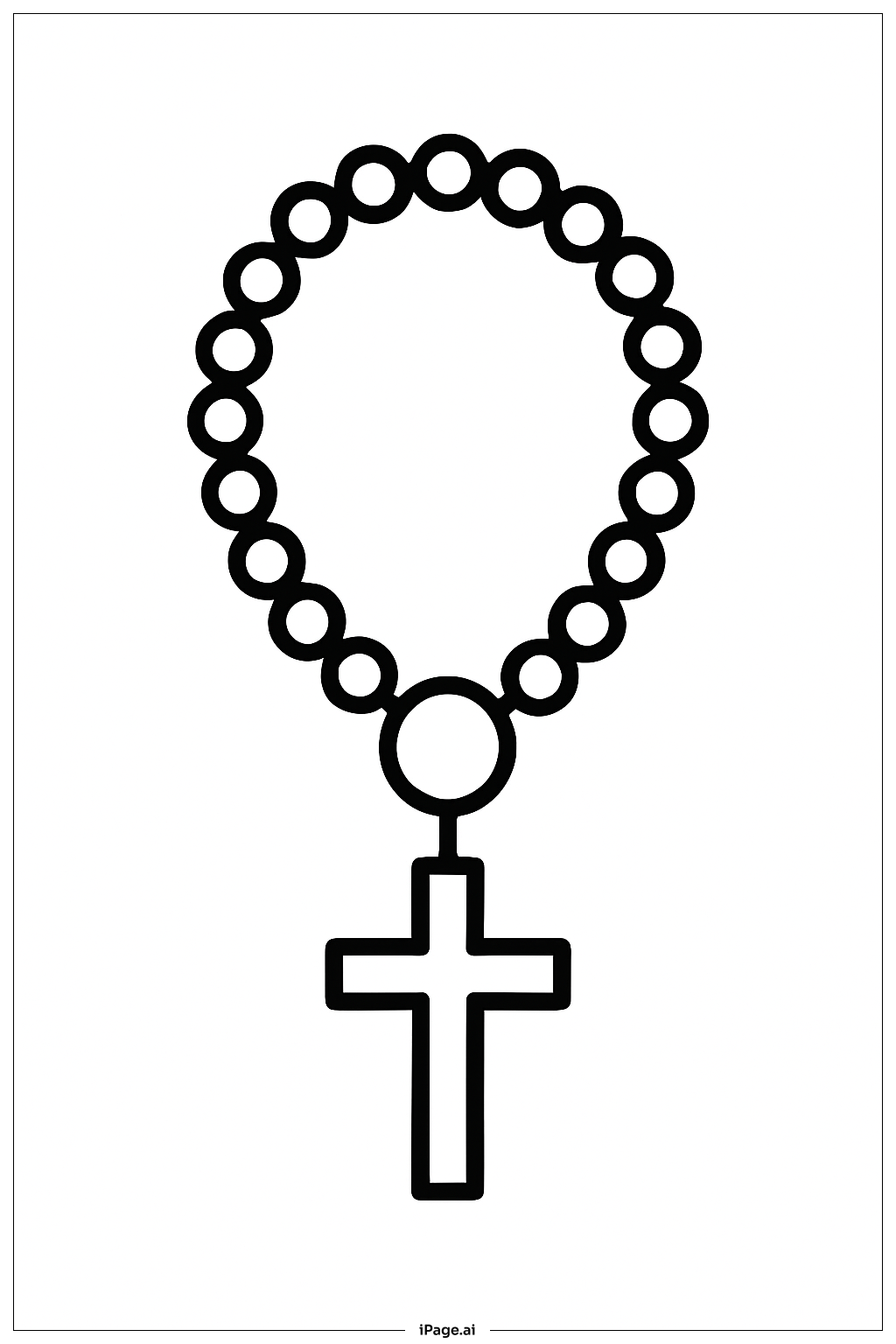
Coloring tips: How to color Rosary With Simple Medallion coloring page well?
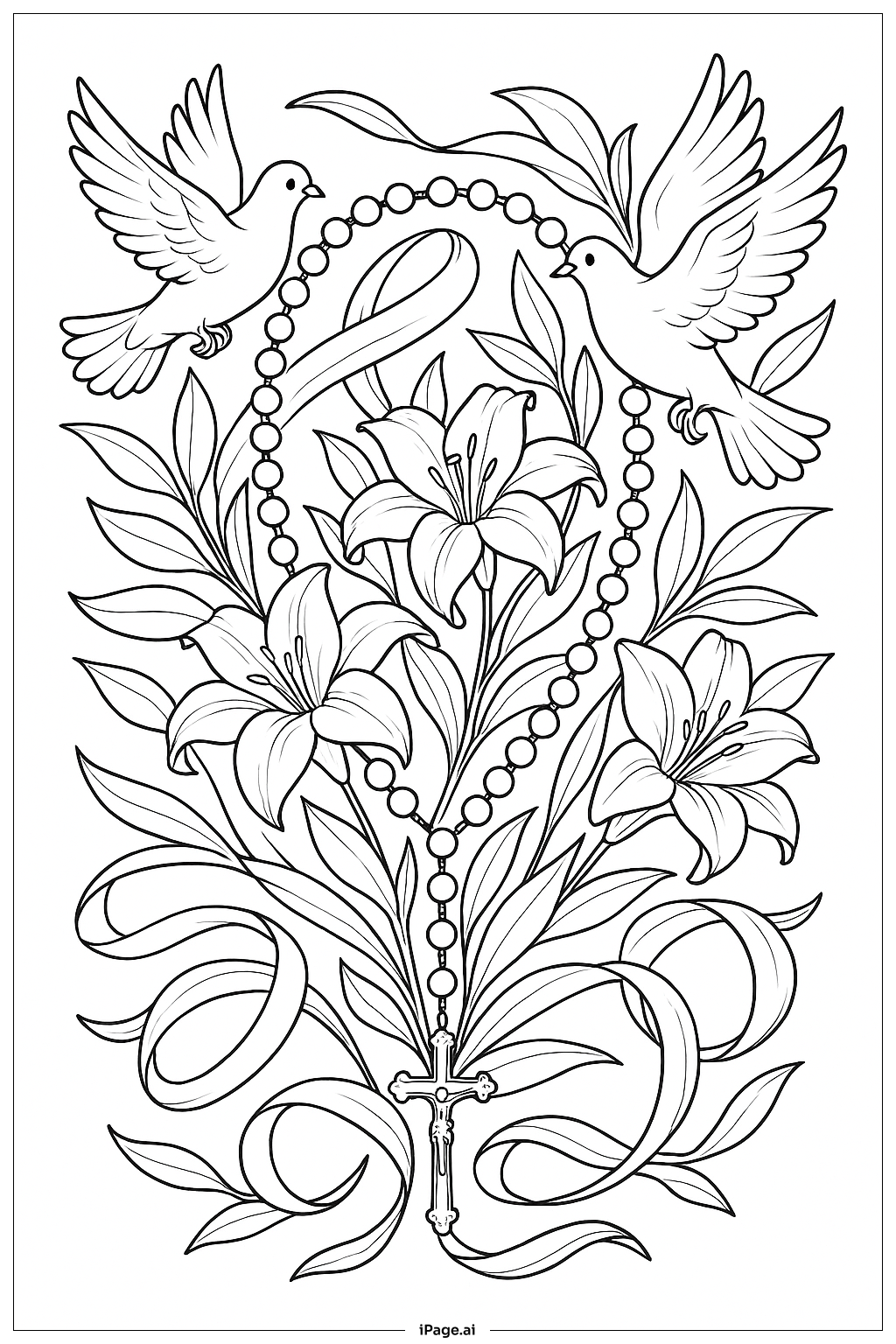
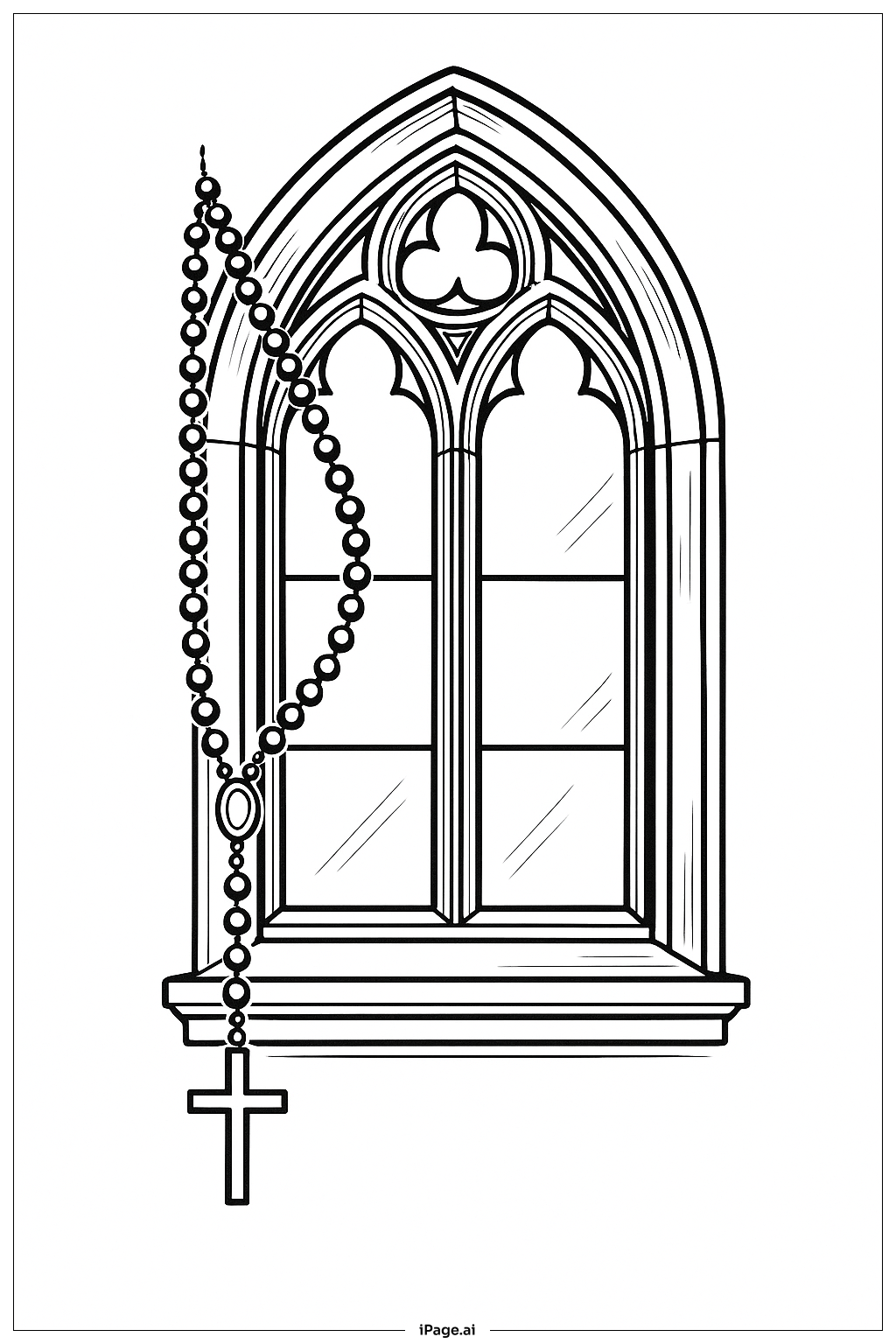
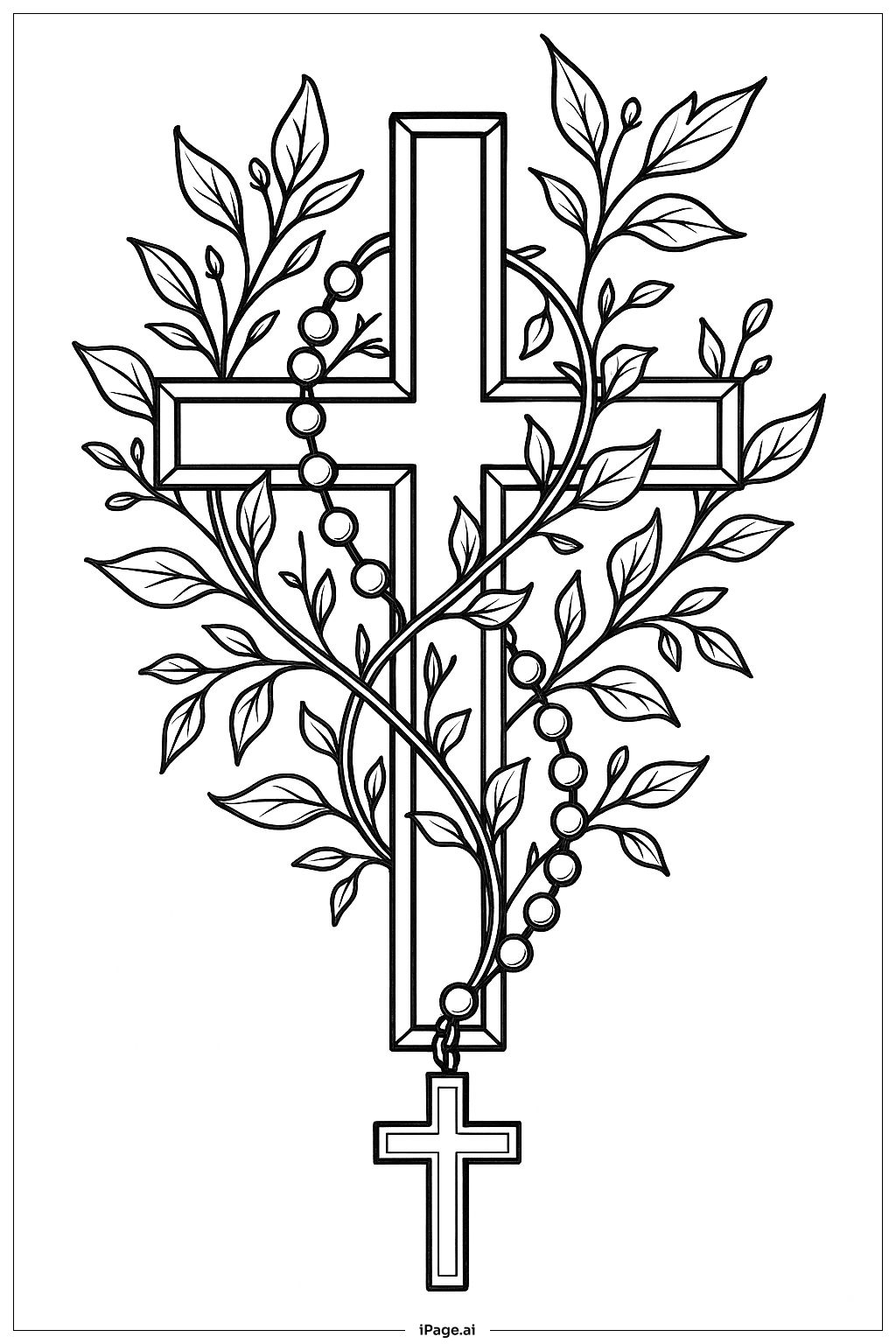
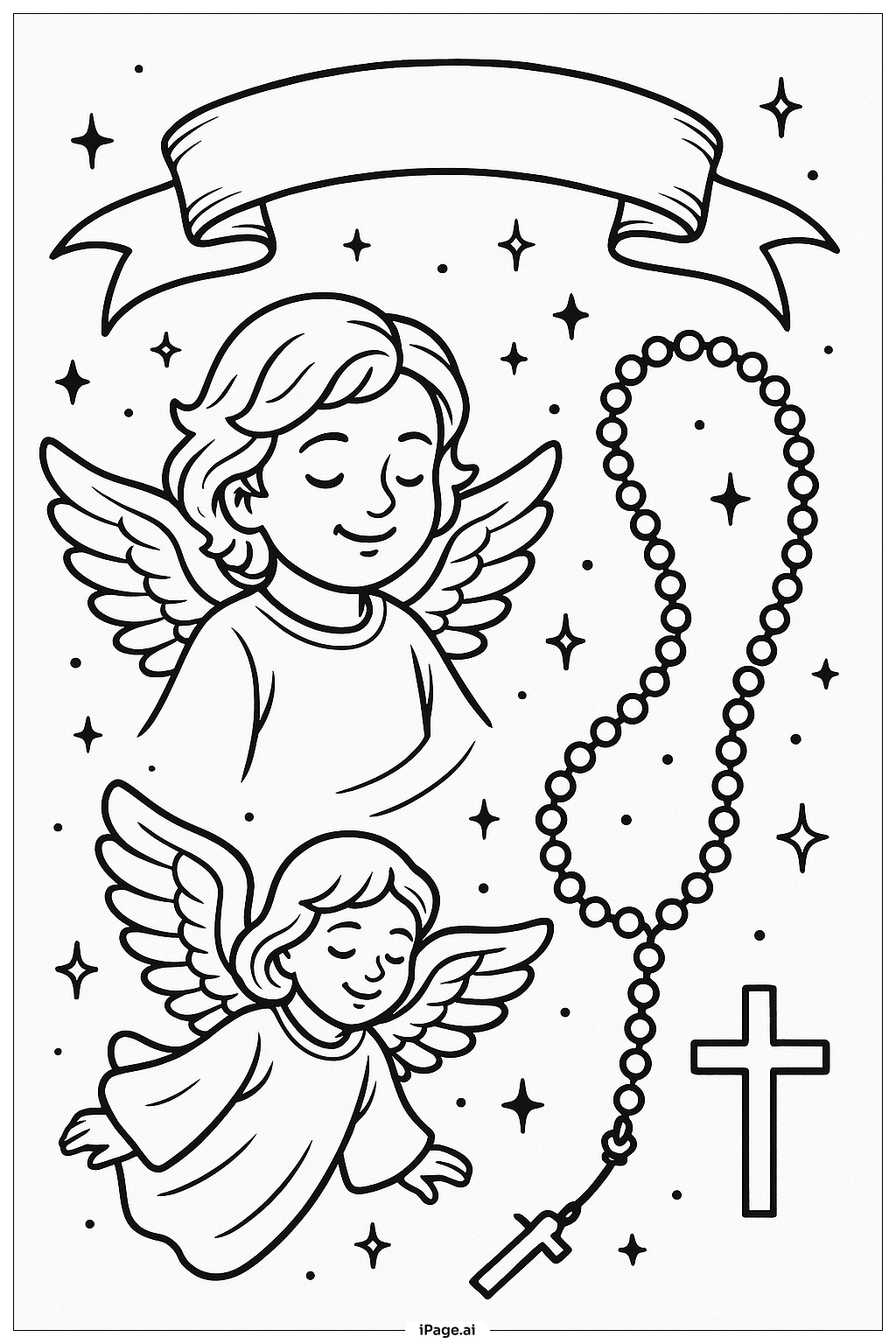
For this rosary coloring page, consider using rich, traditional colors that reflect its sacred nature. The beads can be colored in deep shades like pearl white, rose pink, sapphire blue, or amber brown to mimic real gemstones or wood. You might alternate colors between the larger and smaller beads to create visual rhythm. The medallion at the center offers an opportunity for metallic shades like gold, silver, or bronze. The crucifix can be colored in dark brown or black to represent wood, or in silver or gold tones for metal. The connecting chains or links between beads work well in silver or gold. For a more personalized touch, try using your favorite color for the beads while keeping the crucifix and medallion in classic metallic tones. Younger artists might enjoy experimenting with bright, cheerful colors like purple, green, or blue.
Coloring challenges: Which parts are difficult to color and need attention for Rosary With Simple Medallion coloring page?
• Small Bead Details: The rosary contains many individual beads that require careful coloring within small circular spaces. Younger children may find it challenging to stay within the lines of these tiny elements, and maintaining consistent color across all beads of the same type requires patience and steady hand control.
• Chain or Link Precision: The connecting elements between beads feature thin, delicate lines that can be difficult to color accurately. These narrow spaces require fine motor control and a sharp coloring tool. Applying color without overlapping into adjacent beads or leaving gaps demands concentration and precision.
• Crucifix Figure Details: The crucifix at the bottom contains the most intricate details of the entire image, including the figure of Christ and the cross structure. Coloring the small features of the figure while maintaining distinction between the body and the cross requires careful attention and possibly different shading techniques.
• Symmetry and Consistency: Maintaining color consistency across the entire rosary presents a unique challenge. With so many repeated elements, keeping bead colors uniform and ensuring both sides of the loop match requires planning and careful execution throughout the coloring process.
• Medallion Center Design: Though described as simple, the medallion may contain subtle details or borders that need attention. Creating depth and making the medallion stand out as the centerpiece requires thoughtful color choices that complement but don't overpower the surrounding beads.
Benefits of coloring books: Advantages of drawing Rosary With Simple Medallion coloring page
Coloring this rosary image offers wonderful benefits for children and adults alike. It helps develop fine motor skills and hand-eye coordination through the precise coloring of small beads and detailed elements. The repetitive nature of coloring multiple beads promotes patience, focus, and mindfulness, creating a calming, meditative experience. This activity introduces children to religious symbols and traditions in an engaging, hands-on way, fostering cultural and spiritual awareness. The symmetrical design helps develop an understanding of patterns and sequences. Completing this detailed image builds confidence and provides a sense of accomplishment. For many, coloring a rosary can be a peaceful, prayerful activity that combines creativity with quiet reflection. It also strengthens decision-making skills as colorists choose harmonious color combinations for the various elements, encouraging artistic expression within a meaningful context.