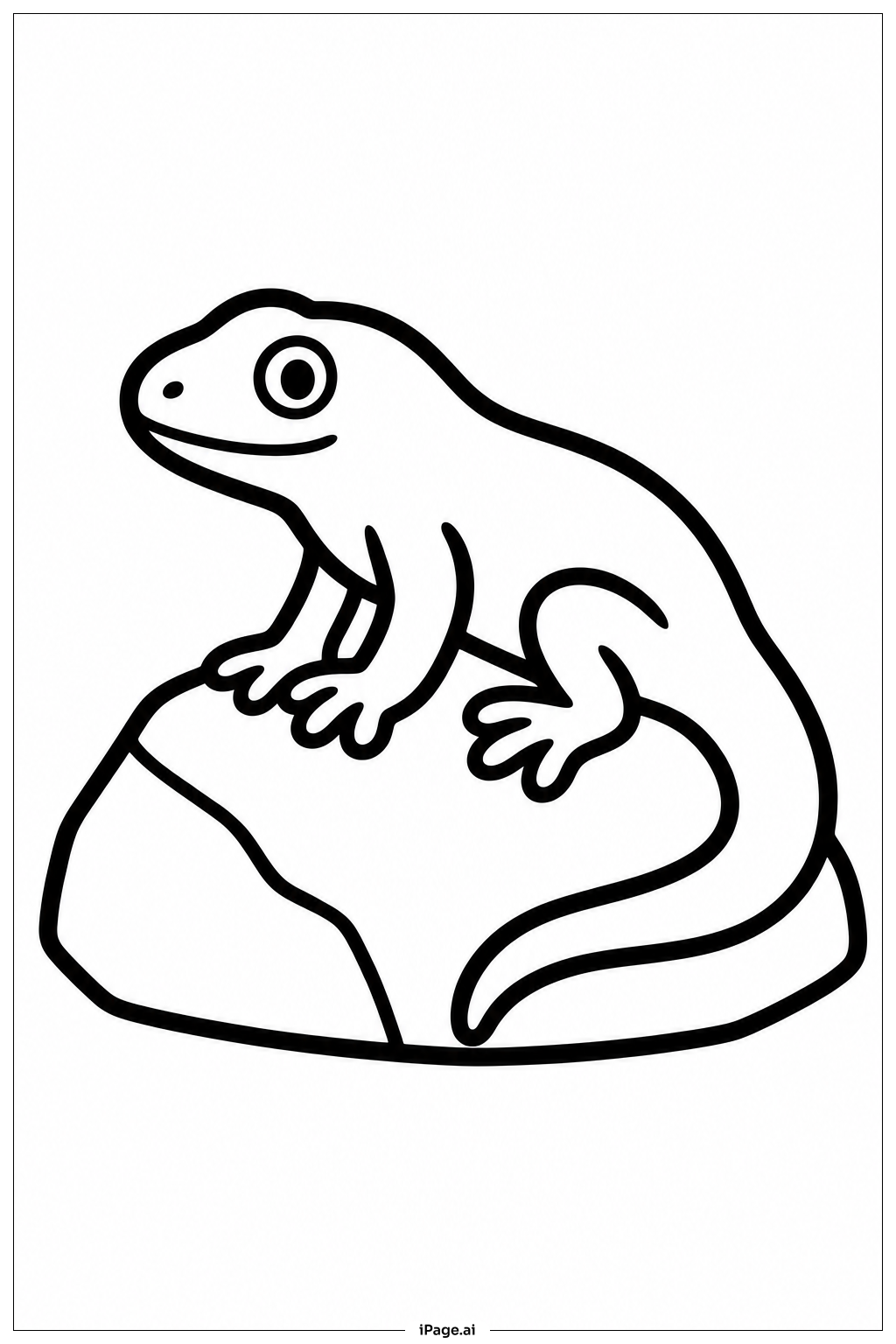
Coloring tips: How to color Rainforest Lizard coloring page well?
Start with the lizard's body using shades of green, such as lime green for the upper scales and darker forest green along the sides and underbelly. Add brown or olive tones to show shadows under the scales and give the body depth. The eye can be colored bright gold or amber with a dark pupil to make it pop. Use tan or cream for the belly area. For the branch, use medium and dark browns with hints of gray to suggest rough bark. The tropical leaves in the background look great in several shades of green, from bright yellow-green for leaves in sunlight to deep emerald for those in shade. Add a few touches of brown on leaf edges to suggest age. Vines can be done in muted greens or browns. Try blending colors gradually to make the lizard look three-dimensional. Kids can keep it simple with flat colors, while older colorists can experiment with shading and layering to create a more realistic rainforest scene.
Coloring challenges: Which parts are difficult to color and need attention for Rainforest Lizard coloring page?
• Scale Texture Complexity: The lizard's body is covered in dozens of small, overlapping scales. Coloring each scale individually while keeping consistent shading across the whole body is a real challenge. It requires a steady hand and patience, especially when trying to show highlights on raised scales and shadows in the gaps between them.\n\n• Achieving Depth and Dimension: Making the lizard look rounded and three-dimensional rather than flat is difficult. Colorists need to gradually transition from lighter tones on the top of the body to darker tones on the underside and sides. Without careful blending, the lizard can end up looking two-dimensional and unrealistic.\n\n• Intricate Claw and Toe Details: The lizard's feet and sharp claws are small but highly detailed. Staying within these tiny shapes without smudging nearby areas takes precision. Using fine-tipped colored pencils or thin markers is recommended for these sections.\n\n• Layered Background Foliage: The rainforest leaves and vines in the background overlap in complex ways. Deciding which leaves sit in front and which are behind others, and coloring accordingly with lighter or darker greens, requires planning. Coloring the background before the lizard can help avoid confusion about which layer belongs where.\n\n• Consistent Color Harmony: Balancing the greens of the lizard's body against the greens of the surrounding leaves is tricky. If the same shades are used for both, the lizard can blend into the background and lose visual impact. Choosing slightly different green tones or adding contrasting accents helps the lizard stand out clearly.
Benefits of coloring books: Advantages of drawing Rainforest Lizard coloring page
Coloring this Rainforest Lizard page offers a wide range of benefits for kids and older colorists alike. First, it builds fine motor skills. Carefully filling in the small scales and tight details trains hand control and pencil grip, which helps with handwriting and other precision tasks. Second, it encourages focus and patience. The detailed texture of the lizard and the layered jungle background require slow, steady work, helping children practice sitting still and concentrating on one task. Third, it sparks curiosity about nature. While coloring, children naturally start to wonder about real lizards, tropical rainforests, and the animals that live there. This can open the door to learning about wildlife, ecosystems, and conservation. Fourth, it supports creativity and color awareness. Choosing which greens, browns, and gold tones to use develops an eye for color mixing and contrast. Finally, coloring is calming. The quiet, repetitive motion of coloring helps reduce stress and anxiety, making it a healthy and enjoyable activity for all ages. Whether it takes ten minutes or an hour, finishing this page gives a real sense of accomplishment.