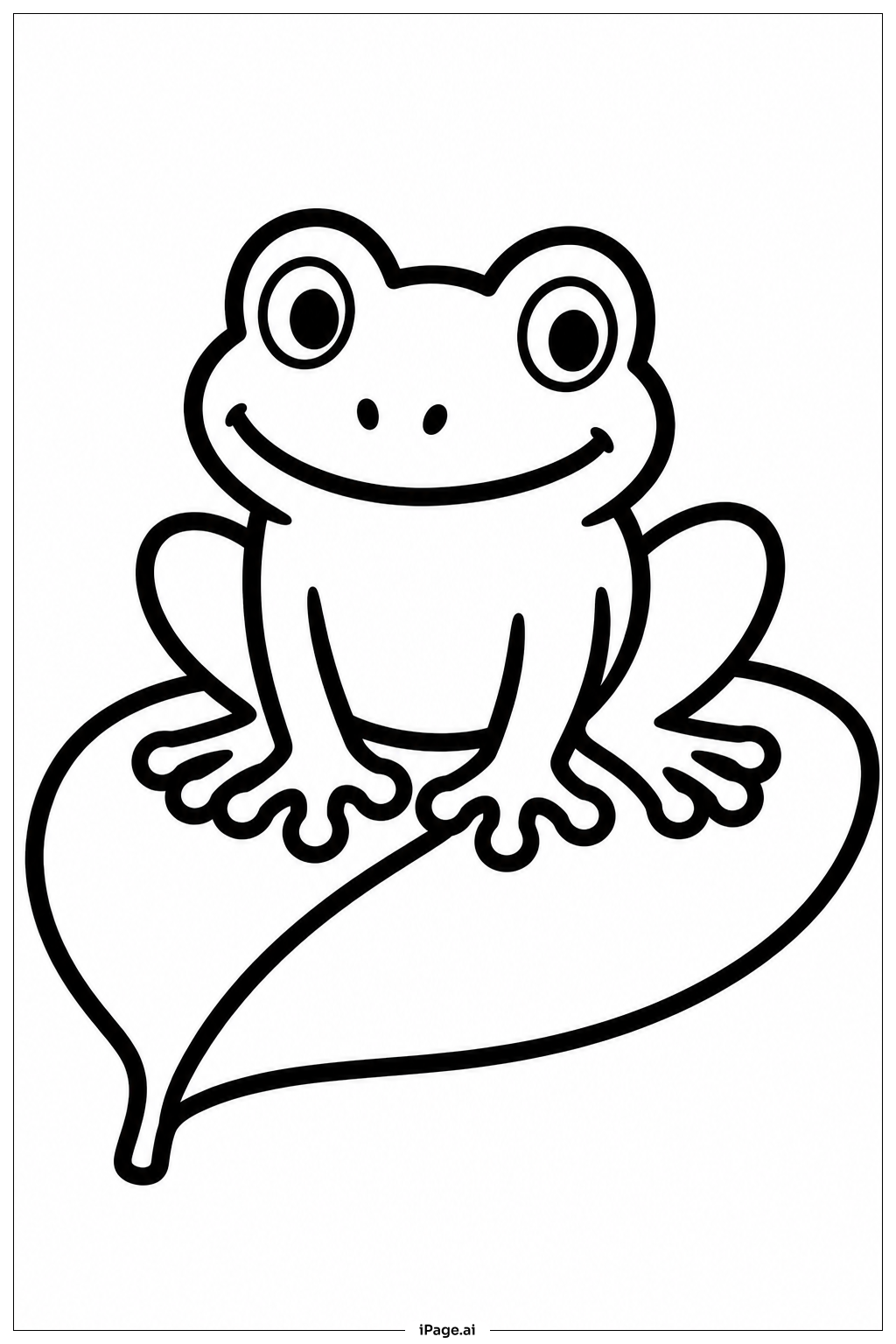
Coloring tips: How to color Rainforest Frog coloring page well?
Start with the frog's body using bright greens or bold blues — poison dart frogs are famous for their vivid colors! You can also try red, orange, or yellow if you want a really eye-catching frog. Use a darker shade of the same color to add depth to the belly and underside of the legs. Color the large eyes with golden yellow or amber, and add a tiny white dot to make them look shiny and alive. For the leaf, use different shades of green — lighter in the center and darker at the edges. The background plants and vines can be deep forest green or teal. Add small splashes of bright color to the flowers. Try blue, purple, or pink to make them pop. Water droplets can be left lightly shaded or colored pale blue. Don't be afraid to mix colors and experiment — rainforest creatures are some of the most colorful animals on Earth!
Coloring challenges: Which parts are difficult to color and need attention for Rainforest Frog coloring page?
• Frog's Body Patterns: The frog features detailed spots, stripes, or markings across its back and sides. Staying inside these small pattern areas requires a steady hand and careful control. Using fine-tipped colored pencils or thin markers will help you color each section cleanly without bleeding into neighboring areas.
• Large Expressive Eyes: The frog's big round eyes have multiple layers — the outer ring, the iris, the pupil, and a highlight dot. Coloring each layer separately with precision can be tricky, especially in such a small space. Take your time and use sharpened pencils to keep the details clear.
• Leaf Texture and Veins: The tropical leaf the frog sits on has fine vein lines running across its surface. Coloring around these thin veins while keeping a natural gradient from light to dark green takes patience. Try coloring the veins last or leaving them as light lines to give the leaf a realistic feel.
• Dense Background Foliage: The background is filled with overlapping plants, vines, and flowers. Deciding which areas to color differently so they stand out from one another can be challenging. Use a variety of green shades and add pops of color to flowers so each element is distinct and easy to see.
• Water Droplets: The tiny water droplets on the leaf surface are small and rounded. Coloring them with just a hint of pale blue or leaving a small white highlight makes them look realistic, but getting that effect in such a small shape requires careful, light-handed shading.
Benefits of coloring books: Advantages of drawing Rainforest Frog coloring page
Coloring this rainforest frog image offers wonderful benefits for children and young artists of all ages. Working on the frog's intricate patterns and the lush jungle background helps build fine motor skills and hand-eye coordination. Carefully guiding a pencil or marker through detailed areas strengthens the small muscles in the hands and fingers, which supports writing and other everyday tasks.
Choosing colors for the frog sparks creativity and imagination. Since tropical frogs come in almost every color of the rainbow, children feel free to explore bold and unusual color combinations without worrying about being "wrong." This freedom builds confidence and encourages artistic expression.
Learning about rainforest animals while coloring also makes the activity educational. Kids naturally become curious about why some frogs are so brightly colored and what life in the rainforest looks like. This curiosity can inspire further reading and a deeper love of nature and science.
The focused, quiet nature of coloring also promotes mindfulness and emotional calm. Spending time on a detailed illustration like this one helps children practice concentration and patience. Completing the page gives a satisfying sense of achievement, boosting self-esteem and motivating them to take on new creative challenges. It is a fun, enriching activity the whole family can enjoy together.