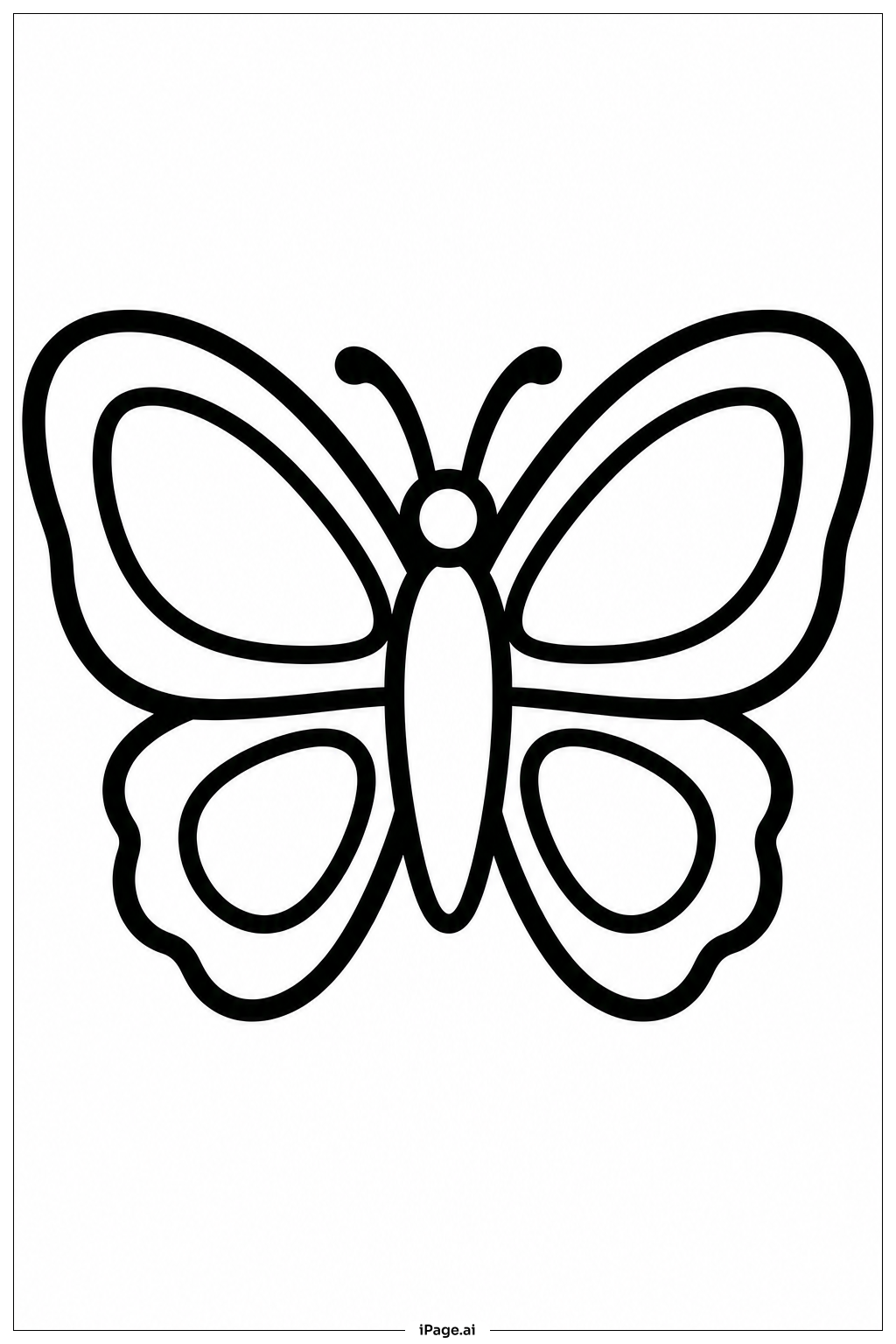
Coloring tips: How to color Rainforest Butterfly coloring page well?
Start with the butterfly's wings before moving to the background leaves. For the wings, try bright, vivid colors like orange, yellow, electric blue, or deep purple — rainforest butterflies are known for their bold, striking patterns. Use a darker shade along the wing edges and a lighter tone toward the center to create a natural gradient effect. Add contrasting colors to the eyespots to make them pop. For the circular patterns, try using two complementary colors side by side. The vein lines can be left white or colored in a subtle dark tone like brown or black to define structure. For the tropical leaves, use multiple shades of green — lime, forest green, and olive — to give them a layered, lush look. If you want extra flair, add a touch of yellow or gold highlighting to the leaf tips. This image works beautifully for both bold, colorful styles and softer, pastel approaches.
Coloring challenges: Which parts are difficult to color and need attention for Rainforest Butterfly coloring page?
Coloring this rainforest butterfly image comes with several challenges that require patience and care. Here are the key difficulties to keep in mind:
• Wing Pattern Symmetry: The butterfly's wings feature mirror-image patterns on both sides. Keeping colors balanced and symmetrical between the left and right wings takes concentration. A small difference in shading or color choice can make the wings look uneven, so it helps to plan your color palette before you start.
• Intricate Vein and Line Details: The wings are filled with fine vein lines that divide the surface into many small sections. Coloring within these narrow spaces without going over the lines requires a sharp pencil or a fine-tipped marker. This is especially tricky in the areas near the wing tips where the sections get very small.
• Eyespot Shading: The circular eyespots on the wings need careful layering of colors to look realistic and three-dimensional. Getting the gradient from a dark outer ring to a lighter or brighter center takes practice and the right blending technique.
• Scalloped Wing Edges: The outer edges of the wings have a soft, scalloped shape with small curves and notches. Staying within these curved outlines while applying color neatly can be difficult, particularly for younger colorists or those using thicker tools like crayons.
• Leaf and Background Depth: The tropical leaves surrounding the butterfly have overlapping layers. Choosing slightly different shades of green for each leaf and adding shadow where they overlap helps create depth, but it requires thoughtful color planning to avoid a flat or muddy result.
Benefits of coloring books: Advantages of drawing Rainforest Butterfly coloring page
Coloring this rainforest butterfly page offers a wide range of benefits for kids and adults alike. For younger children, filling in the large wing sections helps build hand control and fine motor skills. Staying within the detailed vein lines and small pattern areas trains focus and patience — skills that carry over into school and everyday tasks. Choosing colors for the wings encourages creative thinking and builds confidence in personal expression. There is no single right answer, so kids learn to trust their own ideas.
For older children and teens, the symmetrical wing design introduces the concept of balance and visual harmony. Blending colors to create gradients on the eyespots develops an understanding of light, shadow, and depth.
For adults, the repetitive, flowing patterns of the butterfly wings provide a calming, meditative experience. Focusing on each small section helps quiet a busy mind and reduce stress. Completing the full image also gives a satisfying sense of achievement.
Learning about the butterfly's natural colors can also spark curiosity about rainforest ecosystems, making this a fun way to connect art with nature and science. Overall, this coloring page is both relaxing and enriching for all ages.