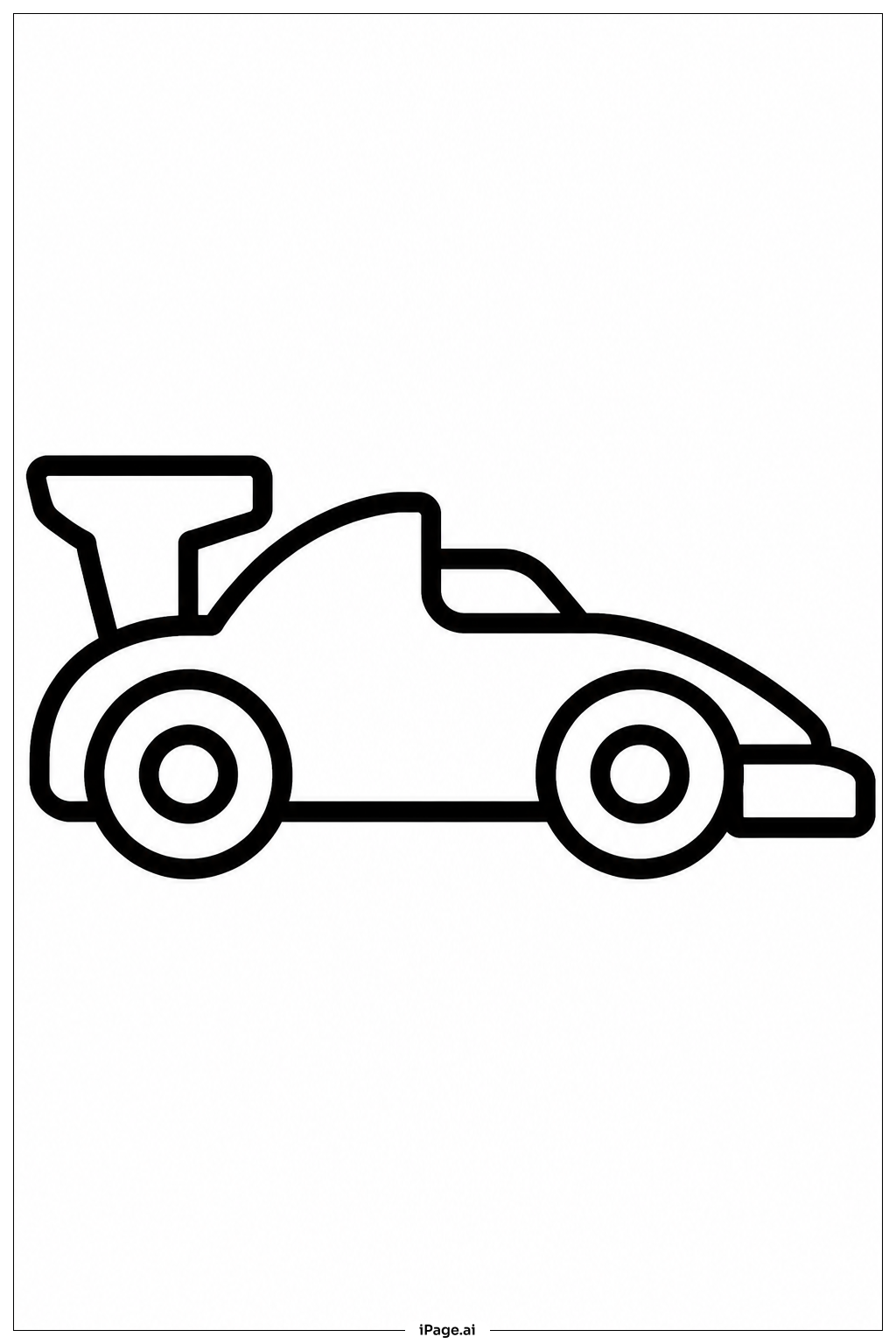
Coloring tips: How to color Race Car Minimal Profile coloring page well?
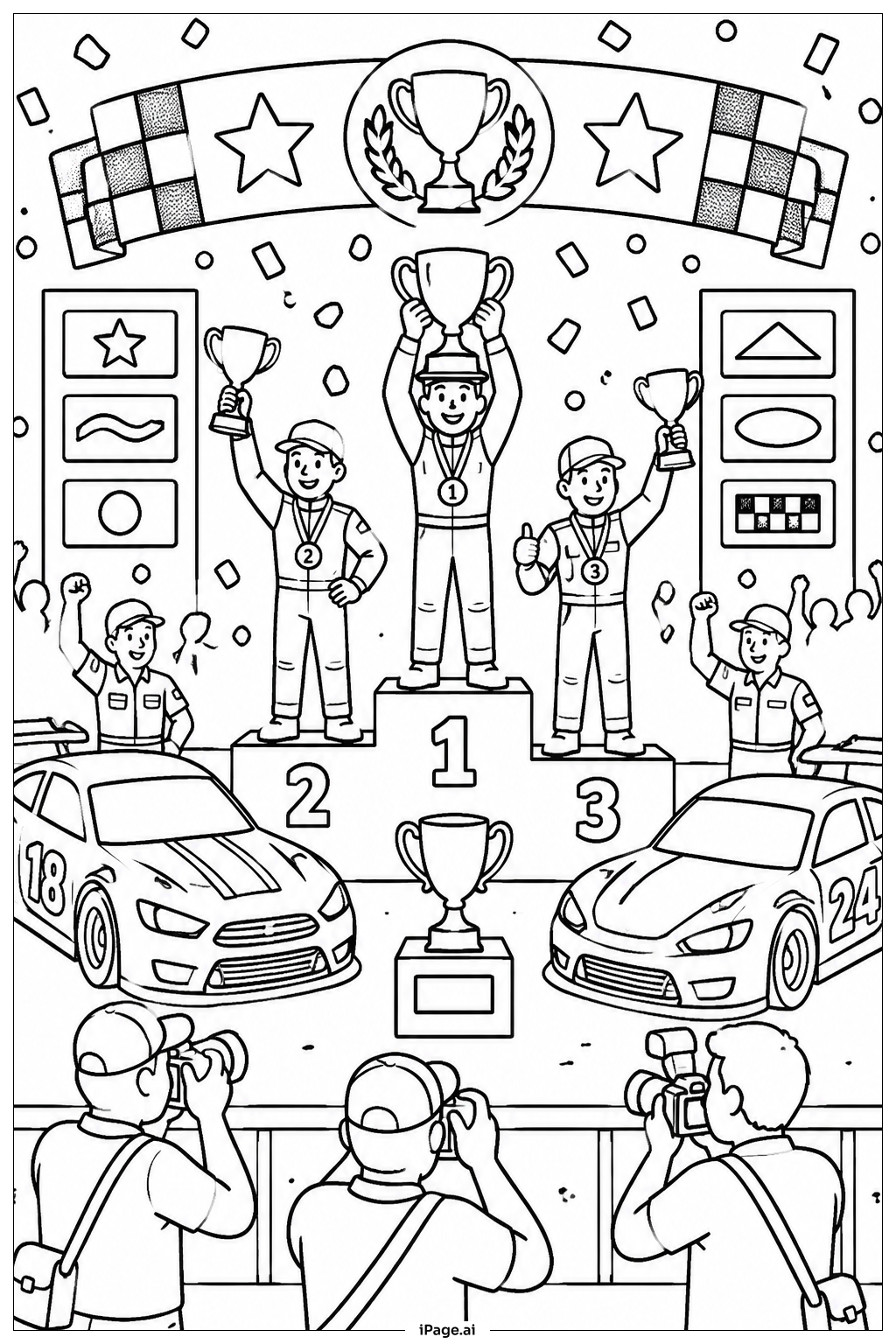
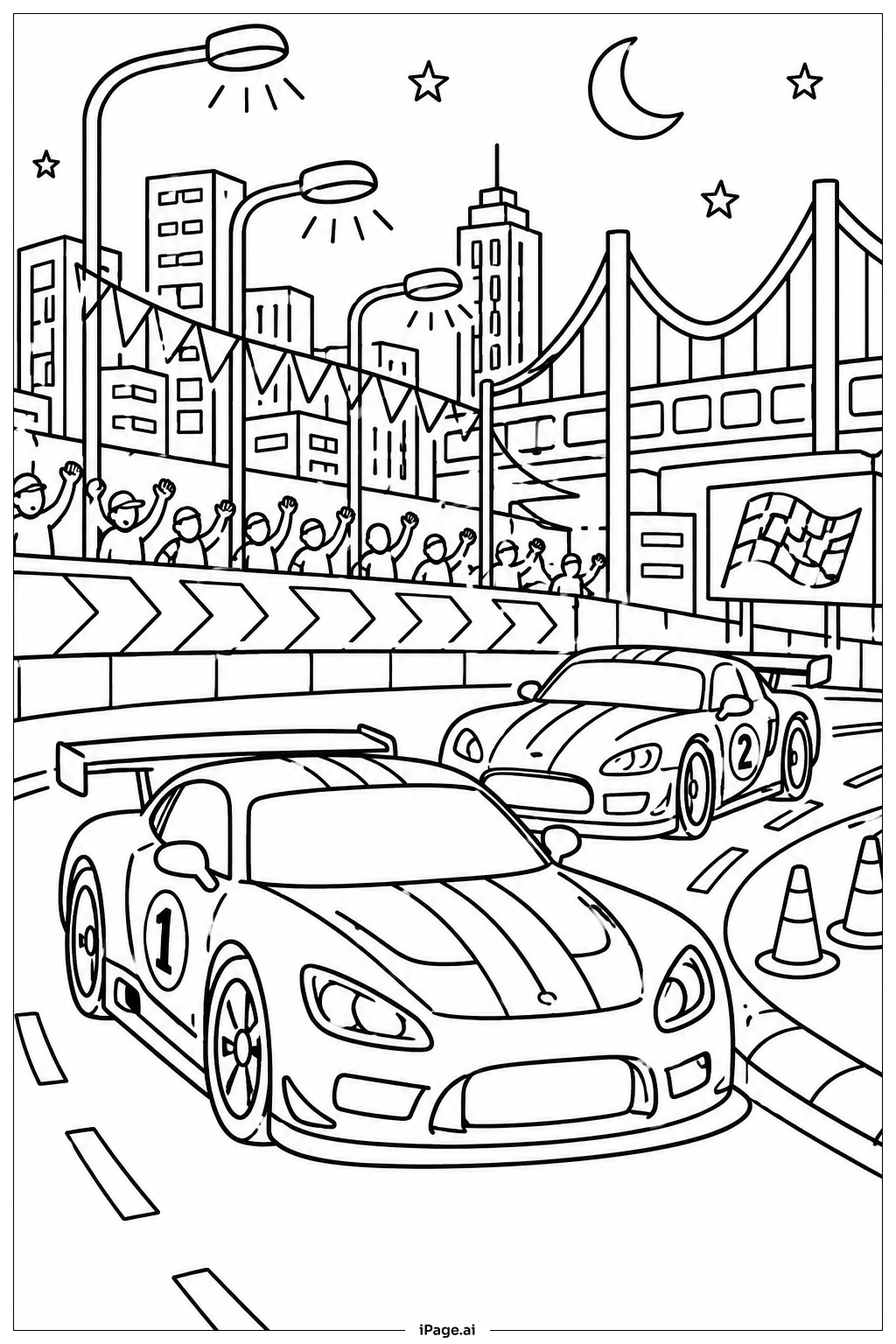
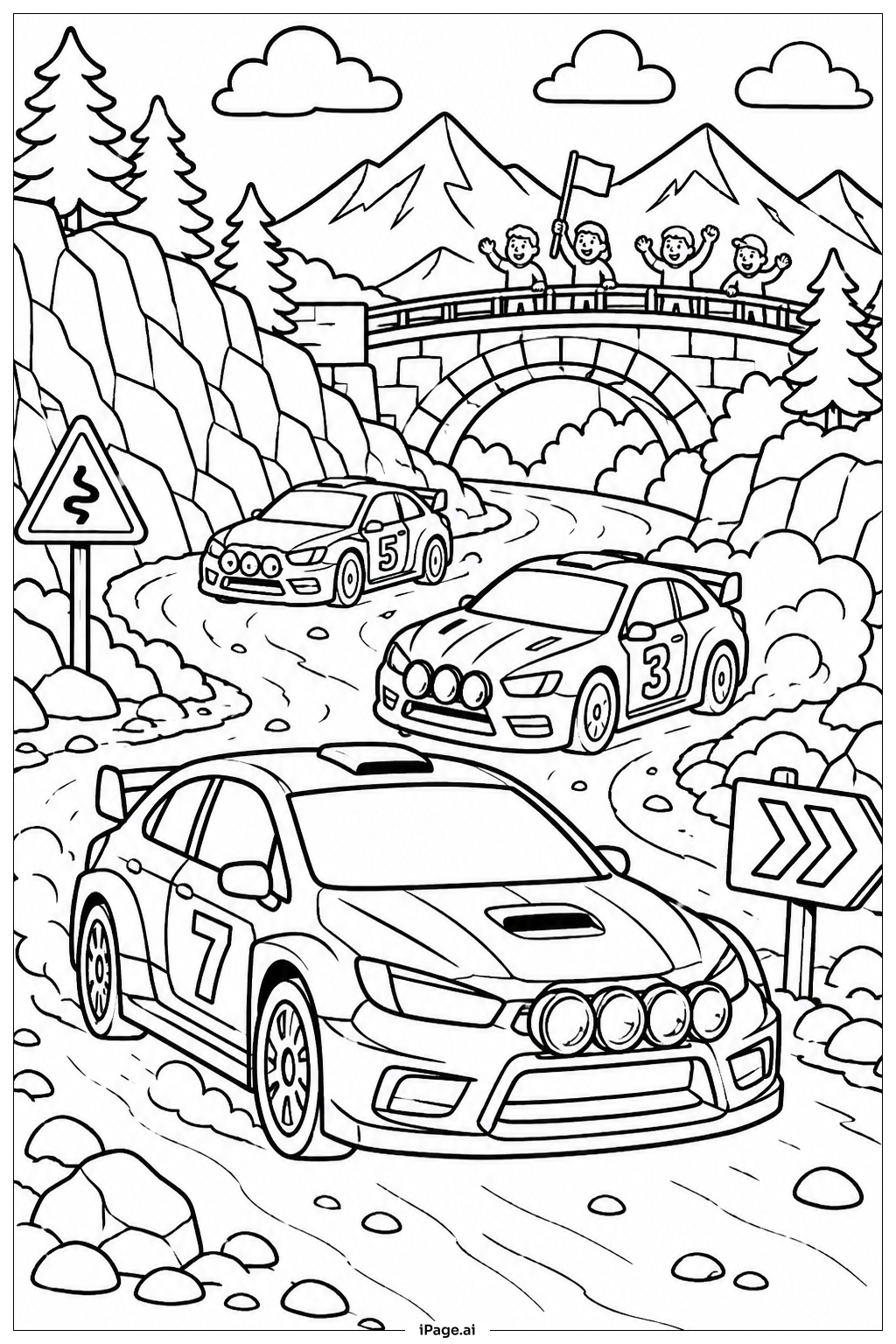
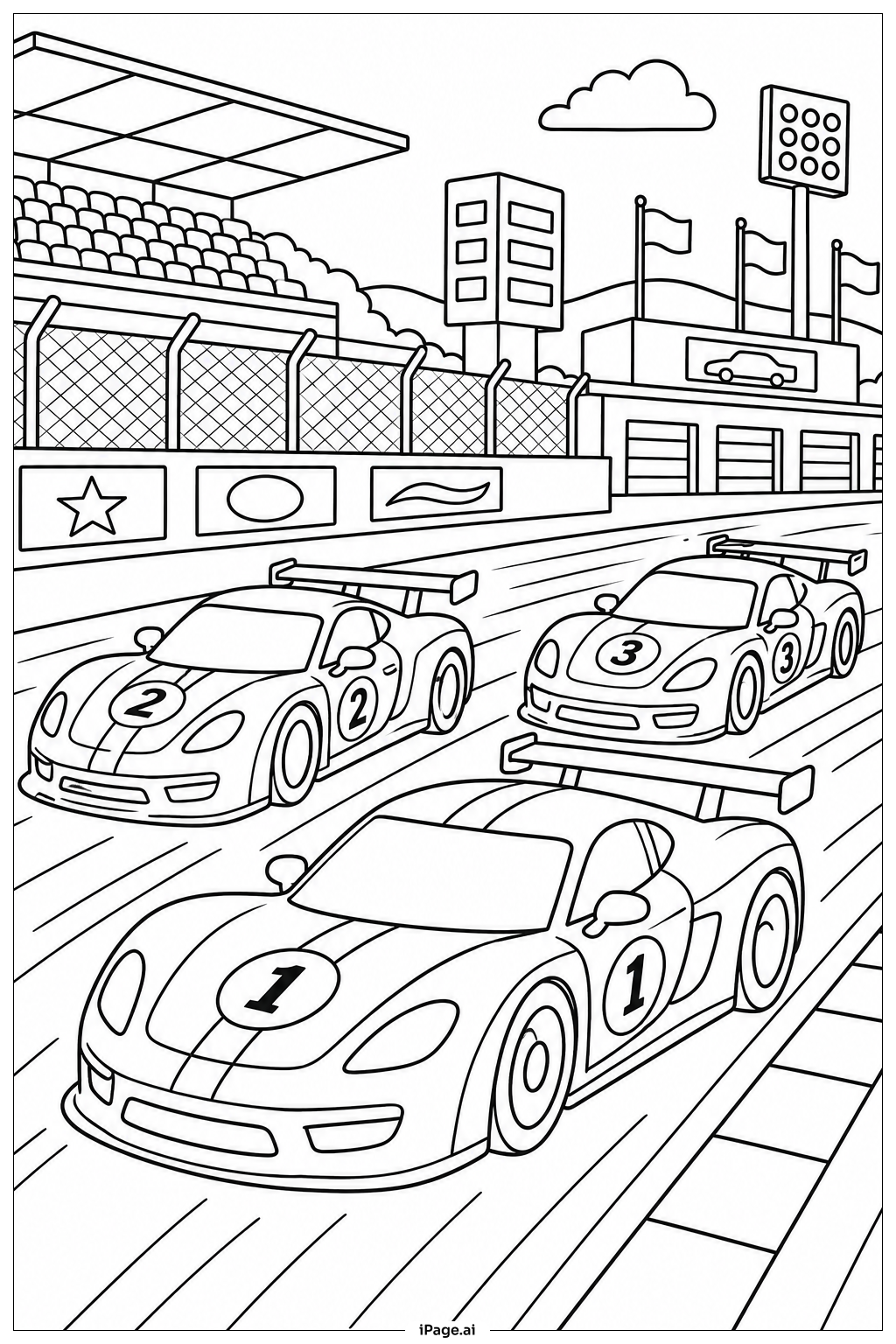
Start with the car body and pick one bold main color. Red, blue, yellow, or orange all look great on race cars. Use a slightly darker shade of the same color along the bottom edge of the body to add a little depth and shadow. Color the wheels dark gray or black for a realistic look. The rims can be silver, gold, or a bright accent color to make them pop. Add racing stripes down the side using a contrasting color like white or yellow. The cockpit window area can be colored light blue or tinted gray to suggest glass. If you want to go creative, try a gradient effect on the body, blending two colors from front to back. Keep the lines clean and steady, especially around the wheel arches and the front nose. Finish with small details like a dark outline effect to make the car stand out on the page.
Coloring challenges: Which parts are difficult to color and need attention for Race Car Minimal Profile coloring page?
• Staying Inside the Curved Body Lines: The race car's body has smooth, flowing curves rather than straight edges. Keeping color neatly inside these curves can be tricky, especially around the front nose and the roofline. Work slowly along the edges with the tip of your coloring tool before filling in the larger areas.
• Coloring the Wheel Rims: The rims are small and have circular or spoke-like detail packed into a tight space. Using a fine-tipped marker or a sharp colored pencil is important here. Rushing through this area can result in colors bleeding into each other or the details getting lost.
• Creating Depth on a Flat Surface: Because the design is minimal and the body panels are large and smooth, the car can look flat if filled with a single flat color. Adding subtle shading along the lower edges and highlights near the top of the roof helps give the car a three-dimensional feel. This technique requires some patience and practice.
• Balancing the Color Scheme: A race car looks best when the colors work together across the whole body, wheels, and cockpit. Choosing colors that clash or using too many different colors can make the design look busy and unbalanced. Thinking through your color choices before you start helps keep the final result looking sharp and cohesive.
• Coloring the Cockpit Area: The cockpit opening is a small, defined shape sitting on top of the car body. Applying color cleanly inside this small zone without overlapping onto the body requires a careful hand and a pointed tool.
Benefits of coloring books: Advantages of drawing Race Car Minimal Profile coloring page
Coloring this Race Car Minimal Profile page offers a range of great benefits for kids and young artists. The bold, simple shapes make it an approachable page for younger children who are still developing their fine motor skills. Staying inside the clean lines helps build hand control and pencil grip strength over time. For older kids, the challenge of shading, blending colors, and designing a realistic racing livery encourages creative thinking and planning skills. Deciding on a color scheme before starting teaches basic design thinking, an important skill in art and beyond. The large open body panels give beginners a satisfying area to fill in quickly, building confidence early in the activity. Working through the smaller details like the rims and cockpit then adds a rewarding challenge. Focusing on the coloring process also helps children practice patience and concentration. The subject itself, a fast and exciting race car, naturally sparks imagination and storytelling, inspiring kids to think about drivers, races, and speed. Overall, this page combines fun with real developmental value, making it a great choice for a creative session at home or in the classroom.