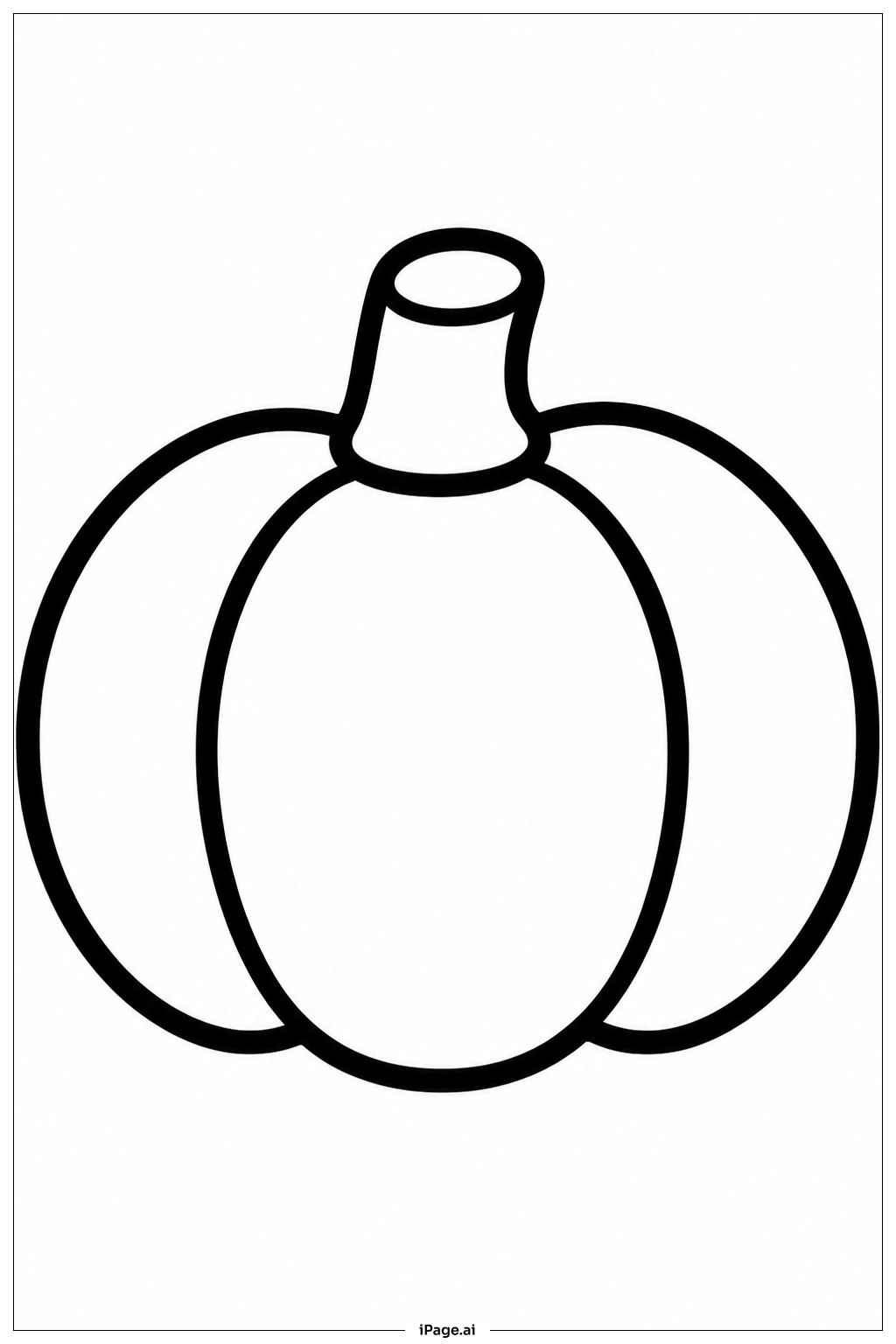
Coloring tips: How to color Tiny Baby Pumpkin coloring page well?
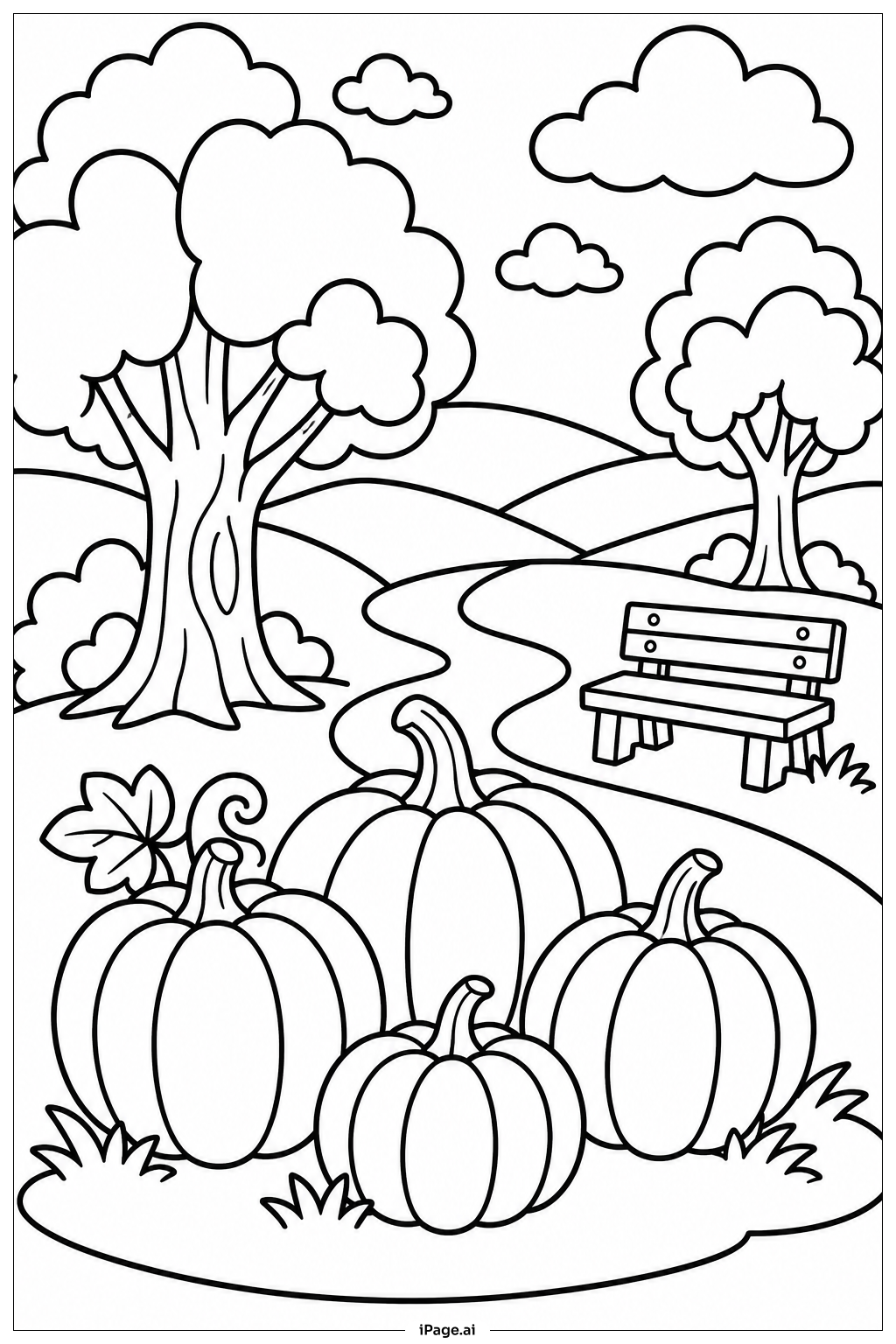
For coloring this Tiny Baby Pumpkin, use warm shades like bright orange and soft yellow to make the pumpkin stand out. You can add gentle touches of green or brown to the stem and vines to make them look natural. Try blending light and dark shades of orange to create a realistic round effect on the pumpkin’s surface. The leaves can be colored in different greens to show variety. Feel free to add fun background colors like light blue for the sky or soft brown to represent soil. Remember, your colors can be bright or soft—there is no right or wrong way to bring this pumpkin to life.
Coloring challenges: Which parts are difficult to color and need attention for Tiny Baby Pumpkin coloring page?
• Small Details: The tiny stem and vine curls are delicate and can be hard to color without going outside the lines.
• Texture Representation: Capturing the pumpkin’s curved shape and subtle ridges using color shading may be challenging for beginners.
• Leaf Variation: Coloring the leaves to show differences in size and shape requires careful attention to details.
• Limited Space: Because the pumpkin is small, working within the small areas requires good control and patience.
• Color Blending: Making the orange shades blend smoothly to give a three-dimensional effect can be difficult but rewarding with practice.
Benefits of coloring books: Advantages of drawing Tiny Baby Pumpkin coloring page
Coloring this Tiny Baby Pumpkin helps develop fine motor skills by encouraging careful coloring inside small shapes. It promotes creativity as children choose their own colors and decide how to shade the pumpkin and its surroundings. Working on the details encourages focus and patience. This activity also connects kids with nature by familiarizing them with pumpkins and garden plants. Overall, this image provides a fun and calming way to practice artistic skills while celebrating autumn’s charm.