Coloring tips: How to color Pumpkin Picking Day coloring page well?
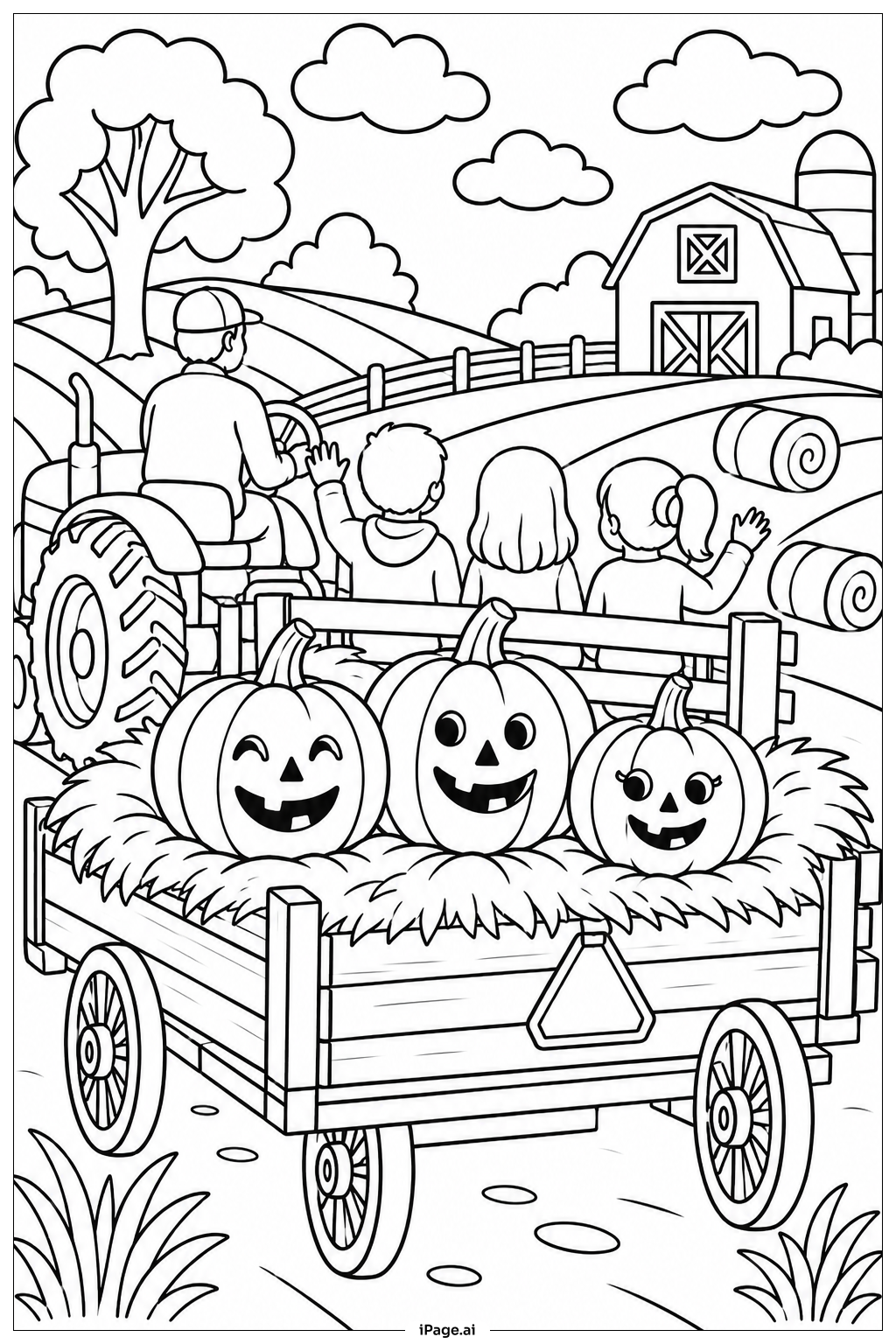
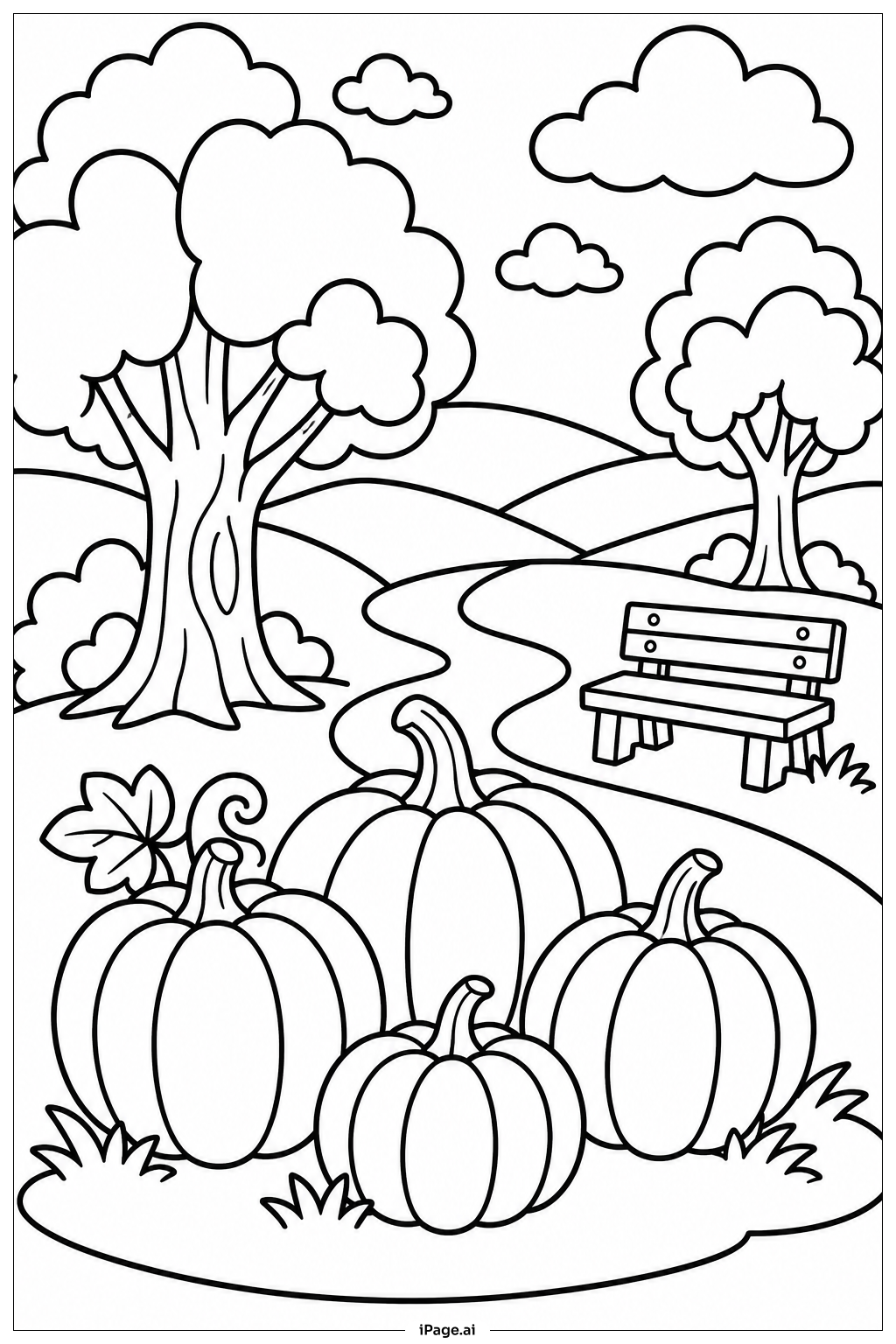
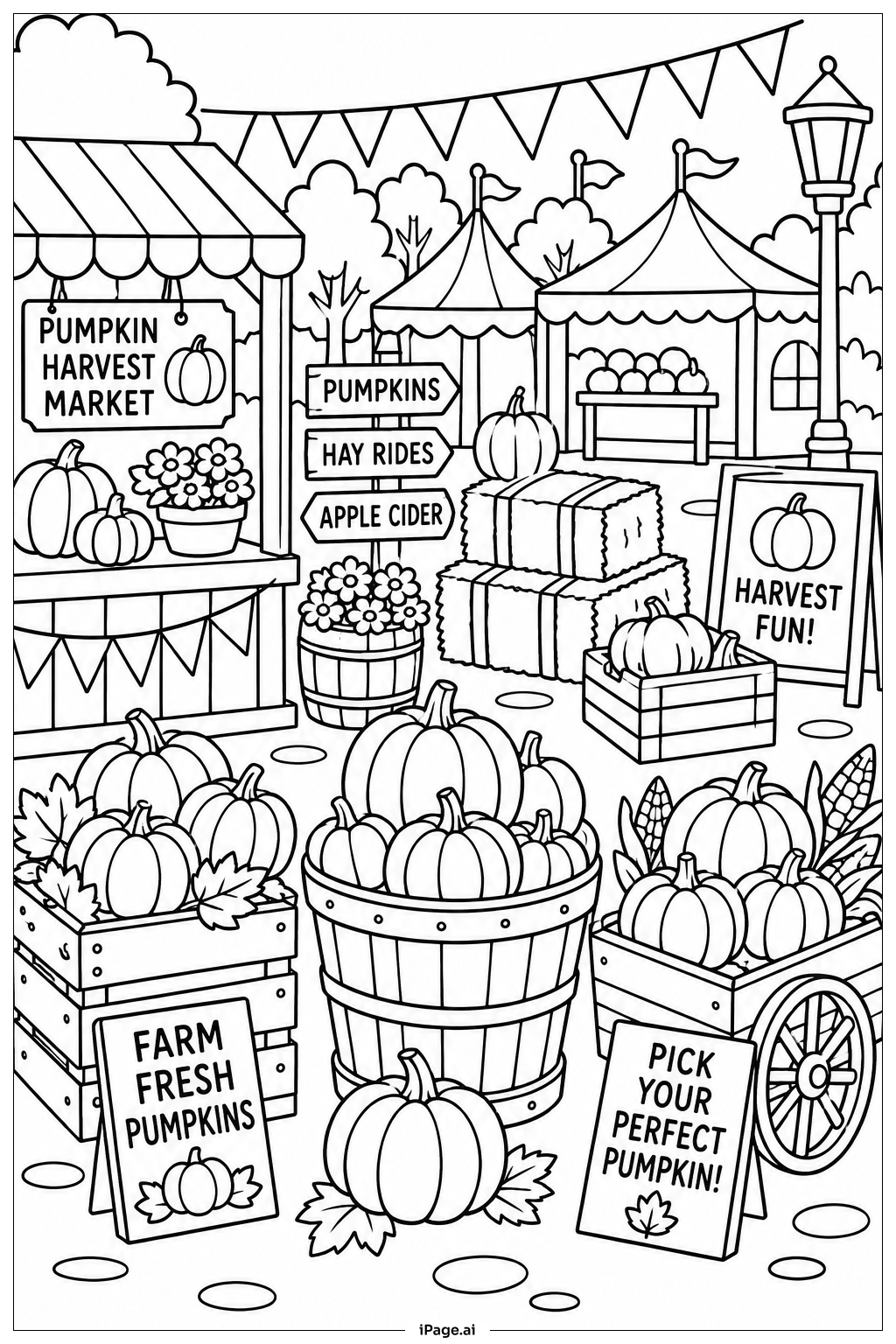
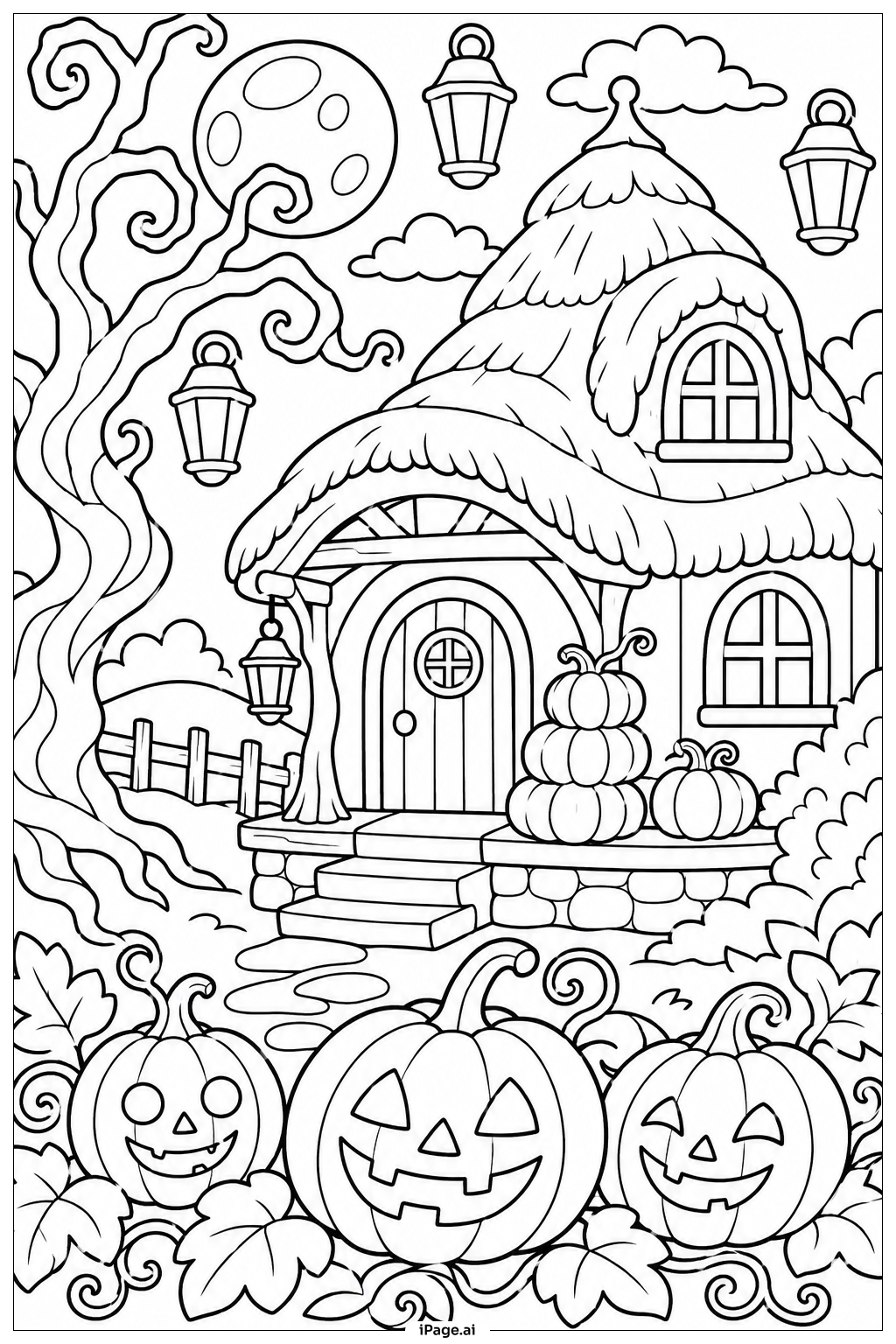
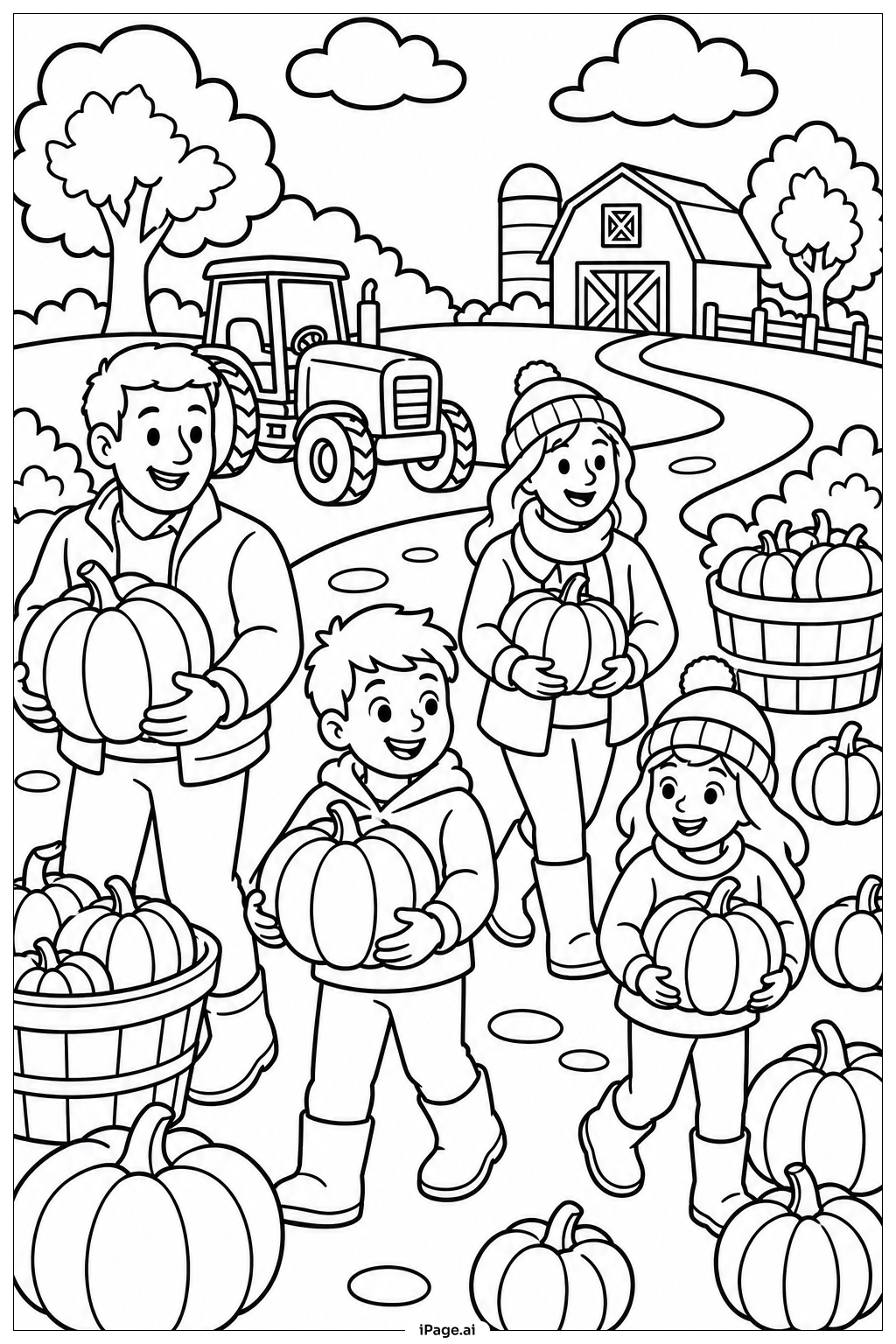
For this image, use bright and warm colors to capture the spirit of Pumpkin Picking Day. Color the pumpkins using shades of orange to show their round, plump shapes. Try adding yellows or reds in some parts to give them a lively look. Use greens of different tones for the leaves and vines, making the patch feel rich and lively. The children can have colorful clothes, like reds, blues, or purples, to add variety. Add brown or beige for the ground and light blues or yellows for the sky to keep the picture cheerful. You can also use light green or yellows for the grass and plants to make everything feel fresh and full of life.
Coloring challenges: Which parts are difficult to color and need attention for Pumpkin Picking Day coloring page?
• Pumpkin Shapes: The pumpkins have round curves and some overlapping vines, which can be tricky to color neatly and keep the edges clear.
• Leaf and Vine Details: The many small leaves and curling vines require careful coloring to avoid coloring outside the lines and to capture their delicate shapes.
• Children’s Clothing: The clothes have folds and small areas that need attention to make the colors look realistic and lively.
• Background Elements: Trees and grass in the background need a variety of greens and browns, which can be challenging to blend well and keep consistent.
• Light and Shadow: To make the pumpkins and scene look three-dimensional, shading is helpful but can be difficult for younger children still learning color blending techniques.
Benefits of coloring books: Advantages of drawing Pumpkin Picking Day coloring page
Coloring this Pumpkin Picking Day image helps kids practice fine motor skills as they carefully color round shapes and small details. It encourages creativity through choosing different shades for the pumpkins and nature around them. The scene also teaches about autumn harvest traditions and the joy of being outdoors. Coloring the image can improve focus and patience, especially when working on detailed leaves and vines. Overall, it’s a fun way for children aged 4 to 16 to explore colors, enjoy seasonal themes, and express themselves artistically.