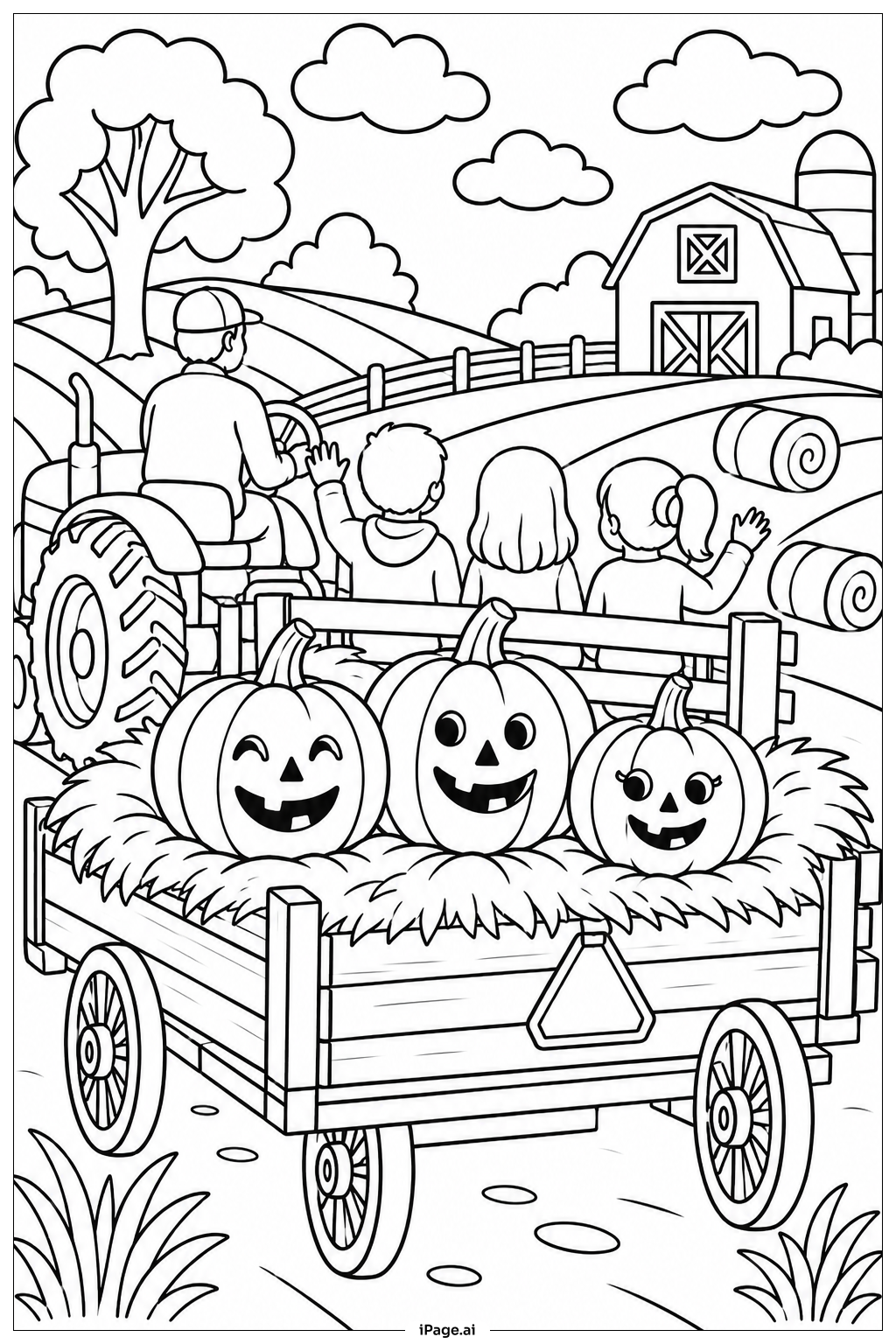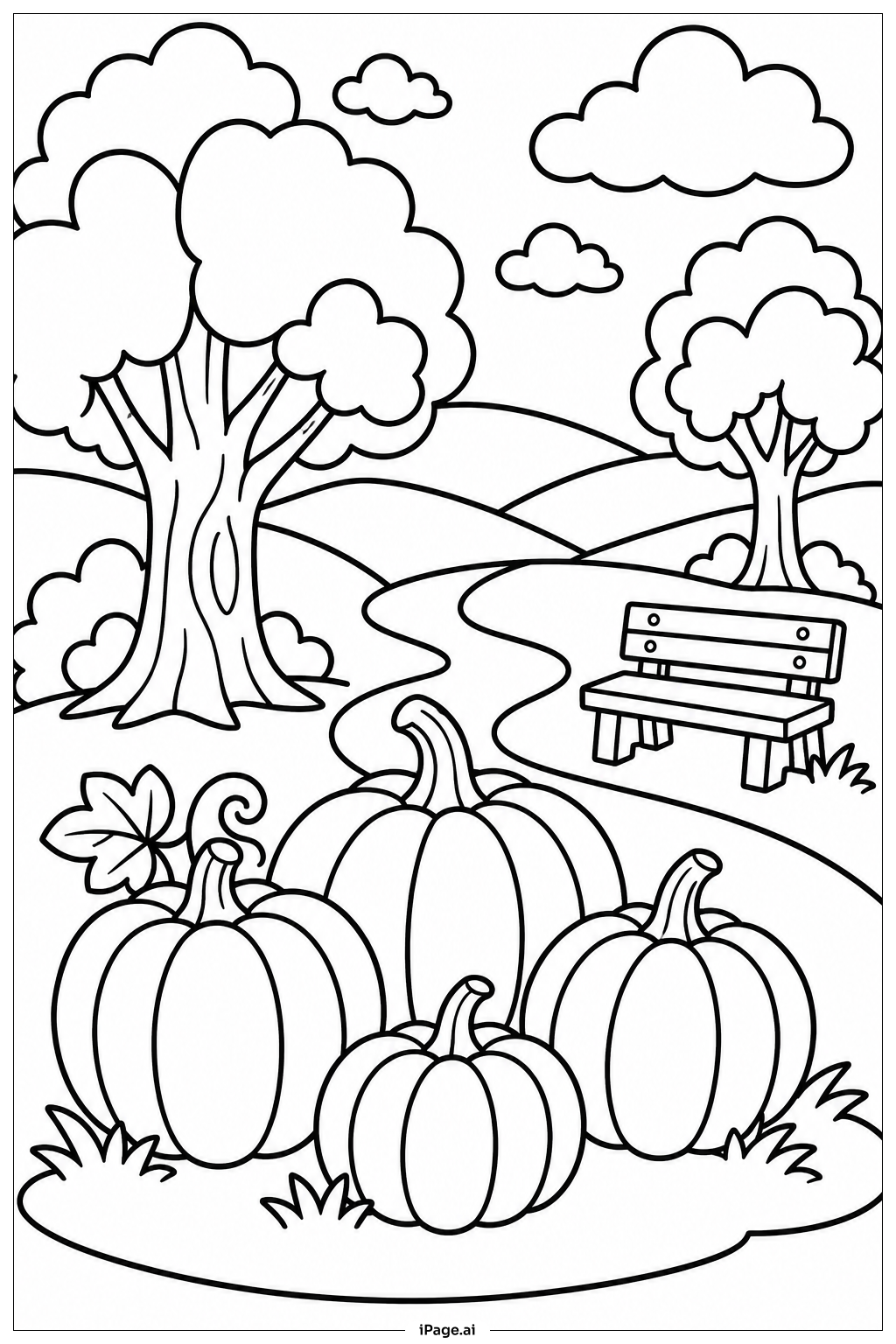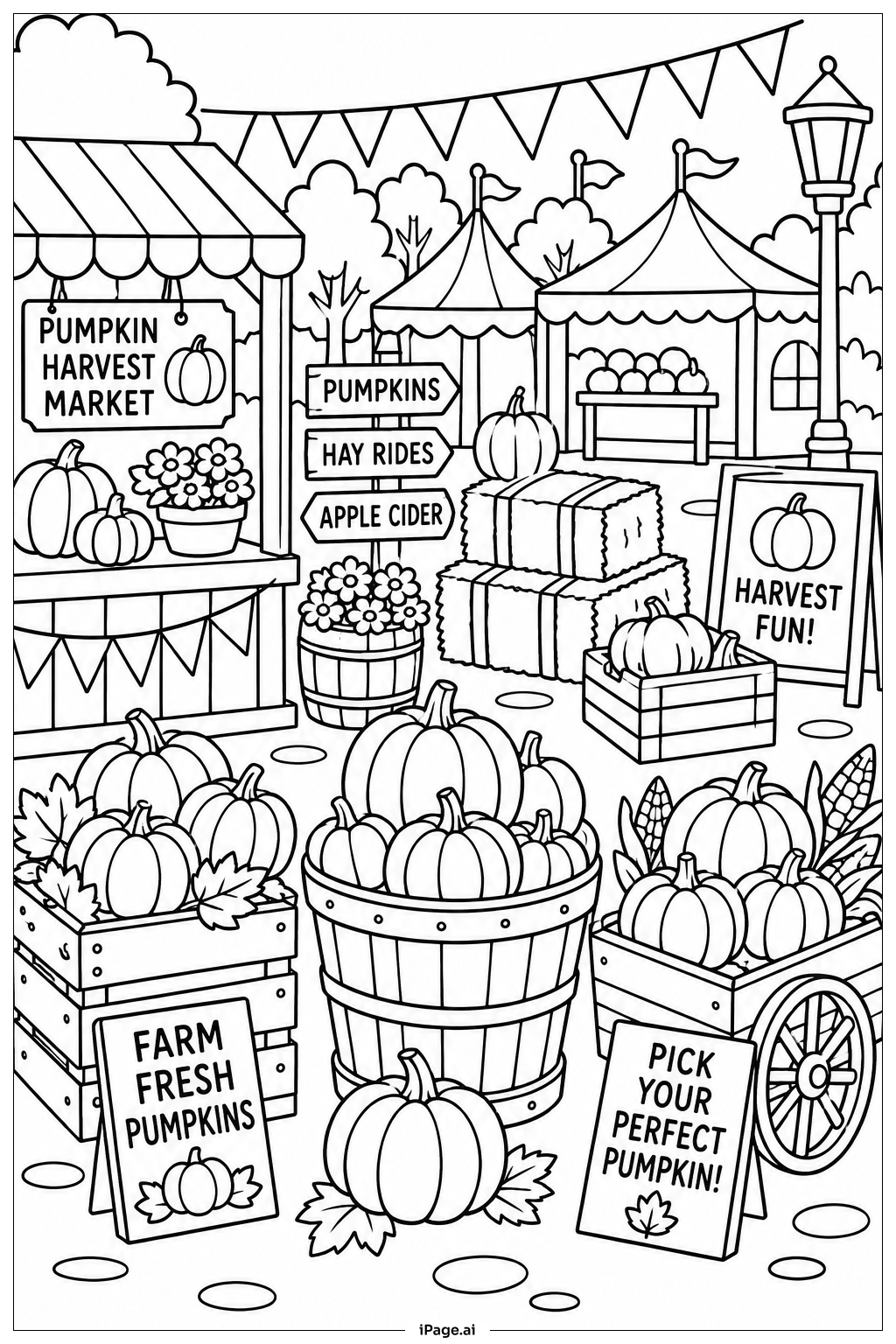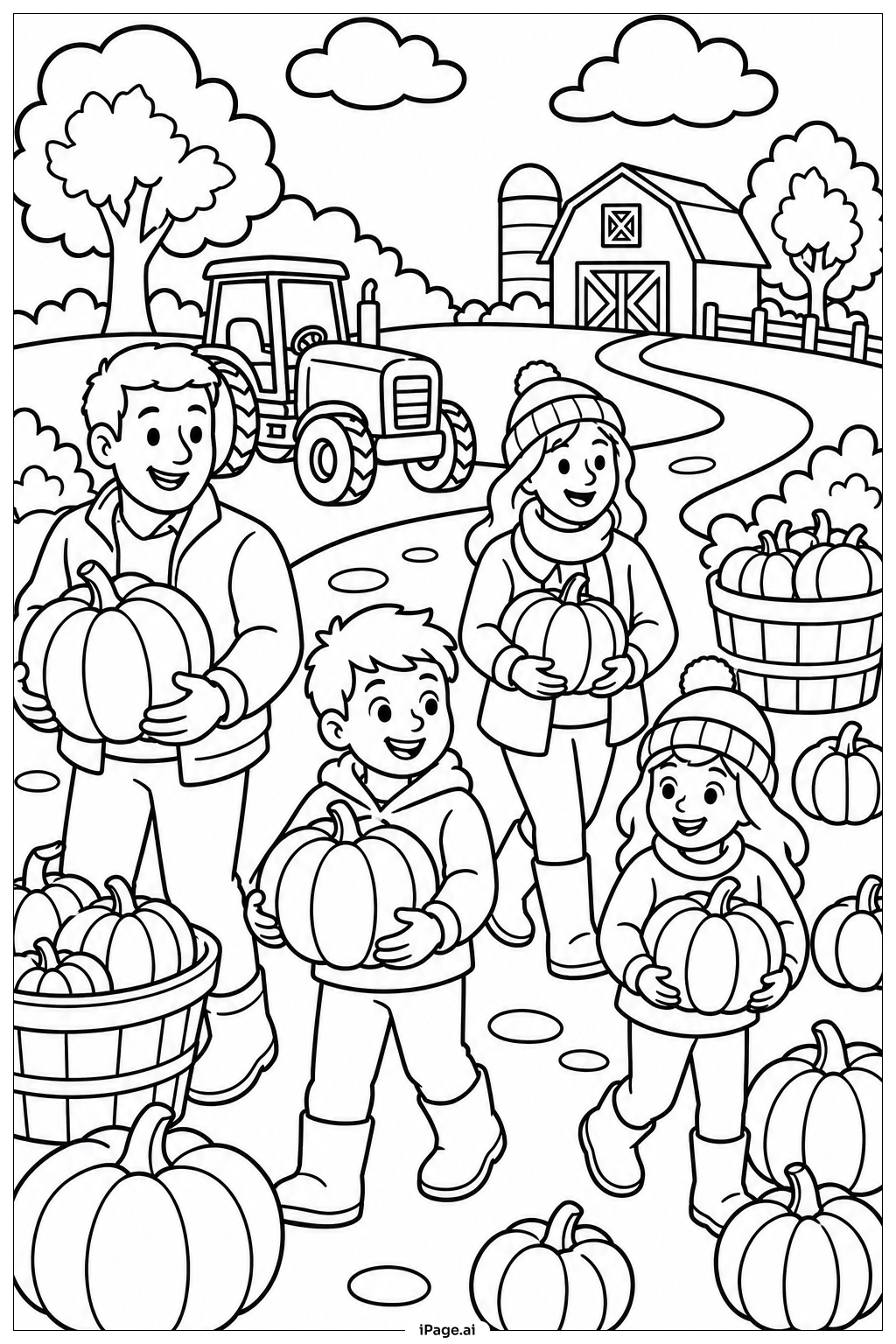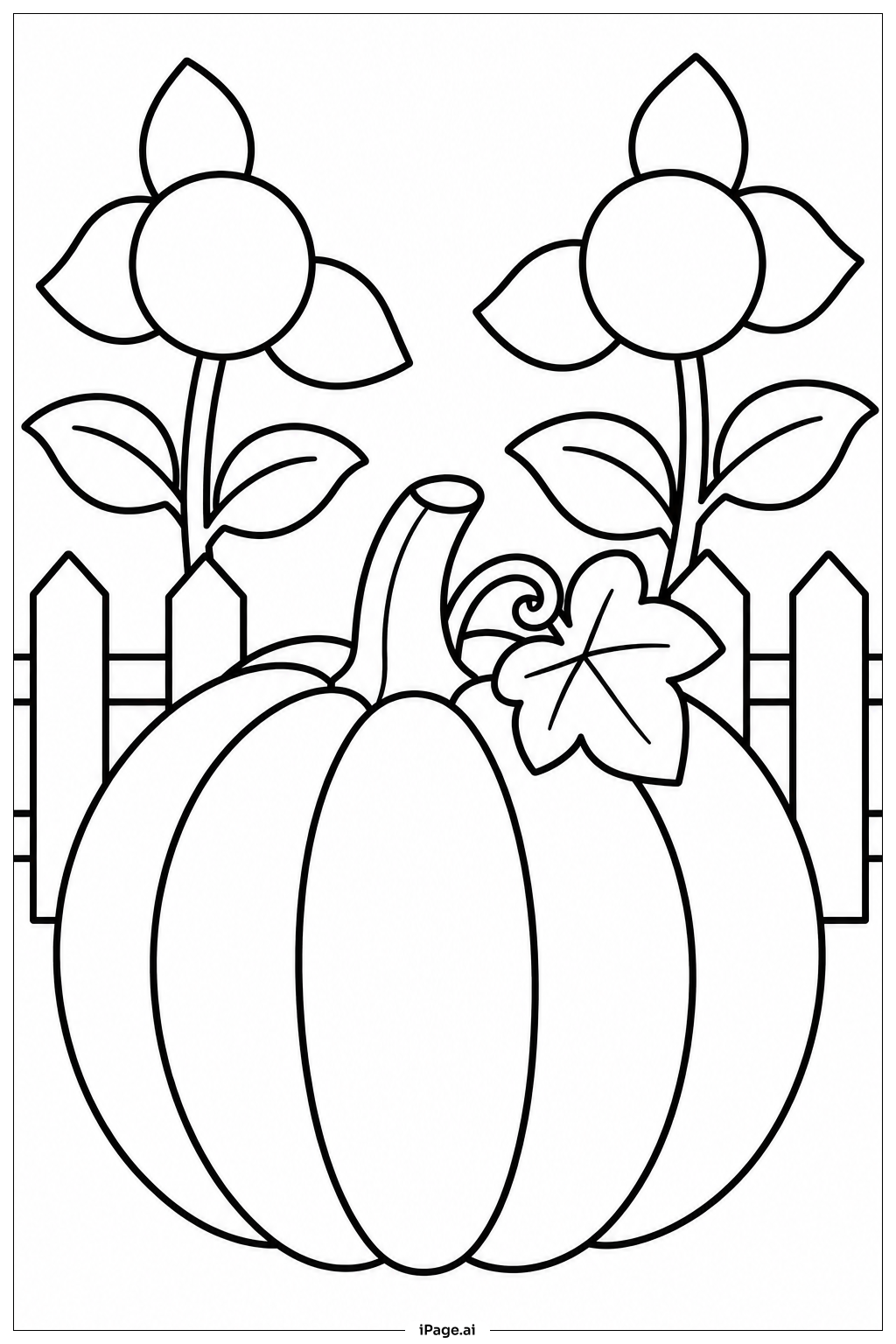
Coloring tips: How to color Pumpkin With Sunflowers coloring page well?
Start with the pumpkin. Use bright orange for the main body and add a touch of yellow-orange on the raised ridges to show light and depth. Color the stem brown or dark tan. For the sunflowers, fill the petals with sunny yellow or golden yellow. Try adding a slightly deeper yellow at the base of each petal to make them look more realistic. Color the sunflower centers dark brown or burnt orange, and add small dots to give them texture. Use different shades of green for the leaves and stems — light green for the tops and darker green for the undersides. The background can be left white for a clean look, or you can add a soft sky blue or warm beige to make the whole scene feel cozy and harvest-ready. Do not be afraid to mix colors and experiment with shading. The goal is to make your image feel warm, bright, and full of autumn energy.
Coloring challenges: Which parts are difficult to color and need attention for Pumpkin With Sunflowers coloring page?
• Pumpkin Ridge Shading: The pumpkin has multiple rounded ridges that curve from top to bottom. Coloring each ridge with a slightly different shade of orange — lighter in the center and darker near the edges — creates a three-dimensional look. This requires careful control of your coloring tool to blend smoothly along the curved lines without going outside them.
• Sunflower Petal Layering: Each sunflower has many overlapping petals arranged in two or three layers. Keeping consistent color direction and pressure across all petals without muddying the layers is tricky. Using short, controlled strokes that follow the petal shape from base to tip will help each petal look clean and separate.
• Sunflower Center Texture: The circular center of each sunflower contains a dense pattern of small seed shapes. Filling this area neatly without losing the individual dot or cell details takes patience and a fine-tipped coloring tool. Try alternating between dark brown and deep rust tones to add dimension.
• Leaf and Stem Variety: The leaves and stems overlap in several places, making it easy to accidentally color two touching areas the same shade of green. Choosing two or three distinct green tones and planning which goes where before you begin will keep each leaf visually separate and easy to read.
• Background Space Management: The open areas between the pumpkin, sunflowers, and leaves can feel overwhelming to fill. Deciding early whether to leave them white or add a soft background color helps maintain balance and prevents the scene from looking too busy or unfinished.
Benefits of coloring books: Advantages of drawing Pumpkin With Sunflowers coloring page
Coloring this Pumpkin With Sunflowers page offers a wide range of benefits for kids and adults alike. For younger children, tracing within the bold outlines of the pumpkin and sunflowers helps develop fine motor skills and hand-eye coordination. Choosing colors and filling each section encourages creative thinking and builds confidence.
For older kids and teens, the layered petals, textured sunflower centers, and curved pumpkin ridges offer a satisfying challenge that sharpens focus and attention to detail. Working through a more complex image builds patience and a sense of accomplishment when the page is complete.
For adults, this harvest-themed scene is a wonderful way to unwind. The repetitive, rhythmic motion of coloring is known to lower stress and quiet a busy mind. Focusing on a single, calming activity like this can work much like mindfulness or meditation.
The autumn theme also sparks imagination and seasonal joy, making it a great activity for the whole family during fall. Whether colored alone or together, this page is a simple, screen-free way to slow down, express creativity, and enjoy a moment of peaceful focus.