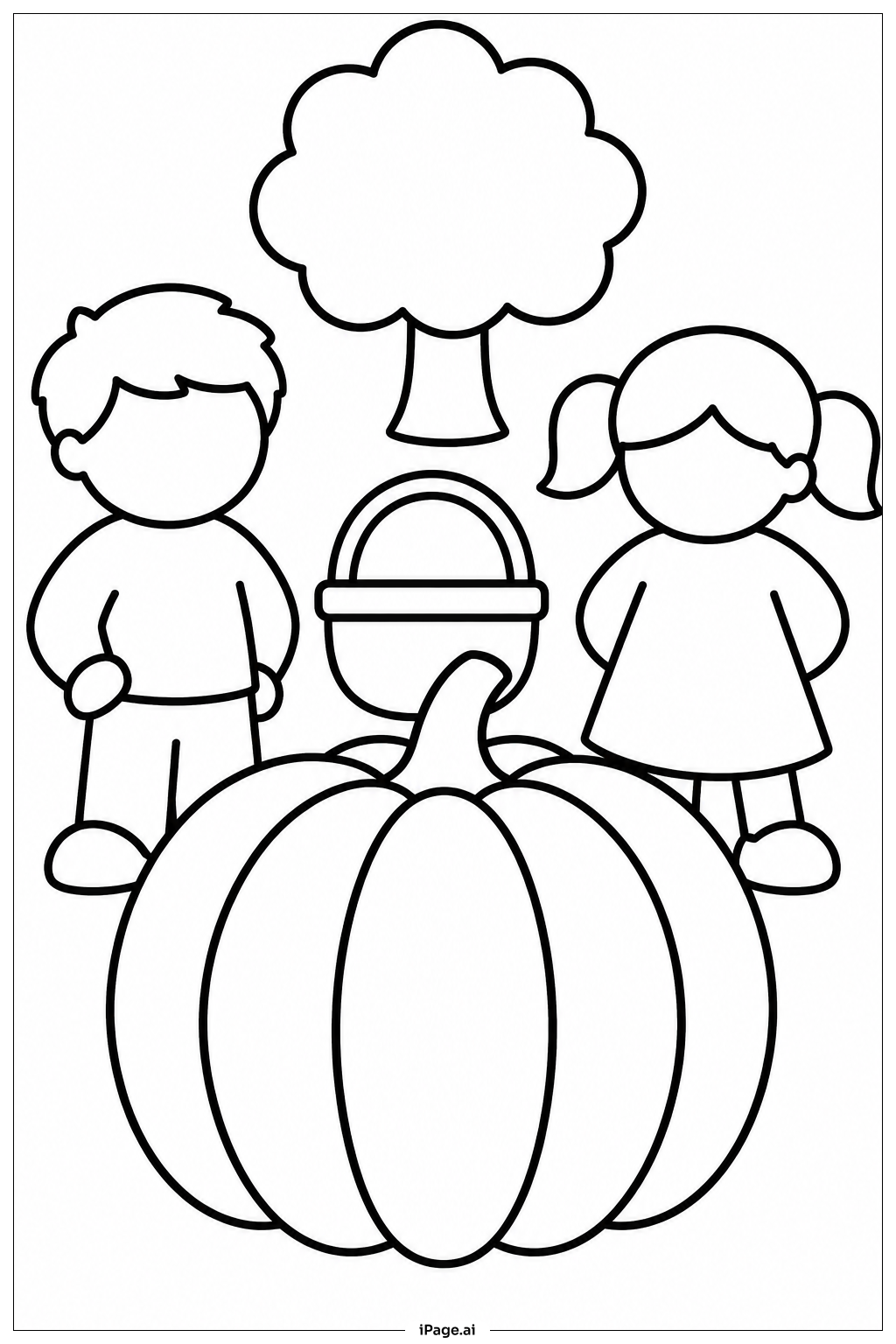
Coloring tips: How to color Pumpkin With Children coloring page well?
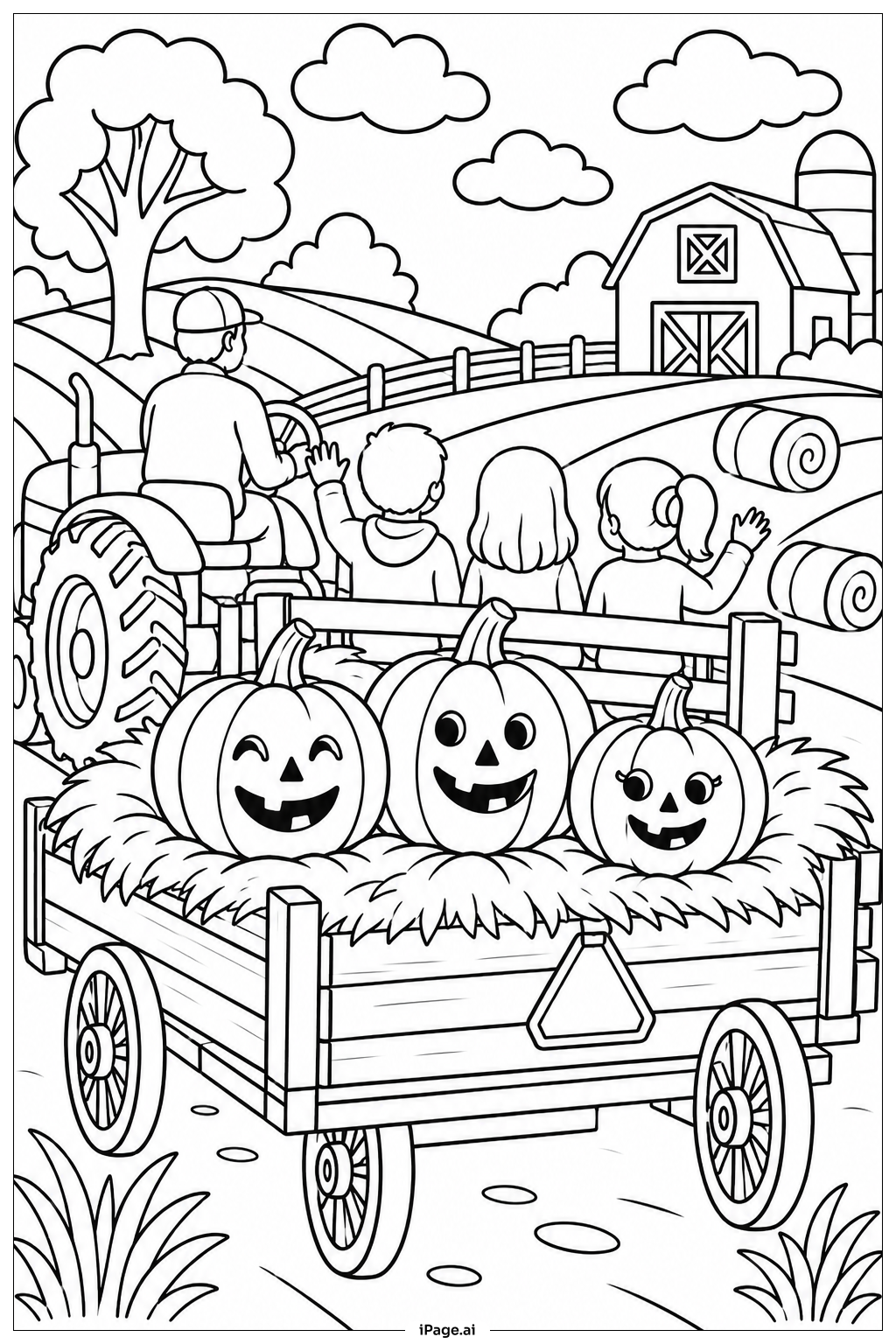
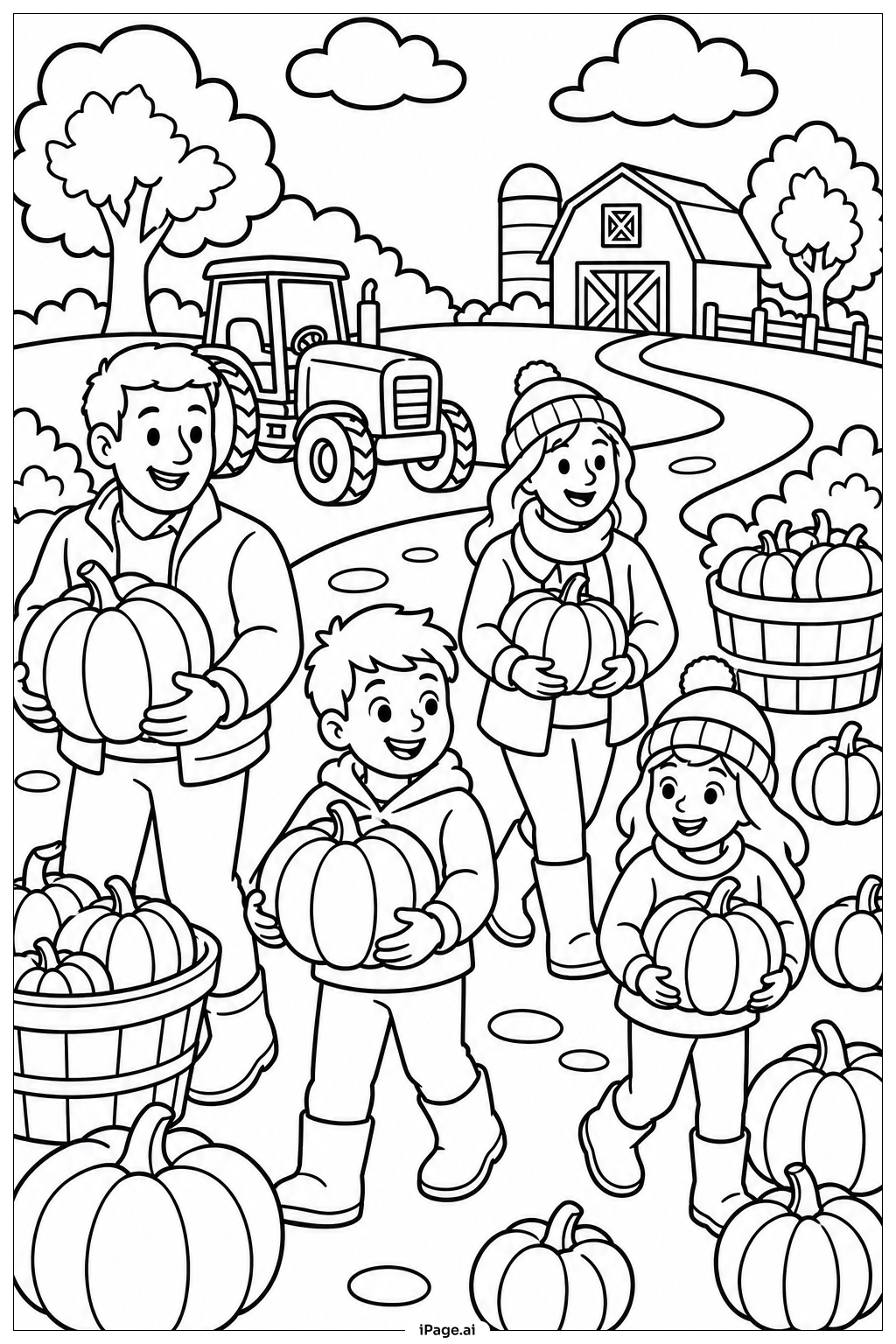
You can use bright orange and warm yellow shades for the Pumpkin to make it look lively and cheerful. For the children’s clothes, pick a mix of vibrant colors like red, blue, green, and purple to bring energy to the scene. Their hair colors can be varied: blond, brown, black, or even imaginative shades like blue or pink. Use green and brown tones for the ground and leaves to create a natural autumn feel. Feel free to open your imagination and choose colors that make the scene happy and full of life.
Coloring challenges: Which parts are difficult to color and need attention for Pumpkin With Children coloring page?
• Pumpkin Texture: The pumpkin’s round shape and carved face require careful shading to show its 3D form and depth without coloring outside its lines. • Child Details: Each child has small details like clothes, hair, and facial expressions that need precision to color neatly, especially because they overlap with the pumpkin. • Leaf Shapes: The scattered leaves vary in size and shape, demanding attention to color them individually and create a realistic look. • Overlapping Objects: The children are placed both in front of and behind the pumpkin, presenting a challenge in layering colors to maintain clarity and avoid mixing colors between objects. • Small Spaces: Areas like the pumpkin’s carved eyes and mouth or the children’s fingers touching the pumpkin are tight spots requiring patience and fine motor skills to color neatly.
Benefits of coloring books: Advantages of drawing Pumpkin With Children coloring page
Coloring this image helps improve hand-eye coordination by requiring careful control to stay within detailed lines. It encourages creativity in choosing colors for the pumpkin, children’s clothes, and autumn leaves. Working on different textures — smooth pumpkin skin, fabric folds, and leaf veins — enhances observational skills. The joyful theme can boost positive emotions and engagement, making coloring a fun and relaxing activity. For children aged 4 to 16, it is a great way to practice concentration and patience while expressing their artistic style.