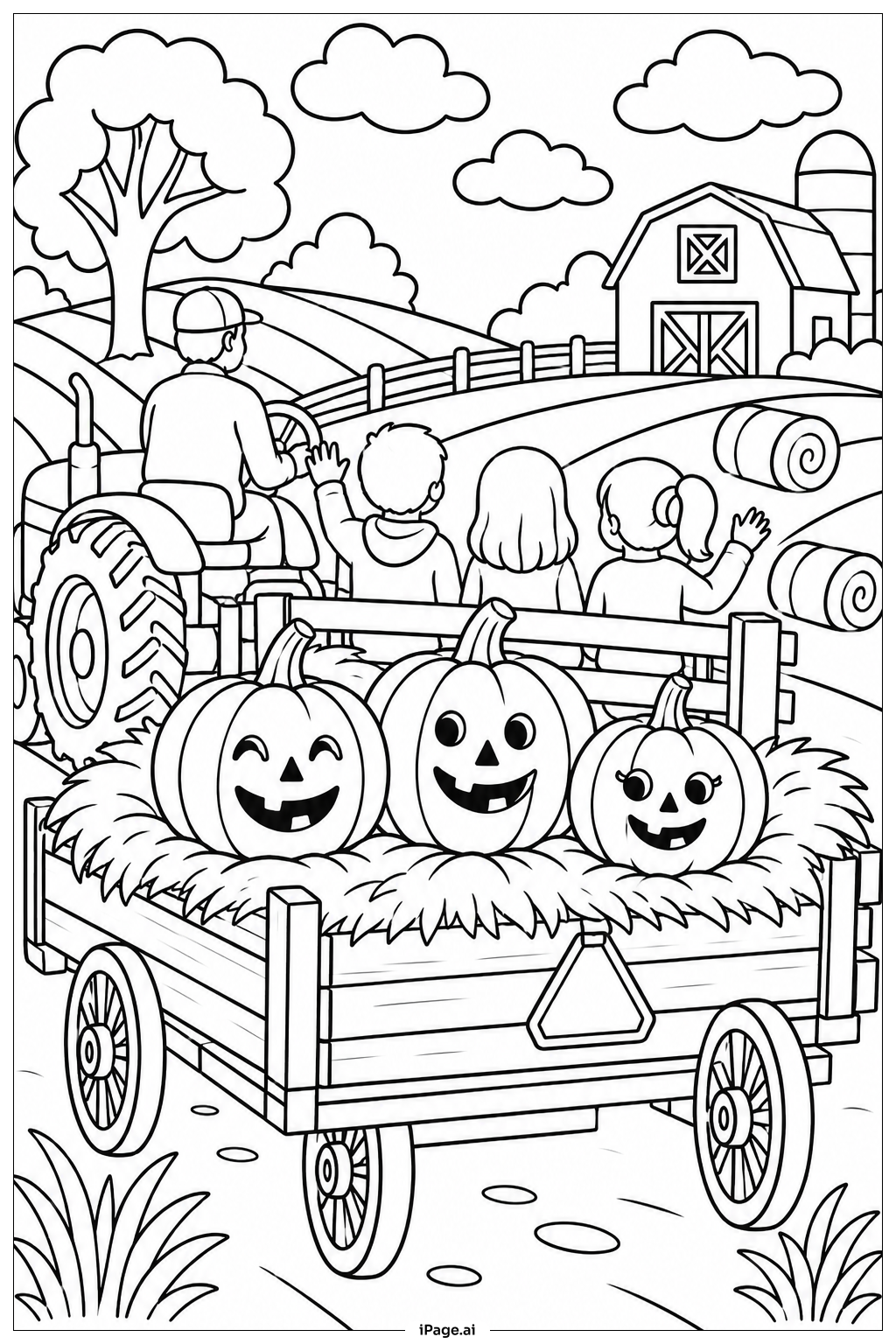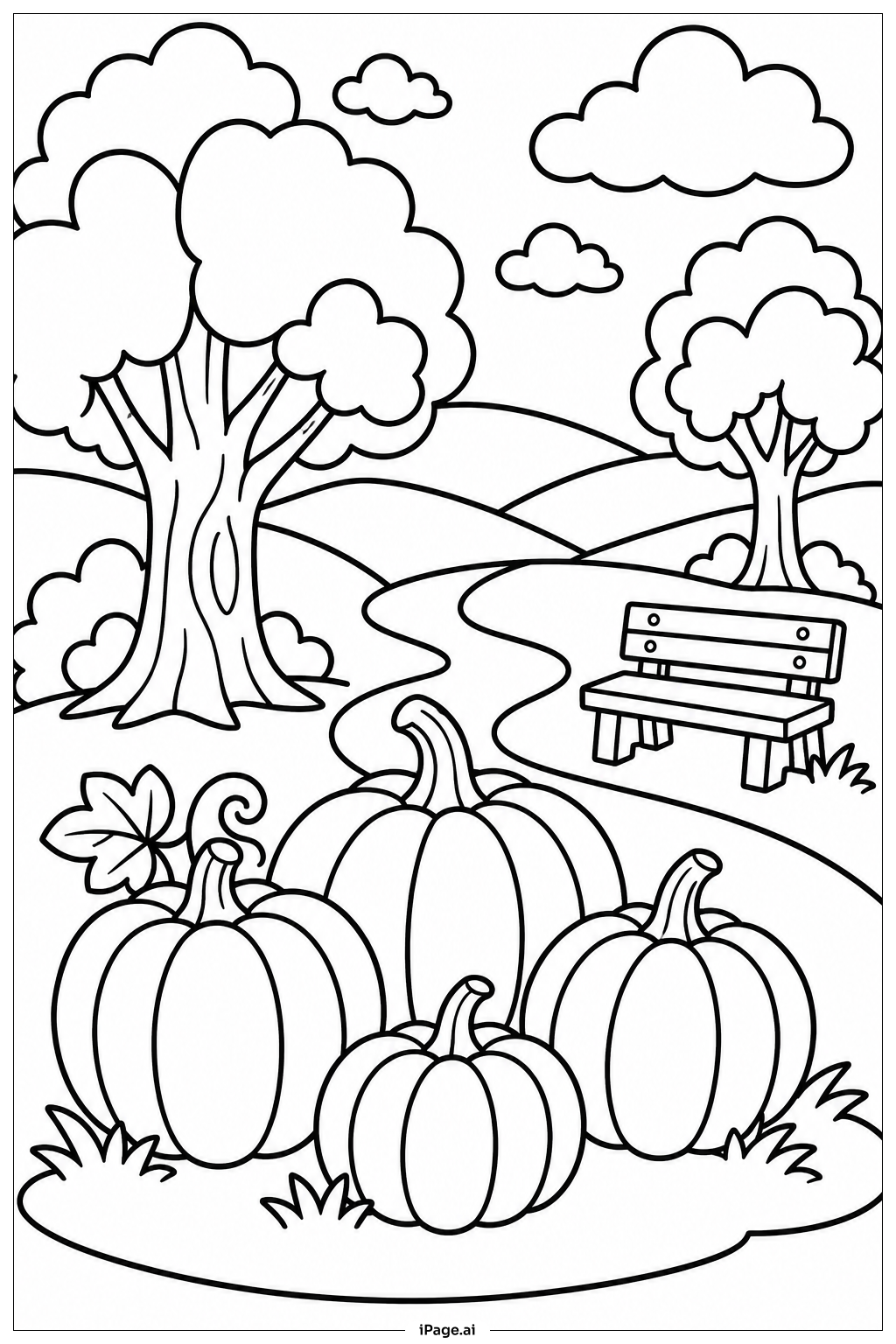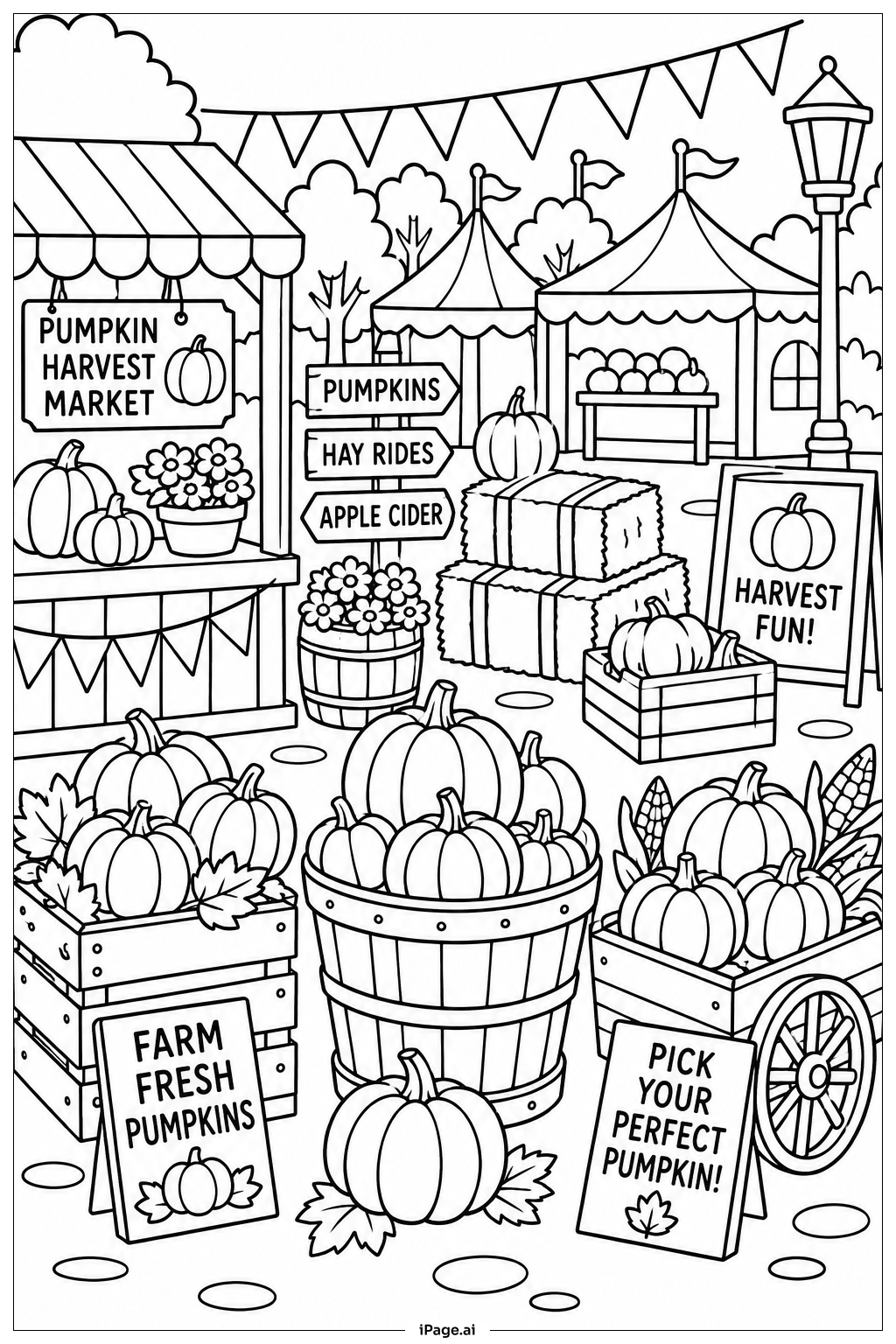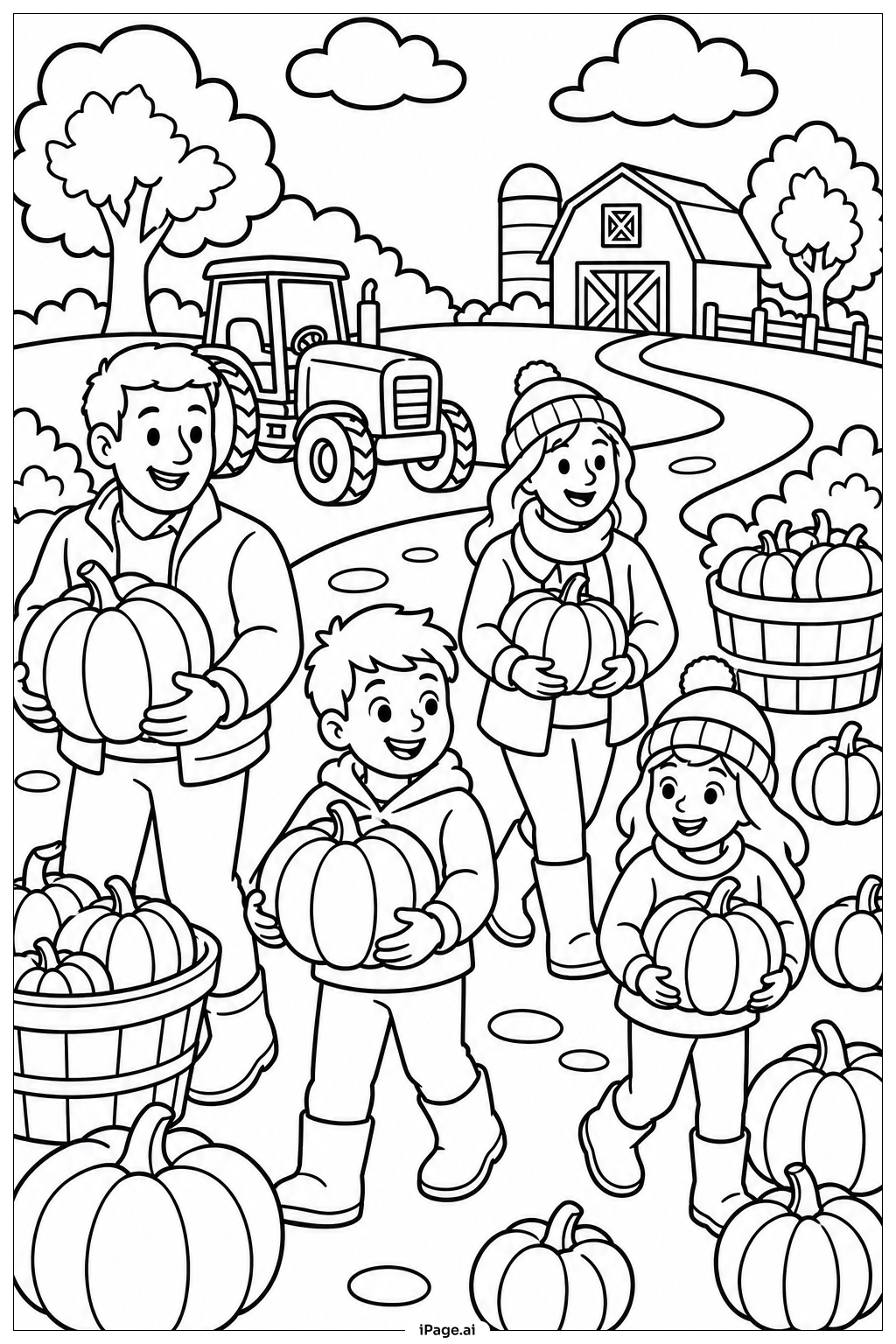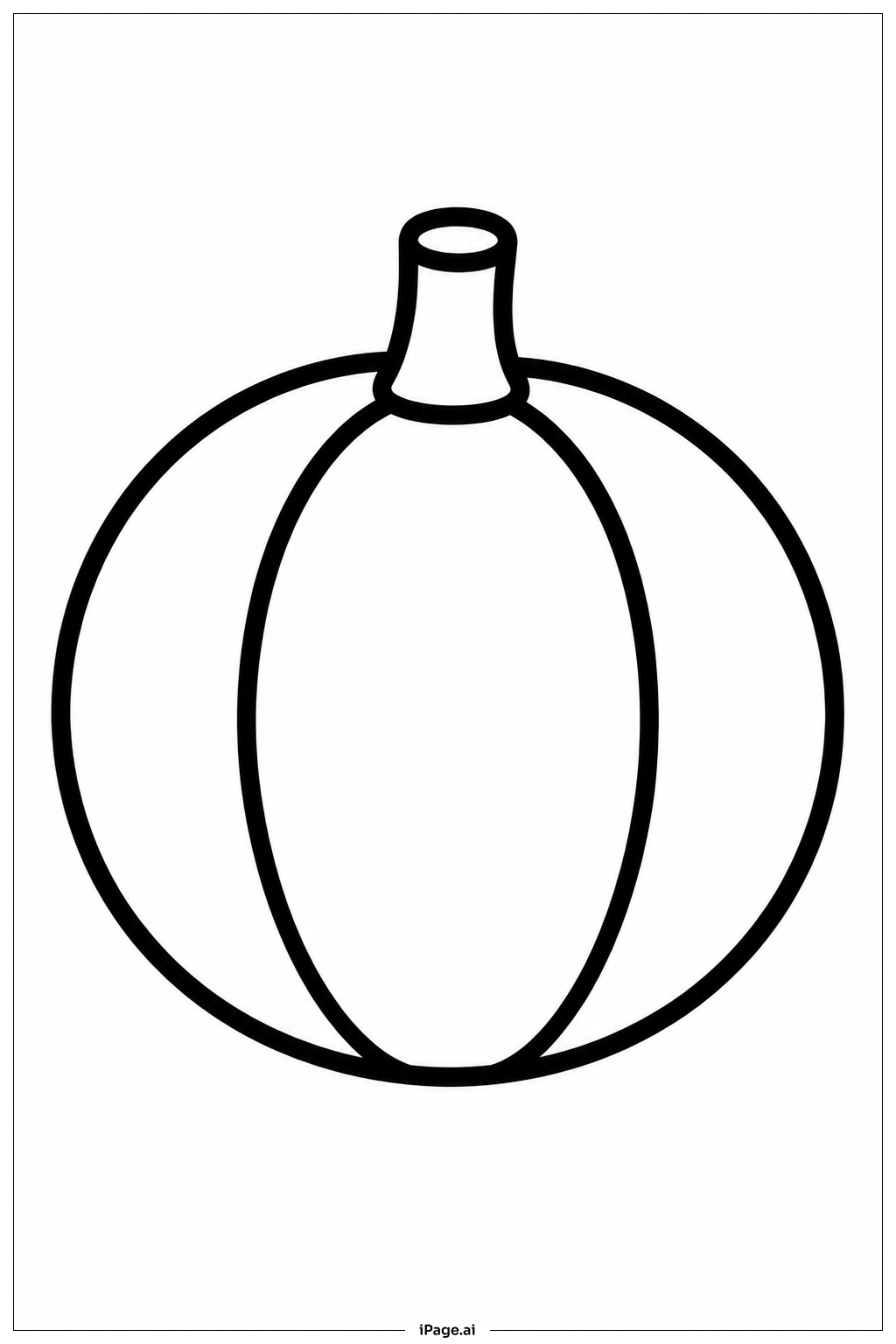
Coloring tips: How to color Pumpkin Ball coloring page well?
For this Pumpkin Ball image, start by using warm orange shades for the pumpkin’s body to capture its classic autumn look. Blend lighter tones like yellow-orange on curved sections to show light and roundness. Use green colors for the leaves and vines; try bright vibrant greens for fresh leaves and softer, muted greens for curling tendrils. Don’t forget to color the stem with brown or olive tones to show its woody texture. You can also add some shading to flowers or buds with hints of yellow, pink, or white. Feel free to experiment with different color combinations and patterns on the pumpkin to make it unique and lively.
Coloring challenges: Which parts are difficult to color and need attention for Pumpkin Ball coloring page?
• Smooth Curves: The pumpkin’s round shape requires careful coloring to keep the curves even and smooth, which might be challenging for younger children to avoid coloring outside the lines. • Detail in Leaves and Vines: The curly tendrils and leaves have delicate shapes and small spaces that need fine motor skills to color neatly. • Shading and Light Effects: To create a realistic round appearance, shading with gradual color changes is needed, which can be tricky for beginners. • Stem Texture: The stem’s twisting, uneven surface needs attention to small details and different shades to appear natural rather than flat. • Uniform Coverage: Avoiding streaks and patchiness on the large pumpkin surface requires patience and steady hand control, especially with lighter colors that show every pencil stroke.
Benefits of coloring books: Advantages of drawing Pumpkin Ball coloring page
Coloring this Pumpkin Ball image helps improve hand-eye coordination by requiring control over smooth strokes and delicate details. It encourages creativity as children can experiment with colors and shading to give the pumpkin a lifelike or fantasy appearance. The activity also enhances focus and patience due to the mix of large areas and fine details. Additionally, it teaches basic concepts of light and shadow and how colors can convey texture and depth. Overall, it’s a fun way for children to develop both artistic skills and an appreciation for autumn themes.